Quick answer: fitting a sixty-five inch screen into a vehicle is possible, but the real answer depends on exact measurements, interior space, and careful handling.
Diagonal inches tell one story. The box size, width, height, and depth are what matter when you plan transport.
Before loading, measure the box and the usable space created by folding rear seats or removing headrests. Think about door clearance, hatch swing, and whether two people should carry and steady the load.
Safety first: use padding, straps, and an upright position to prevent stress on the panel. Even if the set fits, padding and route choice decide if it arrives without cracks.
Key Takeaways
- Measure box and vehicle interior before attempting transport.
- Diagonal inch rating is not the same as box size.
- Use padding, straps, and an upright position to protect the screen.
- Fold seats and check door or hatch clearance for best fit.
- Two people often make loading safer and easier.
Can a 65-Inch TV Fit in a Car? Here’s What You Need to Know
Don’t trust the diagonal alone—box dimensions and door clearances decide if the set will actually load. The honest answer begins with measurements, not hope.
Why the answer is “maybe” and what actually determines fit
Two models with the same screen size can have very different boxed footprints. Two vehicles with similar overall length can still differ in hatch opening, door widths, and cargo shape. That is why the truthful answer is maybe until you compare numbers.
True determinants include the TV’s boxed width, height, and depth, plus your car’s usable length, width, and headroom. Also check whether rear seats fold flat to create a straight loading path.
Biggest risk factors during transport: bumps, vibration, and screen stress
The main threats are vibration, sharp jolts, and pressure points that bend the box or press into the panel. Modern advice focuses less on the transported flat myth and more on preventing torsion and local pressure.
Keep early screen side awareness: know which face is the panel side and avoid anything that can press into it, even through packaging. Proper support and padding beat blanket rules like upright-only.
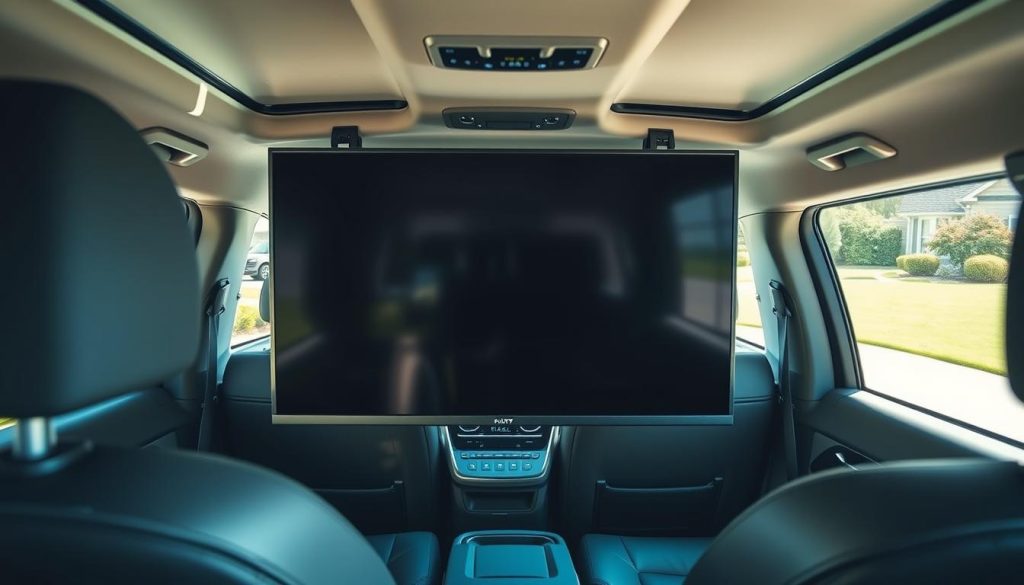
- Measure boxed dimensions, not just the diagonal measurement.
- Compare box size to interior openings and folded-seat space.
- Protect against vibration, jolts, and bending stress during transport.
Next step: measure the box and your cargo area—accurate measurements are the deciding step, not guesswork or visual views.
Measuring Up: TV Box Size vs. Your Car’s Interior Measurements
Boxed dimensions, not the diagonal measurement, decide whether the package clears openings and sits securely in cargo.
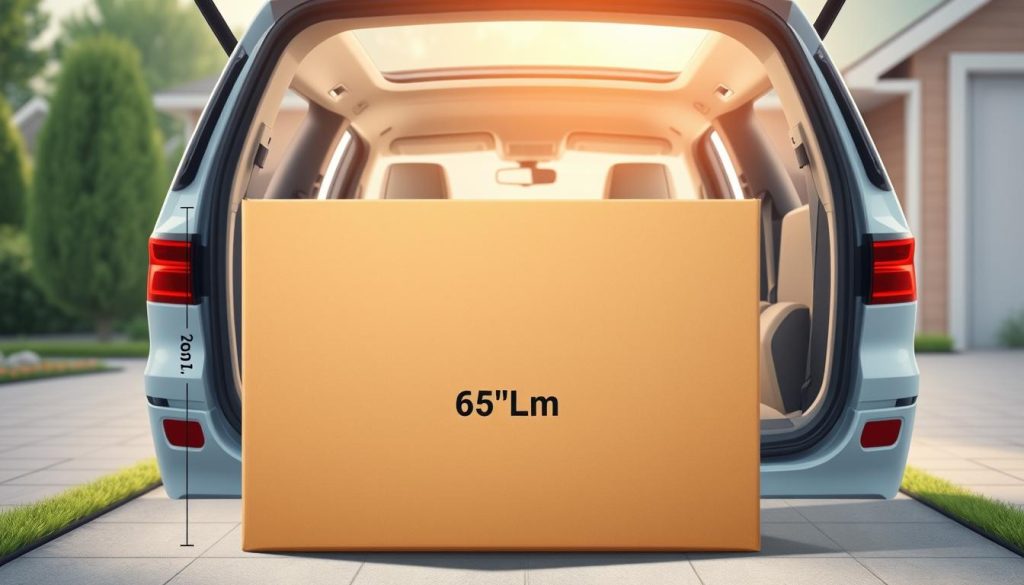
Get the right dimensions
Start with manufacturer specs or measure the box: height, width, and depth. The box is the transport unit that protects the screen.
Measure your vehicle
Record cargo area length with seats up and with seats folded. Measure interior height to the headliner and the narrowest width between wheel wells.
Access and seats
Measure rear hatch, trunk opening, and door clearance. Check back seats: do rear seats fold flat, or does removal of headrests add clearance?
When to angle
An angle can help slide the box through a shorter opening. Avoid forcing bends or compressing corners; that increases torsion and impact risk.
- Practical tip: verify box against your measurements before leaving store or ordering online.
| Item | Example Box (in) | Measured Car Space (in) |
|---|---|---|
| Box width | 58 | 60 |
| Box height | 34 | 36 |
| Box depth | 8 | 12 |
| Wheel-well width (narrowest) | — | 46 |
| Rear hatch opening (W x H) | — | 55 x 34 |
Choosing the Best Vehicle Type for Transporting a 65-Inch TV
Choosing the right vehicle type can make the whole move simple or risky. Pick a vehicle that reduces twisting, bending, and heavy angling during loading.
Hatchback vs. SUV
Hatchbacks offer useful height and a low step-over, but many lack length and width in the cargo area.
SUVs usually win. With rear seats folded they provide a longer, flatter plane and larger openings for easier handling. Measure seatbacks and the hatch opening before loading.
Why sedans often fail
Trunk volume rarely matters as much as trunk opening. Tight or short openings force extreme angles that risk box compression or panel stress. Most sedans are a deal-breaker for larger boxed screens.
Pickup truck pros and cons
Pickups give excellent bed length and simple access. They also expose the cargo to weather and wind. Use a cap or waterproof cover and secure the box with straps tied to anchor points.
| Vehicle type | Access | Best use |
|---|---|---|
| Hatchback | Good height, limited length | Short trips with careful measuring |
| SUV | Wide hatch, flat cargo with seats folded | Preferred for most transports |
| Sedan | Small opening, deep trunk | Usually not recommended |
| Pickup / Truck | Open bed, long load capacity | Great if covered and well secured |
Fit reality check: confirm that rear seats fold flat, the hatch clears the box height, and the chosen vehicle lets you avoid heavy angling. Even the best vehicle still needs foam, padding, and strict no-pressure discipline on the screen before transport.
Packaging and Screen Protection Before You Load
Protecting the panel begins with the right packing and padding. Use the original box and molded foam when available. Manufacturers design this packaging to guard corners, keep the screen from contacting the outer wall, and reduce vibration transfer.
Use original packaging and foam
Original box and foam inserts provide fitted support and shock absorption. Keep the TV in its upright orientation inside the box if possible, and secure loose flaps before moving.
No box? Use blankets, bubble wrap, and cardboard
If the box is missing, wrap the screen with moving blankets, then add layers of bubble wrap at corners. Place rigid cardboard sheets over the face and edges to prevent point impacts. Tie or tape the bundle so nothing shifts during loading.
Transport myths: transported flat vs. upright
The key issue is preventing bending, torsion, and pressure points—not obeying an old upright-only rule. Plasma-era guidance favored upright movement. Modern LCD and most thin panels tolerate careful support, but OLED still needs care.
Screen side awareness and handling
Label the screen side, keep it away from sharp interior protrusions, and never stack heavy items on top. Use two people for lifts and tight turns; this reduces accidental corner drops and box compression.
| Protection step | Why it matters | Practical tip |
|---|---|---|
| Use original box and foam | Fitted support, vibration reduction | Keep inserts and close flaps before lifting |
| Blankets, bubble wrap, cardboard | Cushions impacts and spreads pressure | Layer blankets, then bubble wrap, then cardboard |
| Label screen side | Prevents accidental pressure on panel | Mark with large, visible stickers |
| Two-person lift | Reduces drops and twisting stress | Coordinate steps and watch door clearances |
Next: packaging protects most risks, but proper placement and securing inside the vehicle prevents shifting that causes impact damage.
Loading and Securing the TV Inside the Car
Before you lift, plan where the boxed set will sit so it cannot shift during turns or stops.
Safest placement options: the would best choice is to lay the box flat on a level surface in the cargo area. If flat placement is impossible, brace the package against folded rear seats so it rests evenly and does not flex.
Decide flat vs. braced by checking for even support across the full back of the box. Avoid any setup that lets corners or center sag. Keep the screen side oriented away from hard trim.
How to stop shifting: use ratchet straps if the car has anchor points. Add bungee cords for secondary restraint. Fill gaps with packed blankets, towels, or foam so the box cannot slide laterally or forward under braking.
What not to do: never stack items on top, wedge the box by crushing corners, or force a tight fit that bends packaging. Two people should guide the box through the hatch and set it down without dropping a corner.
| Placement | Best for | Key restraint |
|---|---|---|
| Flat in cargo area | Stable, level support | Straps + padding |
| Braced against seats | When length limits exist | Bungee cords + gap fill |
| Open-bed (truck) | Long loads; cover required | Ratchet straps + waterproof cover |
Next: even a well-secured load can suffer from aggressive driving. The next section covers gentle driving and route choices for safe transport.
The Drive Home: How to Transport a 65-Inch TV Without Damage
How you drive after loading often matters more than how you pack. Gentle handling on the road reduces vibration and shock that crush edges or stress the panel. Plan your route, slow down over bumps, and steer smooth turns to limit sudden forces on the boxed screen.
Drive tactics that reduce stress
Fragile cargo driving checklist:
- Accelerate gradually; avoid sudden throttle bursts.
- Brake early and gently to prevent forward shift.
- Take turns slowly to stop lateral sliding inside the cargo area.
- Avoid abrupt lane changes that can shift an angled package.
Route planning and bumps to avoid
Prefer well-maintained roads and steady-speed highways. Steer clear of pothole-heavy streets, construction zones, and steep driveways that create single-event impacts.
Mid-trip checks
Turn down the radio and listen for any rubbing or thumps. If you hear movement, pull over safely and re-tighten straps or add padding. Even short trips pose risk if driven aggressively.
| Risk | Effect on screen | Action |
|---|---|---|
| Bumps or potholes | Local impact, repeated tapping | Reduce speed; reroute if road is poor |
| Vibration over time | Panel stress, loose corners | Use straps and fill gaps with blankets |
| Angle or tilt | Torsion and edge pressure | Brace against seats; avoid steep angles |
Final note: protection is a system—packaging + securing + careful driving. Travel with one other person when possible so the second set of eyes and ears can watch for movement and help re-secure the load if needed.
Conclusion
Measure twice, load once: accurate boxed dimensions and clear vehicle measurements decide whether transport is safe. Only proceed when the package rests without bending or compression and fills cargo space evenly.
Safety priorities are simple: protect the screen, prevent shifting, and reduce vibration and impact through secure straps, padding, and careful driving. If the fit is borderline or needs extreme angles, don’t force it—risk of damage outweighs convenience.
Practical alternatives include retailer delivery, renting a cargo van or truck, or borrowing a larger vehicle. If using a pickup or truck bed, use a waterproof cover and strong tie-downs to prevent bounce and exposure.
Final answer: thoughtful measurements, proper packing, and cautious transport deliver the best chance your set arrives fully functional.
FAQ
Will a 65-inch box fit in my vehicle?
Measure the TV’s boxed dimensions — length, height, and depth — and compare them to your cargo space. Fold rear seats flat if possible, check hatch or trunk opening width and height, and factor in wheel-well intrusions. If any boxed dimension exceeds interior clearances, it will not fit safely.
What matters more: the diagonal screen size or the box size?
The diagonal label only describes the panel. The boxed size includes bezel, stand, and protective packaging. Use the box measurements for transport planning, not the screen diagonal.
Which vehicle types work best for moving a large set?
SUVs, minivans, and hatchbacks with fold-flat seats typically offer the best cargo shape and access. Long-bed pickup trucks also work if you protect the set from weather and secure it. Sedans and cars with narrow trunks often prevent safe loading.
Can I transport the set flat on its back?
Manufacturers generally recommend transporting large LED/LCD panels upright to avoid stress on the screen layers. If you must lay it flat, keep it on a rigid, cushioned surface inside its original packing and avoid placing any weight on the box.
Is the original box and foam necessary?
Yes. Original packaging is designed to absorb shocks and protect corners and the panel. If unavailable, wrap the TV in moving blankets, bubble wrap, and secure cardboard corner protectors to reduce impact and pressure.
How should I position the boxed set inside the car?
Best practice is to stand the box upright, braced against the rear seat or cargo wall, and prevent forward motion with straps. If upright won’t fit and you must angle it, keep it supported along its full length to avoid bending the frame.
What fasteners and padding are recommended to prevent shifting?
Use ratchet straps or cam-buckle tie-downs anchored to cargo hooks, plus dense foam or folded blankets to fill gaps. Avoid tight ties that bend the box; they should hold the package snug without deformation.
How do road conditions affect safe transport?
Rough roads, potholes, and sudden stops increase stress from vibration and impacts. Drive slowly, brake gently, and choose smoother routes when possible. Check the load during stops and resecure if you hear movement.
Can I angle the box through the hatch or door to make it fit?
Angling can help when clearance is tight, but it raises the risk of scraping edges, bumping the screen, or putting point pressure on the frame. Measure diagonal clearance of the opening first, and pad all contact points before attempting an angle load.
Is it safe to transport the set in the bed of a pickup truck?
It can be safe if the box is protected from weather, anchored flat or upright against a bulkhead, and cushioned to prevent shifting. Use a tarp or RV cover and ratchet straps. Beware of wind lift and rain exposure during transit.
What are the biggest damage risks during transport?
Bumps and vibration, pressure on the screen from improper support, edge impacts, and moisture exposure. Proper packing, secure anchoring, and cautious driving reduce these risks significantly.
How much clearance should I leave around the box?
Leave at least a few inches on all sides when possible. Fill any remaining gaps with soft padding to prevent movement and eliminate point loads that can stress the panel.
Should I recruit help for loading and unloading?
Yes. Large flat panels are awkward and fragile. Two or more people reduce the chance of drops, edge bumps, or forced fitting that damages the box or vehicle interior.
How can I verify the box will pass through my hatch or trunk opening?
Measure the opening width and height, then compare with the box’s corresponding dimensions. Remember to account for angle clearance if you plan to pivot the box through the opening.
Are there quick fixes if the box is just a little too large?
Consider removing the TV stand if detachable and smaller packaging results. Otherwise, renting a cargo van or booking delivery from the store is safer than forcing a tight fit that risks damage.