Choosing the right tires for your vehicle is a crucial decision that impacts safety, performance, and your wallet. Ironman Tires have gained attention as a budget-friendly option, but many drivers wonder: are Ironman Tires actually good? This comprehensive review dives deep into what Ironman Tires offer, their performance across different conditions, and whether they deliver value for your money.
If you’re considering Ironman Tires but aren’t sure if they’re the right choice, you’ve come to the right place. We’ve analyzed expert opinions, customer experiences, and performance data to help you make an informed decision about these increasingly popular budget tires.
Need Tires Now?
Check current Ironman Tire prices and availability for your vehicle
Overview of Ironman Tires
Ironman offers a range of tire models for different driving needs
Ironman Tires is a brand manufactured by Hercules Tire & Rubber Company, which is owned by American Tire Distributors (ATD). The brand positions itself in the budget-friendly segment of the market, offering affordable options for cost-conscious consumers.
Brand Background
Ironman has been in the tire industry for several decades, focusing on providing economical alternatives to premium tire brands. Their manufacturing takes place primarily in Thailand, with some production in other Asian facilities. While not as well-known as brands like Michelin or Goodyear, Ironman has steadily built a reputation in the budget tire segment.
Types of Tires Offered
Passenger Tires
- All-season tires (RB-12, iMove Gen2 AS)
- Performance tires (iMove)
- Touring tires (GR906)
- Winter tires (Polar Trax)
Truck & SUV Tires
- All-terrain tires (Radial A/P)
- Highway terrain tires (RB-SUV)
- Mud terrain tires (iT-285)
- Commercial tires (Radial LT)
Price Range
One of Ironman’s main selling points is affordability. Their tires typically cost 30-50% less than premium brands, with prices ranging from:
| Tire Type | Price Range | Comparable Premium Price |
| Passenger/Sedan | $50-$90 | $100-$200 |
| SUV/Crossover | $80-$120 | $150-$250 |
| Truck/Off-road | $100-$160 | $200-$350 |
Compare Ironman Tire Prices
See how much you could save with Ironman Tires for your vehicle
Performance Analysis

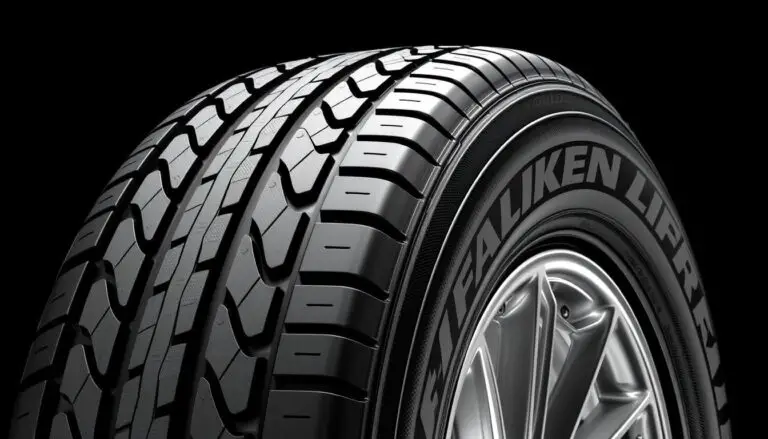
Close examination of Ironman tire tread design and features
To determine if Ironman Tires are truly “good,” we need to examine their performance across several key factors. We’ve analyzed test data, expert reviews, and real-world feedback to evaluate how these tires perform in various conditions.
Traction Performance
Ironman Tires perform adequately in dry conditions, with most models providing reliable grip during normal driving. Their all-season models like the RB-12 offer decent traction on dry pavement, though they don’t match the performance of premium brands during aggressive cornering or emergency maneuvers.
In wet conditions, Ironman Tires show more limitations. While they provide acceptable wet traction for everyday driving, their hydroplaning resistance is noticeably lower than mid-range and premium competitors. The tread designs and rubber compounds don’t evacuate water as effectively, resulting in longer stopping distances on wet roads.
Durability and Treadwear

Tread wear comparison of Ironman Tires after extended use
Durability is where Ironman Tires present a mixed picture. Most models come with treadwear warranties ranging from 40,000 to 50,000 miles, which is lower than the 60,000+ miles offered by many mid-range and premium brands. However, considering their price point, this represents reasonable value.
Real-world reports indicate that Ironman Tires typically last 30,000 to 45,000 miles depending on driving habits, road conditions, and maintenance. While this falls short of premium brands, it’s respectable for budget tires and provides acceptable cost-per-mile value.
Handling and Comfort
Handling Characteristics
- Predictable steering response
- Adequate stability at highway speeds
- Less precise in quick maneuvers
- Softer sidewalls than premium brands
Comfort Factors
- Reasonable ride comfort on smooth roads
- Moderate road noise levels
- Less vibration dampening on rough surfaces
- Comfort decreases at higher speeds
Ironman Tires provide acceptable handling characteristics for everyday driving. They offer predictable steering response and adequate stability at highway speeds. However, they lack the precision and responsiveness of higher-priced alternatives, particularly during quick lane changes or emergency maneuvers.
In terms of comfort, Ironman Tires perform reasonably well on smooth roads but show limitations on rough surfaces. Road noise is moderate—louder than premium options but not excessive for their price range. The ride quality is generally comfortable for daily commuting but may feel less refined on longer highway trips.
Noise Levels
Tire noise is another area where Ironman makes compromises to achieve its price point. Most models produce moderate road noise that increases with speed and as the tires wear. While not disruptively loud, they are noticeably noisier than premium and many mid-range alternatives, particularly on highway surfaces.
Find the Right Ironman Tires for Your Driving Needs
Compare models based on your specific performance requirements
Customer Reviews and Experiences

Real customers evaluate Ironman Tires performance after purchase
To provide a balanced view of Ironman Tires, we’ve analyzed hundreds of verified customer reviews from retailers, forums, and automotive websites. Here’s what actual users are saying about their experiences:
“I’ve had my Ironman RB-12s for about 30,000 miles now. For the price, I can’t complain. They’re not the quietest or best in rain, but they’ve been reliable and still have decent tread left.”
“Purchased Ironman iMove Gen2 tires for my Honda Civic. Great value for money, but I noticed longer stopping distances in wet weather compared to my previous Continentals.”
“The Ironman Radial A/P tires on my F-150 have held up well for light off-road use. Not as capable as BF Goodrich, but at half the price, they’re a good compromise.”
Positive Feedback Trends
- Excellent value for money
- Good durability relative to price
- Acceptable performance in normal driving conditions
- Smooth and comfortable ride on well-maintained roads
- Wide availability and sizing options
Common Complaints
- Limited performance in severe weather conditions
- Increased road noise after 15,000-20,000 miles
- Shorter tread life than advertised in some cases
- Less responsive handling compared to premium brands
- Inconsistent manufacturing quality reported by some users
Overall Customer Satisfaction
When expectations are aligned with price point, customer satisfaction with Ironman Tires tends to be positive. Most users recognize they’re making a trade-off between premium performance and affordability, and within that context, Ironman Tires generally meet or exceed expectations.
Read Verified Customer Reviews
See what other drivers are saying about Ironman Tires
Comparison with Competitors

Ironman Tires compared to similar budget and mid-range competitors
To better understand Ironman Tires’ position in the market, let’s compare them to similar budget-friendly brands as well as mid-range options. This comparison helps illustrate what you gain or sacrifice by choosing Ironman over alternatives.
Budget Tire Comparison
| Feature | Ironman | Douglas | Westlake |
| Average Price (65R15) | $65-85 | $60-80 | $55-75 |
| Treadwear Warranty | 40,000-50,000 miles | 40,000 miles | 40,000 miles |
| Wet Performance | Average | Below Average | Below Average |
| Noise Level | Moderate | Moderate-High | High |
| Availability | Widespread | Limited (Walmart) | Moderate |
Among budget tire brands, Ironman generally offers slightly better overall quality and performance, particularly in wet conditions and road noise. Their wider availability also makes them easier to replace when needed.
Mid-Range Tire Comparison
| Feature | Ironman | Cooper | Falken |
| Average Price (65R15) | $65-85 | $90-120 | $85-115 |
| Treadwear Warranty | 40,000-50,000 miles | 60,000-70,000 miles | 55,000-65,000 miles |
| Wet Performance | Average | Good | Good |
| Noise Level | Moderate | Low-Moderate | Low-Moderate |
| Overall Performance | Adequate | Good | Good |
When compared to mid-range brands like Cooper and Falken, Ironman’s limitations become more apparent. The mid-range options typically offer better wet performance, longer tread life, and quieter operation. However, they come at a 30-50% price premium over Ironman.
Cost-Per-Mile Analysis

Cost-per-mile comparison between different tire brands
When evaluating true value, cost-per-mile is an important metric. Here’s how Ironman compares:
| Brand | Average Price | Expected Mileage | Cost Per Mile |
| Ironman | $75 | 40,000 | $0.0019 |
| Cooper | $105 | 65,000 | $0.0016 |
| Falken | $100 | 60,000 | $0.0017 |
| Premium (Michelin) | $150 | 80,000 | $0.0019 |
Interestingly, while Ironman Tires have a lower upfront cost, their cost-per-mile is comparable to premium brands and slightly higher than mid-range options. This suggests that mid-range tires like Cooper and Falken may offer better long-term value despite higher initial prices.
Compare Tire Options for Your Vehicle
See how Ironman stacks up against other brands for your specific car
Pros and Cons of Ironman Tires

Examining the strengths and limitations of Ironman Tires
After analyzing performance data, customer reviews, and competitive comparisons, here’s a summary of the key advantages and disadvantages of choosing Ironman Tires:
Advantages of Ironman Tires
- Significantly lower upfront cost compared to mid-range and premium brands
- Acceptable performance for everyday driving in normal conditions
- Wide availability through multiple retailers and tire shops
- Good variety of sizes and models for different vehicles
- Reasonable treadwear warranties for the price point
- Decent comfort on well-maintained roads
- Better quality than many other ultra-budget tire brands
Limitations of Ironman Tires
- Limited performance in challenging weather conditions, especially heavy rain
- Shorter tread life compared to mid-range and premium options
- Increased road noise, particularly as tires age
- Less precise handling during emergency maneuvers
- Limited high-performance options for sports cars or enthusiast driving
- Cost-per-mile may be higher than some mid-range brands
- Inconsistent manufacturing quality reported by some users
Important Consideration: The value proposition of Ironman Tires depends heavily on your driving habits, vehicle type, and performance expectations. For many drivers, the trade-offs are acceptable given the price savings, while others may find the limitations more significant.
Final Verdict: Are Ironman Tires Good?

Ironman Tires serve a variety of vehicle types and driving needs
After thorough analysis, we can conclude that Ironman Tires are good—with qualifications. They represent a solid value option in the budget tire segment, offering acceptable performance for everyday driving at a significantly lower price point than premium alternatives.
Who Should Consider Ironman Tires?
Budget-Conscious Drivers
If keeping costs down is your primary concern and you drive mainly on well-maintained roads in moderate weather conditions, Ironman Tires offer good value. They provide acceptable performance for daily commuting at a price point that’s hard to beat.
Secondary Vehicle Owners
For vehicles that see limited use or serve as a second car, Ironman Tires make practical sense. The performance trade-offs are less significant for vehicles that aren’t driven daily or in demanding conditions.
Light-Duty Truck/SUV Users
If you own a truck or SUV but rarely take it off-road or use it for heavy hauling, Ironman’s truck and SUV tires provide adequate performance at a fraction of the cost of specialized options.
Who Should Consider Alternatives?
Performance-Oriented Drivers
If you value responsive handling, shorter stopping distances, and confident cornering, investing in mid-range or premium tires will provide a noticeably better driving experience than Ironman can offer.
Severe Weather Drivers
Those who frequently drive in heavy rain, snow, or ice should consider tires with better wet and winter performance. The safety benefits of better traction in adverse conditions justify the additional cost.
High-Mileage Drivers
If you drive more than 15,000 miles annually, the longer tread life of mid-range tires may actually provide better value over time, despite their higher initial cost.