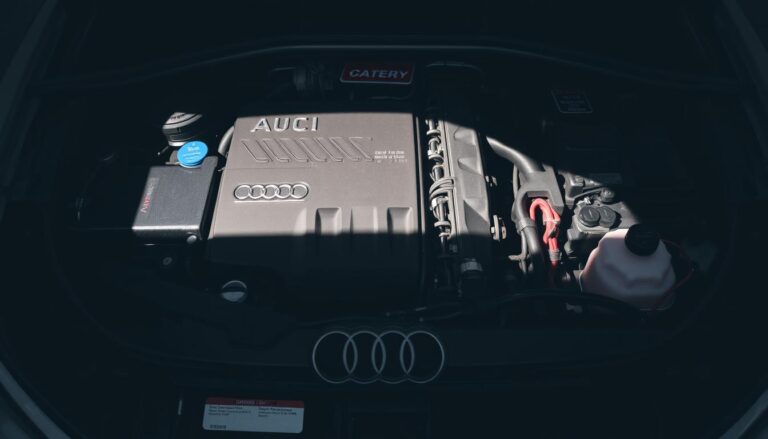
The Audi A4 has long been celebrated for its refined driving experience, upscale interior, and German engineering. However, not all model years deliver the reliability that luxury car buyers expect. Some Audi A4 years to avoid have earned a reputation for persistent problems that can turn your dream car into a financial nightmare.
Whether you’re shopping for your first luxury sedan or adding to your collection, knowing which Audi A4 model years have recurring issues can save you thousands in unexpected repairs. This guide identifies the most problematic years, explains their common issues, and recommends better alternatives that deliver the Audi experience without the headaches.
Audi A4 Generations: A Quick Overview
Before diving into specific problematic years, it’s helpful to understand the Audi A4’s generational timeline:
| Generation | Years | Code Name | Key Features |
| 1st Generation | 1996-2001 | B5 | First A4 model, replaced Audi 80, introduced Quattro AWD system |
| 2nd Generation | 2002-2005 | B6 | New platform, improved safety, CVT transmission option |
| 3rd Generation | 2006-2008 | B7 | Facelift of B6, sportier styling, improved performance |
| 4th Generation | 2009-2016 | B8 | Complete redesign, new MMI system, improved fuel economy |
| 5th Generation | 2017-Present | B9 | Lighter weight, advanced tech features, virtual cockpit |
While each generation brought improvements, certain model years within these generations have proven more problematic than others. Let’s examine which Audi A4 years to avoid and why.
Worst Audi A4 Years to Avoid
Based on data from the National Highway Traffic Safety Administration (NHTSA), Consumer Reports reliability ratings, and owner feedback, these are the Audi A4 model years with the most significant issues:

2009-2012 Audi A4 (Early B8 Generation)
The early years of the fourth-generation Audi A4 are widely considered the worst in the model’s history, with 2011 often cited as the most problematic year.
Common Problems in 2009-2012 Models
- Excessive oil consumption – Many owners report having to add a quart of oil every 1,000 miles
- Timing chain tensioner failures – Can lead to catastrophic engine damage when they fail
- Premature carbon buildup – Affects direct-injection engines, causing power loss and rough idling
- High-pressure fuel pump failures – Results in stalling, hesitation, and poor acceleration
- Faulty PCV valve – Leads to oil leaks and increased oil consumption
The 2011 model year is particularly notorious, with the highest number of engine-related complaints. Many owners reported complete engine failure around 60,000 miles, with repair costs often exceeding $4,000.
2006-2008 Audi A4 (B7 Generation)
The third-generation Audi A4 (B7) also has several issues that make these model years worth avoiding, particularly the 2007 model.

Common Problems in 2006-2008 Models
- Oil leaks from valve cover gaskets – Often seep into spark plug tubes
- Faulty ignition coils – Cause engine misfires and poor performance
- Airbag system issues – Multiple recalls for airbag problems
- Failing catalytic converters – Expensive to replace at $1,500-$2,000
- Air conditioning system failures – Common after several years of ownership
The 2007 model year had five separate airbag-related recalls, making it particularly concerning from a safety perspective. Repair costs for these models are also high, with annual maintenance averaging $875-$1,750 according to owner surveys.
2002-2005 Audi A4 (B6 Generation)
The second-generation Audi A4 had its share of problems, particularly in the early years of this generation.
Common Problems in 2002-2005 Models
- CVT transmission failures – Particularly in 2002-2004 models
- Engine sludge buildup – Especially in the 2004 model
- Electrical system issues – Including instrument cluster failures
- Fuel pump failures – Can cause sudden engine stalling
- Water leaks – From clogged sunroof drains, causing electrical problems
The 2003 model year is often cited as the most problematic of this generation, with transmission control module glitches in CVT-equipped vehicles creating a less-than-smooth driving experience and reliability issues.
Considering a Used Audi A4?
Before purchasing any used Audi A4, especially from the problematic years listed above, get a comprehensive pre-purchase inspection from an Audi specialist. They can identify potential issues before they become expensive problems.
Why You Should Avoid These Audi A4 Model Years

High Repair Costs
Luxury vehicles like the Audi A4 already have higher-than-average maintenance costs, but the problematic years we’ve identified take this to another level. According to owner surveys, the worst Audi A4 years can cost between $1,000-$1,750 annually in repairs, compared to $500-$750 for more reliable model years.
Safety Concerns
Several of the problematic years, particularly the 2006-2008 models, have multiple safety recalls related to airbag systems. While recalls can be addressed at no cost to the owner, they indicate underlying design or manufacturing issues that may affect other vehicle systems.

Reliability Data
According to reliability data from Consumer Reports and NHTSA complaints, the problematic Audi A4 years we’ve identified score significantly lower than average. For example, the 2011 model scores just 1 out of 10 for reliability in multiple owner surveys, while better years score 6-9 out of 10.
Declining Resale Value
The problematic Audi A4 years typically experience steeper depreciation due to their known issues. This means not only will you face higher repair costs, but you’ll also lose more money when it’s time to sell or trade in your vehicle.
“The cost of ownership for problematic Audi A4 years can be two to three times higher than for reliable model years when factoring in both repairs and accelerated depreciation.”
Better Audi A4 Alternatives: Years to Consider
Not all Audi A4 model years are problematic. If you’re set on owning this luxury sedan, these are the years that offer the best reliability and value:

2017-2018 Audi A4 (Early B9 Generation)
The fifth-generation Audi A4 addressed many of the issues that plagued earlier models, with the 2017 and 2018 model years earning high marks for reliability.
Advantages of 2017-2018 Models
- Improved engine reliability – Fewer reports of oil consumption issues
- Advanced safety features – Scored 4.6/5 in NHTSA safety ratings
- Lower maintenance costs – Average of $417-$750 annually
- Modern technology – Including Audi’s Virtual Cockpit
- Better fuel economy – Averaging 28 MPG combined
The 2018 model is particularly noteworthy, with an impressive FIXD Reliability Score of 9/10 and an Owner Reliability Score of 10/10 in multiple surveys.
2015-2016 Audi A4 (Late B8 Generation)
If you’re looking for a more affordable option, the late B8 generation models (2015-2016) offer good reliability at a lower price point.

Advantages of 2015-2016 Models
- Resolved earlier B8 issues – Oil consumption problems largely addressed
- Excellent safety ratings – 4.8/5 NHTSA safety score
- Reasonable maintenance costs – $250-$500 annually
- Refined driving experience – Comfortable yet sporty handling
- Good value proposition – Lower purchase price than B9 generation
The 2015 model year earned a FIXD Reliability Score of 8/10, making it one of the most reliable years in the B8 generation.
2010 Audi A4 (Mid B8 Generation)
If your budget is more limited, the 2010 Audi A4 stands out as a relatively reliable option among the earlier B8 models.
Advantages of 2010 Model
- Perfect safety score – 5/5 NHTSA safety rating
- Lower maintenance costs – Average of $250 annually
- Above-average reliability – FIXD Reliability Score of 6/10
- Affordable purchase price – Average market value under $5,000
- Decent fuel economy – 24 MPG combined
While the 2010 model does have some common issues, including potential turbocharger problems and catalytic converter failures, it’s generally more reliable than the surrounding model years in the B8 generation.
Essential Tips for Buying a Used Audi A4

Check the Service History
A complete service history is crucial when buying any used luxury vehicle, especially an Audi A4. Look for regular oil changes, timing belt replacements (if applicable), and evidence that recalls were addressed promptly.
Verify Oil Consumption
For models prone to oil consumption issues (particularly 2009-2012), ask the seller how frequently oil needs to be added between changes. Consider performing an oil consumption test during your test drive period if possible.
Look for Engine Warning Signs
During your test drive, watch for warning lights, unusual engine noises, hesitation during acceleration, or rough idling. These could indicate expensive problems with the engine or fuel system.
Check for Recall Compliance
Use the VIN to verify that all safety recalls have been addressed. This is particularly important for 2006-2008 models with multiple airbag recalls.
Get a Pre-Purchase Inspection
Always have a used Audi A4 inspected by an Audi specialist or a mechanic familiar with German luxury vehicles before purchase. The $100-$200 cost could save you thousands in unexpected repairs.

Consider a Certified Pre-Owned (CPO) Vehicle
Audi’s Certified Pre-Owned program includes a comprehensive inspection and extended warranty coverage. While CPO vehicles cost more upfront, they offer greater peace of mind, especially for models with known issues.
Research the Specific Engine
Different engine options within the same model year can have varying reliability. For example, the 2.0T engine in certain years is more prone to oil consumption than other engine options.
Check the Vehicle History Before You Buy
A comprehensive vehicle history report can reveal accidents, title problems, service records, and more. This is essential when buying any used vehicle, especially an Audi A4 from potentially problematic years.
Fuel Economy Comparison Across Audi A4 Generations
Fuel economy is an important consideration when purchasing any vehicle. Here’s how different Audi A4 generations compare:
| Generation | Model Years | City MPG | Highway MPG | Combined MPG |
| 1st Gen (B5) | 1996-2001 | 20 | 29 | 23 |
| 2nd Gen (B6) | 2002-2005 | 20 | 29 | 23 |
| 3rd Gen (B7) | 2006-2008 | 21 | 30 | 24 |
| 4th Gen (B8) | 2009-2016 | 22-24 | 31-32 | 25-26 |
| 5th Gen (B9) | 2017-Present | 24-27 | 34-37 | 28-31 |
As expected, fuel economy has improved with each generation, with the latest B9 models offering the best efficiency. However, it’s worth noting that problematic model years may not achieve their rated fuel economy due to engine issues like carbon buildup or fuel system problems.

Most Common Audi A4 Problems Across All Years
While we’ve highlighted specific problematic years, certain issues tend to appear across multiple Audi A4 generations. Being aware of these common problems can help you make a more informed purchase decision:

1. Excessive Oil Consumption
This is perhaps the most notorious issue across multiple Audi A4 generations, particularly affecting 2009-2012 models. The problem stems from piston ring design issues that allow oil to enter the combustion chamber and burn off. Symptoms include the need to add oil between changes and, in severe cases, engine damage from low oil levels.
2. Timing Chain Tensioner Failures
Particularly common in 2009-2012 models, timing chain tensioner failures can lead to catastrophic engine damage. The tensioner can suddenly fail, causing the timing chain to jump or break, resulting in valves hitting pistons and requiring a complete engine rebuild.
3. Carbon Buildup
Direct injection engines (found in most A4s since 2006) are prone to carbon buildup on intake valves. This occurs because fuel no longer washes over the valves to keep them clean. Symptoms include rough idling, hesitation, and reduced power. Professional cleaning is required every 40,000-60,000 miles.
4. Water Pump Failures
Plastic impellers in Audi water pumps can deteriorate over time, leading to coolant leaks and potential overheating. This issue affects various model years and typically occurs between 60,000-90,000 miles.
5. Electrical System Issues
Various electrical problems plague different A4 generations, from failed window regulators to malfunctioning instrument clusters. Water leaks from clogged sunroof drains can exacerbate these issues by damaging electrical components.
Conclusion: Making an Informed Audi A4 Purchase
The Audi A4 can be an excellent luxury sedan when you choose the right model year. By avoiding the most problematic years (2009-2012, 2006-2008, and 2002-2005) and focusing on more reliable options (2017-2018, 2015-2016, or 2010), you can enjoy the Audi experience without excessive repair costs.
Remember that even the best Audi A4 years require more maintenance than mainstream vehicles. Budget accordingly for premium fuel, synthetic oil changes, and specialized service. With proper research and due diligence during the buying process, you can find an Audi A4 that delivers the perfect balance of luxury, performance, and reliability.

Ready to Find Your Perfect Audi A4?
Now that you know which Audi A4 years to avoid and which to seek out, take the next step toward finding your ideal luxury sedan. Get personalized recommendations based on your budget and preferences.
Frequently Asked Questions About Audi A4 Reliability
What year Audi A4 is most reliable?
The 2017-2018 Audi A4 models from the B9 generation are widely considered the most reliable, with excellent safety ratings and lower maintenance costs. The 2015-2016 models from the late B8 generation also offer good reliability at a lower price point.
How long do Audi A4 engines last?
With proper maintenance, Audi A4 engines from reliable model years can last 150,000-200,000 miles. However, problematic years (especially 2009-2012) may experience engine issues much earlier, sometimes as early as 60,000 miles. Regular oil changes using the manufacturer-recommended synthetic oil are crucial for longevity.
Is the Audi A4 expensive to maintain?
Yes, the Audi A4 is more expensive to maintain than mainstream vehicles. Annual maintenance costs range from $250-$750 for reliable model years and can exceed $1,000-$1,750 for problematic years. Parts and labor at dealerships are particularly expensive, though independent Audi specialists may offer more reasonable rates.
What are the alternatives to the Audi A4?
If you’re concerned about Audi A4 reliability, consider these alternatives: the Lexus IS (more reliable but less sporty), BMW 3-Series (similar driving dynamics but can also have maintenance issues), Mercedes-Benz C-Class (more comfort-oriented), or Volvo S60 (excellent safety features). Each offers a different balance of luxury, performance, and reliability.
Is buying a used Audi A4 a good idea?
Buying a used Audi A4 can be a good idea if you choose a reliable model year, verify the service history, and get a pre-purchase inspection. Certified Pre-Owned (CPO) models offer additional peace of mind with extended warranty coverage. However, be prepared for higher maintenance costs than mainstream vehicles, regardless of which model year you choose.
What are the alternatives to the Audi A4?
If you’re concerned about Audi A4 reliability, consider these alternatives: the Lexus IS (more reliable but less sporty), BMW 3-Series (similar driving dynamics but can also have maintenance issues), Mercedes-Benz C-Class (more comfort-oriented), or Volvo S60 (excellent safety features). Each offers a different balance of luxury, performance, and reliability.
Is buying a used Audi A4 a good idea?
Buying a used Audi A4 can be a good idea if you choose a reliable model year, verify the service history, and get a pre-purchase inspection. Certified Pre-Owned (CPO) models offer additional peace of mind with extended warranty coverage. However, be prepared for higher maintenance costs than mainstream vehicles, regardless of which model year you choose.