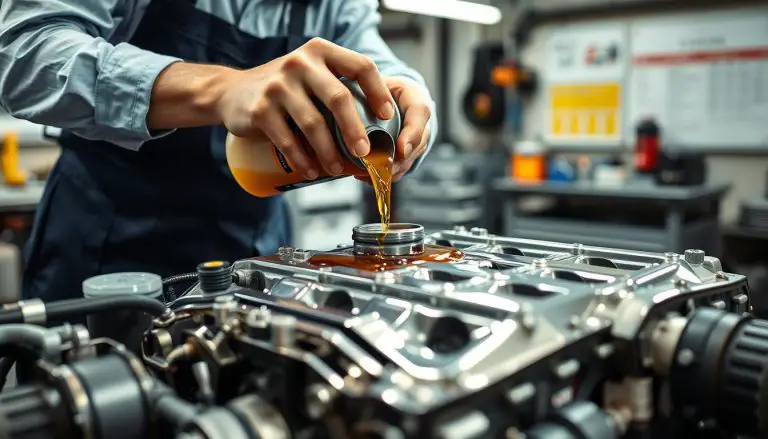
Ensuring the engine performance remains at peak levels is paramount for the longevity and efficiency of any vehicle. Excessive smoke emission is a common issue that can impede engine performance. Oil additives emerge as a crucial factor in mitigating smoke and enhancing engine health.
Opting for the correct engine stop smoke additive can markedly improve engine performance by curtailing smoke emission and averting oil leakage. This article delves into the significance of these additives, offering expert insights into the most superior products available.
Key Takeaways
- Understanding the role of engine stop smoke additives in maintaining engine performance.
- Expert recommendations for the best engine stop smoke additives.
- The benefits of using oil additives for reducing smoke emission.
- How to choose the right engine stop smoke additive for your vehicle.
- The impact of engine stop smoke additives on overall engine health.
Understanding Engine Smoke Problems and Their Causes
Engine smoke issues pose a considerable challenge for vehicle proprietors, signaling potential malfunctions that necessitate prompt attention. The emergence of smoke is a cause for concern, necessitating a thorough comprehension of its origins to devise an effective remedial strategy.
Common Types of Engine Smoke
Engine smoke manifests in various hues, each indicative of a distinct problem. Blue smoke typically signals oil combustion within the engine, whereas white smoke often points to coolant leakage. Black smoke, conversely, is a hallmark of excessive fuel combustion.
Why Engines Develop Smoking Issues
Engines succumb to smoking issues due to a multitude of factors, including worn piston rings, damaged cylinder walls, or faulty valve stem seals. For a detailed exploration of diagnosing blue smoke, refer to this resource.
When to Consider Using a Stop Smoke Additive
In cases where engine smoke is present, the application of a stop smoke additive might offer a temporary reprieve. Yet, it is paramount to first ascertain the underlying cause. An astute observer notes, “Employing a stop smoke additive without first identifying the root cause is akin to treating symptoms without addressing the underlying disease.”

How Engine Stop Smoke Additives Work
Grasping the mechanism behind engine stop smoke additives is imperative for assessing their efficacy. These formulations are crafted to mitigate the problem of excessive smoke from a vehicle’s engine, indicative of potential mechanical malfunctions.
The Science Behind Smoke Reduction
The underlying science of smoke reduction revolves around the additives’ capacity to condition engine seals and gaskets. This action diminishes oil leakage into the combustion chamber, thus curbing smoke production.

Types of Engine Stop Smoke Additives
Diverse types of engine stop smoke additives exist, tailored for various engine configurations, such as gasoline or diesel. The selection of an additive hinges on the vehicle’s specifications and the nature of the smoke problem.
Realistic Expectations from These Products
Though engine stop smoke additives can be beneficial, it is crucial to maintain realistic expectations. For a comprehensive exploration of black smoke from exhaust, refer to AutoNation Mobile Service. These products might not rectify fundamental mechanical issues but can significantly reduce smoke emissions.
Best Engine Stop Smoke Additive: Expert Picks for Effective Results
Expert insights are crucial in identifying the top engine stop smoke additives available in the market. Engine smoke can be a significant concern for vehicle owners, potentially leading to more severe engine problems if not addressed. This section reviews some of the best engine stop smoke additives, providing an in-depth analysis of their features, benefits, and potential drawbacks.
Liqui Moly Oil Smoke Stop
Overview
Liqui Moly Oil Smoke Stop is a highly-regarded additive designed to reduce oil consumption and smoke emissions. It conditions seals and gaskets, minimizing oil leakage into the combustion chamber.
Pros
- Effective in reducing smoke: Users have reported a significant decrease in smoke emissions after using Liqui Moly Oil Smoke Stop.
- Seal conditioning: The additive rejuvenates seals and gaskets, reducing oil leakage.
- Compatibility: It is compatible with various engine types and oil formulations.
Cons
- Potential for compatibility issues: Some users have reported issues when used with certain engine or oil types.
- Cost: It may be pricier than some other additives on the market.
Features
Liqui Moly Oil Smoke Stop is designed with a unique formula that not only reduces smoke but also conditions engine seals.
Recommendations
We recommend Liqui Moly Oil Smoke Stop for vehicle owners experiencing significant smoke issues due to oil consumption. It’s beneficial for those looking to condition engine seals and gaskets.
Bar’s Leaks Engine Oil Stop Leak
Overview
Bar’s Leaks Engine Oil Stop Leak is another popular choice among vehicle owners. It is designed to stop leaks and reduce oil consumption, thus minimizing smoke emissions.
Pros
- Effective leak repair: It is known for its ability to repair leaks and reduce oil consumption.
- Easy to use: The product is straightforward to apply, making it user-friendly.
Cons
- Potential for engine sludge: Some users have reported concerns regarding the potential for engine sludge formation.
- Not suitable for all engines: It may not be compatible with certain engine types or oil formulations.
Features
Bar’s Leaks Engine Oil Stop Leak is formulated to repair leaks and condition seals, reducing oil consumption and smoke.
Recommendations
We recommend Bar’s Leaks Engine Oil Stop Leak for those experiencing oil leaks and subsequent smoke issues. Users should ensure compatibility with their engine type.
Lucas Oil Stop Smoke
Overview
Lucas Oil Stop Smoke is a well-known additive that aims to reduce smoke emissions by minimizing oil consumption. It is designed to work with various engine and oil types.
Pros
- Smoke reduction: It is effective in reducing smoke emissions.
- Compatibility: Compatible with a range of engine and oil types.
Cons
- Variable results: Some users have reported variable effectiveness.
- Potential for engine compatibility issues: As with any additive, there’s a risk of compatibility issues with certain engines.
Features
Lucas Oil Stop Smoke is designed to reduce oil consumption and smoke emissions, making it a viable option for those struggling with these issues.
Recommendations
Lucas Oil Stop Smoke is recommended for vehicle owners seeking to reduce smoke emissions. It’s suitable for those with various engine types.
STP Oil Treatment Smoke Treatment
Overview
STP Oil Treatment Smoke Treatment is designed to tackle smoke emissions by addressing the root causes, such as oil consumption and engine wear.
Pros
- Comprehensive approach: It not only reduces smoke but also conditions engine components.
- Easy application: Users find it easy to apply.
Cons
- Potential for compatibility issues: As with other additives, there’s a risk of compatibility issues.
- Cost: It may be more expensive than some alternatives.
Features
STP Oil Treatment Smoke Treatment offers a comprehensive solution by reducing smoke and conditioning engine components.
Recommendations
We recommend STP Oil Treatment Smoke Treatment for vehicle owners looking for a comprehensive solution to smoke emissions and engine health.
BlueDevil Oil Stop Leak
Overview
BlueDevil Oil Stop Leak is designed to stop oil leaks, thus reducing smoke emissions. It is known for its effectiveness in leak repair.
Pros
- Effective leak repair: It is highly effective in stopping oil leaks.
- Long-term benefits: Users have reported long-term reductions in oil consumption and smoke.
Cons
- Potential for engine compatibility issues: There’s a risk of compatibility issues with certain engine types.
- Limited availability: It may not be as widely available as some other additives.
Features
BlueDevil Oil Stop Leak is formulated to effectively stop oil leaks, reducing smoke emissions and oil consumption.
Recommendations
We recommend BlueDevil Oil Stop Leak for vehicle owners experiencing oil leaks and subsequent smoke issues. It’s beneficial for those seeking a long-term solution.
Top-Performing Additives for Different Engine Types
The task of selecting an appropriate engine stop smoke additive appears daunting at first glance. Yet, a thorough understanding of the most suitable options for your engine type can streamline this process. Each engine type possesses distinct requirements for optimal performance and smoke reduction.
Best for Gasoline Engines
Gasoline engines benefit from Liqui Moly Oil Smoke Stop, a highly recommended additive. It is engineered to diminish blue smoke emissions, aligning with the needs of most gasoline engine configurations. This formulation enhances seal and gasket conditionality, thus curbing oil consumption.
Best for Diesel Engines
Diesel engines, on the other hand, are best served by Lucas Oil Stop Smoke. This product is meticulously formulated to address the unique challenges faced by diesel engines, including excessive oil consumption and smoke. It plays a pivotal role in preserving engine health and curtailing emissions.
Best for High-Mileage Vehicles
High-mileage vehicles can greatly benefit from BlueDevil Oil Stop Leak. This additive not only diminishes smoke but also fortifies engine seals, enhancing overall performance and reducing oil consumption.
Best for Vintage Cars
Vintage car aficionados will find Bar’s Leaks Engine Oil Stop Leak to be an ideal choice. This additive is meticulously crafted to be gentle on the delicate components of older engines while effectively reducing smoke and oil leaks. It aids in preserving the vehicle’s original performance.
Opting for the right additive tailored to your engine type can markedly enhance your vehicle’s performance and diminish unwanted smoke emissions.
Application Guide: How to Use Engine Stop Smoke Additives Correctly
The application of engine stop smoke additives necessitates a precise methodology to effectively mitigate engine smoke issues. A comprehensive understanding of the appropriate application procedure is paramount for optimal outcomes.
Step-by-Step Application Process
To ensure the efficacious utilization of engine stop smoke additives, adhere to the following protocol:
- Ensure your engine is turned off and cool.
- Locate the oil filler cap or designated additive port.
- Pour the recommended dosage of the additive into the engine.
- Replace the cap and start the engine, letting it run for a few minutes.
Dosage Considerations
The dosage requisite varies significantly based on the product formulation and engine type. It is imperative to consult the product label for precise dosage instructions. Utilizing insufficient quantities may fail to resolve the issue, whereas excessive application can potentially jeopardize engine integrity.
Timing and Frequency of Use
The optimal timing and frequency for the application of engine stop smoke additives are contingent upon the product specifications and the severity of the smoke problem. Some formulations are intended for singular use, whereas others may necessitate repeated applications.
Safety Precautions
When engaging with engine stop smoke additives, wear protective gloves and eyewear to mitigate the risk of skin and eye irritation. It is crucial to ensure the workspace is adequately ventilated to prevent inhalation of fumes.
Potential Side Effects and Considerations
The exploration of the potential side effects of engine stop smoke additives is paramount for their safe and efficacious application. These products, while capable of significantly diminishing engine smoke, exert a complex influence on engine health.
Impact on Engine Components
Engine stop smoke additives exert disparate effects on various engine components. Liqui Moly Oil Smoke Stop, for example, is engineered to be compatible with a broad spectrum of engine parts. Yet, it is imperative to scrutinize the product’s specifications to ascertain its compatibility with your vehicle’s engine components.
Compatibility with Different Oil Types
The compatibility of engine stop smoke additives with diverse oil types constitutes a critical consideration. Some additives are formulated for use with synthetic oils, whereas others are compatible with conventional oils. Always check the product label for explicit instructions regarding oil type compatibility.
Effects on Warranty and Maintenance Schedules
The utilization of engine stop smoke additives may potentially influence your vehicle’s warranty and maintenance schedules. It is advisable to consult your vehicle’s manufacturer guidelines prior to the application of any additive. Certain manufacturers may proffer specific recommendations or impose restrictions on the employment of such products.
“Using the wrong additive can void your warranty or cause engine damage. Always follow the manufacturer’s instructions.”
By being cognizant of these potential side effects and considerations, one can make informed decisions regarding the application of engine stop smoke additives. This ensures their effective and safe utilization.
When to Seek Professional Help Instead of Using Additives
Engine stop smoke additives, while effective in some cases, are not always the optimal solution. Certain engine smoke problems may indicate more complex issues that necessitate professional mechanical intervention.
Warning Signs of Serious Engine Problems
Certain symptoms suggest that an engine issue may be more profound than what additives can rectify. These include:
- Persistent or increasing smoke
- Unusual noises or vibrations
- Decreased engine performance
- Dashboard warning lights
Should you encounter any of these indicators, immediate consultation with a professional mechanic is imperative.
Cost Comparison: Additives vs. Mechanical Repairs
Additives, though seemingly economical, may not tackle the fundamental cause of the problem. In contrast, mechanical repairs, though initially more costly, offer a more sustainable solution. For example, an additive might cost between $20 to $50, whereas addressing a faulty component can range from $100 to $1000 or more, contingent upon the nature of the issue.
Long-term Considerations for Engine Health
Dependence on additives can merely conceal symptoms without resolving the underlying issues, potentially leading to more severe problems and expensive repairs in the future. Opting for professional assistance ensures that the root cause is addressed, thus preserving engine health and averting future complications.
Conclusion
The selection of an engine stop smoke additive is paramount for the enhancement of your vehicle’s performance and longevity. A myriad of additives exists, each offering distinct advantages and tailored applications. It is imperative to align the additive with your engine’s specifications and requirements, as underscored by industry experts.
Products such as Liqui Moly Oil Smoke Stop, Bar’s Leaks Engine Oil Stop Leak, and Lucas Oil Stop Smoke have garnered acclaim for their efficacy in mitigating engine smoke. A comprehensive understanding of the underlying causes of engine smoke and the mechanisms of these additives is essential for a judicious selection.
Adopting the counsel of experts and selecting an additive commensurate with your engine’s needs can significantly bolster its efficiency, diminish emissions, and potentially avert the necessity for expensive repairs. The synergy of regular maintenance and the judicious application of an additive can guarantee the seamless operation of your engine.
In summation, the judicious choice of an engine stop smoke additive is a critical component in the preservation of your vehicle’s integrity. By heeding the advice of industry stalwarts and meticulously considering the specificities of your engine, you can make a decision that not only augments your vehicle’s performance but also extends its operational lifespan.
FAQ
What is an engine stop smoke additive?
Engine stop smoke additives are formulated to diminish or eradicate smoke emanations from a vehicle’s engine. They are commonly employed to mitigate oil consumption or engine wear-related issues.
How do engine stop smoke additives work?
Engine stop smoke additives function by conditioning engine seals, thus reducing oil consumption. They also minimize the combustion of oil, leading to a decrease in smoke emissions.
Are engine stop smoke additives safe to use?
Engine stop smoke additives, when applied as directed, are generally deemed safe. It is imperative, though, to adhere strictly to the manufacturer’s guidelines and ensure compatibility with your vehicle’s engine and oil type.
Can engine stop smoke additives damage my engine?
Engine stop smoke additives, when employed correctly, pose no inherent risk to engines. Misapplication or excessive use, on the other hand, can potentially lead to complications such as clogging engine components or detrimental effects on engine performance.
How long does it take for engine stop smoke additives to work?
The efficacy and duration for engine stop smoke additives to manifest can vary. It hinges on the product’s formulation, the severity of the issue, and the vehicle’s condition. Some additives may exhibit results immediately, whereas others necessitate repeated applications.
Can I use engine stop smoke additives in both gasoline and diesel engines?
Certain engine stop smoke additives are formulated for use in both gasoline and diesel engines, while others are specific to one type. It is imperative to verify the product’s specifications and recommendations prior to application.
Will using engine stop smoke additives void my vehicle’s warranty?
The potential impact of engine stop smoke additives on a vehicle’s warranty is contingent upon the manufacturer’s policies and the specific product in question. It is crucial to scrutinize your warranty terms and seek counsel from the vehicle’s manufacturer or dealer if ambiguity exists.
Are there any alternatives to engine stop smoke additives?
Beyond engine stop smoke additives, alternatives include mechanical interventions such as replacing worn engine components. Another option is the utilization of engine oils formulated to reduce smoke emissions.
Can engine stop smoke additives be used in high-mileage or vintage vehicles?
Yes, there exist engine stop smoke additives tailored for high-mileage or vintage vehicles. These products are designed to address common afflictions of aging engines, including oil consumption and smoke emissions.