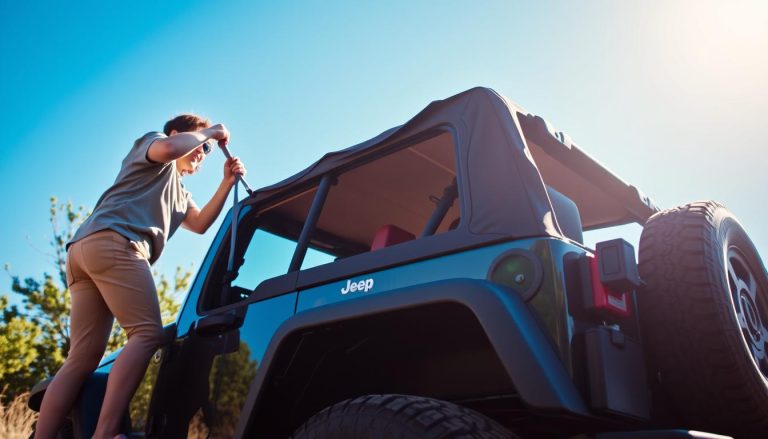
Installing running boards is an easy upgrade that improves daily comfort and adds bold styling to your Jeep. Many owners choose side steps after a lift or larger tires because they reduce step-up height and add a non-slip surface.
This guide explains what “best running boards for Jeep Wrangler” means to real drivers: a balance of daily comfort, trail-ready strength, and a look that suits the build. We clarify common terms—running boards, side steps, and nerf bars—so you can compare practical differences, not just looks.
Expect top picks organized by use case: daily driving, heavy off-road, budget builds, lifted access, and power steps. You’ll also get fitment and installation guidance tied to common US upgrades like lift kits and oversized tires.
Evaluation focuses on step surface traction, construction strength, ground clearance, corrosion resistance, brand reputation, and total cost of ownership. That way you can choose the right product category, then narrow to trusted brands and realistic pricing.
Key Takeaways
- Running boards and side steps make entry safer and easier—especially after a lift.
- Terminology matters: compare function (traction, clearance) not just looks.
- We list picks by use case to match daily or off-road needs.
- Fitment, installation, and corrosion resistance are key purchase factors.
- This guide helps you pick a product category, then a trusted brand with realistic pricing.
Why Running Boards and Side Steps Matter on a Jeep Wrangler
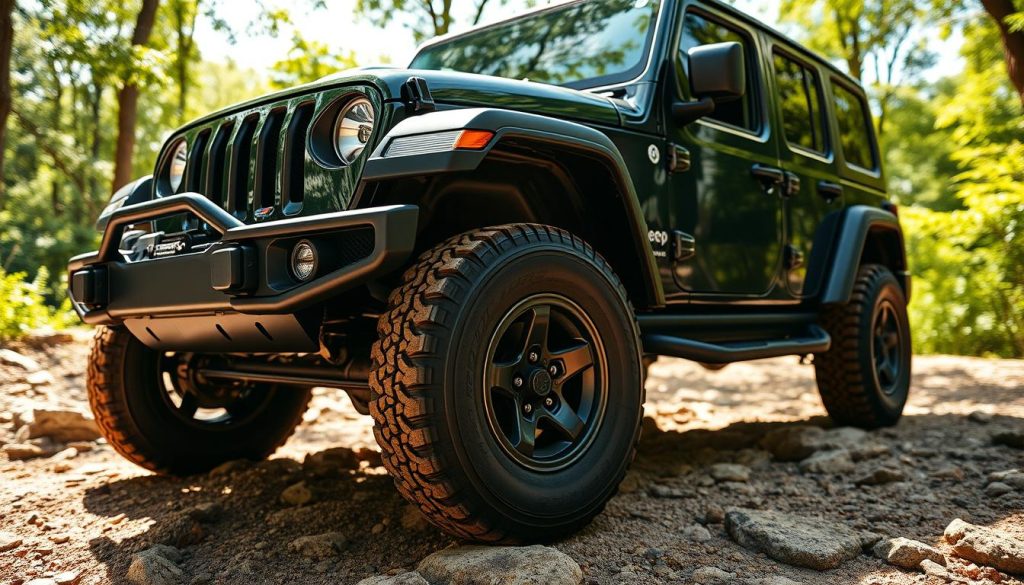
Lifts and big tires change how you get into a Jeep, and well-placed steps fix that problem. A properly positioned step can reduce the step-up by over a foot, restoring day-to-day usability after a lift kit or larger tires.
Fixing tall ride height
Fixing tall ride height after lifts and oversized tires
When tire diameter and lift height increase, the effective ride height rises and the original door sill becomes harder to reach. A drop step placed under the door lowers the access point and makes entry safe for all passengers.
Safer entry with slip-resistant step surfaces in any weather
Slip-resistant step pads or punched tread cut wet-boot risk in rain, snow, and mud. Textured surfaces are essential for daily drivers and families.
Extra protection from rocks, road debris, dirt, and side impacts
Side steps add an extra barrier against rocks and ruts that hit rocker panels. They also block dirt spray and minor impacts from wider tires on rough roads.
Style upgrade: sleek, rugged, and aggressive looks that change your Jeep’s appearance
Beyond function, steps refine the vehicle’s look. Choose low-profile rails for street builds or heavy hoop steps for a more aggressive stance on trail rigs.
| Benefit | How it helps | When to prioritize |
|---|---|---|
| Lower entry | Reduces step-up height after lift kits | Lifted models or larger tires |
| Slip resistance | Textured pads prevent falls in wet conditions | Daily drivers and family use |
| Side protection | Shields rocker panels from rocks and road debris | Frequent off-road or wide-tire setups |
- Function-first: access, traction, protection. These needs map to different step styles and price tiers.
- Next, we match use cases to specific product types so you can choose what fits your driving mix.
Best Running Boards for Jeep Wrangler: Top Picks for Ultimate Style & Durability
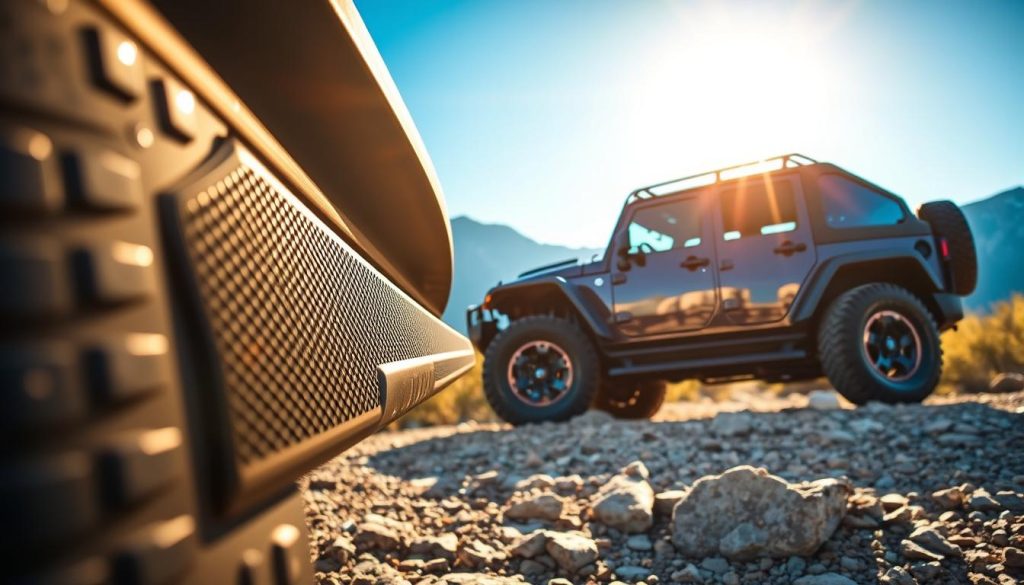
Choose a step setup that matches how you drive—commute, trail, lift, or a mix of all three. Below are clear category picks and what each optimizes so you can self-select by use case.
Best overall for daily driving and weekend trails
What it optimizes: balanced width, reliable traction, and good clearance.
Look for a running board with wide step pads and secure mounts that still clear rocks. This blend keeps everyday comfort without sacrificing light off-road use.
Heavy-duty option for off-road protection and rock impacts
What it optimizes: frame-mounted strength and impact resistance.
Choose tube or plate designs with reinforced brackets and welds. These features signal better rock-impact protection and long-term survival on rough trails.
Budget-friendly side step set for value builds
What it optimizes: solid mounting points, consistent welds, and decent coatings at a low price.
Value means good step pads and corrosion resistance without premium extras. That keeps cost down while protecting rocker areas.
For lifted Wranglers needing easier entry
What it optimizes: drop steps or hoops that lower the climb and add confidence for shorter passengers.
These steps place a lower foothold and work well with larger tires, reducing the effective climb after a lift.
Power running boards for a clean tucked look
What it optimizes: hidden profile with automatic extend/retract action.
Power steps give a sleek look when doors close but add moving parts and a more complex install. They trade simplicity for convenience.
- Price anchor: Nerf-style kits like N-FAB Wheel-to-Wheel Nerf-Steps retail near $479.99 plus small oversized fees; use that to judge whether a listing is reputable or suspiciously cheap.
- Buying tip: match step design to your daily mix—commute-first, trail-first, lift-specific, or a hybrid setup.
For more styling ideas and wheel/step pairing, see this example of complementary upgrades at white Jeep with bronze wheels.
Top Styles of Jeep Wrangler Running Boards and Side Steps
Choosing the right step type means matching form to function. Different designs trade step area, protection, and ground clearance. Below is a quick run-through to help pick the style that fits your use.
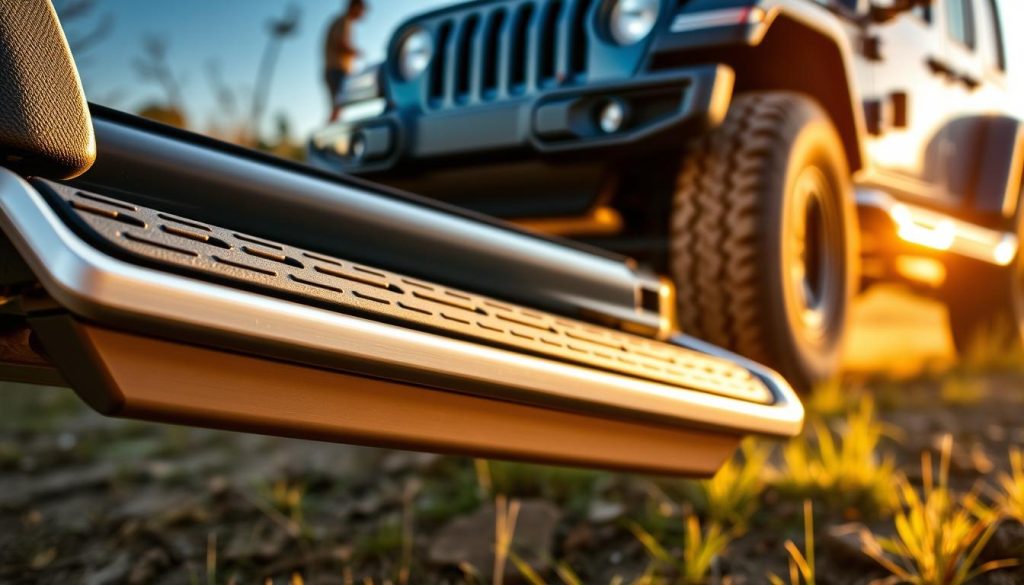
Tubular side steps for a sporty, simple look
Tubular side steps are a lightweight, sporty choice. They give a clear foothold and suit daily driving and mild trails.
Good when: you want a clean look and easy entry without heavy rock protection.
Drop steps and hoop steps for lower access on lifted models
Drop steps and hoops hang lower to reduce the first climb. They are ideal for lifted rigs and shorter passengers.
Good when: decreased step height is a priority after a lift or larger tires.
Nerf bars vs running boards: step area, coverage, and trail clearance trade-offs
Nerf bars offer smaller step area but less visual bulk and better trail clearance. Full-length boards give more steady foot placement and cover more of the rocker area.
Trade-off: more coverage usually means less clearance; choose by how often you hit rough terrain.
Flip-up and tuck-away designs for off-road clearance
Flip-up and tuck-away steps fold or retract to avoid snags on the trail. They let you keep a usable step on the street and stow it when off-road.
Note: moving parts add complexity but reduce the chance of ripping a step off on obstacles.
Power steps that extend on door open and retract when closed
Power steps provide a clean profile when retracted and extend automatically with the door. They are a premium convenience option.
Caveat: expect higher cost and a more involved install compared to fixed designs.
| Type | Step Area | Clearance | Best Use |
|---|---|---|---|
| Tubular Side Steps | Moderate | High | Street use, light off-road |
| Drop / Hoop Steps | Small–Moderate | Lower clearance | Lifted vehicles, easier entry |
| Nerf Bars | Small | Better clearance | Style + light protection |
| Full-length Boards | Large | Reduced clearance | Family use, steady footing |
| Flip-up / Tuck-away / Power | Variable | Retractable (best) | Mixed street/trail use |
Materials, Construction, and Finishes That Hold Up in the Real World
How a step is built matters more than its photos. Steel grade, weld quality, and mounting details set real-world longevity. These factors decide flex, corrosion resistance, and whether components survive repeated hits and vibration.
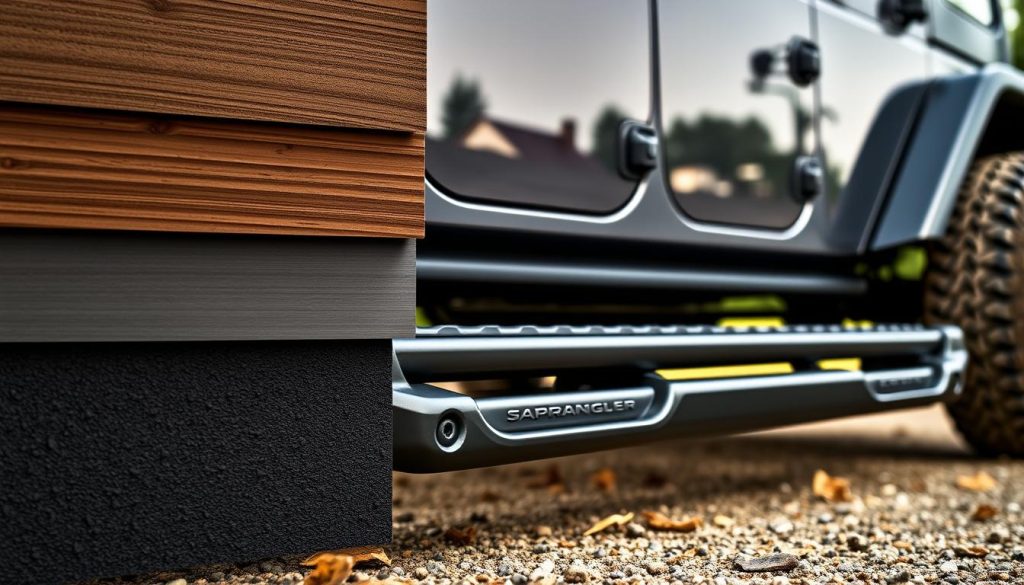
Heavy welded tubular vs solid plate construction
Welded tubular construction is lighter and can absorb impacts without cracking. Solid plate designs add rigidity and resist bending under load.
Choice depends on use: tubes trade weight for toughness; plates trade weight for stiffness and armor-like protection.
Step pads and traction checklist
Look for aggressive texture, drainage channels, and replaceable pads. A proper slip-resistant step surface performs in mud, snow, and wet soles.
- Aggressive tread pattern
- Drainage or cutouts to shed mud
- Replaceable pads for long-term maintenance
Finishes and corrosion resistance
Matte black powder coat is common, but quality varies. Prep, thickness, and uniform coverage determine rust protection and long-term looks.
Mounting, angle, and protection strategy
Frame-mounted strength and angled designs help steps slide over rocks instead of catching and bending. Well-designed mounting reduces damage to rocker areas and increases protection.
Don’t overlook brackets and hardware quality; they prevent flex and premature finish failure around bolt points.
| Feature | What to check | Typical benefit |
|---|---|---|
| Construction | Weld quality, material gauge | Less flex, longer life |
| Material | Tubular steel vs plate steel | Impact absorption vs rigidity |
| Finishes | Matte black powder coat, prep | Corrosion resistance, lasting appearance |
| Pads | Texture, drainage, replaceability | Reliable footing in bad weather |
| Brackets | Frame-mount design, hardware quality | Reduced movement and less damage |
Fitment and Clearance Considerations for Wrangler Models
Choosing the right step layout starts with matching length and coverage to your jeep wrangler model and daily habits. Two-door and four-door vehicles have different reach points and passenger flow, so plan step placement around where people actually step.
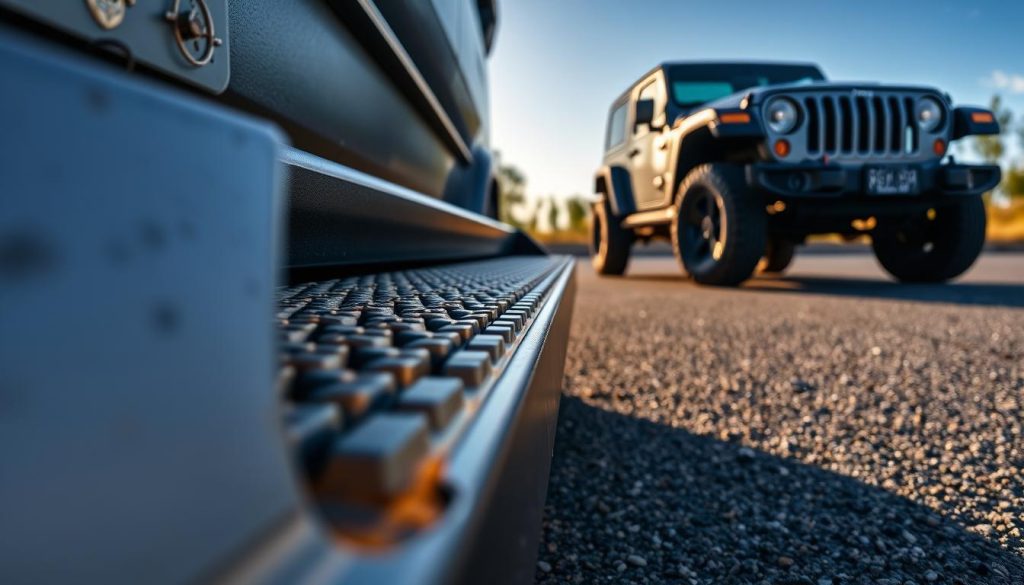
Two-door vs four-door needs
Two-door models usually need shorter boards with concentrated step pads near the doors. Passengers enter and exit near the front, so full-length coverage is rarely necessary.
Four-door models benefit from longer boards or wheel-to-wheel coverage. Longer boards give rear riders a clear foothold and protect more rocker area.
Ground clearance vs accessibility
Lower steps make daily entry easier but increase snag risk off-road. Higher, tighter steps keep clearance and reduce catches in ruts and on ledges.
Tip: match clearance to use — commute-heavy owners pick moderate drop; trail-focused drivers favor tighter clearance or tuck-away designs.
Protecting door and rocker areas without snagging
Wide boards and aggressive outward kicks can shield doors but may hang up on obstacles. Choose a design with angled edges or frame-mounted brackets that help slide over rocks.
For mixed use, prioritize secure mounts, decent traction, and moderate clearance. That balance protects the rocker area while keeping the step practical for everyday use.
| WRANGLER MODEL | Recommended Coverage | Primary benefit |
|---|---|---|
| Two-door | Short boards / step pads | Focused access, less snag risk |
| Four-door | Long boards or wheel-to-wheel | Rear passenger access, more protection |
| Lifted models | Drop steps or hoops | Lower first-step reach |
Installation and Hardware: What to Expect Before You Buy
A correct install keeps steps solid, quiet, and ready for years of use. Plan the installation around how the side steps will attach to your vehicle. That avoids surprises and limits extra work at the driveway.
Bolt-on brackets and using factory holes for a secure mount
Many kits use bolt-on brackets that line up with existing factory holes. That is a quality signal: fewer drilled holes, cleaner fit, and less chance of misalignment.
Expect to: align brackets, use the factory mounting points when available, then tighten fasteners in sequence so everything stays square.
Tools you’ll typically need for installation
Most installs need a socket wrench set, a screwdriver, and possibly a torque wrench. A jack or ramps help access mounts on lifted vehicles.
Bring a small set of extras: penetrating oil, thread-locker, and safety glasses. A buddy makes alignment easier when fitting long boards or full-length steps.
Power running board installs: when professional help makes sense
Electric steps add wiring, switches, and motors. If you are not comfortable with routing wires, weather sealing, and testing actuators, hire a pro.
Professionals ensure the power system integrates with door triggers and avoids pinched cables or poor seals that cause failures.
How to avoid vibration, loosening, and long-term hardware issues
Follow the included instructions closely. Re-torque fasteners after the first 50–100 miles and again at regular service intervals.
Use medium-strength thread-locker on bolts that see vibration. Confirm bracket contact points and install any rubber isolators supplied with the set.
| Step | Action | When |
|---|---|---|
| Initial fit | Hand-tighten, check alignment | Before final torque |
| First re-torque | Torque to spec | After 50–100 miles |
| Periodic check | Inspect hardware, apply thread-locker if loose | Every oil change |
Final tip: test door clearance and step deployment before final torque, and keep the manufacturer instructions with the vehicle. Proper hardware and care keep steps quiet and secure for years.
Price, Brands, and How to Avoid Cheap Knockoffs
Price signals tell you more about a step’s build than glossy photos do. In the current market, cost reflects steel gauge or aluminum quality, weld consistency, coating prep, and the complexity of features like retractable or powered mechanisms.
Quick brand orientation: Smittybilt, Rugged Ridge, Rampage, N-FAB, and Hooke Road are common names with established step lineups and documented fitment options.
Use the N-FAB Wheel-to-Wheel Nerf-Steps price ($479.99 + $9.99 oversize) as a reference point. That mid-to-premium tag usually signals heavier materials, stronger mounts, and a consistent finish — but always verify model-specific fitment.
How to spot knockoffs
- Vague compatibility claims or missing hardware specs
- Inconsistent photos or no closeups of welds and brackets
- No clear warranty terms or suspiciously low pricing
Shop smart tactics
Compare included brackets and hardware, read installation feedback, and prefer reputable retailers. Prioritize genuine aftermarket parts to avoid early rust, loosening, or damage that turns a deal into a replacement.
For related wheel and step pairing ideas, see a practical example at complementary wheel options.
Conclusion
Good step selection balances entry height, grip, and protection without adding needless bulk.
Start by choosing the right category of running boards or steps based on how you use your jeep. Then narrow choices by construction quality, traction, and clearance to match your daily mix.
The main benefits are easier entry after lifts, safer footing in bad weather, and added side protection on and off road.
No single choice fits every vehicle—commute-focused rigs, rock crawlers, and family setups need different step height and coverage trade-offs.
Always confirm model-specific fitment (two-door vs four-door) and that brackets and hardware are built for a secure, low-vibration mount.
Next step: pick a trusted brand at a realistic price tier to avoid knockoffs and get the look and performance you want.