Temperature control issues in your vehicle can be frustrating, especially when the heating or cooling system isn’t functioning as expected. One common cause of these issues is a malfunctioning blend door actuator, a critical component of your vehicle’s HVAC system.
Resetting the blend door actuator can often resolve temperature control problems, restoring your vehicle’s heating and cooling capabilities. This process is relatively straightforward and can be done with the right guidance.
In this article, we’ll walk you through the steps to reset your vehicle’s blend door actuator, helping you to troubleshoot and potentially fix HVAC system repair issues on your own.
Key Takeaways
- Resetting the blend door actuator can resolve temperature control issues.
- The process is relatively simple and can be done at home.
- Understanding your vehicle’s HVAC system is crucial for effective troubleshooting.
- A malfunctioning blend door actuator can cause inconsistent temperature control.
- Resetting the actuator can restore proper heating and cooling functionality.
What Is a Blend Door Actuator and Why Does It Need Resetting?
The blend door actuator is a crucial component of a vehicle’s heating, ventilation, and air conditioning (HVAC) system. It plays a key role in controlling the temperature inside the vehicle by regulating the mix of hot and cold air.
Function of the Blend Door Actuator in Your Vehicle
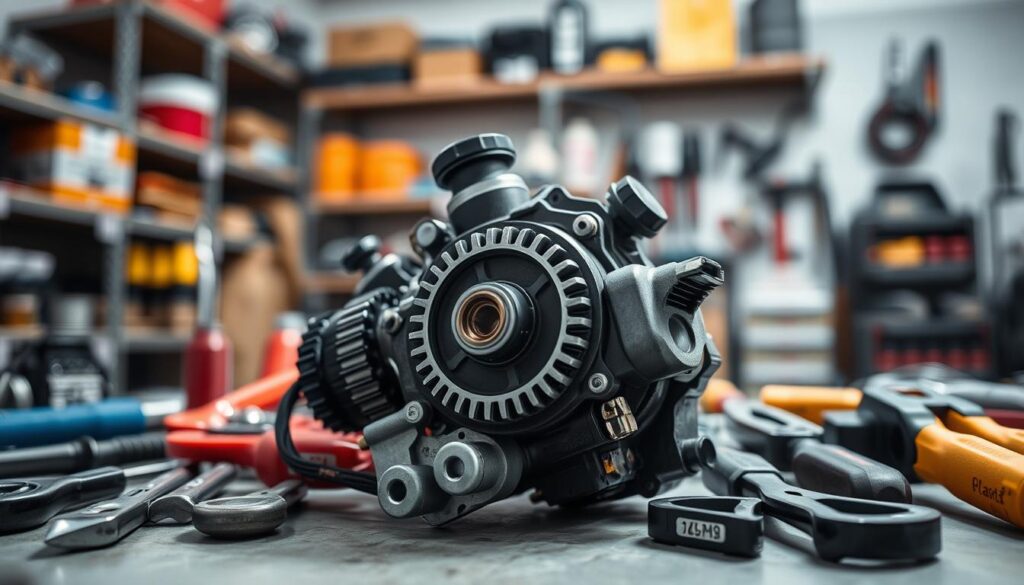
The blend door actuator is an electronic device that operates the blend door, which is responsible for directing airflow through the heater core or air conditioning evaporator. By adjusting the blend door’s position, the actuator ensures that the correct proportion of heated or cooled air is released into the cabin, thus maintaining the desired temperature. A properly functioning blend door actuator is essential for the efficient operation of the HVAC system.
Common Reasons for Actuator Failure
Blend door actuator failure can occur due to various reasons, including mechanical wear and tear, electrical faults, or issues with the HVAC system’s control module. For instance, if the actuator’s motor or gearbox fails, it may get stuck in one position, leading to temperature control issues. In some cases, a faulty actuator can be reset to restore its functionality. However, if the actuator is damaged beyond repair, it may need to be replaced. For more information on troubleshooting related HVAC issues, you can visit this guide on troubleshooting air blowing only from defrost and floor vents.
Signs That Your Blend Door Actuator Needs Attention
The blend door actuator plays a crucial role in your vehicle’s HVAC system, and when it fails, you’ll notice several signs. A malfunctioning actuator can lead to a range of issues that affect the comfort and safety of your driving experience.
Unusual Noises from the Dashboard
One of the primary indicators of a failing blend door actuator is unusual noises coming from the dashboard area. These noises can range from clicking and grinding sounds to whirring or rattling. Such sounds often occur when the actuator is struggling to move the blend door or is stuck in a particular position.

Temperature Control Issues
Temperature control issues are another common sign that your blend door actuator needs attention. If you find that the temperature inside your vehicle is not responding to adjustments or is fluctuating wildly, it could be a sign that the actuator is failing to properly control the blend door. This can result in uncomfortable driving conditions, especially during extreme weather.
Airflow Problems
Airflow problems can also indicate a malfunctioning blend door actuator. If the air coming from the vents is not at the expected temperature or if the airflow seems restricted, it might be due to the actuator’s inability to correctly position the blend door. This can lead to reduced performance of your vehicle’s heating and cooling system.
In conclusion, if you’re experiencing any of these signs—unusual noises, temperature control issues, or airflow problems—it’s essential to investigate the condition of your blend door actuator. Resetting or repairing the actuator can often resolve these issues and restore your vehicle’s HVAC system to proper functioning.
Tools and Preparation for Blend Door Actuator Reset
To successfully reset your vehicle’s blend door actuator, you’ll need to have the right tools and follow safety precautions. This preparation is crucial for ensuring the reset process is done correctly and safely.
Required Tools and Materials
Gathering the necessary tools before starting the reset process can save time and frustration. Typically, you’ll need a screwdriver set, a multimeter to check electrical circuits, and possibly a repair manual specific to your vehicle’s make and model. Having these tools on hand will help you navigate the reset procedure more efficiently.
Safety Precautions Before Starting
Before beginning the blend door actuator reset, ensure your safety by following some key precautions. First, disconnect the vehicle’s battery to prevent any accidental starts or electrical shocks. Wear protective gloves and safety glasses to protect yourself from potential hazards. It’s also a good idea to consult your vehicle’s repair manual for specific safety recommendations related to your vehicle’s make and model.
Blend Door Actuator Reset: How To Do It the Easy Way
Understanding how to reset your blend door actuator is crucial for maintaining optimal temperature control in your vehicle. The blend door actuator plays a vital role in regulating the airflow and temperature within your car’s cabin. When it malfunctions, resetting it can often resolve the issue without the need for replacement.
Locating Your Vehicle’s Blend Door Actuator
The first step in resetting your blend door actuator is to locate it. The actuator is typically found within the heating, ventilation, and air conditioning (HVAC) system of your vehicle.
Common Locations in Popular Vehicle Makes
In many vehicles, the blend door actuator is located behind the dashboard, often on the driver’s side. For example, in some Ford models, it’s found near the center console, while in certain Toyota models, it might be located under the dashboard on the passenger’s side. Consulting your vehicle’s manual or a repair guide specific to your vehicle’s make and model can provide more precise information.
Using Vehicle Manual for Reference
Your vehicle’s manual is a valuable resource for locating the blend door actuator. It usually contains a section on the HVAC system, which can guide you to the actuator’s location. If the manual doesn’t provide enough detail, you can search online for diagrams or forums where owners of your vehicle’s make and model share their experiences.
Step-by-Step Reset Procedure
Once you’ve located the blend door actuator, you can proceed with the reset procedure. This process typically involves a few straightforward steps.
Disconnecting the Battery
The first step is to disconnect your vehicle’s battery. This is a safety precaution that prevents any accidental starts or electrical surges during the reset process. Simply locate your vehicle’s battery, loosen the nut on the negative terminal clamp, and pull the clamp off the terminal.
Accessing the Actuator
After disconnecting the battery, you’ll need to access the blend door actuator. This may involve removing some dashboard trim or other components to reach the actuator. Be sure to consult your vehicle’s manual or a repair guide for specific instructions on how to access the actuator in your vehicle.
Performing the Reset
With the actuator accessed, you can perform the reset. This usually involves pressing and holding a button on the actuator or putting the HVAC system into a specific mode as described in your vehicle’s manual. The exact procedure can vary, so it’s crucial to follow the instructions relevant to your vehicle.
Reconnecting and Testing
After performing the reset, reconnect your vehicle’s battery and test the HVAC system to ensure that the blend door actuator is functioning correctly. Check that the temperature control is working as expected and that there are no unusual noises coming from the dashboard area.
Verifying Successful Reset
To verify that the reset was successful, monitor your vehicle’s climate control system over the next few days. If the temperature control is accurate, and there are no unusual noises, the reset was likely successful. However, if problems persist, it may be necessary to consider replacing the actuator.
Troubleshooting Common Issues After Reset
Resetting the blend door actuator is just the first step; troubleshooting common problems is crucial for optimal performance. After a reset, some issues may persist or new problems might arise, requiring further investigation.
Reset Didn’t Solve the Problem
If the reset didn’t resolve the issue, it’s essential to check for underlying problems. Inspect the actuator and its wiring for any signs of damage or wear. Ensure that all connections are secure and not corroded. Sometimes, the issue might not be with the actuator itself but with related components or the vehicle’s electrical system.
New Noises or Issues After Reset
New noises or issues after a reset can be concerning. If you notice unusual sounds or the climate control isn’t functioning correctly, it might indicate a mechanical or electrical fault. Check for any obstructions in the vents or ducts that could be causing the problem. Also, verify that the actuator is properly aligned and functioning as expected.
System Not Responding After Reset
If the system is not responding after a reset, it could be due to a communication breakdown between the actuator and the vehicle’s computer. Check the fuse related to the climate control system to ensure it hasn’t blown. Additionally, consult your vehicle’s manual or a professional mechanic to diagnose any potential issues with the system’s wiring or software.
When to Replace Instead of Reset Your Blend Door Actuator
Understanding when to reset versus replace your blend door actuator is crucial for maintaining your vehicle’s climate control system. While a reset can often resolve issues such as faulty temperature control or unusual noises, there are scenarios where replacement is the more viable option.
Signs of Permanent Damage
If your blend door actuator shows signs of permanent damage, such as physical trauma to the actuator or its associated components, replacement is likely the best course of action. Other indicators include persistent issues after attempting a reset, or if the actuator is no longer responding to commands.
Permanent damage can manifest in various ways, including:
- Visible signs of wear or physical damage
- Continuous malfunction despite reset attempts
- Failure to respond to control inputs
Cost Comparison: Reset vs. Replacement
When deciding between resetting and replacing your blend door actuator, cost is an important factor. Generally, resetting the actuator is less expensive, as it often involves no parts replacement. However, if the actuator is damaged beyond repair, the cost of replacement must be considered.
| Procedure | Estimated Cost | Complexity |
|---|---|---|
| Reset | $0 – $50 (labor) | Low to Moderate |
| Replacement | $200 – $500 (parts and labor) | Moderate to High |
It’s essential to weigh the costs against the complexity of the procedure and the likelihood of success. In cases where the actuator is relatively new or the issue is minor, a reset might suffice. However, for older vehicles or when significant damage is present, replacing the actuator may provide a more lasting solution.
Conclusion
Proper care of your vehicle’s heating, ventilation, and air conditioning (HVAC) system is crucial for ensuring a comfortable driving experience. The blend door actuator plays a significant role in this system, controlling the temperature by regulating airflow between the heater and air conditioner.
Regular blend door actuator maintenance can prevent issues such as unusual noises, temperature control problems, and airflow irregularities. By understanding how to reset the blend door actuator and when to replace it, you can keep your HVAC system functioning efficiently.
Effective HVAC system care involves not only addressing problems as they arise but also taking proactive steps to maintain the system’s overall health. This includes monitoring the blend door actuator’s performance and addressing any signs of malfunction promptly.
By following the guidelines outlined in this article, you can ensure your vehicle’s HVAC system operates smoothly, providing a comfortable and safe driving environment. Regular maintenance is key to extending the lifespan of your vehicle’s HVAC system and preventing costly repairs.
FAQ
What is a blend door actuator?
A blend door actuator is a component of a vehicle’s heating, ventilation, and air conditioning (HVAC) system that controls the blend door, which regulates the airflow between the heater core and the air conditioning evaporator.
Why does my blend door actuator need to be reset?
The blend door actuator may need to be reset due to issues such as faulty calibration, electrical glitches, or mechanical problems, which can cause the HVAC system to malfunction.
How do I know if my blend door actuator is faulty?
Signs of a faulty blend door actuator include unusual noises from the dashboard, temperature control issues, and airflow problems, such as weak or inconsistent airflow.
Can I reset my blend door actuator myself?
Yes, resetting a blend door actuator can be done by following the correct procedure, which typically involves locating the actuator, disconnecting the battery, and performing a reset procedure.
What tools do I need to reset my blend door actuator?
The tools required to reset a blend door actuator may vary depending on the vehicle make and model, but typically include a basic toolkit and access to the vehicle’s repair manual.
What if resetting my blend door actuator doesn’t solve the problem?
If resetting the blend door actuator doesn’t resolve the issue, it may be necessary to troubleshoot further or consider replacing the actuator, especially if there are signs of permanent damage.
How much does it cost to replace a blend door actuator?
The cost of replacing a blend door actuator varies depending on the vehicle make and model, as well as labor costs, but can range from a few hundred to over a thousand dollars.
Can a faulty blend door actuator cause other problems with my vehicle’s HVAC system?
Yes, a faulty blend door actuator can cause a range of issues with the HVAC system, including temperature control problems, airflow issues, and increased energy consumption.