Noticing a rattling noise under your vehicle when navigating bumps can be concerning. This issue may indicate a need for car maintenance or potentially signal a more serious problem.
Ignoring these noises can lead to more severe issues, such as compromised safety and increased repair costs. For instance, a rattling sound might be related to loose parts or worn-out components. Regular vehicle checks can help identify these problems early on.
Addressing these issues promptly is crucial for maintaining your vehicle’s overall health and ensuring a smooth ride. By understanding the causes of rattling noises and applying the necessary DIY car repairs, you can prevent further damage.
Key Takeaways
- Regular vehicle checks can help identify potential issues early on.
- Ignoring undercar noises can lead to more severe problems.
- DIY car repairs can be an effective way to address rattling noises.
- Understanding the causes of rattling noises is crucial for maintaining your vehicle’s health.
- Prompt action can prevent further damage and ensure a smooth ride.
Understanding Rattling Under Car When Going Over Bumps – Causes and Fixes
Rattling under car when going over bumps can be more than just an annoyance; it’s a sign of potential issues that need addressing. This noise can stem from various sources, making it crucial to understand the underlying causes and appropriate fixes.
Why Diagnosing Undercar Noises Matters
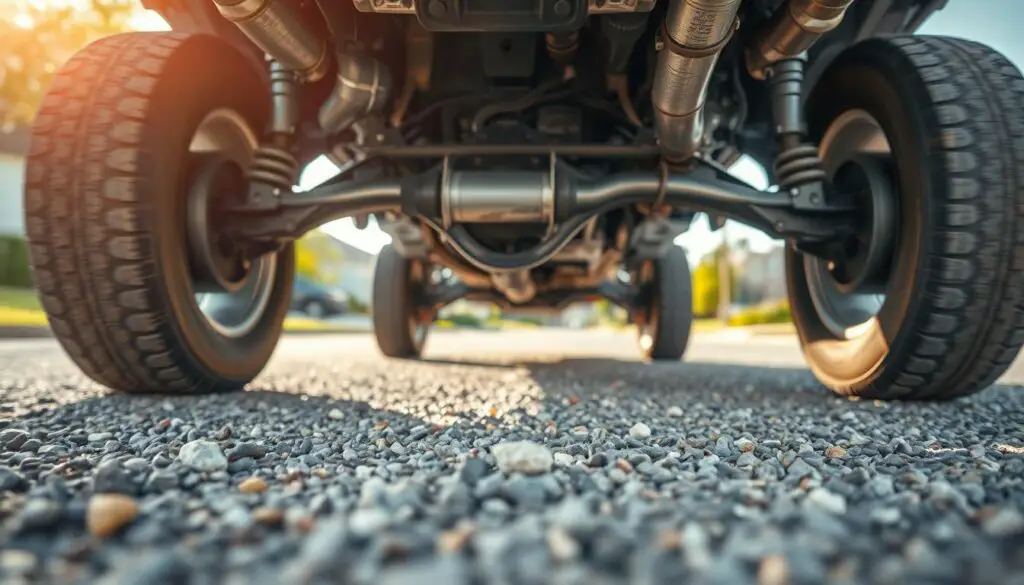
Diagnosing undercar noises is vital because they can be indicative of worn or loose suspension components or other critical parts. Ignoring these sounds can lead to more severe problems, including compromised vehicle safety and increased repair costs down the line.
Common Culprits Behind Rattling Sounds
Several factors can contribute to rattling under the car. Common causes include loose heat shields, worn-out bushings, and issues with the car suspension system. Additionally, problems with the exhaust system, such as loose or damaged components, can also produce rattling noises.
Safety Concerns Associated with Undercar Rattling
The safety concerns associated with undercar rattling should not be underestimated. A rattling noise can signal that a vital component is loose or damaged, potentially leading to a loss of control while driving or even an accident. Therefore, it’s essential to address these noises promptly to ensure the vehicle’s safety and reliability.
In conclusion, understanding the causes of rattling under your car when going over bumps is crucial for maintaining your vehicle’s health and ensuring your safety on the road. By diagnosing the issue and applying the necessary fixes, you can prevent more significant problems from arising.
Step-by-Step Diagnosis of Undercar Rattling Noises
To effectively diagnose undercar rattling, it’s essential to follow a structured diagnostic process. This approach ensures that you identify the root cause of the problem accurately and efficiently.
Preparing Your Vehicle for Inspection
Before starting the diagnosis, make sure your vehicle is parked on a level surface and apply the parking brake. Ensure the engine is turned off to avoid any accidental starts or injuries during the inspection. A thorough undercarriage inspection begins with a safe and stable environment.
Essential Tools for Proper Diagnosis
Having the right tools is crucial for a successful DIY diagnosis. You’ll need a flashlight to illuminate the undercarriage, a socket set to check for loose components, and possibly a jack or jack stands to elevate the vehicle for a closer look. These essential tools will help you inspect the undercarriage thoroughly.
Performing the Bounce Test
The bounce test is a simple yet effective method to identify potential issues. Push down on each corner of the vehicle and release it abruptly. If the vehicle bounces more than twice, it may indicate worn-out suspension components. This test can give you an initial clue about the condition of your vehicle’s suspension.
Using a Flashlight to Inspect Undercarriage Components
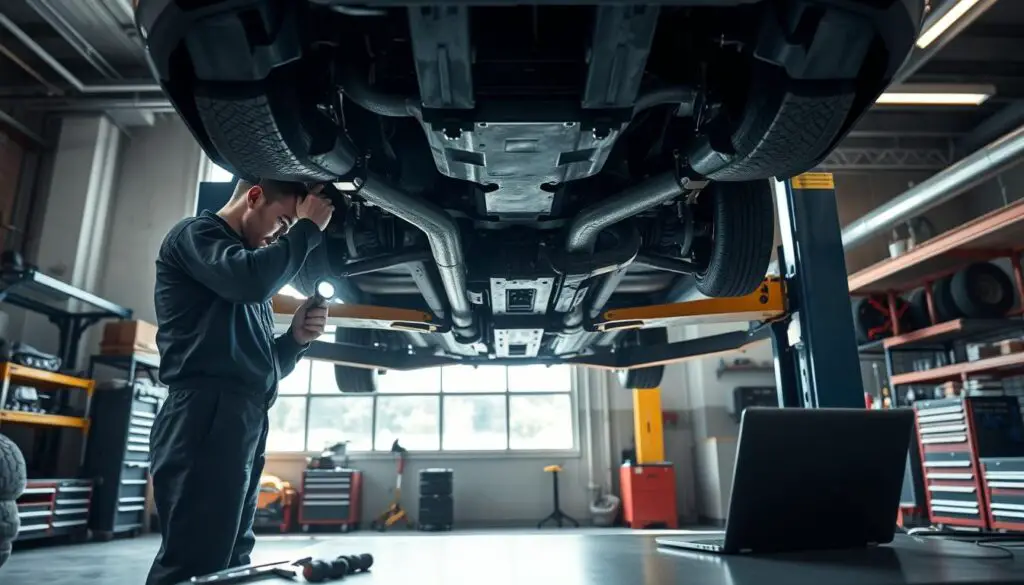
A thorough visual inspection is critical. Use a flashlight to examine the undercarriage for any signs of damage, rust, or loose parts. Pay particular attention to areas around the suspension, exhaust system, and heat shields, as these are common sources of rattling noises.
Listening Techniques to Pinpoint Rattling Sources
Listening techniques can be very effective in pinpointing the source of the rattle. Have someone drive the vehicle slowly over bumps while you listen carefully from underneath. Alternatively, you can record the sound and analyze it later. This method can help you isolate the exact location of the rattling noise.
DIY Fixes for the Most Common Rattling Problems
DIY enthusiasts can tackle common rattling problems under their car with simple repairs and adjustments. Rattling noises can be annoying and may indicate underlying issues that need attention. Fortunately, many of these problems can be resolved with basic DIY fixes.
Securing Loose Heat Shields
Loose heat shields are a common cause of rattling noises. To secure them, inspect the heat shields for any signs of looseness or damage. Tightening the bolts or replacing the clips that hold the heat shields in place can often resolve the issue. Ensure that the heat shields are properly aligned and securely fastened to prevent further rattling.
Tightening Suspension Components
Worn or loose suspension components can also cause rattling sounds. Inspect the suspension parts, including ball joints, bushings, and sway bar links, for any signs of wear or looseness. Tightening any loose bolts or replacing worn components can help eliminate the rattling noise. Regular maintenance of suspension components is crucial for a smooth and quiet ride.
Replacing Worn Bushings and Sway Bar Links
Worn bushings and sway bar links are common culprits behind rattling noises. Replacing these worn parts with new ones can significantly reduce or eliminate the rattling. It’s essential to choose high-quality replacement parts to ensure durability and performance. The process typically involves removing the wheel and suspension component to access the worn bushing or link.
Addressing Exhaust System Rattles
The exhaust system can also be a source of rattling noises, often due to loose or damaged hangers. Inspecting the exhaust system for any signs of damage or looseness and making the necessary repairs can resolve the issue. Replacing damaged hangers or tightening loose connections can help secure the exhaust system and reduce rattling.
Lubricating Moving Parts and Joints
Lubrication plays a crucial role in reducing friction and wear on moving parts and joints. Applying lubricant to squeaky or rattling suspension components and other moving parts can help alleviate the noise. Regular lubrication of these parts is a simple yet effective maintenance task that can prevent future issues.
When to Seek Professional Repairs for Undercar Rattling
Identifying when to seek professional help is crucial for addressing undercar rattling effectively and safely. While some issues can be resolved through DIY fixes, others require the expertise of a professional mechanic.
Signs of Serious Suspension Damage
Serious suspension damage can lead to significant safety issues if not addressed promptly. Signs include uneven tire wear, a bumpy ride, or difficulty steering. If you notice any of these symptoms, it’s essential to consult a professional mechanic.
Complex Repairs That Require Specialized Tools
Some repairs, such as those involving advanced suspension systems or specific exhaust system components, require specialized tools. In such cases, attempting a DIY fix can lead to further damage or safety hazards. A professional mechanic has the necessary tools and expertise to perform these repairs correctly.
Estimated Repair Costs for Common Rattling Issues
Understanding the potential costs of repairs can help you plan and budget. The table below provides estimated costs for common undercar rattling issues:
| Issue | Estimated Cost |
|---|---|
| Loose Heat Shields | $100-$300 |
| Suspension Component Replacement | $500-$1,500 |
| Exhaust System Repairs | $200-$800 |
Questions to Ask Your Mechanic
When consulting a mechanic, it’s helpful to ask the right questions to ensure you understand the issue and the necessary repairs. Consider asking:
- What is the cause of the undercar rattling?
- What repairs are necessary to fix the issue?
- How much will the repairs cost?
- Are there any preventive measures I can take to avoid future issues?
By seeking professional repairs when necessary and being informed about the process, you can ensure your vehicle remains safe and reliable.
Conclusion
Addressing undercar rattling is crucial for a comfortable and safe driving experience. By understanding the causes and implementing the necessary fixes, you can prevent further damage to your vehicle. Regular car maintenance plays a significant role in identifying potential issues before they become major problems.
DIY repairs can be an effective way to resolve common rattling issues, such as securing loose heat shields or tightening suspension components. However, it’s essential to know when to seek professional help, especially for complex repairs that require specialized tools.
By staying proactive with car maintenance and being aware of the signs of undercar rattling, you can ensure your vehicle remains in good condition. This not only enhances your driving experience but also contributes to overall road safety.
FAQ
What are the common causes of rattling under the car when going over bumps?
The common causes include loose heat shields, worn or loose suspension components, exhaust system rattles, and loose or worn-out bushings and sway bar links.
How do I diagnose the source of the rattling noise?
To diagnose, you can perform a bounce test, inspect undercarriage components using a flashlight, and use listening techniques to pinpoint the source of the rattle.
Can I fix the rattling noise myself, or do I need to seek professional help?
You can fix some common issues yourself, such as securing loose heat shields or tightening suspension components. However, if you’re unsure or if the issue is complex, it’s recommended to seek professional repairs.
What are the signs of serious suspension damage that require professional attention?
Signs include uneven tire wear, vibrations while driving, and visible damage to suspension components. If you notice any of these signs, it’s best to consult a mechanic.
How much do repairs for common rattling issues typically cost?
The cost varies depending on the issue and the vehicle. On average, repairs can range from 0 to 0 or more, depending on the complexity of the repair and the labor costs.
What questions should I ask my mechanic when seeking repairs for undercar rattling?
You should ask about the diagnosis, the recommended repairs, the estimated cost, and any additional work that may be required. It’s also a good idea to ask about any warranties or guarantees on the repairs.
Can lubricating moving parts and joints help resolve rattling noises?
Yes, lubricating moving parts and joints can help reduce or eliminate rattling noises. Regular lubrication can also help prevent future issues.
How can I prevent undercar rattling noises from occurring in the future?
Regular maintenance, such as checking and tightening loose components, lubricating moving parts, and inspecting the undercarriage, can help prevent rattling noises.