Choosing the right car window film is crucial for optimal protection against the elements. With various options available, understanding the differences between ceramic tint and infrared tint is essential for making an informed decision.
Car window films have evolved significantly, offering more than just aesthetic appeal. They provide protection from UV rays, heat, and glare, enhancing the overall driving experience. The key lies in understanding the technology behind these films.
As the demand for high-quality window films grows, so does the need for a comprehensive comparison of available options. This article aims to provide a detailed analysis of ceramic tint and infrared tint, helping you choose the best film for your vehicle.
Key Takeaways
- Understanding the differences between ceramic and infrared tints is crucial.
- Car window films offer protection from UV rays, heat, and glare.
- The right window film enhances the driving experience.
- Ceramic and infrared tints have distinct technologies.
- A comprehensive comparison is necessary for an informed decision.
Understanding Car Window Tinting Technology
Window tinting for cars is not just a style statement; it’s a technology-driven solution for enhanced driving experiences. Car window tinting has evolved significantly, offering a range of benefits from UV protection to improved vehicle aesthetics.
The Purpose of Window Tinting
The primary purpose of car window tinting is to block out harmful UV rays, reduce heat gain inside the vehicle, and enhance privacy. Modern window tints are designed to serve multiple purposes, including:
- Reducing glare from oncoming traffic
- Protecting interior furnishings from fading due to UV exposure
- Enhancing the overall driving comfort by maintaining a cooler interior temperature
By achieving these goals, window film technology plays a crucial role in improving the driving experience. The technology behind window tinting has advanced to include various types of films, each with its unique characteristics and benefits.
Evolution of Window Film Technology
Over the years, window film technology has undergone significant advancements. Early window tints were primarily dyed films that offered basic UV protection and heat rejection. However, modern tints have evolved to include:
- Metalized films that provide improved heat rejection
- Ceramic films that offer superior UV protection without interfering with electronic signals
- Infrared tints that block heat while allowing visible light to pass through
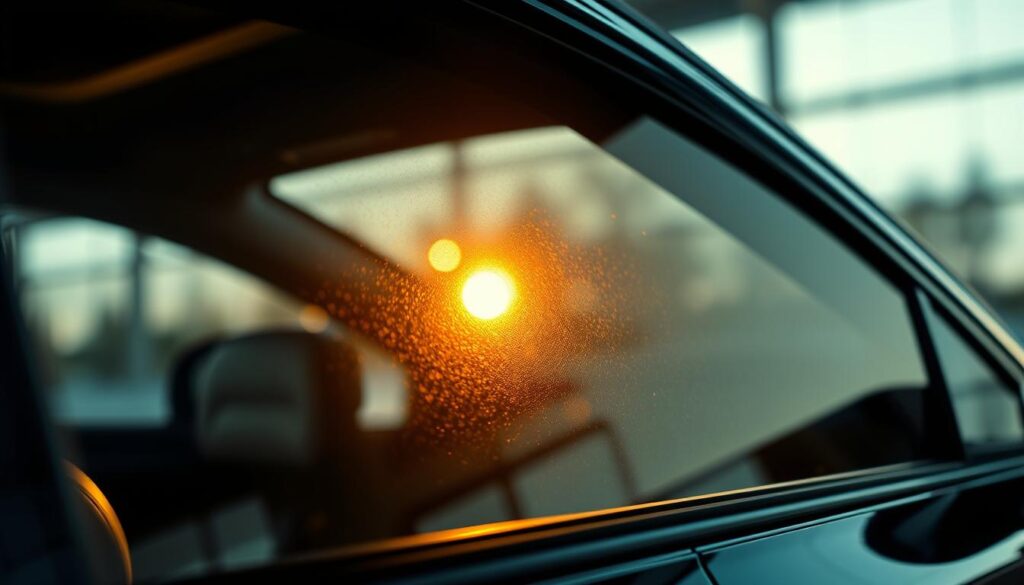
The evolution of car window tinting technology has led to a wide range of options for consumers, each with its own set of benefits. Understanding these technologies is crucial for making an informed decision when choosing a window tint.
What is Ceramic Tint?
Ceramic tint is a cutting-edge window film solution designed to provide optimal protection and comfort. It represents a significant advancement in window tinting technology, offering numerous benefits over traditional tinting options.
Composition and Technology
Ceramic tint is made from advanced ceramic particles that are integrated into the window film. This technology allows for exceptional heat rejection without compromising visibility. The ceramic particles work by absorbing and dissipating heat, thus reducing the amount of infrared radiation that enters the vehicle.
Key Features of Ceramic Tint
The key features of ceramic tint include its ability to reject heat, block UV rays, and reduce glare. It provides excellent UV protection, safeguarding both the vehicle’s occupants and the interior from the harmful effects of UV radiation. Additionally, ceramic tint is known for its durability and resistance to fading.

Popular Ceramic Tint Brands and Products
Some of the popular ceramic tint brands include Llumar, 3M, and XPEL. These brands offer a range of products that cater to different needs and preferences. The following table highlights some key products and their features:
| Brand | Product | Heat Rejection | UV Protection |
|---|---|---|---|
| Llumar | ATCERAMIR | 60% | 99% |
| 3M | Crystalline Series | 65% | 99.9% |
| XPEL | Prime XR | 70% | 99.9% |
What is Infrared Tint?
Infrared tint is a type of window film that is engineered to filter out infrared radiation, providing a cooler interior. This advanced technology is designed to reject heat, making it an attractive option for vehicle owners seeking to enhance their driving comfort.
Composition and Technology
Infrared tint is typically made with advanced materials that are capable of blocking infrared rays. These materials are often combined with other technologies to enhance the film’s overall performance, including heat rejection and UV protection. The composition of infrared tint is crucial in determining its effectiveness in various applications.
Key Features of Infrared Tint
The key features of infrared tint include its ability to reduce heat buildup inside vehicles, protect against UV damage, and maintain visibility. Infrared tint is also known for its durability and resistance to fading, ensuring long-term performance.
- Effective heat rejection
- UV protection
- Durable and resistant to fading
Popular Infrared Tint Brands and Products
Some of the popular infrared tint brands include 3M, LLumar, and XPEL. These brands offer a range of products that cater to different needs and preferences. When selecting an infrared tint, it’s essential to consider factors such as quality, warranty, and installation requirements.

Ceramic Tint vs Infrared Tint: Direct Comparison
Ceramic and infrared tints are two popular options for car window tinting, each with its unique benefits and drawbacks. Understanding their differences is crucial for making an informed decision.
Heat Rejection Capabilities
Ceramic tint is known for its superior heat rejection capabilities, blocking a significant amount of infrared radiation. Infrared tint, on the other hand, is specifically designed to reject infrared radiation, often performing equally or even better in this aspect. Here are some key points to consider:
- Ceramic tint can block up to 50% of total solar energy
- Infrared tint can block up to 65% of infrared radiation
- Both types offer significant heat reduction, but infrared tint may have a slight edge
UV Protection Effectiveness
Both ceramic and infrared tints offer excellent UV protection, blocking up to 99% of harmful UV rays. However, ceramic tint often has a slight advantage due to its broader spectrum blocking capabilities.
Visibility and Appearance
Ceramic tint generally offers better visibility, especially at night, due to its clearer appearance. Infrared tint can sometimes have a slightly darker appearance, potentially affecting nighttime visibility.
Electronic Signal Interference
Infrared tint can sometimes interfere with electronic signals, such as GPS or cell phone reception, due to its metallic components. Ceramic tint, being non-metallic, typically does not cause such interference.
Durability and Lifespan
Both types of tints are durable, but ceramic tint often has a longer lifespan due to its resistance to fading and bubbling. Infrared tint can also be durable, but its lifespan may vary depending on the quality of the product.
In conclusion, while both ceramic and infrared tints have their strengths, the choice between them depends on specific needs and priorities. By considering factors such as heat rejection, UV protection, visibility, electronic signal interference, and durability, car owners can make an informed decision that best suits their vehicle.
Performance in Different Climate Conditions
Understanding how ceramic and infrared tints perform in different climates is essential for choosing the right window film for your vehicle. The effectiveness of these tints can vary significantly based on the environmental conditions they are exposed to.
Hot and Sunny Climates
In hot and sunny climates, ceramic tint is particularly effective due to its ability to reject a significant amount of heat. This helps in keeping the vehicle’s interior cooler and reduces the load on the air conditioning system. Infrared tint also performs well in such conditions by blocking infrared rays that contribute to heat buildup.
Cold and Moderate Climates
In colder climates, the primary concern is not heat rejection but rather maintaining visibility and ensuring that the tint does not interfere with the vehicle’s heating system. Both ceramic and infrared tints can perform adequately in these conditions, with ceramic tint offering better clarity and less distortion.
Humid Environments
Humid environments pose a different challenge, as they can lead to moisture accumulation between the window and the tint. Infrared tint may be more prone to issues like bubbling or peeling in such conditions due to its construction. However, high-quality ceramic tint installations are generally more resistant to these issues.
Year-Round Performance Considerations
When considering year-round performance, it’s crucial to assess the climate conditions prevalent in your area. For regions with extreme variations in temperature and humidity, a ceramic tint might offer more consistent performance due to its advanced heat rejection capabilities and durability.
Installation and Maintenance Considerations
Proper installation and maintenance are crucial for maximizing the benefits of both ceramic and infrared window tints. A well-installed tint can significantly enhance the performance and longevity of the window film.
Professional Installation Requirements
Professional installation is highly recommended for both ceramic and infrared tints to ensure a bubble-free and even application. Professionals have the necessary tools and expertise to handle the film correctly, minimizing the risk of damage or improper fitting.
Curing Time and Post-Installation Care
After installation, it’s essential to allow the tint to cure properly. This typically involves keeping the windows clean and avoiding rolling them down for a few days. Proper post-installation care can significantly impact the tint’s durability and performance.
Long-Term Maintenance Differences
Ceramic tints are generally more resistant to fading and discoloration than infrared tints. Regular cleaning with appropriate materials is recommended for both types to maintain their effectiveness.
Warranty Comparisons
Warranties for ceramic and infrared tints vary by manufacturer, with some offering longer coverage for ceramic tints due to their durability. It’s essential to review the warranty comparisons before making a decision.
By understanding the installation and maintenance requirements, vehicle owners can make informed decisions and enjoy the benefits of their chosen window tint for years to come.
Conclusion: Making the Right Choice for Your Vehicle
When it comes to car window tint comparison, the decision between ceramic tint and infrared tint depends on several factors, including your vehicle’s specific needs, personal preferences, and budget.
Both ceramic and infrared tints offer unique benefits. Ceramic tint excels in heat rejection and UV protection, making it ideal for hot and sunny climates. Infrared tint, on the other hand, provides superior heat reduction and energy efficiency.
To make an informed decision, consider your climate, driving habits, and priorities when choosing the right window tint. If you live in an area with intense sunlight, ceramic tint may be the better choice. For those seeking maximum heat reduction, infrared tint is worth considering.
Ultimately, understanding the differences between ceramic tint vs infrared tint will help you select the best window tint for your vehicle, enhancing your driving experience and protecting your investment.
FAQ
What is the main difference between ceramic tint and infrared tint?
Ceramic tint is designed to block a wide range of the sun’s radiation, including UV and infrared rays, using ceramic particles. Infrared tint, on the other hand, is specifically designed to reject infrared radiation, which is a primary source of heat.
Which type of tint is more effective at heat rejection?
Both ceramic and infrared tints are effective at heat rejection, but they work in slightly different ways. Ceramic tint tends to reject a broader spectrum of radiation, while infrared tint is more targeted in its approach. The effectiveness can depend on the specific product and brand.
Will installing window tint affect my vehicle’s warranty?
Generally, installing window tint should not void your vehicle’s warranty. However, it’s always best to check with your vehicle’s manufacturer or dealership to confirm their policies regarding aftermarket window films.
Can I install window tint myself, or do I need a professional?
While it’s possible to install window tint yourself, professional installation is highly recommended. Professionals have the necessary experience and equipment to ensure a bubble-free, even application that lasts.
How long does window tint last?
The lifespan of window tint can vary depending on the quality of the film, environmental conditions, and how well it’s maintained. High-quality ceramic and infrared tints can last 10 years or more with proper care.
Does window tint interfere with GPS or cell phone signals?
Some window tints, particularly those with metallic components, can interfere with GPS and cell phone signals. Ceramic and infrared tints are generally less likely to cause interference, but it’s still worth checking the specifications of the product you’re considering.
Can window tint protect my vehicle’s interior from fading?
Yes, both ceramic and infrared tints can help protect your vehicle’s interior from fading by blocking UV rays, which are a major contributor to interior degradation.
Are there any specific maintenance requirements for ceramic or infrared tint?
Ceramic and infrared tints are relatively low maintenance. Avoid using harsh chemicals or abrasive cleaners, and clean the tinted windows with mild soap and water to keep them looking their best.