The Chevy 305 engine is a powerful and reliable engine, but its performance can be significantly affected by the spark plug gap settings. Proper spark plug gap settings are crucial for optimal engine performance. A correctly gapped spark plug ensures efficient fuel combustion, which in turn, enhances the engine’s overall efficiency and power output.
In this article, we will delve into the importance of spark plug gap settings for the Chevy 305 engine and provide essential tips on how to optimize them for better performance. By understanding the spark plug gap secrets, you can unlock your engine’s full potential and enjoy a smoother driving experience.
Key Takeaways
- Understand the importance of spark plug gap settings for engine performance
- Learn how to optimize spark plug gap for the Chevy 305 engine
- Discover the benefits of proper spark plug gap settings
- Improve your engine’s efficiency and power output
- Enjoy a smoother driving experience with optimized spark plug gap
Understanding the Chevy 305 Engine and Spark Plug Basics
To get the most out of your Chevy 305 engine, it’s essential to understand how spark plugs function and their importance. The Chevy 305 engine is a renowned V8 engine used in various Chevrolet vehicles, known for its balance of power and efficiency.
The History and Specifications of the Chevy 305 Engine
The Chevy 305 engine was introduced in the late 1970s as a response to the growing demand for more fuel-efficient engines without sacrificing too much power. It has a displacement of 305 cubic inches and is part of the small-block engine family, known for its compact design and versatility. Key specifications include a bore and stroke of 3.736 x 3.48 inches and a compression ratio that varied across different model years.
How Spark Plugs Function in a Chevy 305
Spark plugs play a critical role in the operation of the Chevy 305 engine, igniting the fuel-air mixture inside the combustion chamber. They consist of a center electrode and a ground electrode, with the spark gap being the distance between these two electrodes. The spark plug’s ability to ignite the fuel-air mixture efficiently affects engine performance, including power output, fuel efficiency, and emissions.
Why Proper Spark Plug Gap Matters for Engine Performance
Maintaining the correct spark plug gap is vital for optimal engine performance. A gap that is too wide or too narrow can lead to issues such as misfires, reduced fuel efficiency, and decreased power output. For the Chevy 305 engine, the recommended spark plug gap can be found in the owner’s manual or on the manufacturer’s website, and it’s crucial to follow these guidelines for optimal performance.
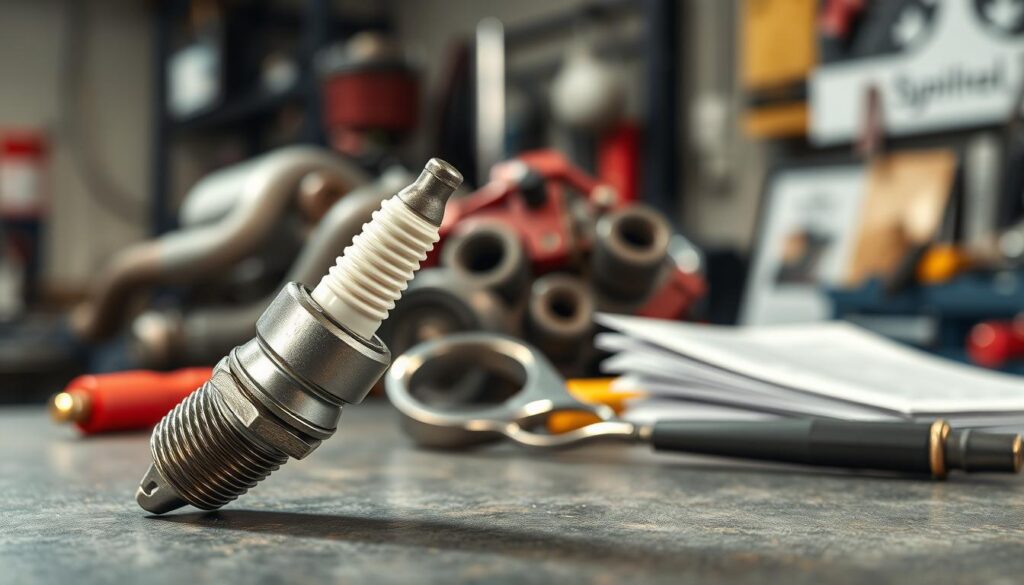
Chevy 305 Spark Plug Gap Secrets Revealed
Optimizing spark plug gaps is crucial for unlocking the full potential of your Chevy 305 engine. The spark plug gap setting can significantly impact engine performance, affecting factors such as fuel efficiency, power output, and overall engine reliability.
Factory Specifications vs. Real-World Optimization
The factory specifications for spark plug gap settings in a Chevy 305 engine provide a baseline. However, real-world performance can often be improved by adjusting these settings. For instance, a slightly wider gap can enhance combustion efficiency, leading to better fuel economy and increased power.
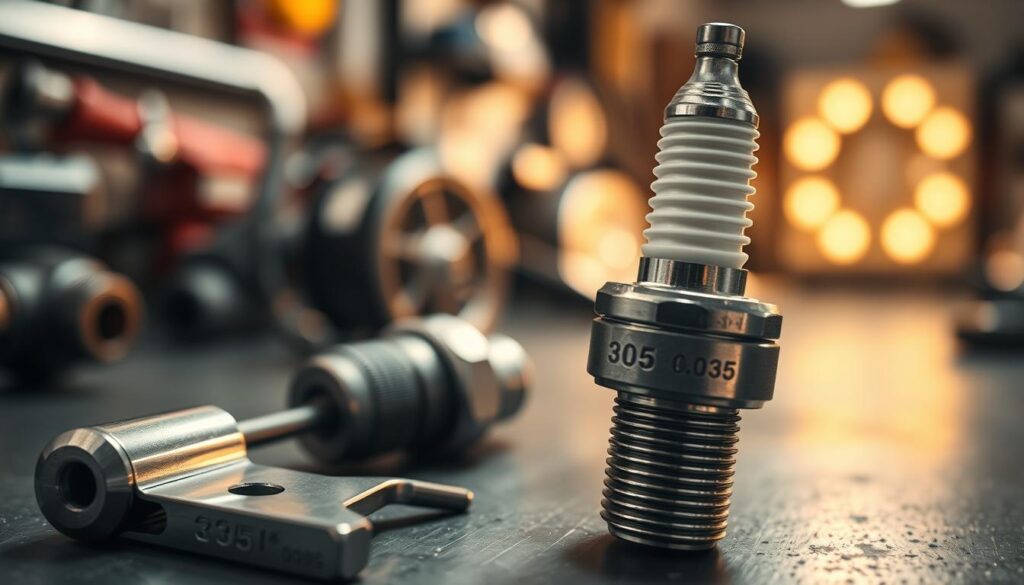
How Gap Settings Affect Combustion Efficiency
Combustion efficiency is directly influenced by the spark plug gap. A properly gapped spark plug ensures a strong, consistent spark, which is essential for complete combustion. The table below illustrates how different gap settings can affect combustion efficiency.
| Gap Setting | Combustion Efficiency | Engine Performance |
|---|---|---|
| Narrow Gap | Lower Efficiency | Reduced Power |
| Optimal Gap | High Efficiency | Improved Performance |
| Wide Gap | Variable Efficiency | Potential for Misfires |
Performance Modifications and Their Impact on Ideal Gap Settings
Performance modifications, such as engine tuning or the installation of high-performance spark plugs, can alter the ideal spark plug gap settings. For example, engines with high-performance camshafts may require different gap settings to optimize performance. It’s essential to consult with a performance specialist to determine the best gap settings for your specific modifications.
By understanding the impact of spark plug gap settings on your Chevy 305 engine and making informed adjustments, you can achieve significant improvements in engine performance and efficiency.
Essential Tools for Setting Spark Plug Gaps
To optimize your Chevy 305 engine’s performance, having the right tools for setting spark plug gaps is crucial. Accurate gap setting is essential for efficient combustion and overall engine performance.
Feeler Gauges and Gap Tools: What to Use
Feeler gauges are the most common tool used for measuring spark plug gaps. They come in various types, including flat and wire gauges. For Chevy 305 engines, a wire gauge is typically recommended due to its accuracy in measuring the gap between the spark plug electrodes.
Digital vs. Traditional Gap Measurement Tools
While traditional feeler gauges are reliable, digital gap measurement tools offer greater precision. Digital tools can provide exact measurements, reducing the risk of human error. However, they may require calibration and can be more expensive than traditional gauges.
Additional Tools for Proper Spark Plug Installation
Additional tools required include a spark plug socket, torque wrench, and dielectric grease. These tools ensure that spark plugs are installed correctly and securely. A list of necessary tools includes:
- Spark plug socket
- Torque wrench
- Dielectric grease
- Feeler gauge or digital gap tool
Step-by-Step Guide to Measuring Your Current Spark Plug Gap
The spark plug gap in your Chevy 305 engine plays a significant role in its overall performance, making accurate measurement a necessity. To begin, you’ll need to understand the proper techniques for removing spark plugs and measuring the gap.
Safely Removing Spark Plugs from Your Chevy 305
Before measuring the spark plug gap, you must safely remove the spark plugs from your engine. Start by disconnecting the negative battery cable to prevent any accidental engine starts. Next, remove the spark plug wire by pulling it straight off the spark plug. Use a spark plug socket to loosen and remove the spark plug. Be cautious not to damage the threads in the cylinder head.
Proper Technique for Accurate Gap Measurement
To measure the spark plug gap accurately, you’ll need a gap gauge or a feeler gauge. Insert the gauge between the spark plug electrodes, ensuring it’s not touching the electrodes at an angle. The correct gap measurement should be between 0.035 and 0.045 inches for a standard Chevy 305 engine. Take multiple readings to ensure accuracy.
Documenting Your Findings for Future Reference
After measuring the spark plug gap, it’s crucial to document your findings. Record the gap measurement for each spark plug, noting any variations. This information will be invaluable for future reference, helping you to identify any potential issues with your engine’s performance. Keeping a record also aids in maintaining consistency across all spark plugs.
By following these steps, you’ll be able to accurately measure your Chevy 305’s spark plug gap, ensuring your engine runs at its optimal level.
How to Set the Perfect Spark Plug Gap for Your Chevy 305
To ensure your Chevy 305 runs smoothly, it’s essential to understand how to set the perfect spark plug gap. The spark plug gap is a critical factor in the combustion process, affecting engine performance, fuel efficiency, and overall vehicle reliability.
Standard Gap Settings for Stock Chevy 305 Engines
For stock Chevy 305 engines, the standard spark plug gap setting typically ranges from 0.035 to 0.045 inches. However, it’s crucial to consult your owner’s manual or manufacturer’s specifications for the exact recommended gap setting. Using a feeler gauge, you can measure the current gap and adjust it accordingly.
Adjusting Gaps for Modified Engines
Modified engines often require different spark plug gap settings to optimize performance. For instance, engines with high-performance camshafts or turbochargers may need a smaller gap to prevent pre-ignition. Conversely, engines with high-compression ratios might require a slightly larger gap. It’s essential to research and understand the specific needs of your modified engine to determine the ideal gap setting.
The Correct Technique to Adjust Without Damaging the Electrode
When adjusting the spark plug gap, it’s vital to use the correct technique to avoid damaging the electrode. Use a gap tool to gently bend the electrode to the desired setting. Avoid using force, as this can cause the electrode to break or become misaligned. Here’s a step-by-step guide:
- Remove the spark plug and inspect it for wear or damage.
- Measure the current gap using a feeler gauge.
- Compare the measurement to the recommended setting.
- Use a gap tool to adjust the electrode, if necessary.
- Re-measure the gap to ensure accuracy.
| Engine Type | Recommended Gap Setting |
|---|---|
| Stock Chevy 305 | 0.035 – 0.045 inches |
| High-Performance Chevy 305 | 0.028 – 0.032 inches |
| Turbocharged Chevy 305 | 0.025 – 0.030 inches |
By following these guidelines and using the correct tools, you can achieve the perfect spark plug gap for your Chevy 305, ensuring optimal engine performance and longevity.
Common Mistakes and Troubleshooting
Troubleshooting spark plug issues in your Chevy 305 can be a daunting task, but with the right knowledge, you’ll be equipped to tackle common mistakes. A well-maintained spark plug gap is crucial for optimal engine performance.
Signs of Incorrect Spark Plug Gap in a Chevy 305
An incorrect spark plug gap can manifest in various ways, including rough idling, decreased fuel efficiency, and misfires. If you notice your Chevy 305 engine running unevenly or experiencing a lack of power, it may be due to a spark plug gap issue.
Addressing Uneven Engine Performance
Uneven engine performance can be caused by a variety of factors, including a spark plug gap that is too wide or too narrow. To address this issue, it’s essential to check the spark plug gap and adjust it according to the manufacturer’s specifications. Regular maintenance can help prevent uneven engine performance.
When to Replace Rather Than Adjust Spark Plugs
Not all spark plug issues can be resolved by adjusting the gap. If your spark plugs are worn out or damaged, it may be more cost-effective to replace them rather than attempting to adjust the gap. Signs that it’s time to replace your spark plugs include visible wear or corrosion.
By being aware of common spark plug gap mistakes and knowing how to troubleshoot them, you can keep your Chevy 305 engine running smoothly and efficiently.
Maintenance Schedule and Best Practices
Maintaining the correct spark plug gap is vital for optimal engine performance and fuel efficiency in your Chevy 305. A well-maintained spark plug gap ensures that your engine runs smoothly, achieving the best possible balance between power and fuel consumption.
How Often to Check and Adjust Spark Plug Gaps
It’s recommended to check your Chevy 305’s spark plug gaps every 12,000 to 15,000 miles. Adjustments should be made as necessary to maintain the optimal gap setting. Regular checks can help prevent engine misfires and maintain fuel efficiency.
Seasonal Considerations for Gap Settings
Seasonal changes can affect your engine’s performance. In colder climates, spark plugs may need to be gapped closer to ensure easier starting, while in hotter conditions, a slightly wider gap may be beneficial for performance. Adjusting your spark plug gaps seasonally can help optimize your engine’s performance.
Integrating Spark Plug Maintenance into Your Overall Engine Care
Incorporating spark plug gap maintenance into your regular engine care routine is crucial. This includes checking spark plug condition, wire integrity, and ignition timing. A comprehensive maintenance schedule can be seen in the table below:
| Maintenance Task | Interval | Notes |
|---|---|---|
| Spark Plug Gap Check | 12,000 – 15,000 miles | Adjust as necessary |
| Spark Plug Replacement | 30,000 – 50,000 miles | Depends on plug type |
| Ignition System Check | Every 50,000 miles | Includes wires and timing |
Conclusion
Proper spark plug gap settings are crucial for the optimal performance of your Chevy 305 engine. As discussed, the correct gap ensures efficient combustion, leading to better engine performance and fuel efficiency. By following the guidelines and tips provided, you can achieve the ideal spark plug gap for your engine, whether it’s stock or modified.
Regular spark plug maintenance is key to sustaining your engine’s performance over time. Checking and adjusting the spark plug gap at recommended intervals can prevent issues such as uneven engine performance and decreased fuel efficiency. By integrating spark plug maintenance into your overall engine care routine, you can enjoy a smoother, more efficient driving experience.
Applying the Chevy 305 Spark Plug Gap Secrets revealed in this article can significantly enhance your engine’s performance. By understanding the importance of proper spark plug gap settings and maintaining them, you can optimize your Chevy 305 engine’s performance and longevity.
FAQ
What is the ideal spark plug gap for a Chevy 305 engine?
The ideal spark plug gap for a stock Chevy 305 engine is typically between 0.035 and 0.045 inches, but this can vary depending on the specific application and any performance modifications.
How often should I check and adjust the spark plug gap on my Chevy 305?
It’s recommended to check the spark plug gap every 12,000 to 15,000 miles, or as part of a regular maintenance schedule, and adjust as necessary.
Can I use any type of spark plug in my Chevy 305 engine?
No, it’s essential to use spark plugs that are compatible with your Chevy 305 engine, taking into account factors such as heat range, thread size, and electrode material.
What are the signs of an incorrect spark plug gap in a Chevy 305 engine?
Signs of an incorrect spark plug gap can include decreased engine performance, rough idling, misfires, and decreased fuel efficiency.
How do I measure the spark plug gap on my Chevy 305 engine?
To measure the spark plug gap, use a feeler gauge or a spark plug gap tool, ensuring the gauge is inserted between the electrodes and adjusted to the correct specification.
Can performance modifications affect the ideal spark plug gap setting?
Yes, performance modifications such as engine tuning, camshaft upgrades, or installing a performance ignition system can require adjustments to the spark plug gap setting.
What is the correct technique for adjusting the spark plug gap without damaging the electrode?
To adjust the spark plug gap, use a spark plug gap tool to gently bend the electrode, taking care not to touch the center electrode or apply too much pressure, which can cause damage.
How do seasonal changes affect spark plug gap settings?
Seasonal changes, such as extreme temperatures, can affect spark plug gap settings, and it’s essential to consider these changes when checking and adjusting the gap.