Dealing with a car ding or a minor collision can be a frustrating experience. It’s essential to handle the situation calmly and follow the necessary steps to ensure a smooth resolution.
When a minor collision occurs, assessing the damage and exchanging information with the other party involved is crucial. Even if the damage seems minor, it’s vital to document the incident thoroughly.
In many cases, filing an insurance claim may be necessary. Understanding the process and the required documentation can help streamline the claims process, getting you back on the road quickly.
Key Takeaways
- Assess the damage carefully after a car ding or minor collision.
- Exchange information with the other party involved.
- Document the incident thoroughly with photos and notes.
- Understand the insurance claim process.
- Gather all necessary documentation before filing a claim.
Understanding Car Dings and Minor Collision Damage
Understanding the nuances of car dings and minor collision damage is crucial for drivers to navigate the aftermath effectively. Minor collisions can result in various types of vehicle damage, ranging from cosmetic issues like dings and scratches to more significant problems that affect the vehicle’s performance.
Defining a Car Ding versus Major Collision Damage
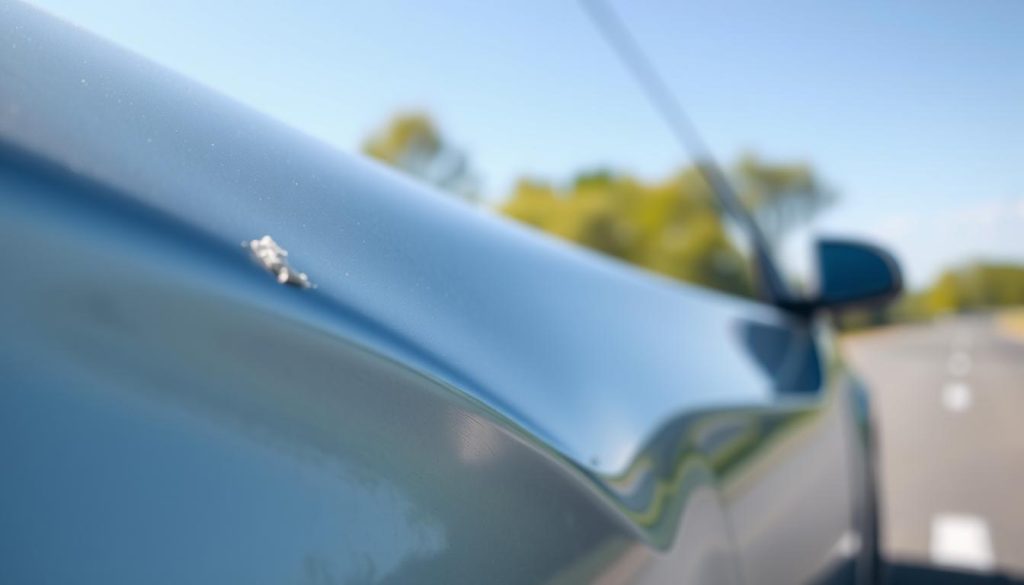
A car ding is typically a small dent or depression in the vehicle’s body, often caused by minor collisions or contact with other objects. Unlike major collision damage, which can compromise the structural integrity of the vehicle, a car ding is generally superficial. However, if left unrepaired, it can lead to rust or further damage, especially if the paint is chipped or cracked.
Most Common Places Where Car Dings Happen
Car dings can occur in various locations, but they are most common in areas with dense parking or high vehicle traffic. Parking lots, where vehicles are in close proximity and maneuvering space is limited, are hotspots for minor collisions. Additionally, urban streets with parallel parking or narrow lanes can also contribute to the likelihood of dings.
Why Quick Action Matters After a Ding
Taking quick action after a car ding is essential for several reasons. First, it allows for a timely assessment of the damage, which can prevent further issues like rust. Second, documenting the damage promptly can be beneficial if you need to file an insurance claim. Lastly, addressing the ding quickly can help maintain your vehicle’s appearance and potentially its resale value.
By understanding the nature of car dings and the importance of swift action, drivers can better manage the consequences of minor collisions.
What to Do if Someone Dings Your Car: Steps for Handling Minor Collisions
When someone dings your car, it’s essential to know the right steps to take. A minor collision can be stressful, but handling it properly can make a significant difference in the outcome.
Step 1: Stay Calm and Assess the Damage Immediately
After a minor collision, staying calm is crucial. Take a deep breath and assess the damage to your vehicle. Check if there are any injuries or significant damages that require immediate attention.
- Inspect the vehicle for any visible damage.
- Check for any injuries to yourself or others involved.
- Take note of the location and any relevant environmental factors.
Step 2: Locate the Responsible Party Before They Leave
If the collision involves another party, it’s vital to locate them before they leave the scene. Try to get their attention and engage in a calm conversation.
- Politely ask the other driver to stop and exchange information.
- Ensure you get their contact and insurance details.
- If they are uncooperative, try to note down their license plate number.
Step 3: Move to a Safe Location If Needed
If the collision occurred in a hazardous location, such as a busy highway, move to a safe location if possible. This will help prevent further accidents or complications.
Look for a nearby parking lot or a wide shoulder where you can safely move your vehicle. Turn on your hazard lights to alert other drivers.
Step 4: Begin Documenting Everything at the Scene
Documentation is key after a minor collision. Take photographs of the damage to both vehicles involved, and note the location, time, and any other relevant details.
- Capture images of the vehicles from multiple angles.
- Record the date, time, and location of the incident.
- Note any witness statements or contact information.
By following these steps, you can effectively manage a minor collision and ensure that you are well-prepared for any subsequent actions, such as filing an insurance claim or dealing with repairs.
Collecting Essential Information and Evidence
The aftermath of a minor car collision requires careful documentation to ensure that all parties involved are held accountable and that the insurance claim is processed without a hitch. Effective collection of information and evidence is crucial for a successful claim.
Exchanging Driver Information Properly
One of the first steps after ensuring everyone’s safety is exchanging driver information. This includes:
Required Personal and Contact Details
It’s essential to obtain the other driver’s full name, phone number, and address. This information is vital for your insurance company and for any potential legal proceedings.
Insurance Policy Information to Collect
Request the other driver’s insurance provider and policy number. This information is necessary for filing a claim through their insurance.
Vehicle Details and License Plate Numbers
Record the make, model, and license plate number of the other vehicle involved. This helps in identifying the vehicle and is crucial for insurance purposes.
Taking Effective Photographs of the Damage
Photographic evidence is invaluable in supporting your claim. Ensure you capture:
Multiple Angles of Your Vehicle
Take photos of your vehicle from multiple angles to document all the damage. This provides a comprehensive view of the impact.
The Other Vehicle and Surrounding Area
Similarly, photograph the other vehicle involved and the surrounding area. This can help establish the context of the collision.
Identifying and Recording Witness Information
If there are any witnesses, it’s crucial to obtain their statements and contact information. Witnesses can provide an impartial account of the incident, which can be very helpful.
To record witness information effectively, ask them to describe what they saw and take note of their name, phone number, and address. This information can be critical in supporting your version of events.
When and How to File a Police Report
When involved in a minor car accident, one of the key decisions you’ll need to make is whether to file a police report. This decision can significantly impact how you handle the aftermath, including dealing with insurance claims and potential legal issues.
State Requirements for Reporting Minor Collisions
Different states have varying requirements regarding when a car accident must be reported to the authorities. For instance, some states mandate reporting any accident that results in damage above a certain threshold, while others require a report for any accident involving injury or death. It’s essential to familiarize yourself with your state’s specific laws to ensure compliance.
Key Points to Consider:
- Check your state’s minimum damage threshold for reporting accidents.
- Understand the time frame within which you must file the report.
- Be aware of any specific documentation required by your state.
Calling Police to the Scene versus Filing Later
Deciding whether to call the police to the scene of the accident or to file a report later depends on several factors, including the severity of the accident and the level of cooperation from the other parties involved. Calling the police to the scene can provide an immediate, objective record of the accident, which can be invaluable for insurance purposes.
Consider calling the police to the scene if:
- There are injuries or significant property damage.
- The other party is uncooperative or flees the scene.
- You are unsure about the other party’s insurance status.
What Information the Police Report Will Include
A police report typically includes crucial details about the accident, such as the date, time, and location, as well as information about the vehicles and parties involved. It may also contain witness statements and an officer’s assessment of the accident’s cause.
Typical Contents of a Police Report:
- Vehicle and driver information.
- Description of the accident scene and damage.
- Witness statements and contact information.
- Officer’s narrative of the accident.
Obtaining Your Copy of the Police Report
After the police have filed their report, it’s crucial to obtain a copy for your records. This document can be vital when dealing with insurance companies or if legal issues arise. The process for obtaining a copy varies by jurisdiction, so you may need to contact the police department or visit their website.
Steps to Obtain Your Copy:
- Check the police department’s website for instructions.
- Contact the records division to inquire about the report’s availability.
- Be prepared to provide the report number and other identifying details.
Navigating the Insurance Claim Process
The insurance claim process is a critical aspect of handling minor collisions and car dings. Understanding the steps involved can help ensure that you receive the compensation you need to repair your vehicle.
Contacting Your Insurance Company Promptly
After a minor collision, it’s essential to contact your insurance company as soon as possible. This initial step sets the stage for the entire claims process. Be prepared to provide details about the incident, including the date, time, location, and a description of what happened. Your insurance provider will guide you through the necessary steps and inform you of the required documentation.
Tip: Keep a record of your communication with the insurance company, including dates, times, and the names of representatives you speak with.
Filing a Claim Through the Other Driver’s Insurance
If the other driver was at fault, you may need to file a claim through their insurance company. This process involves exchanging information with the other driver and providing evidence to support your claim. It’s crucial to document the damage and gather witness statements if available.
Understanding Your Coverage Options
Understanding your insurance coverage is vital when filing a claim. There are different types of coverage, and knowing what you have can affect the outcome of your claim.
Collision Coverage for Your Damages
Collision coverage is an optional insurance coverage that pays for damages to your vehicle resulting from a collision, regardless of who is at fault. This coverage is subject to your policy’s deductible.
When to Use Your Own Policy
In some cases, it may be beneficial to use your own insurance policy to cover the damages, especially if the other driver’s insurance is not cooperating or if you’re not sure about their coverage details. Using your own policy can expedite the repair process.
| Coverage Type | Description | When to Use |
|---|---|---|
| Collision Coverage | Pays for damages to your vehicle from a collision, regardless of fault. | When you want to get repairs done quickly, or the other driver’s insurance is not cooperating. |
| Liability Coverage | Covers damages to others if you’re at fault. | When you’re at fault in an accident. |
| Comprehensive Coverage | Covers damages not related to accidents, such as theft or natural disasters. | For non-collision damages. |
Working with Insurance Adjusters
Once you’ve filed a claim, an insurance adjuster will be assigned to your case. The adjuster’s role is to assess the damage and determine the extent of the insurance company’s liability. Be prepared to provide additional information and answer questions about the incident.
It’s essential to be cooperative and transparent when working with insurance adjusters to ensure a smooth claims process.
Handling Hit-and-Run Ding Situations
Dealing with a hit-and-run ding requires immediate action and a clear understanding of the next steps. When a driver dings your car and leaves the scene without providing contact information, it can be a frustrating experience. However, knowing how to handle the situation can make a significant difference in resolving the issue efficiently.
Immediate Steps When the Driver Has Left
If you find yourself in a hit-and-run situation, the first step is to ensure your safety and the safety of others around you. Move to a safe location if necessary, and then assess the damage to your vehicle. It’s crucial to document the scene and the damage, even if the other party has left.
Take photographs of the damage and any relevant surroundings. This visual evidence can be invaluable when filing a claim or report. Additionally, try to recall any details about the vehicle that fled the scene, such as its make, model, or license plate number, although this information is often not available.
Searching for Parking Lot Security Footage
One of the next steps is to search for any security footage that may have captured the incident. Many parking lots and nearby businesses have CCTV cameras that could have recorded the hit-and-run.
Visit the parking lot’s management or security office to inquire about obtaining the footage. Be prepared to provide the date and time of the incident, as well as any other relevant details. If the parking lot doesn’t have the footage or refuses to share it, consider asking nearby businesses if they have any relevant video.
Asking Nearby Businesses for Camera Access
Even if the parking lot itself doesn’t have useful footage, nearby businesses might have cameras that captured the incident. Politely ask the owners or managers if they are willing to share their security footage. Having a clear and respectful approach can make a significant difference in obtaining this valuable evidence.
Filing a Hit-and-Run Police Report
Filing a police report is a critical step in handling a hit-and-run incident. Contact the local police department to report the incident, providing as much detail as possible, including any evidence you’ve gathered.
The police report will be essential for insurance purposes and can help in identifying the perpetrator if they are later found. Ensure you obtain a copy of the police report for your records, as this will be required when filing your insurance claim.
Claiming Under Uninsured Motorist Coverage
If the hit-and-run driver is not identified, you may still be able to claim under your uninsured motorist coverage, if you have it. This type of coverage is designed to protect you in situations where the other party is either uninsured or unknown.
Review your insurance policy to understand your coverage options. Contact your insurance provider to discuss the process for filing a claim under your uninsured motorist coverage. They will guide you through the necessary steps and required documentation.
Choosing the Right Repair Method for Your Ding
Repairing a car ding requires careful consideration of the most suitable repair method. The type of damage and the extent of the ding will significantly influence the choice between available repair options.
Obtaining Multiple Repair Estimates
Before deciding on a repair method, it’s advisable to obtain multiple repair estimates from different service providers. This allows car owners to compare prices and services, ensuring they get the best value for their money. When seeking estimates, consider the reputation of the repair shop, the technology they use, and customer reviews.
Key factors to consider when obtaining repair estimates include:
- The extent of the damage
- The cost of parts and labor
- The repair shop’s warranty policy
- Customer service and turnaround time
Paintless Dent Repair for Minor Dings
Paintless dent repair (PDR) is a popular method for fixing minor dings without the need for painting. This technique is less invasive and can be more cost-effective than traditional repair methods.
Benefits and Cost of Paintless Dent Repair
The benefits of PDR include preserving the car’s original paint job, reducing repair time, and potentially lowering costs. The cost of PDR can vary based on the size and location of the ding, as well as the technician’s expertise.
| Repair Method | Cost Range | Typical Use Case |
|---|---|---|
| Paintless Dent Repair | $50-$300 | Minor dings with no paint damage |
| Traditional Body Shop Repair | $200-$1,000+ | Dings with paint damage or larger dents |
When Paintless Repair Is Not Suitable
PDR is not suitable for all types of damage. If the ding has caused paint damage or is too large, traditional body shop repairs may be necessary.
Traditional Body Shop Repairs
For more extensive damage, traditional body shop repairs are often the best option. This method involves more extensive work, including potentially repainting the affected area.
Traditional body shop repairs are ideal for:
- Dings that have caused significant paint damage
- Larger dents that require more substantial repair work
- Cars with complex body panels or unique paint finishes
Weighing Insurance Claims Against Out-of-Pocket Costs
When deciding how to pay for repairs, car owners must weigh the benefits of filing an insurance claim against the potential out-of-pocket costs.
Calculating Your Deductible Impact
If you decide to file an insurance claim, your deductible will directly impact your out-of-pocket expenses. It’s essential to calculate whether filing a claim is cost-effective based on your deductible and the extent of the damage.
Considering Future Premium Increases
Filing an insurance claim can potentially lead to increased premiums in the future. Car owners should consider this long-term impact when deciding whether to file a claim or pay out-of-pocket.
Conclusion
After experiencing a car ding or minor collision, taking the right steps can make a significant difference in resolving the issue efficiently. By understanding the extent of the damage, collecting necessary information, and navigating the insurance claim process, you can minimize the stress and financial impact of such incidents.
Whether you’ve had to file a claim through your insurance company or the other driver’s, being informed about your coverage options and working closely with insurance adjusters is crucial. In cases of hit-and-run, knowing how to search for security footage and file a police report can be invaluable.
Ultimately, choosing the right repair method, whether paintless dent repair or traditional body shop services, depends on the extent of the damage and your insurance coverage. By following the steps outlined, you can ensure that your car is restored to its original condition with minimal out-of-pocket costs.
Handling a car ding or minor collision effectively requires patience, attention to detail, and a clear understanding of the insurance claim process. By staying calm, documenting everything, and seeking the right professional help, you can navigate these situations with confidence.
FAQ
What is considered a minor collision?
A minor collision is typically defined as an incident where the damage is limited to minor dings or scratches, and there are no serious injuries or significant property damage.
Do I need to report a minor car ding to the police?
The necessity of reporting a minor car ding to the police depends on the state requirements and the extent of the damage. It’s best to check local laws and regulations regarding reporting minor collisions.
How do I document damage after a minor collision?
To document damage, take multiple photographs of the damage from various angles, including close-ups and wider shots that show the surrounding area and the other vehicle involved.
What information should I exchange with the other driver after a minor collision?
You should exchange personal and contact details, insurance policy information, and vehicle details, including license plate numbers, with the other driver.
Can I use paintless dent repair for my car ding?
Paintless dent repair is suitable for minor dings where the paint is not damaged. It’s a cost-effective and efficient method, but it may not be suitable for more extensive damage.
How do I file an insurance claim for a minor collision?
To file an insurance claim, contact your insurance company promptly, provide the necessary documentation, including photographs and witness statements, and cooperate with the insurance adjuster to assess the damage.
What is uninsured motorist coverage, and how does it apply to hit-and-run incidents?
Uninsured motorist coverage is a type of insurance that protects you if you’re involved in an accident with someone who doesn’t have insurance or flees the scene. You can file a claim under this coverage for hit-and-run incidents.
Should I get multiple repair estimates for my car ding?
Yes, obtaining multiple repair estimates is recommended to compare prices and services, ensuring you get the best value for the repairs.
How do I choose between filing an insurance claim and paying out-of-pocket for repairs?
Consider factors such as the cost of repairs, your deductible, and potential future premium increases when deciding whether to file an insurance claim or pay out-of-pocket.
What are the benefits of paintless dent repair compared to traditional body shop repairs?
Paintless dent repair is generally less expensive, faster, and preserves the original paint finish, whereas traditional body shop repairs may be more suitable for more extensive damage or when the paint is damaged.