The automotive sector’s reliance on automatic transmission fluids is paramount for vehicular smoothness. Dexron II, a stalwart in transmission fluid usage, has served for decades. Its enduring presence underscores the critical role of such fluids in vehicular functionality.
Advancements in technology necessitate the exploration of compatible and efficacious transmission fluids. This discourse delves into the evolution of automatic transmission fluids, with a particular focus on the Dexron II equivalent. Its significance within the industry is profound.
The plethora of equivalents available necessitates a nuanced understanding of their differences and compatibility. This article endeavors to offer a comprehensive overview of the options at hand. It aims to elucidate their implications for the automotive sector.
Key Takeaways
- Understanding the evolution of automatic transmission fluids is crucial for vehicle maintenance.
- The Dexron II equivalent has various options available, each with its own specifications.
- Choosing the right transmission fluid is essential for optimal vehicle performance.
- The automotive industry relies on compatible and efficient transmission fluids.
- Knowledge of transmission fluid specifications is vital for making informed decisions.
The Evolution of Automatic Transmission Fluids
Automatic transmission fluids have undergone profound transformations, adapting to the technological advancements in vehicle engineering. These advancements necessitated the creation of more efficient, fuel-sparing, and resilient transmission fluids. The evolution of these fluids reflects a commitment to enhancing vehicle performance and longevity.
The Development of Dexron Standards
The Dexron standard was initially introduced by General Motors in the 1960s, establishing benchmarks for automatic transmission fluids. Subsequent iterations of the Dexron standard have incorporated enhanced specifications, such as superior friction stability and wear protection. These updates underscore the ongoing quest for excellence in transmission fluid technology.
The Significance of Dexron II in Automotive History
Dexron II represented a paradigm shift in transmission fluid technology, offering enhanced thermal stability and friction properties. Its introduction was a pivotal moment, enabling the development of more efficient and dependable transmissions. This innovation played a crucial role in the evolution of automatic transmission fluids, setting a new standard for the industry.
| Dexron Standard | Introduction Year | Key Features |
|---|---|---|
| Dexron | 1960s | Initial specification for automatic transmission fluids |
| Dexron II | 1970s | Improved thermal stability and friction characteristics |
| Dexron III | 1990s | Enhanced low-temperature performance and fuel efficiency |

What Makes Dexron II Unique
Dexron II stands as a pivotal development in the evolution of automatic transmission fluids, embodying a distinctive amalgamation of attributes. Its creation responded to the escalating needs of the automotive sector in the latter half of the 20th century. It achieved a harmonious equilibrium between friction modification, wear protection, and thermal stability.
Key Properties and Specifications
The essence of Dexron II lies in its viscosity index, friction durability, and anti-wear properties. It boasts a viscosity index that guarantees optimal functionality across a broad temperature spectrum, rendering it adaptable to diverse driving environments. Its specifications were meticulously crafted to fulfill the stringent requirements of automatic transmissions, prioritizing both durability and efficiency.
Original Applications and Vehicle Compatibility
Initially, Dexron II was designated for General Motors’ automatic transmissions. Yet, its adaptability and performance soon garnered widespread acceptance across multiple vehicle manufacturers. The versatility of Dexron II in accommodating a variety of transmission configurations played a pivotal role in its widespread adoption. Its compatibility with a broad range of vehicles, spanning from passenger cars to commercial vehicles, underscored its success.
Grasping the original applications and vehicle compatibility of Dexron II is imperative for preserving the integrity and longevity of a vehicle’s transmission system. It underscores the criticality of selecting the appropriate transmission fluid to guarantee peak performance and avert potential harm.
Dexron II Equivalent: Understanding the Variations
The term “Dexron II equivalent” pertains to automatic transmission fluids, encapsulating any fluid that surpasses or meets the performance benchmarks of the original Dexron II, a product of General Motors. This concept is pivotal in the automotive industry, where the compatibility and performance of transmission fluids are paramount.
Definition of “Equivalent” in Transmission Fluids
The designation “equivalent” within the realm of transmission fluids signifies a fluid that possesses analogous or superior attributes to Dexron II. These attributes include friction modification, viscosity index, and wear protection. An equivalent fluid must adhere to, or exceed, the stringent standards set forth by Dexron II.
Why Equivalents Exist in the Market
The advent of transmission fluid equivalents is a direct response to the industry’s quest for enhanced performance, availability, and cost-effectiveness. As automotive technology evolves, newer fluids are formulated to offer superior fuel efficiency, elevated temperature stability, and augmented wear protection. The diversity in vehicle manufacturer specifications necessitates the existence of various equivalents.
Backward and Forward Compatibility Considerations
Assessing both backward and forward compatibility is imperative when selecting a Dexron II equivalent. Backward compatibility ensures that newer fluids function optimally in older transmissions, while forward compatibility guarantees that older fluids are compatible with newer vehicles. A comprehensive table illustrating these compatibility considerations is provided below.
| Fluid Type | Backward Compatibility | Forward Compatibility |
|---|---|---|
| Dexron II | Compatible with older transmissions | Limited compatibility with newer vehicles |
| Dexron III | Generally compatible with Dexron II systems | More compatible with newer vehicles than Dexron II |
| Synthetic ATF | Often compatible with both older and newer systems | Highly compatible with modern vehicles |
The table elucidates the criticality of understanding the compatibility of various transmission fluids to ensure the longevity and optimal performance of a vehicle’s transmission.
Dexron III as a Dexron II Replacement
In the context of upgrading or replacing Dexron II, Dexron III emerges as a viable option, scrutinized for its compatibility and performance enhancements. The transition from Dexron II to Dexron III necessitates an understanding of the improvements and differences between these two automatic transmission fluids.
Comparative Analysis of Dexron III vs. Dexron II
An in-depth comparison between Dexron III and Dexron II is imperative for assessing Dexron III’s suitability as a replacement. Key areas of comparison encompass viscosity differences, oxidation stability, and friction modifiers.
Viscosity Differences
Dexron III exhibits a more stable viscosity index compared to Dexron II, ensuring its lubricating properties are maintained across a broader range of temperatures. This results in smoother transmission operation and potentially longer fluid life.
Oxidation Stability Comparison
Dexron III demonstrates enhanced oxidation stability over Dexron II. This improvement reduces the likelihood of fluid degradation over time, thus preserving the transmission’s performance and longevity.
Friction Modifiers and Additives
Dexron III’s formulation includes advanced friction modifiers and additives, offering superior wear protection and smoother shifting compared to Dexron II. This is notably beneficial in modern transmissions with complex clutch materials.
| Property | Dexron II | Dexron III |
|---|---|---|
| Viscosity Index | 100 | 150 |
| Oxidation Stability | Good | Excellent |
| Friction Modifiers | Basic | Advanced |
Vehicle Manufacturer Recommendations
Consulting vehicle manufacturer recommendations is crucial when considering Dexron III as a replacement for Dexron II. Some manufacturers endorse the use of Dexron III in specific models, while others mandate specific fluids. Always refer to the vehicle’s manual or manufacturer’s website for the most accurate information.
Dexron VI and Its Compatibility with Dexron II Systems
Dexron VI marks a significant advancement in transmission technology, introducing enhanced performance and compatibility with Dexron II systems. This innovation is pivotal for contemporary vehicles, which necessitate elevated efficiency and superior transmission system protection.
Performance Improvements in Dexron VI
Dexron VI exhibits several key improvements over Dexron II. These include:
- Better low-temperature fluidity, ensuring smoother transmission operation in cold conditions.
- Improved high-temperature stability, which helps maintain the fluid’s performance during prolonged use.
- Enhanced wear protection, contributing to the longevity of transmission components.
These enhancements render Dexron VI a more versatile and reliable option for a broad spectrum of driving conditions.
When to Choose Dexron VI Over Dexron II
There are specific scenarios where opting for Dexron VI is advisable over Dexron II:
Newer GM Vehicles
For newer GM vehicles that specify Dexron VI or later, using this fluid is recommended to ensure optimal transmission performance and longevity.
Extended Service Intervals
Vehicles with extended service intervals can benefit from Dexron VI’s enhanced durability and performance consistency over longer periods.
Extreme Temperature Conditions
Drivers who frequently operate their vehicles in extreme temperatures will appreciate Dexron VI’s improved thermal stability, which helps maintain transmission health.
In summary, Dexron VI is not only compatible with systems designed for Dexron II but also offers significant performance upgrades, making it a preferable choice for many modern driving needs.
Mercon Fluids as Dexron II Alternatives
In the realm of transmission fluids, Mercon emerges as a notable substitute for Dexron II, predominantly for Ford vehicles. These fluids are meticulously crafted to fulfill the transmission requirements of Ford, sparking curiosity regarding their compatibility with Dexron II necessitated systems.
Mercon vs. Dexron II: Key Differences
The distinction between Mercon and Dexron II fluids resides in their formulation and performance attributes. Mercon fluids are bespoke for Ford’s transmission needs, incorporating distinct friction modifiers and viscosity indexes, diverging from Dexron II’s specifications.
| Characteristics | Mercon | Dexron II |
|---|---|---|
| Friction Modifier | Ford-specific | GM-specific |
| Viscosity Index | Optimized for Ford transmissions | Designed for GM transmissions |
Cross-Compatibility Between Mercon and Dexron II
Despite their disparate specifications, Mercon and Dexron II fluids may be interchanged under certain conditions, contingent upon the vehicle’s transmission and manufacturer advisements.
Ford Transmission Applications
Mercon fluids are the quintessential choice for Ford transmissions, ensuring optimal performance and protection.
Mercon V and Dexron II Interchangeability
Mercon V, an advanced iteration of Mercon fluid, warrants verification of compatibility with Dexron II necessitated systems by the vehicle manufacturer.
Manufacturer Warnings and Exceptions
Substitution of Mercon for Dexron II or vice versa may invalidate warranties or precipitate transmission malfunctions, absent manufacturer approval.
Synthetic ATF Options Compatible with Dexron II
In the quest for a Dexron II equivalent, several synthetic ATF alternatives emerge, distinguished by their superior attributes. These advanced lubricants boast enhanced thermal stability, superior low-temperature performance, and potentially extended fluid lifespan, surpassing their conventional counterparts.
Mobil1 Synthetic ATF
Mobil1 Synthetic ATF stands as a pinnacle of high-performance fluid, engineered for a broad spectrum of vehicles. It excels in excellent low-temperature fluidity and high-temperature stability, rendering it ideal for both contemporary and antiquated vehicles that originally employed Dexron II. Its advanced formulation ensures improved wear protection and extended fluid longevity.

Valvoline MaxLife Synthetic
Valvoline MaxLife Synthetic ATF is crafted for vehicles with elevated mileage or those demanding superior performance. It is formulated to condition seals and gaskets while delivering superior friction durability. This ATF is Dexron II compatible, offering enhanced protection against wear and corrosion.

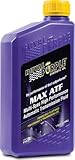
Royal Purple Max ATF
Royal Purple Max ATF represents a synthetic fluid that excels in outstanding wear protection and friction modification for seamless shifting. It is engineered to be compatible with a vast array of transmissions, including those that specify Dexron II. The fluid’s advanced additive package fortifies against corrosion and wear, ensuring the prolonged durability of transmission components.
These synthetic ATF alternatives present vehicle owners with the potential for enhanced transmission performance and longevity. It is imperative to consult the vehicle’s manual or manufacturer’s guidelines to ascertain compatibility when selecting a fluid.
Multi-Vehicle ATFs as Dexron II Equivalents
The pursuit of a Dexron II substitute has prompted an examination of multi-vehicle ATFs. These fluids, engineered for compatibility across a broad spectrum of vehicles, emerge as a practical alternative for those in search of a Dexron II equivalent.
Castrol Transmax Import Multi-Vehicle
Castrol Transmax Import Multi-Vehicle stands as a pinnacle of ATF performance, surpassing the benchmarks set by numerous vehicle manufacturers. Its formulation ensures superior friction durability and enhanced low-temperature fluidity, rendering it an exemplary choice for a diverse array of vehicles, including those necessitating Dexron II.

Pennzoil Multi-Vehicle ATF
Pennzoil Multi-Vehicle ATF garners acclaim as a Dexron II substitute. It is crafted to offer unparalleled protection against wear and corrosion, alongside ensuring seamless shifting and peak transmission performance.

Limitations of Universal Fluids
Despite their numerous advantages, multi-vehicle ATFs are not without their limitations. Compromises in formulation can lead to a fluid that does not precisely align with the specifications of any singular vehicle.
Compromises in Formulation
Universal ATFs, by their very nature, may not deliver the pinnacle of performance for every vehicle. They are conceived as a versatile solution, yet they may not excel in every aspect.
Specific Vehicle Exceptions
Some vehicles may harbor specific requirements that are not fulfilled by multi-vehicle ATFs. For instance, certain European manufacturers may demand unique ATF specifications that these universal fluids fail to meet.
Industry experts underscore the importance of consulting your vehicle’s manual to verify compatibility with multi-vehicle ATFs.
OEM-Specific Equivalents to Dexron II
The pursuit of a Dexron II equivalent often directs vehicle proprietors towards OEM-specific transmission fluids. These formulations are meticulously crafted to align with the exacting standards of the vehicle’s manufacturer. They are instrumental in ensuring the transmission system’s optimal functionality and extended lifespan.
Toyota Type T-IV and WS Fluids
Toyota has developed a distinct range of Automatic Transmission Fluids (ATF), encompassing Type T-IV and WS variants. Type T-IV is employed in a multitude of Toyota models, renowned for its adaptability across various driving environments. In contrast, Toyota WS is a more contemporary fluid, tailored for newer models necessitating an advanced ATF.
Honda ATF-Z1 and DW-1
Honda’s ATF formulations, including ATF-Z1 and DW-1, cater to specific vehicle requirements. While ATF-Z1 was historically prevalent, DW-1 has emerged as the preferred option for newer Honda models. This shift is attributed to DW-1’s enhanced frictional characteristics and broader compatibility with diverse driving conditions.
European Manufacturer Equivalents
European automotive manufacturers adhere to distinct ATF specifications, reflecting the varied demands of their transmission systems.
BMW/MINI Fluids
BMW and MINI advocate the use of their proprietary ATF, engineered to fulfill the high-performance requisites of their vehicles. Adherence to the correct fluid is paramount for warranty maintenance and transmission longevity.
Mercedes-Benz Specifications
Mercedes-Benz prescribes its own ATF specifications, including the MB 236.xx series. These formulations are designed to deliver the requisite friction and wear protection for Mercedes-Benz transmissions.
Volkswagen/Audi Options
Volkswagen and Audi mandate specific ATF requirements, often specifying fluids that meet their unique standards, such as VW/Audi G 052 182 or G 055 529. The utilization of the correct fluid is critical for transmission health.
In summary, the quest for a Dexron II equivalent necessitates consideration of the vehicle manufacturer’s recommended fluid. OEM-specific equivalents offer superior performance and protection for the transmission, ensuring vehicular operation remains seamless and efficient.
Potential Risks of Using Incorrect Dexron II Equivalents
The selection of an incompatible Dexron II alternative can precipitate severe consequences for your vehicle’s transmission. Utilizing the incorrect fluid may result in a spectrum of malfunctions, ranging from minor inconveniences to catastrophic transmission failure.
Transmission Damage Scenarios
Incompatible fluids can inflict substantial harm upon transmission components. This encompasses:
Clutch Plate Degradation
Utilizing fluids not designed for the application can expedite the deterioration of clutch plates, thus diminishing their operational efficacy and longevity.
Valve Body Issues
The valve body, being highly sensitive to fluid compatibility, can suffer from adverse effects when exposed to incompatible fluids. Such exposure may result in valve sticking or clogged passages.
Seal Compatibility Problems
Incompatible fluids can compromise the integrity of seals, culminating in leaks and a loss of transmission pressure.
Warning Signs of Incompatible Fluid Use
Recognizing the warning signs of incompatible fluid use is paramount. These indicators include:
Shifting Abnormalities
Erratic or harsh shifting patterns can serve as a harbinger of incompatible fluid usage.
Unusual Noises
Whining, grinding, or clunking noises emanating from the transmission can signal potential problems stemming from the use of incorrect fluid.
Fluid Discoloration and Odor
Fluid exhibiting dark or burnt-smelling characteristics can indicate degradation or contamination, necessitating immediate attention.
How to Choose the Right Dexron II Equivalent for Your Vehicle
The selection of an appropriate Dexron II equivalent necessitates a methodical approach, beginning with a thorough comprehension of your vehicle’s unique needs. This understanding serves as the foundation for making decisions that align with those requirements.
Consulting Your Vehicle’s Manual
Initiating the process involves consulting your vehicle’s manual. This document contains critical information regarding the recommended transmission fluid. Always refer to the manual to guarantee the selection of the correct fluid for your vehicle.
Understanding Specification Sheets and Approvals
Specification sheets and approvals from the vehicle manufacturer are pivotal in ascertaining the compatibility of a Dexron II equivalent. It is imperative to identify fluids that meet or surpass the specifications delineated by your vehicle’s manufacturer. Pay close attention to any specific approvals or certifications mentioned in the manual or on the manufacturer’s website.
When to Seek Professional Advice
In cases of uncertainty regarding the optimal Dexron II equivalent for your vehicle, seeking professional advice is advisable. Consult with a trusted mechanic or transmission specialist who can offer guidance tailored to your vehicle’s condition and history. As one expert astutely observes,
“Using the wrong transmission fluid can lead to significant damage, so it’s always better to err on the side of caution.”
Conclusion
The significance of identifying Dexron II equivalents cannot be overstated, as it directly impacts the longevity and performance of your vehicle’s transmission. This discourse has delved into the myriad of substitutes for Dexron II, encompassing Dexron III, Dexron VI, Mercon fluids, synthetic ATF options, and OEM-specific equivalents. Each of these alternatives presents a unique set of specifications and compatibility considerations.
A detailed transmission fluid summary underscores the importance of selecting a Dexron II equivalent that aligns with your vehicle’s manual and specifications. This meticulous approach ensures that the chosen fluid meets the necessary standards and approvals, thus preventing potential damage to the transmission.
Opting for the correct transmission fluid is paramount to safeguarding your vehicle’s transmission from harm. By selecting an appropriate Dexron II equivalent, you can guarantee optimal performance, enhanced fuel efficiency, and prolonged longevity of your vehicle’s transmission system.
In summary, a comprehensive grasp of Dexron II equivalents and their variations is indispensable for making informed decisions regarding your vehicle’s transmission fluid requirements. This knowledge leads to a more refined driving experience and, ultimately, cost savings over the long term.
FAQ
What is Dexron II equivalent?
Dexron II equivalent denotes alternative automatic transmission fluids that fulfill the identical specifications and performance benchmarks as the original Dexron II fluid.
Can I use Dexron III as a replacement for Dexron II?
Affirmative, Dexron III can serve as a substitute for Dexron II in numerous instances; yet, it is imperative to verify your vehicle’s manual or seek professional counsel to ascertain compatibility.
What are the key differences between Dexron II and Mercon fluids?
Dexron II and Mercon fluids exhibit distinct formulations and specifications, with Dexron II tailored for General Motors transmissions and Mercon for Ford transmissions.
Are synthetic ATF options compatible with Dexron II?
Affirmative, certain synthetic ATF options, including Mobil1 Synthetic ATF, Valvoline MaxLife Synthetic, and Royal Purple Max ATF, are compatible with Dexron II and can be employed as alternatives.
What are the risks of using incorrect Dexron II equivalents?
Utilizing incorrect Dexron II equivalents poses significant risks, including transmission damage such as clutch plate degradation, valve body issues, and seal compatibility problems.
How do I choose the right Dexron II equivalent for my vehicle?
To select the appropriate Dexron II equivalent, consult your vehicle’s manual, comprehend specification sheets and approvals, and seek professional advice if necessary.
Can I use multi-vehicle ATFs as Dexron II equivalents?
Affirmative, certain multi-vehicle ATFs, such as Castrol Transmax Import Multi-Vehicle and Pennzoil Multi-Vehicle ATF, can function as Dexron II equivalents; albeit, be cognizant of their limitations and potential formulation compromises.
What are OEM-specific equivalents to Dexron II?
OEM-specific equivalents to Dexron II encompass fluids from Toyota, Honda, and European manufacturers like BMW, Mercedes-Benz, and Volkswagen/Audi, which are formulated to meet specific vehicle requirements.
How do I know if I’ve used an incompatible Dexron II equivalent?
Indicators of incompatible fluid use include shifting abnormalities, unusual noises, and fluid discoloration and odor.
Can I use Dexron VI in place of Dexron II?
Affirmative, Dexron VI can be employed in lieu of Dexron II in many instances, notably in newer GM vehicles or under extreme temperature conditions; yet, verify your vehicle’s manual or consult with a professional to ensure compatibility.