Quick guide: This introduction explains what struts do, where they sit in the vehicle suspension system, and how they affect ride quality and safety on US roads.
The suspension system pairs tires, springs, dampers, and structural links to keep a vehicle stable. Struts take on load and damping roles that smooth bumps and maximize tire contact with the road.
Real-world stakes: Poorly maintained parts cause less control, rougher ride, and faster tire wear. This guide will define components, compare shocks versus struts, list warning signs, and outline basic inspection and replacement steps.
Expect practical help: You’ll learn how to spot trouble, run a simple at-home check, and decide when to see a technician for repairs or replacement.
Key Takeaways
- Struts are key suspension components that support weight and control rebound.
- They work with springs and tires to keep grip on uneven pavement and at highway speeds.
- Worn parts reduce control, comfort, and can cause uneven tire wear.
- Simple checks can reveal leaking fluid, noisy travel, or excessive bounce.
- Timely inspection and service improve safety and lower long-term costs.
What Are Struts on a Car and How Do They Fit Into the Suspension System?
Struts carry vehicle weight while shaping how each wheel reacts to bumps and steering inputs.
Structural, weight-bearing role
Struts are not just comfort parts. They act as load-bearing columns that link the wheel area to the body. This connection helps control steering geometry and supports the vehicle’s weight.
Inside the assembly
Most strut assemblies combine a coil spring and a shock absorber in one unit. The spring sets ride height and shares weight support. The absorber tames spring motion to keep the tire in contact with pavement.
Where you’ll find them
Many U.S. front-wheel-drive models use struts up front, though some designs place them elsewhere. The strut mounts to the steering knuckle near the control arm and ball joint, so its condition affects alignment and handling.
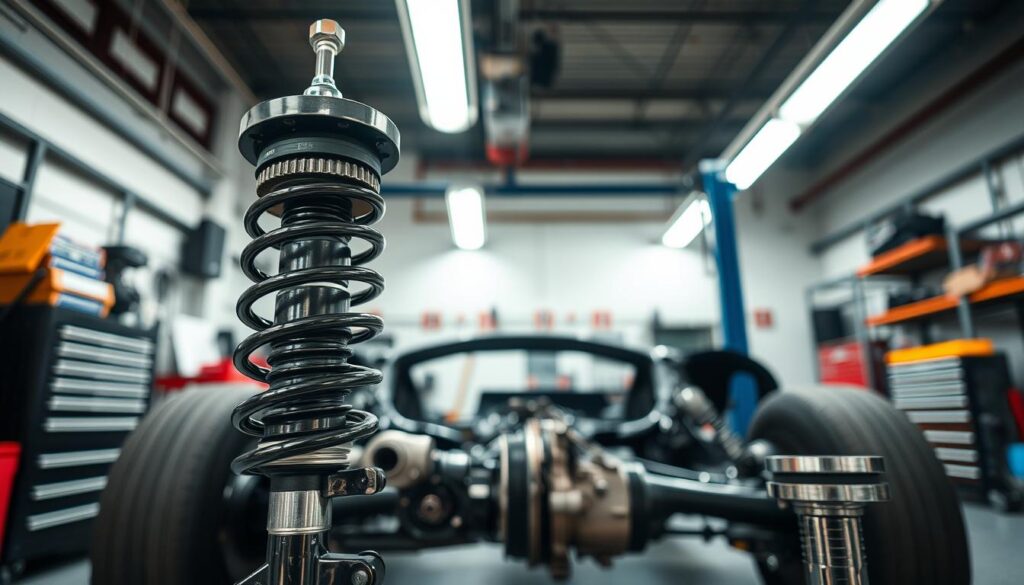
| Component | Primary Function | Typical Location |
|---|---|---|
| Coil spring | Support weight, set ride height | Around strut shaft |
| Shock absorber | Dampen oscillations, control rebound | Inside strut body |
| Strut housing | Structural link to steering knuckle | Front wheel area on many vehicles |
What Are Struts On a Car And Why Are They Important
Think of struts as a dual-role component that supports vehicle weight and controls motion from the spring. This combo keeps suspension geometry steady so alignment and steering remain predictable.
Support, alignment, and steering
Structural support links the wheel to the chassis. When the strut holds weight correctly, the vehicle keeps designed ride height. That stability helps alignment targets stay close to spec and preserves steering feel over time.
Damping, bumps, and traction
As a damper, a strut controls spring energy so the vehicle stops bouncing after a bump. This action improves handling by keeping tires planted on uneven road surfaces.
Why it matters: worn units reduce control and increase tire wear, so timely checks protect safety and maintain a smoother ride.
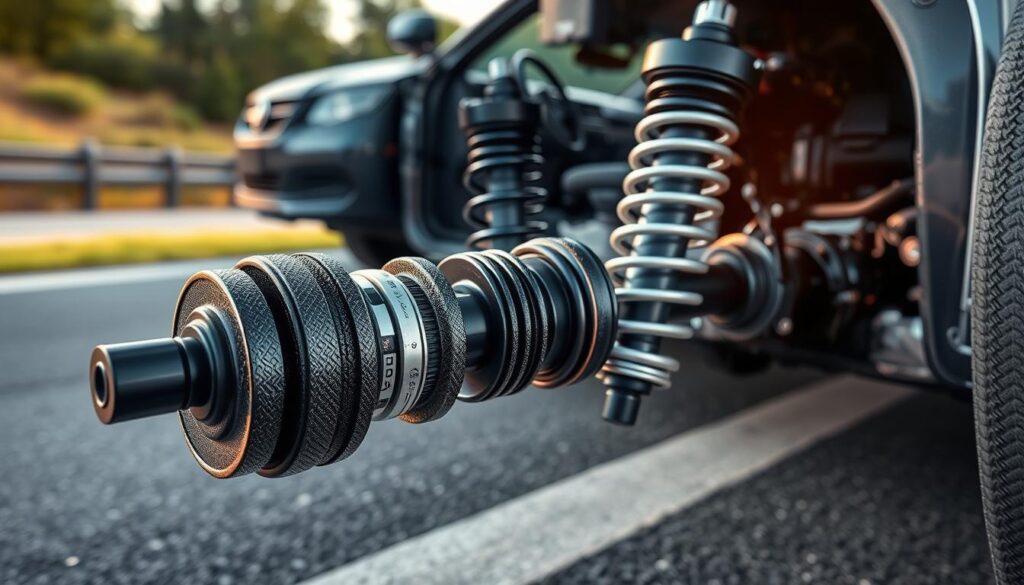
| Role | Effect | Driver Benefit |
|---|---|---|
| Load support | Maintains ride height and geometry | Consistent alignment, stable steering |
| Damping | Controls spring rebound after bumps | Less bounce, better tire contact |
| Structural link | Connects wheel to body and steering knuckle | Improved handling and cornering stability |
Struts vs. Shocks: Key Differences That Affect Ride, Handling, and Repairs
A clear split exists between standalone dampers and load-bearing suspension components in most vehicle setups.
Terminology often confuses drivers; people say “shocks” when they mean struts. That mix-up matters during parts ordering and repairs because the units differ in design and function.
Why shocks and struts aren’t interchangeable parts
Shocks normally act as independent damping devices. They do not carry vehicle weight or set alignment. Struts often serve as structural links that affect steering geometry and ride height. Swapping one for the other is not a valid repair option on most vehicles.
How shocks work: hydraulic resistance that keeps tires in contact with the road
Inside a shock, hydraulic fluid is forced through small piston openings as the suspension moves.
This resistance slows motion, so the wheel stops bouncing quickly and the tire maintains traction during bumps and braking.
How struts differ: integrated suspension and steering role
Struts pair damping with load support. They may include a coil spring and mount to the steering knuckle. Failure can change alignment, cause steering looseness, and feel like multiple issues at once.
Do all vehicles have struts?
Many cars use struts up front and shocks in the rear, but designs vary by suspension system. Some trucks and performance models use shocks on both axles.
How to tell what your vehicle has
- Check the owner’s manual for suspension type.
- Visually inspect for a coil spring wrapped around the damper—an integrated unit is a strut.
- Ask your technicians during an inspection for a definitive answer and cost estimate.
| Feature | Shocks | Struts | Repair impact |
|---|---|---|---|
| Primary role | Dampen suspension motion | Dampen plus support load | Struts often need alignment after replacement |
| Structural | No | Yes | Strut replacement can be more labor‑intensive |
| Common axle use | Rear or both axles | Front on many front‑drive models | Costs vary; struts typically cost more to service |
For background on manufacturing and sourcing, see factory strut origins.
Signs Your Struts Are Worn and Why It Matters for Safety and Tire Wear
Early warning signs often show up in steering feel, braking response, and how the vehicle rides over rough road surfaces.
Handling and stability
Swaying in turns, wandering at highway speed, delayed steering response, or reduced control during quick lane changes point to suspension issues. These handling symptoms reduce confidence and increase risk in emergency maneuvers.
Braking clues
Nose-diving during stops, longer-feeling braking, or unusual squat and dive behavior are common signs that damping has lost effectiveness. Poor braking consistency affects safety because tires lose steady contact with pavement.
Ride quality and tire wear
Excessive bouncing after bumps, harsh impacts over potholes, and a generally rough ride signal wear. Look for tire cupping or scalloping and uneven tread patterns—these tire warnings shorten life and hint at alignment or suspension damage.
Visible and audible checks
Inspect for fluid leaks and listen for clunks or knocking over bumps. Problems often develop after many miles, but rough roads can speed up damage. If you spot these signs, have the vehicle inspected to protect safety and extend tire life.
| Category | Common signs | Driver impact |
|---|---|---|
| Handling | Swaying, wandering | Less control at speed |
| Braking | Nose-dive, longer stops | Reduced stopping stability |
| Tires | Cupping, uneven wear | Shorter tire life |
How to Inspect, Maintain, and Replace Struts Over Time
A timed inspection plan helps owners catch worn components before they affect handling or tire life. Start with a basic timeline: inspect at about 50,000 miles and then every 12,000 miles or at least once per year. Rough roads, salt, and heavy loads shorten service life and may require earlier checks.
Quick bounce test: Push down hard on one corner, release, and watch. If the corner bounces more than once or oscillates, the damper likely needs attention.
Do a visual check for fluid leaks on the strut body, bent mounts, rusted hardware, or torn boots. Also inspect nearby parts: mounts, bearings, and control-arm bushings for damage.
Why see a pro: Symptoms can mimic alignment issues, low tire pressure, or worn tires. Certified technicians confirm causes and recommend repairs or replacement and advise if an alignment is needed after work.
| Action | When | Benefit |
|---|---|---|
| Inspect | ~50,000 miles / yearly | Catch wear early |
| Replace axle pair | 50k–100k miles | Balanced handling |
| Upgrade | Based on goals | Better performance or comfort |
When upgrading, consider adjustable struts, performance shocks, coilovers, or air setups—confirm compatibility with your vehicle and budget before buying.
Conclusion
Routine checks of suspension components prevent small faults from becoming costly failures. Struts act as load-bearing parts while shocks provide damping; knowing the difference helps you plan correct service for your vehicle.
Keep in mind that condition affects safety, ride, and handling. Worn units reduce tire contact, increase sway, and change braking feel—issues that raise risk on U.S. roads.
If you notice uneven wear, fluid leaks, or odd bounce, schedule an inspection. Confirm whether your car uses struts or shocks, and expect an alignment after strut work when needed.
Small steps now protect tires and long-term drivability. For related checks about bouncing, see this truck bounce guide to learn more.
FAQ
What is a strut and how does it fit into the suspension system?
A strut is a structural, weight-bearing suspension component that combines a coil spring and a shock absorber into one assembly. It supports the vehicle’s weight, helps locate the wheel, and connects the wheel hub to the chassis. On many modern cars, especially those with MacPherson strut designs, the strut replaces an upper control arm and plays a key role in steering and alignment.
What components are inside a typical strut assembly?
A typical strut assembly contains a coil spring wrapped around a shock-absorbing piston, seals, mounting hardware, and often a bearing or top mount that allows the strut to pivot with the steering. The shock absorber inside uses hydraulic damping to control spring movement and keep the tire in contact with the road.
Where are struts usually found on vehicles sold in the United States?
Many front-wheel-drive cars and crossovers use struts in the front suspension, and some compact or mid-size vehicles use struts in the rear as well. Trucks and some SUVs often use shock absorbers with separate springs for heavier loads. The vehicle’s owner manual or a visual inspection can confirm the layout.
How do struts support vehicle weight and affect alignment and steering?
Struts bear vertical loads from the vehicle and help locate the wheel assembly laterally and longitudinally. Because they set ride height and geometry, worn or damaged struts can change toe, camber, and caster angles, harming steering response and causing uneven tire wear.
How do struts dampen bumps and control spring movement?
The internal shock absorber converts kinetic energy from spring motion into heat via hydraulic resistance. That damping reduces oscillation after hitting a bump, controls spring rebound and compression, and produces a smoother, more controlled ride.
What’s the difference between struts and shocks?
Shocks and struts both damp movement, but shocks are standalone dampers that do not bear structural loads. Struts combine damping with load-bearing and steering functions. Because struts are integral to suspension geometry, they often require more complex replacement and alignment procedures than shocks.
Why aren’t shocks and struts interchangeable?
They aren’t interchangeable because struts serve as structural components that locate suspension geometry and integrate with steering. Replacing a strut with a shock would leave critical mounting points and alignment roles unaddressed, compromising safety and handling.
Do all cars have struts? How can I tell what my vehicle uses?
Not all cars have struts. Many passenger cars use front struts with either struts or shocks in the rear; trucks and some SUVs typically use separate springs and shocks. Check the owner’s manual, look under the wheel well for a strut tower and coil spring, or ask a technician for a quick inspection.
What handling and stability symptoms point to worn struts?
Common signs include increased body roll or swaying in turns, delayed steering response, and reduced control at highway speed. Worn struts can make the vehicle feel loose or unpredictable during sudden maneuvers.
How do worn struts affect braking?
Worn struts can cause nose-diving during braking, lengthen stopping distances, and change squat and dive behavior. That instability can reduce braking efficiency and driver confidence in emergency stops.
What ride quality clues indicate failing struts?
Excessive bouncing after hitting bumps, a harsh or jittery ride on uneven pavement, and a general loss of comfort often mean the damping has weakened. Passengers may notice more vibration and less body control over potholes.
What tire and alignment warnings suggest strut problems?
Uneven wear patterns such as cupping, scalloping, or accelerated edge wear often indicate poor damping or misalignment tied to strut wear. Replacing struts without correcting alignment can cause continued tire damage.
Which visible or audible signs should prompt immediate inspection?
Look for fluid leaks on the strut body, torn dust boots, bent or corroded mounting hardware, and clunking or knocking noises over bumps. Any of these signs warrants prompt inspection by a qualified technician.
When should struts be inspected or replaced?
Many manufacturers recommend inspection around 50,000 miles, but driving conditions, road salt, and heavy loads can shorten that interval. Severe potholes or persistent symptoms should trigger an earlier check.
How can I do a quick at-home bounce test and interpret the result?
Push down firmly on one corner of the vehicle and release. The car should settle within one or two rebounds. Multiple bounces indicate weak damping and suggest the strut or shock needs replacement.
What to look for during a basic visual strut inspection?
Check for oil leaks on the strut body, damaged or sagging springs, broken mounting bolts, and deteriorated rubber mounts or dust boots. Also inspect adjacent components like sway bar links and ball joints for wear.
Why should a professional diagnose strut issues?
Symptoms can mimic alignment problems, tire pressure issues, or worn steering components. A technician can isolate the cause with a proper lift inspection, road test, and alignment check to recommend the correct repairs.
What components should be replaced together with struts?
Technicians often recommend replacing both struts on an axle at once, along with mounts, bearings, and sometimes sway bar links or control arm bushings. An alignment is usually required after strut replacement to restore proper geometry.
Can I upgrade struts for improved performance?
Yes. Adjustable struts, performance shocks, coilovers, and air suspension systems offer tailored handling, ride height, and damping control. Ensure compatibility with your vehicle and professional installation to maintain safety and proper alignment.