BMW’s adaptive cruise control technology represents one of the brand’s most sophisticated driver assistance features, evolving significantly over recent years. This advanced system not only maintains your set speed but also adjusts it automatically based on traffic conditions ahead. For BMW enthusiasts and potential buyers, understanding which models offer this technology and how it functions can be crucial when making purchasing decisions.
In this comprehensive guide, we’ll explore BMW’s adaptive cruise control systems, their evolution, technical specifications, and availability across the BMW lineup. We’ll also compare BMW’s implementation to competitors and share real-world experiences from actual owners.
What Is BMW Adaptive Cruise Control?
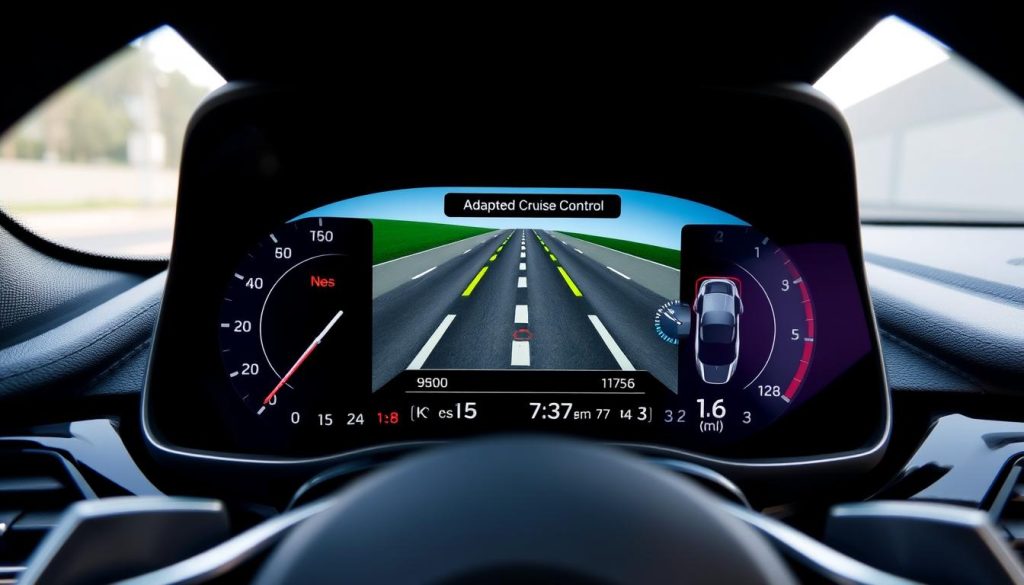
BMW’s adaptive cruise control (ACC) is an intelligent driving assistance system that automatically adjusts your vehicle’s speed to maintain a safe following distance from the car ahead. Unlike traditional cruise control, which maintains a constant speed regardless of traffic conditions, adaptive cruise control uses radar and camera sensors to monitor the road ahead.
When a slower vehicle is detected in your lane, the system automatically reduces your speed to maintain a preset following distance. Once the lane clears or the vehicle ahead accelerates, your BMW will return to your originally set cruising speed without any driver intervention.
Evolution of BMW’s Adaptive Cruise Control Systems
BMW’s cruise control technology has evolved significantly over the years:
- Standard Cruise Control – The basic system that maintains a set speed
- Active Cruise Control (ACC) – Introduced distance control functionality
- Active Cruise Control with Stop & Go – Added the ability to bring the vehicle to a complete stop and resume driving in traffic
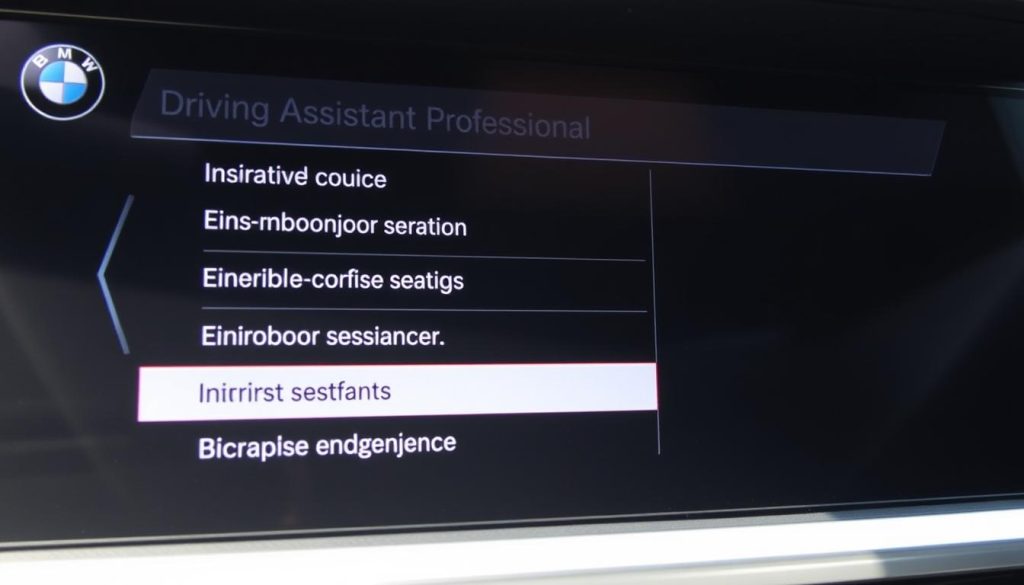
- Driving Assistant Professional – The latest iteration that combines ACC with steering and lane control assistant

Today’s BMW adaptive cruise control systems are typically part of the Driving Assistant Professional package, which represents the brand’s most comprehensive suite of driver assistance technologies. This package integrates multiple functions to deliver a semi-autonomous driving experience on highways and in stop-and-go traffic situations.
Want to experience BMW’s Adaptive Cruise Control?
Schedule a test drive at your local BMW dealership to experience this technology firsthand.
BMW Models With Adaptive Cruise Control
BMW offers adaptive cruise control across most of its current lineup, though availability may vary depending on the model year and selected packages. Here’s a breakdown of current BMW models that offer adaptive cruise control technology:

BMW Sedan Models
- BMW 3 Series
- BMW 5 Series
- BMW 7 Series
- BMW 8 Series
BMW SUV Models
- BMW X3
- BMW X4
- BMW X5
- BMW X6
- BMW X7
BMW Electric Models
- BMW i4
- BMW i7
- BMW iX
- BMW iX3
Required Packages for Adaptive Cruise Control
In most BMW models, adaptive cruise control is available as part of the following packages:
| Package Name | Features Included | Typical Cost |
| Driving Assistance Package | Basic ACC, Lane Departure Warning | $1,700 – $2,200 |
| Driving Assistance Professional Package | Full ACC with Stop & Go, Steering and Lane Control Assistant, Traffic Jam Assistant | $1,700 – $3,500 (depending on model) |
| Premium Package | May include ACC along with other luxury features | $3,200 – $5,000 |
It’s worth noting that BMW occasionally updates its package structures and naming conventions. For the most current information about a specific model, consulting the official BMW website or visiting a dealership is recommended.
Looking for a specific BMW model with Adaptive Cruise Control?
Use BMW’s official model configurator to build your ideal vehicle with all the driver assistance features you need.
Technical Specifications of BMW Adaptive Cruise Control
BMW’s adaptive cruise control system utilizes sophisticated technology to deliver a seamless driving experience. Understanding the technical aspects can help you appreciate the system’s capabilities and limitations.

Operating Parameters
| Specification | Details |
| Speed Range | 0-130 mph (0-210 km/h), depending on model |
| Minimum Operating Speed | 20 mph (30 km/h) for basic ACC; 0 mph with Stop & Go function |
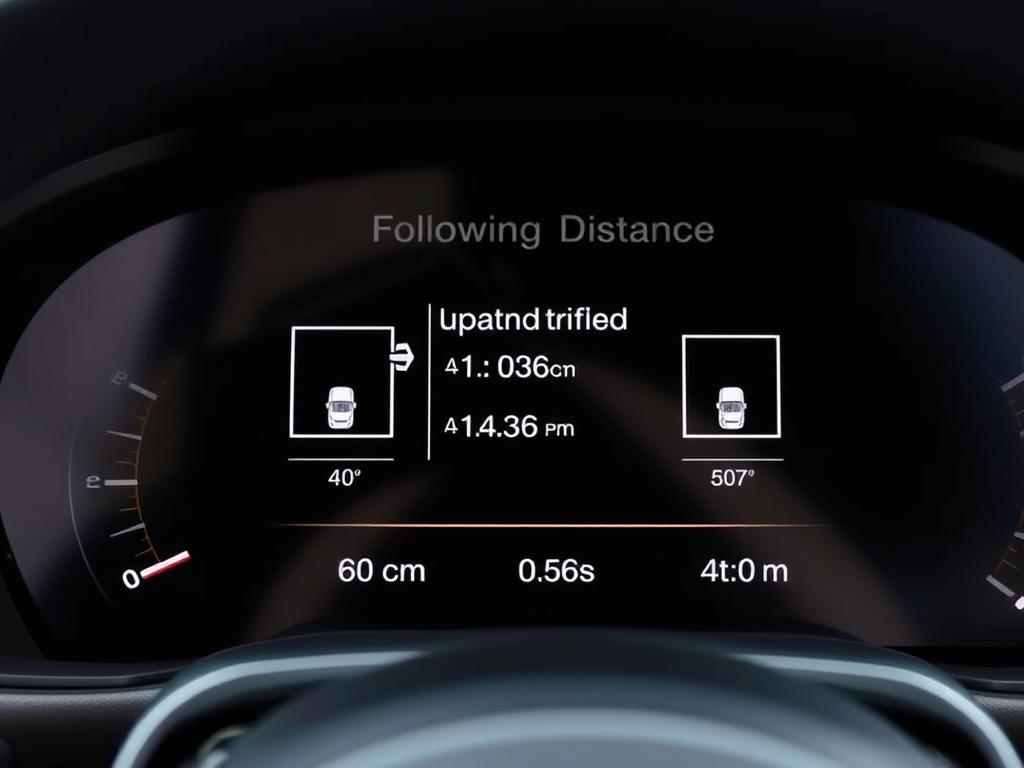
| Following Distance Settings | 4 levels (very close, close, medium, far) |
| Sensor Range | Up to 600 feet (183 meters) ahead |
| Automatic Restart Time | Up to 30 seconds after complete stop (with Stop & Go) |
| Deceleration Capability | Up to 5 m/s² (approximately 0.5g) |
Stop & Go Functionality
BMW’s advanced adaptive cruise control with Stop & Go function can bring the vehicle to a complete stop in traffic and automatically resume driving when traffic moves again. This feature is particularly valuable in congested urban environments and stop-and-go highway traffic.

If traffic stops for longer than 30 seconds, a simple tap on the accelerator or pressing the resume button will reactivate the system. This seamless operation significantly reduces driver fatigue during commutes.
Integration with Steering Assist
In BMW models equipped with the Driving Assistant Professional package, adaptive cruise control works in conjunction with Steering and Lane Control Assistant. This integration allows for:
- Semi-autonomous driving on highways
- Automatic lane keeping at speeds up to 130 mph (210 km/h)
- Traffic jam assistance with minimal driver input
- Automatic lane changes (on select models with the latest systems)
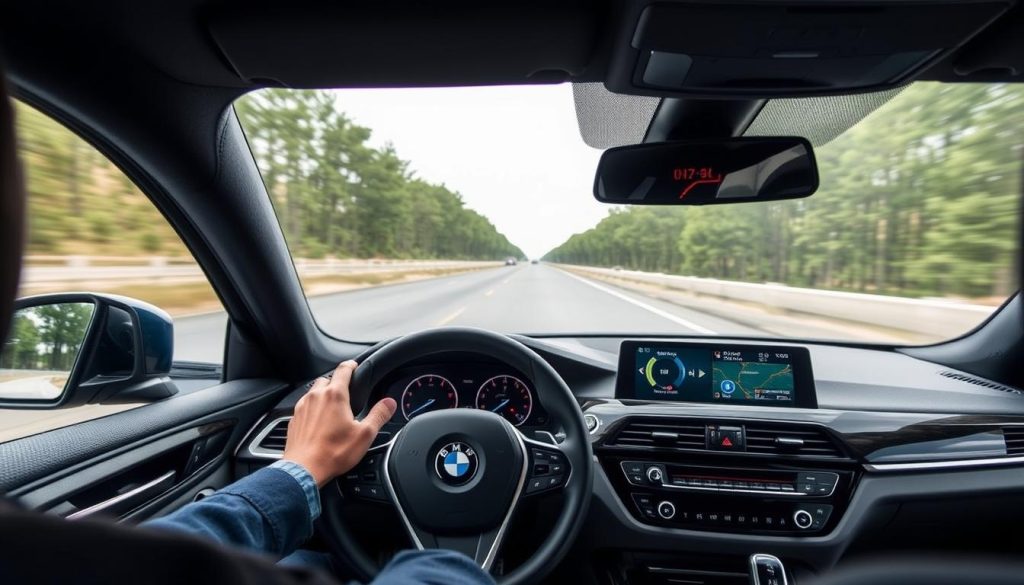
It’s important to note that even with these advanced capabilities, BMW’s systems require the driver to remain attentive and keep hands on the steering wheel. The technology is designed to assist, not replace, the driver.
How BMW’s Adaptive Cruise Control Compares to Competitors
BMW’s adaptive cruise control system competes with similar technologies from other luxury automakers. Here’s how it stacks up against its primary competitors:

| Feature | BMW (Driving Assistant Professional) | Mercedes-Benz (Distronic Plus) | Audi (Adaptive Cruise Assist) |
| Stop & Go Capability | Yes, with auto-resume up to 30 seconds | Yes, with auto-resume up to 30 seconds | Yes, with auto-resume up to 3 seconds |
| Speed Range | 0-130 mph | 0-130 mph | 0-95 mph |
| Lane Centering | Yes, with hands-on requirement | Yes, with hands-free capability (limited time) | Yes, with hands-on requirement |
| Traffic Sign Recognition | Yes, with speed limit adaptation | Yes, with speed limit adaptation | Yes, with speed limit adaptation |
| Automatic Lane Changes | Yes (on newer models) | Yes | Limited |
| Navigation Integration | Yes, adapts for curves and exits | Yes, adapts for curves and exits | Yes, adapts for curves and exits |
User Experience Differences
Based on real-world user experiences and professional reviews, here are some qualitative differences between these systems:
BMW Strengths
- Intuitive controls integrated into the steering wheel
- Smooth acceleration and deceleration profiles
- Excellent integration with other driver assistance features
- Clear visual feedback in both instrument cluster and HUD
Areas for Improvement
- Sometimes maintains larger following distances than competitors
- Lane centering can be less aggressive than Mercedes systems
- Package availability can be confusing for consumers
- Higher package costs compared to some competitors
“BMW’s Driving Assistant Professional offers one of the most refined adaptive cruise experiences in the luxury segment. The system’s predictive capabilities and smooth operation make it stand out, especially on long highway journeys.”
Want to compare these systems yourself?
Schedule back-to-back test drives of BMW, Mercedes-Benz, and Audi models to experience the differences firsthand.
Real-World Experiences with BMW Adaptive Cruise Control
To provide a comprehensive view of BMW’s adaptive cruise control system, we’ve gathered feedback from actual BMW owners through forums, reviews, and direct interviews. Here’s what real users have to say about their experiences:

“I commute 45 miles each way in my 530i, and the adaptive cruise control with stop and go has been a game-changer. It reduces fatigue significantly, especially in rush hour traffic.”
“The system in my X5 works brilliantly on highways but can be a bit cautious in urban settings. It sometimes brakes earlier than I would, but I’ve grown to trust its judgement.”
“After two years with my i4, I can’t imagine driving without adaptive cruise control. The integration with the electric drivetrain is seamless, and the energy recovery during slowdowns is impressive.”
Common Praise Points
- Smooth acceleration and deceleration patterns
- Intuitive controls that are easy to adjust while driving
- Excellent performance in highway settings
- Reliable stop-and-go functionality in traffic
- Good integration with other driver assistance systems
Common Criticism Points
- Occasional false braking for shadows or road markings
- Conservative following distances even on closest setting
- Learning curve for new users to understand all functions
- Package pricing considered high by some owners
- System limitations in adverse weather conditions
Owner Tip: Many BMW owners recommend taking time to familiarize yourself with all the settings and capabilities of the adaptive cruise control system. The owner’s manual contains detailed information, and many dealerships offer personalized technology tutorials for new owners.
Maintenance and Troubleshooting
Like all advanced driver assistance systems, BMW’s adaptive cruise control requires proper maintenance to function optimally. Here are some maintenance considerations and common troubleshooting tips:

Maintenance Considerations
- Sensor Cleanliness: Keep the front radar sensor and cameras clean, especially in winter conditions or muddy environments
- Calibration Requirements: Sensors may need recalibration after windshield replacement or front-end collision repairs
- Software Updates: Periodic software updates may improve system performance or add new features
- Regular Inspections: Have the system checked during routine service appointments
Estimated Repair Costs
| Service | Estimated Cost |
| Radar Sensor Replacement | $1,200 – $2,500 |
| Camera Replacement | $800 – $1,500 |
| System Calibration | $250 – $600 |
| Software Update | $0 – $200 (may be covered under warranty) |
Common Issues and Solutions
System Temporarily Unavailable
Possible causes:
- Dirty sensors due to road grime or weather
- Extreme weather conditions (heavy rain, snow, fog)
- System overheating in very hot conditions
Solutions:
- Clean the front radar sensor and cameras
- Wait for weather conditions to improve
- Allow the system to cool down if overheated
System Malfunction
Possible causes:
- Sensor misalignment after minor collision
- Electrical system issues
- Software glitches
Solutions:
- Restart the vehicle completely
- Visit authorized BMW service center for diagnostics
- Check for available software updates
Need assistance with your BMW’s Adaptive Cruise Control?
Contact your nearest authorized BMW service center for expert diagnosis and repair.
Frequently Asked Questions
How reliable is BMW’s adaptive cruise control system?
BMW’s adaptive cruise control systems are generally very reliable, with most owners reporting consistent performance over many years of use. Like all advanced driver assistance systems, they may occasionally experience temporary unavailability due to environmental factors like extreme weather or dirty sensors. The systems undergo rigorous testing and are designed with multiple redundancies to ensure safety.
Can I override the adaptive cruise control if needed?
Yes, you can override BMW’s adaptive cruise control at any time by either:
- Pressing the brake pedal (deactivates the system)
- Pressing the accelerator pedal (temporarily overrides speed limit while pedal is pressed)
- Pressing the cancel button on the steering wheel
- Turning the system off completely via steering wheel controls
The system is designed to give the driver ultimate control at all times.
Does BMW’s adaptive cruise control work in all weather conditions?
While the system is designed to function in most weather conditions, its performance may be limited during extreme weather events. Heavy rain, snow, fog, or direct sunlight can temporarily reduce sensor effectiveness. The system will alert you if weather conditions are affecting its performance and may temporarily deactivate if it cannot reliably detect vehicles ahead.
What’s the difference between Active Cruise Control and Driving Assistant Professional?
Active Cruise Control (ACC) is BMW’s term for its adaptive cruise control system that maintains speed and distance from vehicles ahead. Driving Assistant Professional is a comprehensive package that includes ACC plus additional features like:
- Steering and Lane Control Assistant
- Lane Keeping Assistant with active side collision protection
- Evasion Assistant
- Crossroads warning with city braking function
- Wrong-way warning
- Front cross-traffic alert
Essentially, Driving Assistant Professional bundles ACC with numerous other safety and convenience features for a more comprehensive semi-autonomous driving experience.
Can I add adaptive cruise control to my BMW if it didn’t come with it?
In most cases, adding adaptive cruise control to a BMW that wasn’t originally equipped with it is not practical or cost-effective. The system requires specific hardware (radar sensors, cameras) and software integration that would be extremely expensive to retrofit. BMW occasionally offers software-based feature upgrades through their ConnectedDrive store, but hardware-dependent features like adaptive cruise control typically cannot be added after manufacture.
Conclusion
BMW’s adaptive cruise control technology represents one of the brand’s most significant driver assistance innovations, offering a blend of convenience, safety, and luxury. From the basic Active Cruise Control to the comprehensive Driving Assistant Professional package, BMW provides various levels of this technology across its model lineup.
For many owners, adaptive cruise control has transformed the driving experience, particularly for those who frequently travel on highways or face regular commutes in congested traffic. The system’s ability to maintain speed and distance while providing steering assistance (in equipped models) significantly reduces driver fatigue and enhances safety.
When considering a BMW with adaptive cruise control, it’s worth evaluating which package best suits your driving needs and budget. While the technology comes at a premium, many owners find the investment worthwhile for the comfort and convenience it provides on every journey.
Ready to experience BMW’s Adaptive Cruise Control?
Visit your local BMW dealership to test drive a model equipped with this innovative technology.