Maintaining your vehicle is crucial for its longevity and performance. One essential aspect of car maintenance is the car oil change, a task that can be simplified with the right approach.
For many car owners, performing a DIY car maintenance task like an oil change can seem daunting. However, understanding the process can make it more manageable. The concept of draining oil through the dipstick is gaining attention for its potential to simplify the oil change process.
By exploring this method, car owners can gain a better understanding of how to maintain their vehicles effectively. This introduction sets the stage for a detailed guide on how to perform a simplified oil change.
Key Takeaways
- Understanding the basics of car oil change
- Exploring the simplified oil change method
- Benefits of DIY car maintenance
- Step-by-step guide to simplified extraction
- Tips for effective car maintenance
Understanding the Dipstick Oil Extraction Method
Understanding the dipstick oil extraction method is crucial for modern car owners who value convenience and efficiency in their vehicle maintenance routines.
The dipstick oil extraction method involves using the dipstick tube as a conduit to extract oil from the engine, eliminating the need to access the oil pan.
How Dipstick Tube Extraction Works
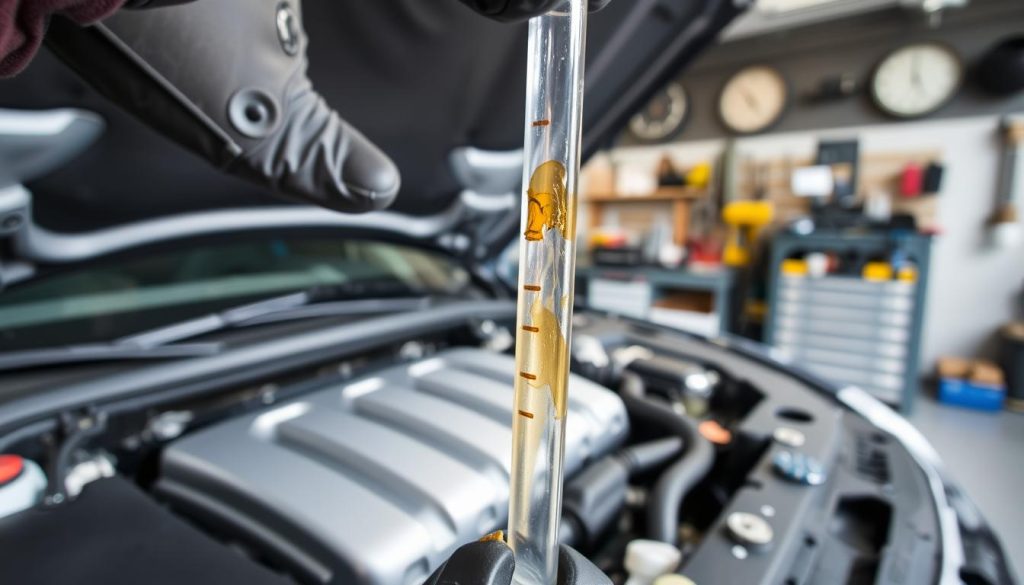
The process of dipstick tube extraction is relatively straightforward. It involves inserting a pump or extraction tube into the dipstick tube, which reaches the oil reservoir.
Once the tube is in place, the oil is pumped out, allowing for a clean and controlled extraction process.
Benefits Over Traditional Oil Changes
The dipstick oil extraction method offers several benefits over traditional oil change methods, including reduced mess and less risk of spills.
Additionally, this method can be less labor-intensive and may reduce the overall cost of maintenance.
| Method | Mess Level | Labor Intensity |
|---|---|---|
| Dipstick Oil Extraction | Low | Low |
| Traditional Oil Change | High | High |
By adopting the dipstick oil extraction method, car owners can enjoy a more streamlined and efficient maintenance experience.
Safety Precautions Before Starting
To ensure a safe and successful oil extraction process, certain precautions must be taken beforehand. This includes being mindful of the engine temperature, preparing your workspace, and wearing the appropriate personal protective equipment.
Engine Temperature Considerations
The engine should be at a safe temperature before attempting to drain oil through the dipstick. Ideally, the engine should be warm but not hot, as this facilitates the flow of oil. Ensure the engine has cooled down enough to avoid burns.
Workspace Preparation
Preparing your workspace is crucial for a safe oil extraction process. Ensure the area is well-ventilated and clear of any flammable materials. Also, have a fire extinguisher nearby as a precautionary measure.
Personal Protective Equipment
Wearing personal protective equipment (PPE) is vital when working with oil and potentially hazardous materials. This includes gloves to protect your hands from oil and sharp edges, safety glasses to protect your eyes, and appropriate clothing to prevent skin contact with oil.
| Safety Measure | Description | Importance Level |
|---|---|---|
| Engine Temperature Check | Ensure the engine is not too hot or cold | High |
| Workspace Ventilation | Ensure good airflow to prevent inhalation of fumes | High |
| Personal Protective Equipment | Wear gloves, safety glasses, and protective clothing | High |
Tools and Materials Needed for Dipstick Oil Extraction
To successfully extract oil through the dipstick, you’ll need the right oil extraction tools and materials. The dipstick oil extraction method is a convenient alternative to traditional oil changes, but it requires specific equipment to ensure a smooth and safe process.
Essential Equipment Checklist
Before you begin, make sure you have the following essential equipment:
- An oil extraction pump (check price on Amazon) suitable for your vehicle’s engine type
- A dipstick tube adapter (check price on Amazon) to fit your vehicle’s dipstick tube
- A hose or tube to connect the pump to the dipstick tube
- A container to collect the used oil
- Personal protective equipment, such as gloves and safety glasses
Having the correct car maintenance equipment is vital to perform the task efficiently and safely.
Types of Oil Extraction Pumps
There are several types of oil extraction pumps available, including manual, electric, and pneumatic pumps. The choice of pump depends on your specific needs and preferences. Some popular options include:
- Manual pumps, which are cost-effective and easy to use
- Electric pumps, which offer faster extraction and less manual effort
- Pneumatic pumps, which are ideal for heavy-duty applications
Oil Collection Containers
It’s essential to have a suitable container to collect the used oil. The container should be:
- Large enough to hold the oil capacity of your vehicle
- Made of a durable material that can withstand the oil’s corrosive properties
- Clearly labeled to indicate that it contains used oil
By having the right DIY tools and materials, you’ll be well-prepared to perform the dipstick oil extraction method safely and effectively.
Step-by-Step Process to Drain Oil from Car Through Dipstick: Simplified Extraction Method
The simplified oil extraction method using the dipstick tube is an efficient way to change your car’s oil without the mess. This process involves several key steps that, when followed correctly, ensure a smooth and effective oil change.
Preparing Your Vehicle
Before starting the oil extraction process, it’s essential to prepare your vehicle. Ensure your car is parked on a level surface and apply the parking brake. Let the engine cool down if it has been running recently, as this will make the process safer. Locate the dipstick tube, usually labeled with the type of oil used in your vehicle.
Check your owner’s manual for specific instructions on how to locate the dipstick and any other vehicle-specific recommendations for oil changes.
Setting Up the Extraction Equipment
To extract oil through the dipstick tube, you’ll need an oil extraction pump. These pumps are designed to fit into the dipstick tube and suck out the oil. Choose a pump that is compatible with your vehicle’s dipstick tube size. Attach the pump to a suitable container for collecting the used oil. Ensure all connections are secure to prevent spills.
Performing the Oil Extraction
Insert the extraction pump into the dipstick tube, following the manufacturer’s instructions. Begin pumping the oil out into the collection container. Monitor the oil level through the dipstick to gauge how much oil has been extracted. Continue until the flow of oil significantly slows down, indicating that most of the oil has been drained.
Completing the Process
Once the oil extraction is complete, remove the pump from the dipstick tube and seal the collection container. Dispose of the used oil responsibly by taking it to a recycling center or an auto parts store that accepts used oil. Finally, replace the dipstick and check for any leaks around the dipstick tube.
Proper disposal of used oil is crucial for environmental protection. Always check local regulations for the best disposal practices.
Post-Extraction Procedures
With the oil extraction process complete, your next steps are vital for your car’s health. Proper post-extraction procedures ensure your vehicle continues to run smoothly and efficiently.
Adding Fresh Oil
After extracting the used oil, the next step is to add fresh oil that meets your car’s specifications. Refer to your vehicle’s manual for the correct type and amount. Using the right oil is crucial for engine longevity and performance. Make sure to pour the oil slowly into the dipstick tube to avoid spills.
Proper Disposal of Used Oil
Used oil disposal is a critical aspect of car maintenance. Take the used oil to a recycling center or an auto parts store that accepts used oil. Never dispose of oil in the trash or down drains, as it can contaminate soil and water. Proper disposal is not only environmentally responsible but also required by law in many places.
Cleaning Your Equipment
Cleaning your oil extraction equipment is essential for its longevity and to prevent contamination. Use a rag and some solvent to clean the pump and hose. Store the equipment in a dry, clean place. Regular equipment maintenance ensures it’s ready for the next use.
| Task | Description | Importance Level |
|---|---|---|
| Adding Fresh Oil | Refill with the correct type and amount of oil | High |
| Used Oil Disposal | Take used oil to a recycling center | High |
| Equipment Cleaning | Clean and store equipment properly | Medium |
Conclusion
By following the steps outlined in this article, car owners can now simplify their car maintenance routine with the dipstick oil extraction method. This DIY car care approach not only saves time but also reduces the hassle associated with traditional oil changes.
A car maintenance summary reveals that using the dipstick tube for oil extraction is a straightforward process that requires minimal equipment. It’s a method that empowers car owners to take control of their vehicle’s maintenance, ensuring a cleaner and more efficient process.
Embracing simplified car maintenance through dipstick oil extraction can lead to a more self-sufficient driving experience. With the confidence to perform their own oil changes, car owners can enjoy the benefits of DIY car care while maintaining their vehicle’s health.
FAQ
What is the dipstick oil extraction method?
The dipstick oil extraction method is a simplified process of draining oil from a car through the dipstick tube, eliminating the need for traditional oil change methods.
Is it safe to drain oil through the dipstick?
Yes, it is safe to drain oil through the dipstick if done correctly, following proper safety precautions, and using the right equipment.
What are the benefits of using the dipstick oil extraction method?
The benefits include reduced mess, less risk of spills, and a simpler process compared to traditional oil change methods.
What type of equipment is needed for dipstick oil extraction?
Essential equipment includes an oil extraction pump, oil collection containers, and personal protective equipment.
How do I dispose of used oil properly?
Used oil should be disposed of at a local recycling center or an auto parts store that accepts used oil, following environmental regulations.
Can I use any type of oil extraction pump?
No, it’s recommended to use a pump specifically designed for oil extraction, compatible with your vehicle’s dipstick tube.
How often should I change my car’s oil using the dipstick method?
The frequency of oil changes depends on your vehicle’s manufacturer’s recommendations, typically every 5,000 to 7,500 miles.
What are the engine temperature considerations before starting the oil extraction process?
It’s recommended to perform the oil extraction when the engine is cool, as hot engines can cause injury or damage.
Can I perform the dipstick oil extraction method on any vehicle?
Most vehicles can use the dipstick oil extraction method, but it’s essential to check your vehicle’s manual or consult with a professional to ensure compatibility.