Properly attaching a car battery charger is crucial for maintaining your vehicle’s battery health. A well-installed charger can prevent battery drain and ensure your car starts reliably. Fortunately, the process is simpler than you might think.
With just a few minutes of your time, you can safely and effectively install a charger. This not only extends the life of your battery but also gives you peace of mind, knowing you’re prepared for any situation. The following guide will walk you through the easy steps to attach a charger correctly.
Key Takeaways
- Understand the importance of proper car battery charger installation.
- Learn the simple steps to attach a charger in minutes.
- Discover how a correctly installed charger can extend battery life.
- Gain confidence in maintaining your vehicle’s battery health.
- Ensure safety and effectiveness in the installation process.
Understanding Car Battery Chargers
Understanding the basics of car battery chargers is crucial for any vehicle owner. Car battery chargers are devices designed to recharge and maintain the health of your vehicle’s battery. With various types available, selecting the right charger can be daunting, but knowing the different types and their functions can simplify the process.
Types of Car Battery Chargers
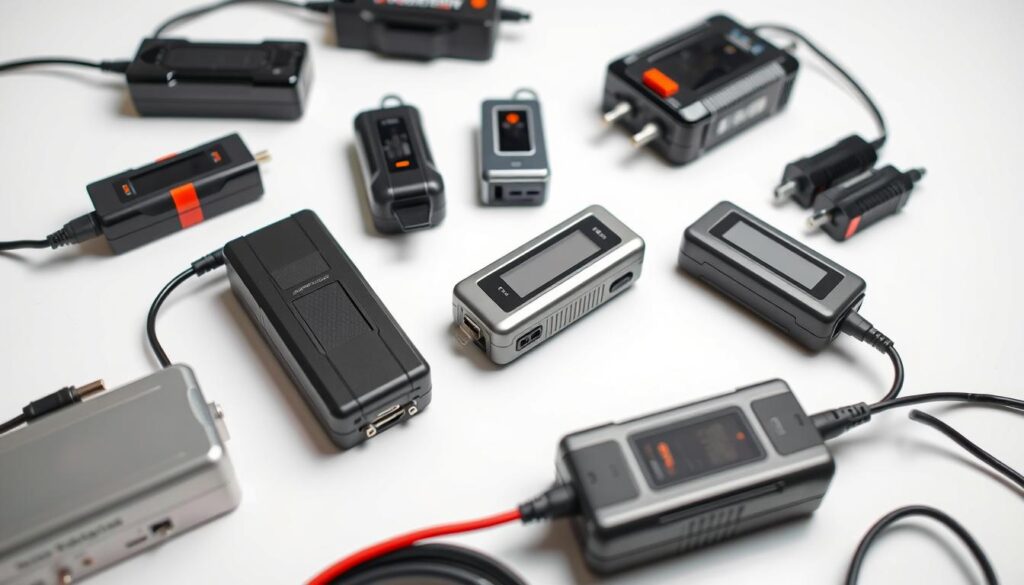
There are several types of car battery chargers, including trickle chargers, maintenance chargers, and fast chargers. Trickle chargers provide a low, steady charge to maintain battery health, while maintenance chargers are designed to keep the battery at full charge. Fast chargers, on the other hand, quickly recharge batteries but may not be suitable for all battery types.
How Car Battery Chargers Work
Car battery chargers work by converting AC power from a wall outlet to DC power that can be used by the battery. The charger supplies the battery with the necessary voltage and current to recharge it. Some chargers come with advanced features like overcharge protection and automatic shut-off to prevent damage to the battery.
Choosing the Right Charger for Your Battery
When choosing a car battery charger, consider the battery type (e.g., lead-acid, AGM, or lithium-ion) and its voltage and capacity. Ensure the charger is compatible with your battery’s specifications. Additionally, consider the charger’s features, such as charging speed and safety features, to ensure it meets your needs.
Safety Precautions Before Charging
Before you start charging your car battery, it’s crucial to take necessary safety precautions. Charging a car battery involves working with electrical systems and potentially hazardous materials, making safety a top priority.
Personal Safety Equipment
Wearing the right personal safety equipment is vital when charging a car battery. This includes protective gloves to prevent electrical shock and safety glasses to protect your eyes from any chemical splashes or electrical arcs. Ensuring you have the correct gear can significantly reduce the risk of injury.

Battery Safety Checks
Before charging, it’s essential to perform safety checks on the battery. Look for signs of damage, such as cracks in the casing or leaking acid. Check the battery’s age and condition, as older batteries are more prone to failure during charging. Ensuring the battery is in a safe condition is crucial for safe charging practices.
Workspace Preparation
Preparing your workspace is another critical step in ensuring safety. Make sure the area is well-ventilated to prevent the buildup of explosive gases emitted by the battery during charging. Keep the workspace clean and clear of any flammable materials or objects that could cause a short circuit. A well-prepared workspace minimizes the risk of accidents and ensures a smooth charging process.
Preparing Your Car and Battery
To ensure a safe and effective charging process, preparing your car and battery is a necessary step. This involves several key actions that will help prevent complications during charging.
Locating the Battery
The first step is to locate the battery in your vehicle. For most cars, the battery is found in the engine compartment, but in some models, it may be located in the trunk or under the floor. Consult your vehicle’s manual if you’re unsure. For specific models like the Ford Transit, you can refer to guides on how to access the Ford Transit.
Inspecting Battery Terminals
Inspect the battery terminals for any signs of corrosion or wear. Corrosion can impede the charging process and affect your car’s electrical system. Look for any green or white buildup around the terminals.
Cleaning Battery Terminals if Necessary
If you find corrosion, clean the terminals using a wire brush and a mixture of baking soda and water. Ensure the area is well-ventilated and avoid getting any cleaning solution into the battery cells.
Checking Battery Fluid Levels
For non-maintenance-free batteries, check the fluid levels. The plates should be covered, and the level should be at or below the maximum line. Top up with distilled water if necessary.
| Battery Type | Fluid Check Required | Typical Location |
|---|---|---|
| Maintenance-Free | No | Engine Compartment |
| Conventional | Yes | Engine Compartment or Trunk |
By following these steps, you’ll ensure your car and battery are properly prepared for charging, reducing the risk of any issues.
How to Attach a Car Battery Charger: Step-by-Step Guide
The process of attaching a car battery charger involves several key steps that must be followed carefully to ensure safety and effectiveness. Before you begin, make sure you have a basic understanding of your vehicle’s battery system and the type of charger you are using.
Identifying Positive and Negative Terminals
The first step in attaching a car battery charger is to identify the positive and negative terminals on your vehicle’s battery. Typically, the positive terminal is marked with a “+” sign or a red color, while the negative terminal is marked with a “-” sign or a black color. It’s crucial to correctly identify these terminals to avoid any damage to your vehicle’s electrical system or the charger itself.
Connecting the Positive Cable First
Once you have identified the positive and negative terminals, you can begin connecting the charger cables. Start by connecting the positive cable (usually red) to the positive terminal on the battery. Ensure the clamp is securely attached to the terminal to prevent it from coming loose during the charging process. This step is critical in establishing a safe and effective charging connection.
Connecting the Negative Cable Second
After connecting the positive cable, proceed to connect the negative cable (usually black) to the negative terminal on the battery or to a suitable grounding point on the vehicle’s chassis. Make sure the clamp is firmly attached to prevent any sparking or electrical issues. Connecting the negative cable second is a safety protocol that helps minimize the risk of electrical shock or short circuits.
Setting the Charger for Optimal Charging
With the cables connected, you can now set the charger for optimal charging. Select the appropriate charging mode based on your battery type (e.g., standard, AGM, or deep cycle) and adjust the charging voltage and current according to the manufacturer’s recommendations. Properly setting the charger ensures that your battery is charged efficiently and safely, prolonging its lifespan.
By following these steps and using the correct charger settings, you can safely and effectively attach a car battery charger to your vehicle. Always refer to your charger’s user manual for specific instructions and guidelines.
Monitoring the Charging Process and Troubleshooting
Effective monitoring of the charging process is key to maintaining your car’s battery health. After attaching the charger, it’s crucial to observe the charging process closely to ensure it’s working as expected.
Signs of Proper Charging
A properly charging battery will show specific signs. The charger’s display or indicator lights will signal that the battery is charging. Most modern chargers have an LED display or a digital screen showing the charging status, voltage, and sometimes even the battery’s health.
Indicators of proper charging include:
- A steady increase in the battery voltage
- The charger’s indicator changing from “charging” to “full” or “float”
- No excessive heat emanating from the battery or charger
How Long to Charge Different Battery Types
Charging time varies significantly depending on the battery type and capacity. For instance, a standard 12V lead-acid battery might take anywhere from 4 to 24 hours to charge fully, depending on its capacity and the charger’s output.
| Battery Type | Typical Charging Time |
|---|---|
| Lead-Acid | 4-24 hours |
| AGM | 6-12 hours |
| GEL | 8-16 hours |
Common Charging Problems and Solutions
Sometimes, issues arise during charging. Common problems include the battery not holding a charge, the charger not recognizing the battery, or the charger overheating.
Solutions to these problems:
- Check the battery terminals for corrosion and clean them if necessary
- Ensure the charger’s settings are appropriate for the battery type
- Consult the charger’s manual for troubleshooting guides
Safe Disconnection Process
Once the battery is fully charged, it’s essential to disconnect the charger safely. Start by turning off the charger, then disconnect the negative (black) cable followed by the positive (red) cable. This order prevents any accidental short circuits.
Safe disconnection steps:
- Switch off the charger
- Disconnect the negative cable
- Disconnect the positive cable
Conclusion
Attaching a car battery charger is a straightforward process when done correctly. By following the steps outlined in this guide, you can ensure a safe and effective car battery charger installation summary.
Safely charging a car battery requires attention to detail and adherence to proper safety protocols. This includes wearing protective gear, ensuring the workspace is well-ventilated, and correctly identifying the positive and negative terminals.
By summarizing the key points from this guide, you can confidently attach a car battery charger and safely charge your car battery. Remember to monitor the charging process and troubleshoot any issues that may arise.
With these simple steps and safety precautions, you can extend the life of your car battery and ensure your vehicle is always ready to go.
FAQ
What type of car battery charger is best for my vehicle?
The best type of car battery charger for your vehicle depends on the type of battery and your specific needs. For most standard vehicles, a maintenance charger or a smart charger is recommended as they provide a safe and efficient charge.
How do I know if my car battery charger is working properly?
To verify if your car battery charger is working correctly, check for signs of proper charging such as the charger’s indicator lights, voltage readings, or the battery’s state of charge. Consult your charger’s manual for specific guidance.
Can I charge my car battery while it’s still connected to the vehicle?
Yes, you can charge your car battery while it’s still connected to the vehicle, but it’s crucial to follow the manufacturer’s instructions for both the charger and the vehicle to avoid any potential risks or damage.
What safety precautions should I take when charging my car battery?
When charging your car battery, wear protective gear like gloves and safety glasses, ensure the workspace is well-ventilated, and follow the charger’s instructions. Also, inspect the battery for any signs of damage before charging.
How long does it take to charge a car battery?
The time it takes to charge a car battery depends on the battery’s capacity, its state of charge, and the charger’s output. Typically, a standard car battery can take anywhere from a few hours to overnight to fully charge.
What are the signs of a properly charging car battery?
Signs of a properly charging car battery include the charger’s indicator showing a full charge, the battery voltage reading within the recommended range, and the vehicle’s electrical systems functioning correctly.
Can a car battery charger be used for other types of batteries?
Car battery chargers are designed specifically for automotive batteries. Using a car battery charger for other types of batteries could be unsafe or ineffective, so it’s best to use a charger designed for the specific battery type.
How do I maintain my car battery charger?
To maintain your car battery charger, store it in a dry, cool place, avoid exposing it to extreme temperatures, and follow the manufacturer’s instructions for maintenance and troubleshooting.