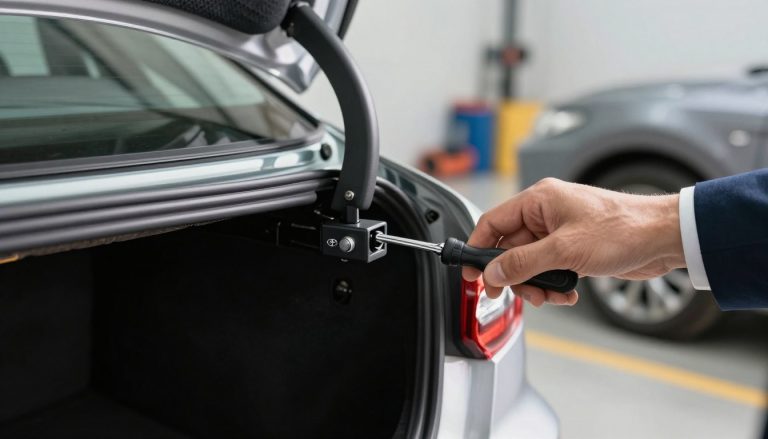
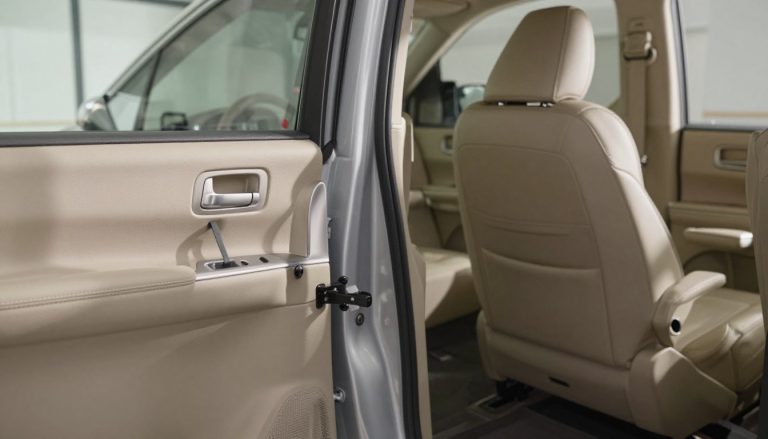
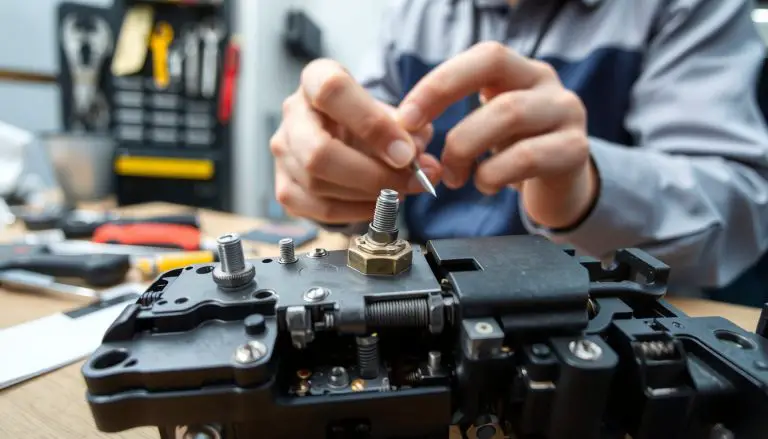
For Toyota Corolla Cross owners, accessing the gas tank is a straightforward process once you know the steps. The fuel tank access mechanism is designed to be user-friendly, allowing you to refuel your vehicle with ease.
Understanding common issues related to Toyota gas tank filling can also help you troubleshoot any difficulties you might encounter. This guide will walk you through the process, ensuring you can refuel your Toyota Corolla Cross without hassle.
Key Takeaways
- Understanding the fuel tank access mechanism on your Toyota Corolla Cross.
- Steps to easily open the gas tank.
- Troubleshooting common issues related to gas tank access.
- Tips for safe and efficient refueling.
- Maintenance advice to prevent future problems.
Understanding Your Toyota Corolla Cross Fuel System
Understanding the fuel system of your Toyota Corolla Cross is crucial for optimal vehicle performance. The fuel system is a complex network that stores and supplies fuel to the engine. It’s essential to familiarize yourself with its components and their functions.
Fuel Tank Location and Capacity
The fuel tank in your Toyota Corolla Cross is located at the rear of the vehicle, underneath the trunk area. It has a capacity of approximately 13.1 gallons, allowing for a considerable driving range before needing a refill. Knowing the location and capacity can help you plan your refueling stops more effectively.
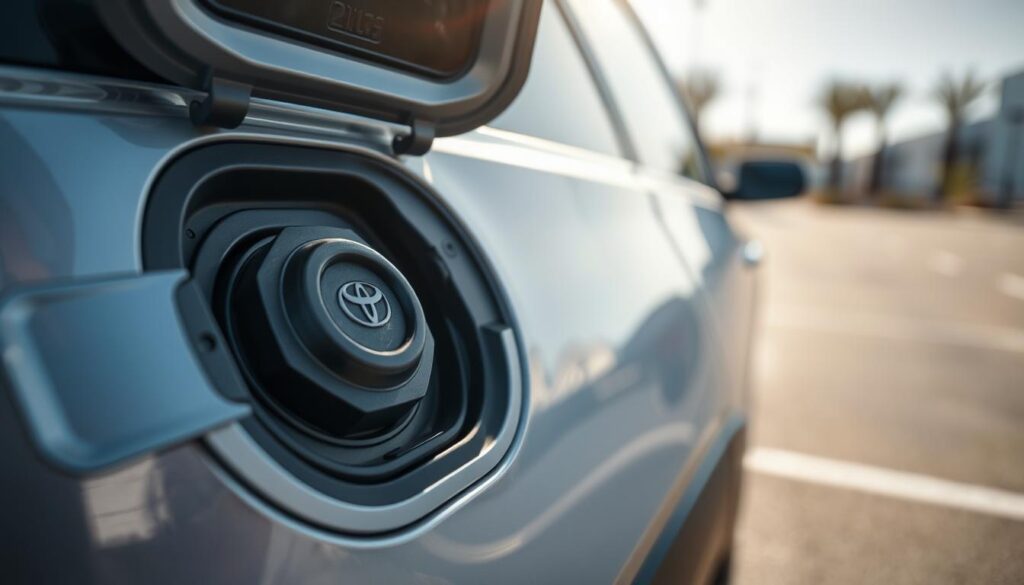
The Fuel Door Release Mechanism Design
The fuel door release mechanism in the Toyota Corolla Cross is designed for convenience and ease of use. It’s operated by a lever located inside the vehicle, typically on the driver’s side floor or on the door sill. When you pull this lever, it releases the fuel door, allowing you to access the fuel tank cap. As “a well-designed fuel door release is crucial for a smooth refueling experience”, Toyota has engineered this mechanism to be intuitive and straightforward.
How to Open Gas Tank on Toyota Corolla Cross
To refuel your Toyota Corolla Cross, you’ll first need to open the gas tank. This process is designed to be simple and intuitive, ensuring that you can access the fuel tank with ease.
Using the Interior Fuel Door Release Button
The Toyota Corolla Cross features an interior fuel door release button that allows you to open the gas tank from the comfort of your vehicle. To use this feature, locate the fuel door release button on the driver’s side door panel. It’s typically marked with a symbol of a fuel pump or a gas tank.
Step-by-Step Instructions:
- Ensure your vehicle is parked on a level surface and apply the parking brake.
- Insert the key into the ignition and turn it to the “ON” position.
- Press the fuel door release button.
- The fuel door will pop open, allowing you to access the gas tank.
As noted in the
“Toyota Corolla Cross Owner’s Manual”
, the fuel door release button is designed to provide easy access to the fuel tank. This feature is particularly useful in cold weather or when your hands are full.
Manual Opening Process in Emergency Situations
In the unlikely event that the interior fuel door release button fails, there is a manual override to open the gas tank. This ensures that you can always access the fuel tank, even in emergency situations.
| Step | Description |
|---|---|
| 1 | Open the trunk of your Toyota Corolla Cross. |
| 2 | Locate the manual release lever on the right side of the trunk. |
| 3 | Pull the lever to release the fuel door. |
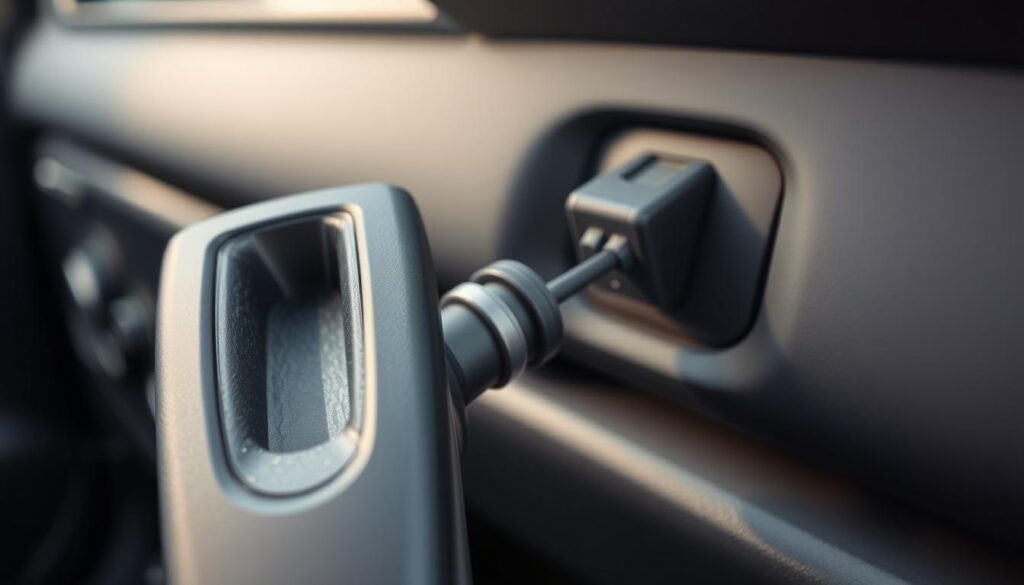
By following these steps, you can confidently open the gas tank on your Toyota Corolla Cross, whether using the interior release button or the manual override.
Step-by-Step Visual Guide to Accessing Your Fuel Tank
Accessing the fuel tank of your Toyota Corolla Cross is a straightforward process when you follow the right steps. This visual guide will walk you through the process, ensuring that you can refuel your vehicle safely and efficiently.
Locating the Fuel Door Release Lever Inside Your Corolla Cross
The first step in accessing your fuel tank is to locate the fuel door release lever. This lever is typically found on the driver’s side, near the floor. It’s designed to be easily accessible, allowing you to open the fuel door from inside the vehicle. To locate it, look for a lever with a symbol of a fuel pump or a label indicating its purpose.
Proper Technique for Opening the Fuel Door
Once you’ve located and pulled the release lever, you’ll need to open the fuel door. This is typically done by pushing on the door itself, which will swing open. Be gentle, as the door is designed to open easily. If you encounter any resistance, check that you’ve fully released the lever.
Removing and Replacing the Fuel Cap Correctly
After opening the fuel door, you’ll need to remove the fuel cap to access the tank. To do this, turn the cap counterclockwise until it comes loose. When replacing the cap, ensure it’s tightened securely by turning it clockwise until it clicks. This is crucial for maintaining the integrity of the fuel system.
| Step | Description |
|---|---|
| 1 | Locate the fuel door release lever inside your Toyota Corolla Cross. |
| 2 | Pull the release lever to unlock the fuel door. |
| 3 | Push the fuel door to open it. |
| 4 | Remove the fuel cap by turning it counterclockwise. |
| 5 | Replace the fuel cap and tighten it clockwise until it clicks. |
Troubleshooting Common Gas Tank Opening Issues
If you’re having trouble opening the gas tank on your Toyota Corolla Cross, you’re not alone. Sometimes, issues arise that can make refueling a challenge. Understanding how to troubleshoot these problems can save you time and frustration.
When the Release Lever Doesn’t Respond
A non-responsive release lever can be due to a mechanical or electrical issue. First, check if the lever is stuck or if there’s an obstruction. If it’s an electrical issue, ensure that the problem isn’t with the fuse related to the fuel door release mechanism. If the issue persists, consulting a professional might be necessary.
Dealing with a Stuck or Frozen Fuel Door
A stuck or frozen fuel door can be problematic, especially in cold weather. Applying a de-icer or gently heating the area around the fuel door can help. For prevention, regularly cleaning and lubricating the fuel door mechanism can reduce the likelihood of it freezing or sticking.
Electronic Lock Malfunctions
In some cases, electronic lock malfunctions can prevent the gas tank from opening. This could be due to a software glitch or a hardware failure. Restarting the vehicle or checking the fuse box for related issues can sometimes resolve the problem. If not, a visit to a certified Toyota service center may be required to diagnose and fix the issue.
By understanding these common issues and their solutions, you can ensure that accessing your fuel tank is as hassle-free as possible.
Refueling Best Practices for Your Toyota Corolla Cross
To maintain your Toyota Corolla Cross’s performance, it’s crucial to follow proper refueling practices. Refueling is not just about filling up your tank; it’s about doing it correctly to ensure your vehicle’s longevity and efficiency.
Recommended Fuel Types and Octane Ratings
The Toyota Corolla Cross requires specific fuel types for optimal performance. According to the manufacturer’s guidelines, it’s recommended to use regular unleaded gasoline with an octane rating of 87 or higher. Using the correct octane rating is vital as it directly impacts engine performance and fuel efficiency. Premium gasoline is not necessary unless you drive in extreme conditions or require additional performance.
Proper Refueling Technique to Avoid Spillage
To avoid spillage, it’s essential to follow a proper refueling technique. First, ensure your vehicle is parked on a level surface. Then, turn off the engine and engage the parking brake. When inserting the fuel nozzle, do it slowly and carefully to avoid splashing fuel. Keep the nozzle in contact with the fuel tank opening to prevent static electricity. Once the fueling is complete, replace the fuel cap tightly to prevent fuel evaporation and contamination.
By following these best practices, you can ensure a safe and efficient refueling process for your Toyota Corolla Cross.
Maintaining Your Fuel Door and Cap System
Maintaining the fuel door and cap system is an often-overlooked aspect of vehicle care that can significantly impact your Toyota Corolla Cross’s overall performance. A well-maintained fuel system ensures that your vehicle runs efficiently and safely.
Regular Cleaning and Inspection Procedures
Regular cleaning and inspection of the fuel door and cap are essential to prevent dirt and debris from causing issues. To clean the fuel door, use a soft cloth and mild soap, avoiding harsh chemicals that could damage the finish. Inspect the fuel cap for any signs of wear or damage, ensuring it seals properly to prevent fuel evaporation and contamination.
It’s also important to check the fuel door release mechanism for any signs of wear or corrosion. Lubricating the hinges and release mechanism can help keep it functioning smoothly. Regular inspections can help identify potential issues before they become major problems.
When to Replace Your Fuel Cap and Warning Signs
Knowing when to replace your fuel cap is crucial for maintaining your vehicle’s fuel system. Signs that your fuel cap needs replacement include visible cracks or damage, a loose or worn seal, and difficulty tightening or removing the cap.
| Warning Signs | Description | Action Required |
|---|---|---|
| Visible Cracks or Damage | Inspect the fuel cap for any visible signs of damage or wear. | Replace the fuel cap immediately. |
| Loose or Worn Seal | Check the seal for any signs of wear or damage. | Replace the fuel cap if the seal is compromised. |
| Difficulty Tightening or Removing | If the cap is hard to turn or remove, it may be worn out. | Consider replacing the fuel cap for ease of use. |
Replacing your fuel cap when necessary can help prevent fuel leaks, reduce emissions, and keep your Toyota Corolla Cross running efficiently.
Safety Considerations When Accessing Your Fuel Tank
When refueling your Toyota Corolla Cross, it’s crucial to be aware of the potential safety hazards associated with accessing the fuel tank. Safety precautions are essential to prevent accidents and ensure a smooth refueling experience.
Static Electricity Prevention at the Pump
Static electricity is a significant risk when refueling, as it can ignite fuel vapors. To prevent static electricity discharge, always touch the metal part of your vehicle to discharge static electricity before opening the fuel cap. Additionally, avoid sliding across the seat or removing clothing that may generate static electricity.
Handling Fuel Emergencies Safely
In the event of a fuel spill or leak, it’s essential to know how to handle the situation safely. Keep a fire extinguisher rated for fuel fires in your vehicle. If a spill occurs, avoid using your vehicle or any ignition sources. Instead, use absorbent materials like kitty litter or sand to contain the spill, and then clean the area thoroughly.
| Safety Measure | Description | Benefit |
|---|---|---|
| Static Electricity Discharge | Touching the metal part of your vehicle before opening the fuel cap | Prevents ignition of fuel vapors |
| Fuel Spill Response | Using absorbent materials to contain spills | Reduces risk of fire and environmental damage |
| Fire Extinguisher | Keeping a fire extinguisher rated for fuel fires in your vehicle | Provides a means to extinguish fires quickly |
Conclusion
Opening the gas tank on your Toyota Corolla Cross is a straightforward process once you understand the steps involved. By following the guidelines outlined in this article, you can ensure a hassle-free refueling experience.
The key steps include locating and using the interior fuel door release button, understanding the manual override in case of emergencies, and being aware of the proper technique for opening the fuel door and removing the fuel cap.
By mastering these simple steps, you can confidently access your gas tank, ensuring your Toyota Corolla Cross is always ready for the road ahead.
FAQ
How do I open the gas tank on my Toyota Corolla Cross?
To open the gas tank, locate the fuel door release lever inside your vehicle, pull it, and then manually open the fuel door.
What type of fuel is recommended for the Toyota Corolla Cross?
The recommended fuel type for the Toyota Corolla Cross is unleaded gasoline with an octane rating of 87 or higher.
What should I do if the fuel door release lever doesn’t work?
If the fuel door release lever doesn’t respond, check the fuse related to the fuel door release mechanism. If the issue persists, consult your owner’s manual or contact a Toyota dealership for assistance.
How do I prevent static electricity when refueling my Toyota Corolla Cross?
To prevent static electricity, touch a metal surface on your vehicle before handling the fuel nozzle, or discharge static electricity by touching a grounded metal object.
How often should I inspect and clean the fuel door and cap?
Regularly inspect the fuel door and cap for signs of wear or damage. Clean the fuel door and cap every 6 months or as needed.
What are the signs that indicate I need to replace my fuel cap?
Signs that indicate you need to replace your fuel cap include a loose or damaged cap, or if you notice fuel odors or decreased fuel efficiency.
Can I use a non-Toyota fuel cap on my Corolla Cross?
While a non-Toyota fuel cap may fit, it’s recommended to use a genuine Toyota fuel cap to ensure proper fitment and functionality.
What should I do in case of a fuel emergency, such as a spill or leak?
In case of a fuel emergency, evacuate the area, and contact emergency services or a Toyota dealership for assistance. Avoid using open flames or sparks near the affected area.