Fuel contamination is a serious issue that can cause significant damage to your vehicle’s engine. One common problem is water in the gas tank, which can lead to costly repairs if left unaddressed.
Water contamination can occur due to various reasons, including condensation, improper storage, or contaminated fuel. It’s essential to address this issue promptly to prevent damage to your engine and fuel system.
Key Takeaways
- Understand the risks associated with water in your gas tank
- Learn how to identify signs of fuel contamination
- Discover methods to remove water from your gas tank
- Prevent future contamination with proper maintenance
- Know when to seek professional help for fuel-related issues
Understanding the Dangers of Water in Your Gas Tank
When water enters your gas tank, it can initiate a series of problems that affect your vehicle’s performance. Water and fuel do not mix, and their combination can lead to severe engine damage.
Why Water and Fuel Don’t Mix
Water and fuel have different properties that make them incompatible. Water can cause corrosion in metal components, while fuel is designed to be combustible. When water is present in the fuel system, it can disrupt the combustion process, leading to poor engine performance.
Potential Damage to Your Engine Components
The presence of water can damage critical engine components. For instance, water can cause rust in fuel tanks and pipes, leading to leaks and other issues.
| Component | Potential Damage |
|---|---|
| Fuel Tank | Rust and Corrosion |
| Engine Cylinders | Hydrolock and Damage |
| Fuel System | Clogging and Corrosion |
The Science Behind Fuel Contamination
Fuel contamination occurs when water enters the fuel system, often through condensation or improper storage. This can lead to a range of issues, including microbial growth in the fuel tank.
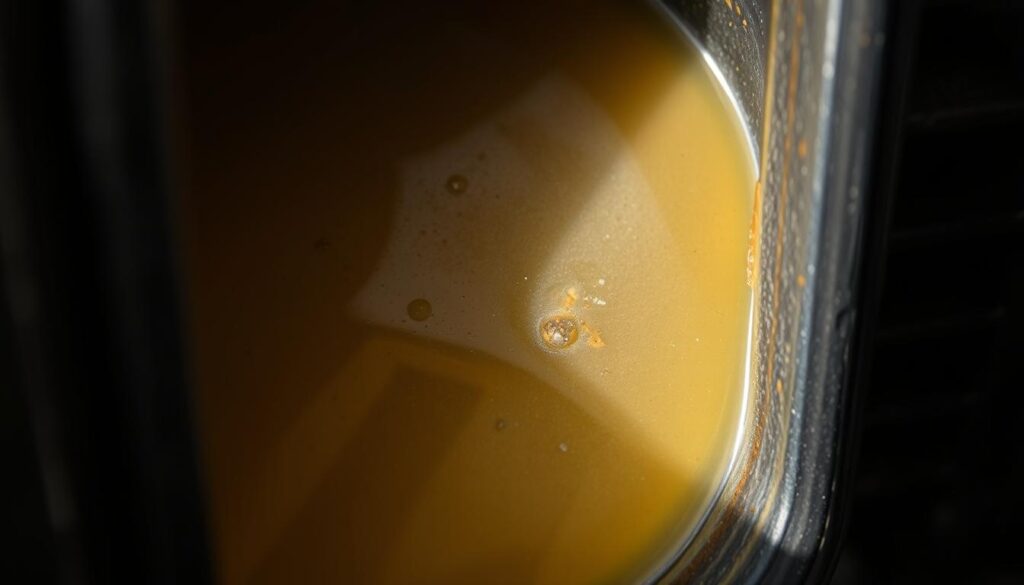
Signs That Water Has Contaminated Your Fuel
Water contamination can cause a range of problems, including engine performance issues and decreased fuel efficiency.
Engine Performance Issues
- Difficulty starting the engine
- Rough idling
- Decreased power output
Visual Indicators
- Water droplets or condensation on fuel tank or lines
- Rust or corrosion on metal components
Other Symptoms
- Decreased fuel efficiency
- Erratic engine behavior
How to Remove Water from Gas Tank: Methods Overview
Understanding the methods available to remove water from your gas tank is essential for preventing engine damage. When water contaminates your fuel, it’s crucial to act quickly to mitigate potential harm. Several approaches can be taken, depending on the level of contamination and your comfort with DIY repairs.
Commercial Fuel Additives
One of the most convenient methods to remove water from your gas tank is by using commercial fuel additives. These products are designed to absorb or break down water, allowing it to be safely burned off by the engine. Fuel additives are a quick fix but may not be effective in cases of severe contamination.
Manual Draining Techniques
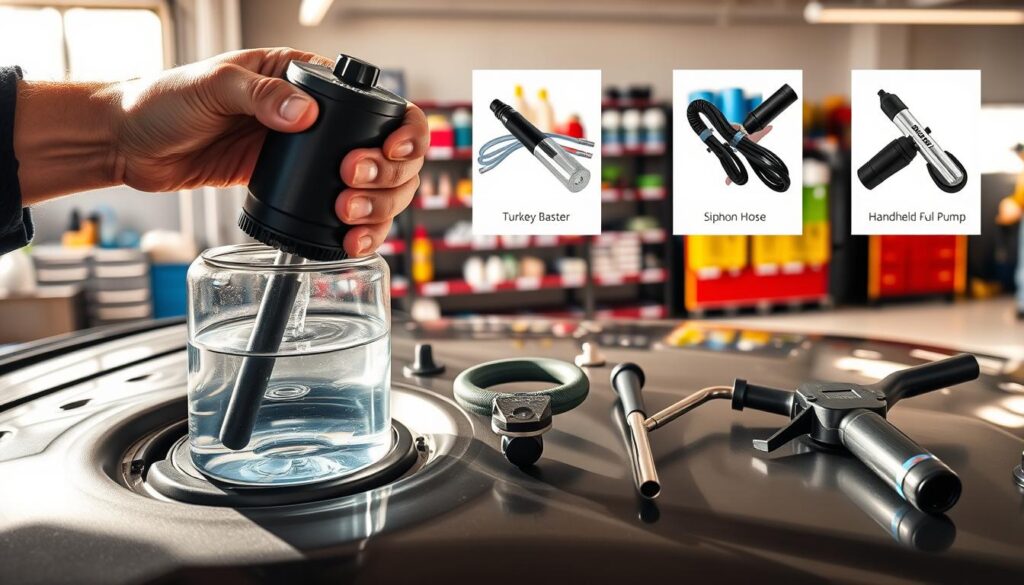
For those comfortable with DIY repairs, manual draining techniques offer a more hands-on approach. This involves draining the tank and inspecting it for any damage. It’s a more labor-intensive method but can be effective for removing significant amounts of water.
Professional Service Options
In cases where contamination is severe or you’re not comfortable with DIY methods, seeking professional assistance is advisable. Mechanics can drain the tank, inspect the fuel system, and perform any necessary repairs.
Method Selection Based on Contamination Level
The choice of method depends on the level of contamination. A comparison of the methods is provided in the table below:
| Method | Effectiveness for Low Contamination | Effectiveness for High Contamination |
|---|---|---|
| Commercial Fuel Additives | High | Low |
| Manual Draining Techniques | Medium | High |
| Professional Service Options | High | Very High |
As indicated by the table, the most appropriate method depends on the level of water contamination in your gas tank. For minor issues, fuel additives may suffice, while more severe cases may require professional intervention.
Step-by-Step Guide to Using Fuel Additives
Fuel additives offer a simple solution to the complex problem of water contamination in your gas tank. These additives are designed to remove water and other contaminants, ensuring your fuel system operates efficiently.
Choosing the Right Water Remover Product
When selecting a fuel additive, it’s crucial to choose a product that is compatible with your vehicle’s fuel system. Look for products that are specifically designed to remove water and stabilize fuel. Lucas Fuel Treatment and Sea Foam are popular choices among car owners.
A good water remover product should be able to separate water from fuel effectively and prevent corrosion within the fuel system. It’s also beneficial to choose a product that enhances fuel efficiency and performance.
Application Instructions
To get the best results from your fuel additive, follow the application instructions carefully.
Dosage Calculations
The dosage of fuel additive you need depends on the amount of fuel in your tank and the level of contamination. Always refer to the product’s instructions for the recommended dosage. For example, if you’re using a product that recommends 1 oz of additive per gallon of fuel, and you have 15 gallons of fuel, you’ll need 15 oz of the additive.
Mixing Procedures
Once you’ve calculated the correct dosage, pour the fuel additive directly into your gas tank. It’s best to do this when you’re filling up with fuel to ensure the additive mixes well with the fuel. Drive your vehicle as usual to allow the additive to circulate through the fuel system.
Driving Recommendations After Treatment
After adding a fuel additive, it’s generally recommended to drive your vehicle as you normally would. The additive will start working immediately, but it may take a few miles for it to fully take effect. Avoid extreme driving conditions, such as rapid acceleration or high speeds, until you’re sure the additive has done its job.
“Using a fuel additive can significantly reduce the risk of engine damage caused by water contamination. It’s a proactive step towards maintaining your vehicle’s health.”
Effectiveness Timeline
The effectiveness timeline of a fuel additive can vary depending on the product and the level of contamination. Some additives can start showing results within a few miles, while others may take longer. Refer to the product’s instructions for a more accurate timeline.
| Product | Dosage | Effectiveness Timeline |
|---|---|---|
| Lucas Fuel Treatment | 1 oz/gallon | Immediate to 100 miles |
| Sea Foam | 2 oz/gallon | 50 to 200 miles |
Manual Water Removal Techniques
Water in your gas tank can be manually removed with the right techniques and precautions. This method is crucial when you suspect water contamination but need a cost-effective and immediate solution.
Safety Precautions Before Starting
Before attempting to remove water from your gas tank manually, it’s essential to take safety precautions. Ensure you’re in a well-ventilated area, away from any open flames or sparks. Wear protective gear, including gloves and safety glasses, to prevent skin contact and eye irritation from fuel.
Draining the Fuel Tank
Draining the fuel tank is a direct method to remove water contamination. This process involves several steps and requires specific tools.
Tools Required
- A socket wrench or spanner to remove the tank’s drain plug
- A drip pan to catch the fuel and water mixture
- Protective gloves and eyewear
Step-by-Step Process
- Locate the drain plug at the bottom of the gas tank.
- Use a socket wrench to loosen and remove the plug.
- Allow the fuel and water mixture to drain into the drip pan.
- Once drained, replace the drain plug securely.
Using a Siphon Pump Method
For those uncomfortable with directly draining the tank, a siphon pump offers a safer alternative.
Equipment Needed
- A siphon pump designed for fuel
- A container to hold the extracted fuel and water
Procedure Steps
- Insert the siphon pump into the fuel tank, ensuring it reaches the water layer at the bottom.
- Operate the pump to extract the water-contaminated fuel.
- Transfer the extracted mixture to a separate container for disposal.
Dealing with Stubborn Contamination
In cases where water contamination is severe, additional measures may be necessary. Using a fuel additive designed to remove water can be a supplementary step after manual removal. It’s also advisable to have your fuel system inspected by a professional to prevent long-term damage.
| Method | Tools Required | Skill Level |
|---|---|---|
| Draining Fuel Tank | Socket wrench, drip pan | Intermediate |
| Siphon Pump Method | Siphon pump, container | Beginner |
When to Seek Professional Assistance
Not all cases of water in the gas tank can be resolved with DIY methods; sometimes, professional assistance is required. If you’re experiencing persistent issues or suspect severe contamination, it’s time to seek help.
Severe Contamination Indicators
Signs that indicate severe contamination include:
- Significant engine performance issues
- Visible water in the fuel tank
- Recurring problems despite using DIY removal methods
Finding a Qualified Mechanic
To find a qualified mechanic, look for professionals with experience in fuel system repairs. Check online reviews and ask for referrals to ensure you’re getting reliable service.
Expected Costs and Procedures
The cost of professional assistance varies based on the extent of the contamination and required repairs. A mechanic will typically diagnose the issue, drain the tank, and clean or replace affected components.
Insurance Considerations
In some cases, insurance may cover the costs associated with repairing damage caused by water contamination. It’s essential to review your policy and consult with your insurance provider.
Conclusion
Removing water from your gas tank is crucial to maintaining your vehicle’s health and preventing costly repairs. As discussed, water contamination can lead to serious engine damage and performance issues.
By understanding the signs of water contamination and using the appropriate methods for removal, such as commercial fuel additives or manual draining techniques, you can ensure your fuel system remains clean and functional.
Regular maintenance and inspections are key to fuel contamination prevention. By staying proactive, you can avoid the complications associated with water in your gas tank and keep your vehicle running smoothly.
Whether you choose to use a fuel additive or seek professional assistance, the important thing is to address the issue promptly. Effective removing water from gas tank procedures will help safeguard your engine and maintain optimal performance.
FAQ
### Q: What are the risks of having water in my gas tank?
A: Having water in your gas tank can cause significant damage to your engine, including corrosion, reduced performance, and potentially costly repairs.
### Q: How can I remove water from my gas tank?
A: You can remove water from your gas tank by using a fuel additive, draining the tank, or seeking professional assistance.
### Q: What are the signs of water contamination in my fuel?
A: Look out for symptoms such as decreased engine performance, difficulty starting the engine, or visible signs of water in the fuel.
### Q: Can I drive my vehicle with water in the gas tank?
A: It’s not recommended to drive your vehicle with water in the gas tank, as it can cause further damage to the engine and potentially lead to costly repairs.
### Q: How can I prevent water from entering my gas tank?
A: Regularly inspect your fuel tank for signs of contamination, use a fuel filter, and avoid parking in areas where water may collect.
### Q: What are the consequences of not removing water from my gas tank?
A: Failing to remove water from your gas tank can lead to engine damage, reduced performance, and potentially costly repairs.
### Q: Can I use a water-absorbing product to remove water from my gas tank?
A: Yes, there are products available that can absorb water from your gas tank. However, it’s essential to follow the manufacturer’s instructions and take necessary safety precautions.