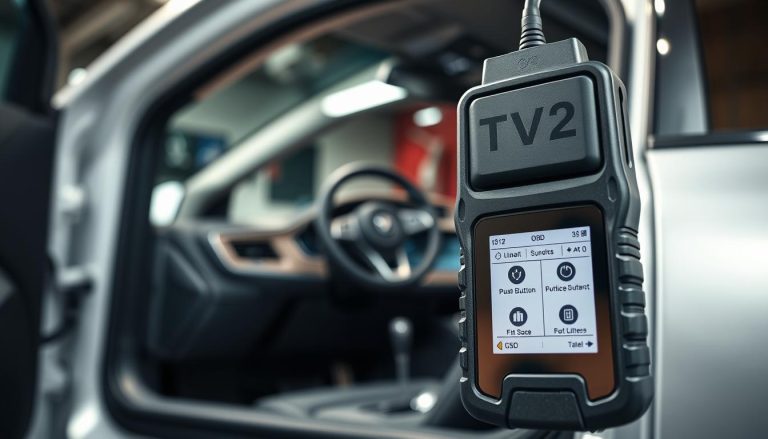
Resetting the Ambient Air Temperature Sensor is a crucial step in maintaining your vehicle’s optimal performance. This sensor plays a vital role in ensuring accurate temperature readings, which affect various automotive systems.
When the sensor malfunctions, it can lead to issues with your vehicle’s climate control and overall efficiency. In this article, we will guide you through the easy steps to reset the Ambient Air Temperature Sensor, helping you troubleshoot and resolve common problems.
Key Takeaways
- Understand the importance of resetting the Ambient Air Temperature Sensor.
- Learn the simple steps to reset the sensor.
- Troubleshoot common issues related to the sensor.
- Improve your vehicle’s overall performance and efficiency.
- Follow a comprehensive automotive repair guide.
Understanding the Ambient Air Temperature Sensor
The ambient air temperature sensor plays a crucial role in a vehicle’s HVAC system, affecting overall comfort and performance. This sensor is responsible for measuring the outside air temperature, which is then used by the vehicle’s computer to adjust the heating, ventilation, and air conditioning accordingly.
What is an Ambient Air Temperature Sensor?
An ambient air temperature sensor is a device that measures the temperature of the air outside the vehicle. It is usually a thermistor, a type of resistor whose resistance varies significantly with temperature. This allows the sensor to provide accurate temperature readings to the vehicle’s computer system.
How the Sensor Affects Your Vehicle’s HVAC System
The data from the ambient air temperature sensor is used by the vehicle’s HVAC system to determine the appropriate heating or cooling required to maintain a comfortable cabin temperature. Accurate ambient temperature readings are crucial for the efficient operation of the HVAC system, as they directly impact the system’s ability to heat or cool the vehicle effectively.
Common Locations of the Sensor in Different Vehicles
The ambient air temperature sensor can be located in various places depending on the vehicle manufacturer and model. Common locations include:
- Behind the front grille
- In or near the front bumper
- On the side mirror or fender
- Underneath the vehicle, near the front axle
It’s essential to consult your vehicle’s repair manual or manufacturer’s documentation to determine the exact location of the ambient air temperature sensor in your specific vehicle.
Signs Your Ambient Air Temperature Sensor Needs Resetting
If your vehicle’s ambient air temperature sensor is not functioning correctly, you may notice several symptoms. The sensor plays a vital role in ensuring your vehicle’s HVAC system operates efficiently.
Inaccurate Temperature Readings on Dashboard
One of the most common signs of a faulty ambient air temperature sensor is inaccurate temperature readings displayed on your dashboard. If the temperature reading is inconsistent with the actual outside temperature, it may indicate a problem with the sensor.
HVAC System Performance Issues
A malfunctioning ambient air temperature sensor can lead to HVAC system performance issues. Your vehicle’s heating and cooling system may not function correctly, resulting in uncomfortable cabin temperatures.

Warning Lights and Error Codes
In some cases, a faulty ambient air temperature sensor can trigger warning lights or error codes on your dashboard. These alerts can indicate a problem with the sensor or the HVAC system.
Climate Control Inconsistencies
Climate control inconsistencies are another sign that your ambient air temperature sensor needs resetting. If your vehicle’s climate control system is not maintaining a consistent temperature, it may be due to a faulty sensor.
Tools and Preparation for Resetting
Before you start resetting your ambient air temperature sensor, it’s crucial to prepare the right tools and understand the necessary safety precautions.
Required Tools and Materials
To reset your ambient air temperature sensor, you will need a few basic tools. These typically include a multimeter for checking electrical circuits, a screwdriver set for accessing the sensor, and possibly a repair manual specific to your vehicle’s make and model. Ensure all tools are in good condition to avoid any complications during the process.
Safety Precautions Before Starting
Safety should be your top priority. Always disconnect the vehicle’s battery before starting work on electrical components to prevent any accidental shorts or injuries. Wear protective gear, including gloves and safety glasses, to protect yourself from potential hazards.
Locating Your Vehicle’s Sensor
The ambient air temperature sensor is typically located in one of several common areas, including in front of the radiator, behind the grille, or near the bumper. Consult your vehicle’s repair manual or manufacturer’s instructions to find the exact location for your specific vehicle.
Disconnecting Electrical Components
When disconnecting electrical components, be gentle to avoid damaging the connectors or wiring. Use the appropriate tools to release the connectors, and avoid pulling on the wires. This will help ensure that your vehicle’s electrical system remains intact.
How to Reset Ambient Air Temperature Sensor
The ambient air temperature sensor plays a vital role in your vehicle’s climate control, and resetting it can resolve various issues. Resetting this sensor can be achieved through two primary methods, each with its own set of steps and considerations.
Method 1: Battery Disconnection Technique
One common method to reset the ambient air temperature sensor is by disconnecting the vehicle’s battery. This technique is widely applicable and can be effective for many vehicle models.
Step-by-Step Procedure
To reset the sensor using the battery disconnection method, follow these steps:
- Ensure your vehicle is turned off and in park (if it’s an automatic) or in gear (if it’s a manual).
- Locate the vehicle’s battery and identify the negative cable, usually marked with a negative (-) sign or colored black.
- Loosen the nut on the negative battery clamp using a wrench, then pull the clamp off the battery post.
- Wait for the specified waiting period to allow the vehicle’s systems to fully discharge.
Waiting Period Requirements
The waiting period is crucial as it allows the vehicle’s computer to reset. Typically, a waiting period of 15 to 30 minutes is recommended. This duration ensures that any residual power in the system is dissipated, allowing for a clean reset.
Method 2: Using the Vehicle’s Computer System
Some modern vehicles offer the capability to reset the ambient air temperature sensor through the onboard computer system. This method is more sophisticated and requires access to the vehicle’s diagnostic or settings menu.
Accessing the Reset Function
To access the reset function, you will typically need to navigate through your vehicle’s infotainment or dashboard settings. The exact steps can vary significantly depending on the vehicle’s make and model.
Performing the Reset Sequence
Once you’ve accessed the appropriate menu, follow the on-screen instructions to complete the reset sequence. This may involve confirming your selection or entering a specific code.
Both methods have their advantages, and the choice between them may depend on your vehicle’s specifications and your personal preference. Always refer to your vehicle’s owner’s manual for specific guidance.
Alternative Reset Methods for Different Vehicle Makes
The process of resetting the ambient air temperature sensor is not universal and depends on the vehicle’s make. Different vehicle manufacturers often have specific procedures for resetting this sensor, which can be crucial for accurate temperature readings and proper HVAC system functioning.
Domestic Vehicles (Ford, GM, Chrysler)
For domestic vehicles such as Ford, General Motors (GM), and Chrysler, the reset process may involve using the vehicle’s onboard diagnostics system or a simple battery disconnection technique. For instance, some Ford models require accessing the sensor reset option through the vehicle’s infotainment system.
Asian Vehicles (Toyota, Honda, Nissan)
Asian vehicle manufacturers like Toyota, Honda, and Nissan may have slightly different procedures. For example, some Toyota models require a specific sequence of ignition cycles to reset the sensor, while Honda might necessitate using a scan tool to access and reset the sensor through the vehicle’s computer system.
European Vehicles (BMW, Mercedes, Volkswagen)
European vehicles, including brands like BMW, Mercedes, and Volkswagen, often require more complex procedures that may involve advanced diagnostic equipment. For instance, resetting the ambient air temperature sensor in some BMW models might require using a specialized tool to communicate with the vehicle’s ECU.
When to Use Manufacturer-Specific Methods
It’s essential to use manufacturer-specific reset methods when dealing with modern vehicles equipped with advanced computer systems. Using the wrong reset method can lead to persistent error codes or failure to reset the sensor correctly. Always consult the vehicle’s repair manual or manufacturer’s instructions for the recommended reset procedure.
By following the appropriate reset method for your vehicle’s make, you can ensure that the ambient air temperature sensor is reset correctly, maintaining your vehicle’s HVAC system performance and accuracy.
Troubleshooting Common Reset Issues
Troubleshooting common reset issues is crucial to ensure your vehicle’s HVAC system functions correctly after resetting the ambient air temperature sensor. Despite following the proper reset procedure, some problems may persist.
Sensor Fails to Reset
If the sensor fails to reset, check the electrical connections for any signs of damage or corrosion. Ensure that the sensor is properly connected and that there are no issues with the wiring.
Persistent Error Codes After Reset
If error codes persist after resetting the sensor, it may indicate a more serious issue with the sensor or the vehicle’s computer system. In such cases, further diagnosis is necessary.
When to Replace Instead of Reset
If the sensor is faulty or damaged, resetting it may not be sufficient. In such cases, replacing the sensor is the best course of action to ensure accurate temperature readings and proper HVAC function.
When to Seek Professional Assistance
If you’re unable to resolve the issue on your own or if the problem persists after attempting to reset or replace the sensor, it’s advisable to seek professional assistance from a qualified mechanic or auto electrician.
Conclusion
Properly functioning Ambient Air Temperature Sensors are crucial for your vehicle’s HVAC system. Issues with this sensor can lead to Automotive Troubleshooting and HVAC System Issues. By understanding how to reset the Ambient Air Temperature Sensor, you can resolve common problems and maintain optimal vehicle comfort and performance.
Resetting the Ambient Air Temperature Sensor is a straightforward process that can be done using various methods, depending on your vehicle’s make. By following the steps outlined in this article, you can ensure your vehicle’s HVAC system operates efficiently, providing a comfortable driving experience.
Regular maintenance and troubleshooting can help prevent issues with your vehicle’s HVAC system. By staying informed and applying the knowledge gained, you can enjoy a more comfortable and efficient driving experience.
FAQ
What is the function of the ambient air temperature sensor in a vehicle?
The ambient air temperature sensor measures the outside air temperature and provides this information to the vehicle’s HVAC system to regulate the cabin temperature.
How do I know if my ambient air temperature sensor is malfunctioning?
Signs of a malfunctioning ambient air temperature sensor include inaccurate temperature readings on the dashboard, HVAC system performance issues, warning lights, and climate control inconsistencies.
Can I reset the ambient air temperature sensor myself?
Yes, you can reset the ambient air temperature sensor using methods such as disconnecting the vehicle’s battery or using the vehicle’s computer system, depending on the vehicle’s make.
What are the common locations of the ambient air temperature sensor in different vehicles?
The ambient air temperature sensor is typically located in areas such as the front bumper, grille, or mirror housing, varying by vehicle make and model.
What tools do I need to reset the ambient air temperature sensor?
The necessary tools may include a service manual, gloves, safety glasses, and potentially a scan tool, depending on the reset method and vehicle make.
Are there specific reset procedures for different vehicle makes?
Yes, different vehicle makes such as Ford, Toyota, and BMW may have manufacturer-specific reset procedures for the ambient air temperature sensor.
What should I do if the sensor fails to reset?
If the sensor fails to reset, you may need to troubleshoot the issue, check for persistent error codes, or consider replacing the sensor or seeking professional assistance.
How do I troubleshoot persistent error codes after resetting the ambient air temperature sensor?
Troubleshooting persistent error codes involves checking the sensor’s electrical connections, ensuring the sensor is properly installed, and potentially using a scan tool to diagnose the issue.
When should I replace the ambient air temperature sensor instead of resetting it?
You should consider replacing the ambient air temperature sensor if it is damaged, faulty, or if resetting does not resolve the issue.
Can I drive my vehicle safely with a malfunctioning ambient air temperature sensor?
While you can drive your vehicle, a malfunctioning ambient air temperature sensor can lead to discomfort and potentially affect the vehicle’s performance, so it’s recommended to address the issue promptly.