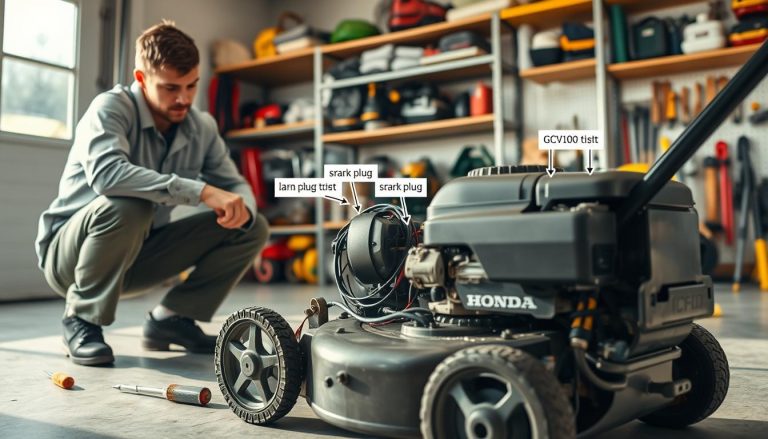
A well-maintained lawn mower is essential for a neat and tidy lawn. However, when it stops working, it can be frustrating. Regular maintenance is crucial to extend its lifespan and ensure optimal performance.
Troubleshooting and repairing a self-propelled lawn mower can seem daunting, but with the right guidance, it can be a straightforward process. This article aims to guide you through the steps to diagnose and fix common issues, getting your mower back in action.
Key Takeaways
- Understand the importance of regular lawn mower maintenance.
- Learn how to troubleshoot common issues with self-propelled lawn mowers.
- Discover simple repair techniques to get your mower working again.
- Identify when to seek professional help for complex repairs.
- Tips on maintaining your lawn mower to prevent future issues.
Understanding Your Self-Propelled Lawn Mower
Understanding the mechanics behind a self-propelled lawn mower is crucial for maintaining its performance. A self-propelled lawn mower operates through a system that enables it to move forward without manual pushing, making lawn care less strenuous.
How Self-Propelled Systems Function
The self-propelled system functions through a combination of mechanical components, including a drive system, transmission, and wheels. The drive system is typically powered by the mower’s engine, which transmits power to the wheels, propelling the mower forward.
The efficiency of this system depends on the condition and type of the drive components. Regular maintenance is essential to ensure the longevity and effectiveness of the self-propelled mechanism.
Common Drive Types: Front-Wheel, Rear-Wheel, and All-Wheel
Self-propelled lawn mowers come with various drive types, including front-wheel, rear-wheel, and all-wheel drive.
- Front-Wheel Drive: Ideal for flat terrains, front-wheel drive mowers are easy to maneuver.
- Rear-Wheel Drive: Suitable for hilly or uneven terrains, rear-wheel drive mowers offer better traction.
- All-Wheel Drive: Providing maximum traction, all-wheel drive mowers are perfect for challenging landscapes.
Tools Needed for Troubleshooting and Repairs
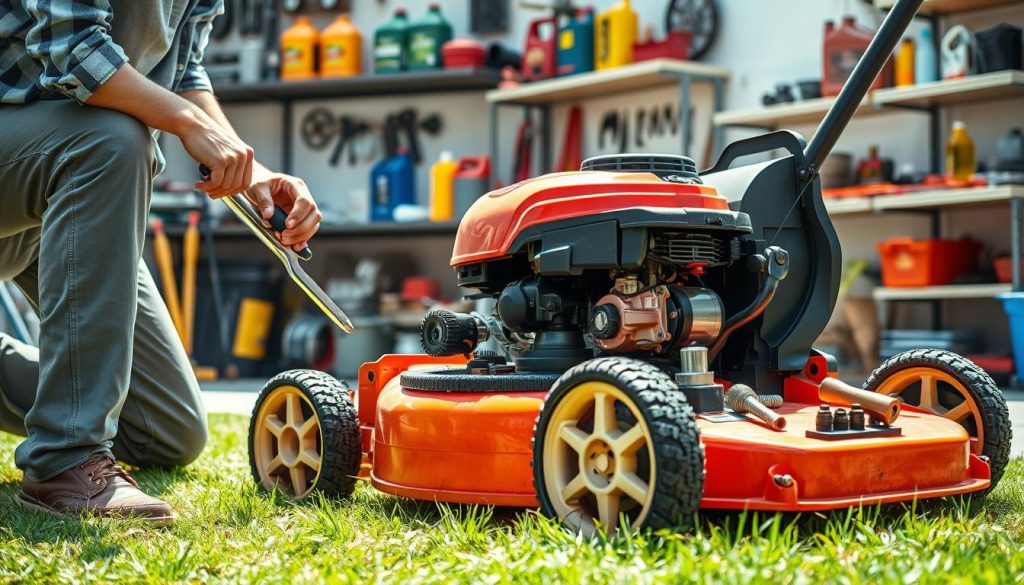
Basic tools required for troubleshooting and repairs include a socket set, wrench, and screwdrivers. Having these tools on hand can simplify the process of diagnosing and fixing common issues with your self-propelled lawn mower.
Safety Precautions Before Starting Repairs
Safety should always be your top priority when attempting to repair a self-propelled lawn mower. Ensuring your safety involves several key precautions that can prevent accidents and injuries.
Disconnecting the Spark Plug
One of the first steps in preparing your lawn mower for repair is disconnecting the spark plug. This simple action prevents the engine from accidentally starting while you’re working on it, thereby reducing the risk of injury. To disconnect the spark plug, locate the spark plug wire, grasp it firmly, and pull it off the spark plug. It’s advisable to keep the spark plug wire away from the spark plug to prevent it from reconnecting accidentally.
Proper Working Position and Equipment
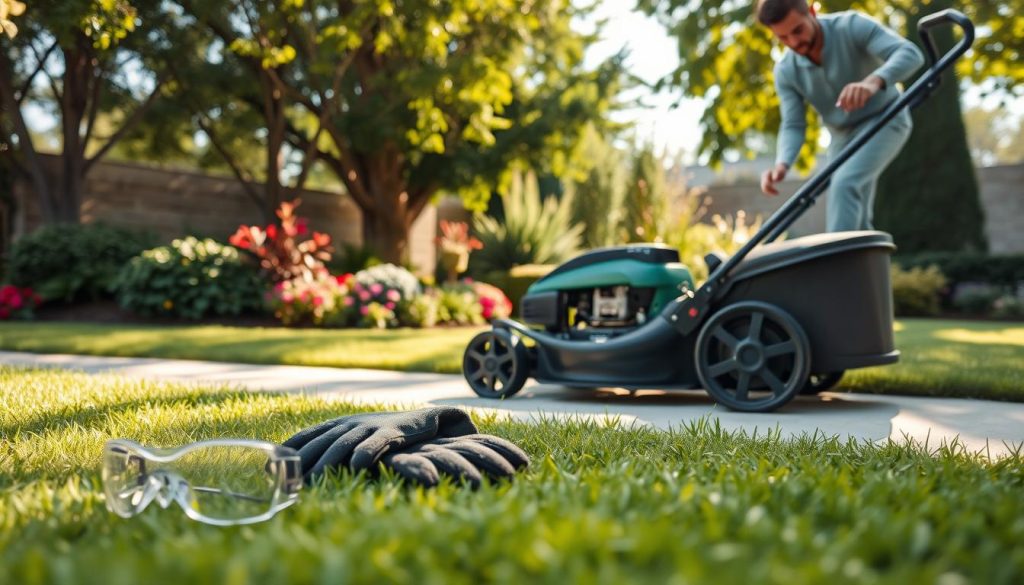
Maintaining a proper working position is crucial to avoid strain and injury. Ensure you have enough space to work comfortably around your lawn mower. Wear protective gear such as gloves and safety glasses to protect yourself from potential hazards like sharp edges or flying debris. Additionally, make sure your work area is well-lit to prevent accidents caused by poor visibility.
Fuel Handling Safety
When handling fuel, it’s essential to take safety precautions seriously. Always drain the fuel tank before starting repairs to minimize the risk of fuel spills or fires. If you need to remove fuel, do so in a well-ventilated area, away from any open flames or sparks. Use a proper container to store the fuel, and ensure it’s tightly sealed after use.
Lawn Mower Self Propelled Not Working: Quick Fixes
A malfunctioning self-propelled lawn mower can be a significant inconvenience, but many issues can be resolved with simple fixes. When your lawn mower stops working, it’s essential to identify the problem and apply the appropriate fix to get back to maintaining your lawn.
Inspecting and Adjusting the Drive Control Cable
The drive control cable is a critical component of a self-propelled lawn mower. If it’s not functioning correctly, the mower won’t move. Inspecting and adjusting this cable is a crucial first step.
Testing Cable Tension
To test the cable tension, first, locate the drive control cable. It’s usually connected to the handlebars and the transmission. Check if the cable is loose or damaged. If it’s loose, tightening it might resolve the issue. You can refer to your lawn mower’s manual for specific instructions on adjusting the cable tension.
Making Proper Adjustments
If the cable is damaged, it may need to be replaced. To make proper adjustments, ensure that the cable is not frayed or broken. If you’re unsure, consult a professional or contact the manufacturer. For instance, if you own a Troy-Bilt TB110, you can find more information on troubleshooting at https://automotivesimple.com/troy-bilt-tb110-not-starting/.
Checking and Replacing the Drive Belt
The drive belt is another crucial component that can cause issues if it’s worn out or damaged. Regular inspection of the drive belt can help prevent problems.
Signs of Belt Wear and Damage
Common signs of belt wear include cracks, frays, or excessive wear. If you notice any of these signs, it’s time to replace the belt. A worn-out belt can cause the mower to slip or not move at all.
Belt Replacement Steps
To replace the drive belt, start by disconnecting the spark plug to ensure safety. Then, remove the belt cover and take out the old belt. Install a new belt, making sure it’s properly aligned. Finally, replace the belt cover and reconnect the spark plug.
Diagnosing Transmission Problems
Transmission issues can be more complex and may require professional help. However, there are some initial steps you can take to diagnose the problem. Check for any signs of leakage or damage to the transmission.
Cleaning and Fixing Wheel Issues
Wheel issues can also cause a self-propelled lawn mower to malfunction. Cleaning the wheels and checking for any blockages or damage is essential. Make sure the wheels are properly aligned and not clogged with debris.
Addressing Clutch and Pulley Problems
The clutch and pulley system plays a vital role in the operation of a self-propelled lawn mower. If the clutch or pulley is damaged, it can cause the mower to stop working. Inspect these components for any signs of wear or damage and replace them if necessary.
By following these quick fixes, you can often resolve common issues with your self-propelled lawn mower. Regular maintenance and inspection can help prevent many problems, ensuring your lawn mower continues to work efficiently.
Advanced Repair Techniques for Persistent Problems
Advanced repair techniques can help you tackle persistent problems with your self-propelled lawn mower. When basic troubleshooting doesn’t resolve the issue, it’s time to dive deeper into the mechanics of your mower.
Disassembling the Drive System Safely
To diagnose and fix complex issues, you may need to disassemble the drive system. Ensure your safety by disconnecting the spark plug and wearing protective gear. Carefully remove the components, noting their positions and how they’re connected.
Replacing Worn Gears and Components
Once you’ve disassembled the drive system, inspect the gears and other components for wear. Replacing worn parts can significantly improve your mower’s performance. Make sure to source compatible replacement parts to maintain your mower’s integrity.
When to Consider Professional Repair Services
If you’re not comfortable with advanced repairs or if the problem persists after your attempts to fix it, consider seeking professional lawn mower repair services. Professionals have the tools and expertise to diagnose and fix complex issues efficiently.
In conclusion, advanced repair techniques can be a cost-effective way to fix your self-propelled lawn mower. However, knowing when to seek professional help is crucial to avoid further damage.
Conclusion
Regular self-propelled lawn mower maintenance is crucial for extending the lifespan of your equipment and ensuring it continues to function efficiently. By following the troubleshooting techniques and repair methods outlined in this article, you can identify and address issues before they become major problems.
Effective lawn mower troubleshooting involves understanding the mechanics of your self-propelled lawn mower, including its drive system and transmission. By inspecting and adjusting the drive control cable, checking and replacing the drive belt, and diagnosing transmission problems, you can resolve common issues that may be affecting your mower’s performance.
To keep your self-propelled lawn mower in good working condition, it’s essential to perform routine checks and maintenance tasks. This includes cleaning the mower deck, checking tire pressure, and lubricating moving parts. By staying on top of these tasks, you can ensure your lawn mower continues to operate smoothly and efficiently.
FAQ
What are the most common reasons a self-propelled lawn mower stops working?
Common issues include a faulty drive control cable, worn or damaged drive belt, transmission problems, wheel issues, and clutch or pulley problems.
How do I inspect and adjust the drive control cable on my lawn mower?
To inspect and adjust the drive control cable, start by checking the cable tension. If it’s too loose, tighten it according to the manufacturer’s instructions. Make sure to test the cable after adjustments to ensure proper function.
What are the signs of a worn or damaged drive belt, and how do I replace it?
Signs of a worn or damaged drive belt include cracks, frays, or excessive wear. To replace the belt, follow the manufacturer’s instructions, and ensure the new belt is properly seated and aligned.
How do I diagnose transmission problems in my self-propelled lawn mower?
To diagnose transmission problems, check for signs of wear, damage, or leaks. Consult the owner’s manual or manufacturer’s instructions for specific guidance on troubleshooting transmission issues.
What safety precautions should I take when working on my lawn mower?
Always disconnect the spark plug before starting repairs, maintain a proper working position, and handle fuel safely to avoid accidents and injuries.
When should I consider seeking professional repair services for my lawn mower?
If you’re unsure about how to perform a repair or if the issue is complex, it’s best to seek professional help to avoid further damage or safety risks.
How can I prevent my self-propelled lawn mower from breaking down in the future?
Regular maintenance, such as checking and replacing worn parts, cleaning the mower, and following the manufacturer’s maintenance schedule, can help prevent breakdowns and ensure optimal performance.
What are the benefits of maintaining my self-propelled lawn mower?
Regular maintenance can extend the lifespan of your lawn mower, improve its performance, and reduce the risk of accidents or injuries.