The Jeep death wobble is a concerning issue that affects many Jeep owners, causing steering problems and compromising vehicle safety.
This phenomenon, characterized by a violent shaking or wobbling of the steering wheel, can be alarming and is often a sign of underlying suspension or steering issues.
Addressing the death wobble is crucial to ensure a smooth and safe driving experience. In this article, we will explore the causes, diagnosis, and repair of this issue, providing Jeep owners with the knowledge to tackle the problem effectively.
Key Takeaways
- Understanding the causes of Jeep death wobble is essential for effective repair.
- Jeep suspension repair is often necessary to resolve the issue.
- Proper diagnosis is critical to identifying the root cause of the problem.
- Jeep steering problems can be a sign of a larger issue that needs to be addressed.
- Effective repair requires a comprehensive approach.
Understanding the Jeep Death Wobble
Death Wobble is a condition that affects certain Jeep models, causing a violent shaking or wobbling motion, typically when driving at high speeds or hitting a bump. This phenomenon can be alarming and disrupt the driving experience, making it essential for Jeep owners to understand its causes and implications.
What Exactly Is the Death Wobble?
The Death Wobble is characterized by a sudden, intense vibration or shaking of the vehicle, often triggered by a specific event such as hitting a pothole or a bump on the road. It is not just a simple vibration; it’s a potentially dangerous condition that can lead to loss of control of the vehicle if not addressed promptly.
Common Symptoms to Watch For
Symptoms of the Death Wobble include a sudden, violent shaking or wobbling of the vehicle, typically felt through the steering wheel. Other signs may include loose or erratic steering, and in severe cases, the vehicle may pull to one side. If you experience any of these symptoms, it’s crucial to have your Jeep inspected by a professional mechanic. For more information on related issues, you can visit this article on why your Jeep shakes when hitting a bump.
Which Jeep Models Are Most Affected
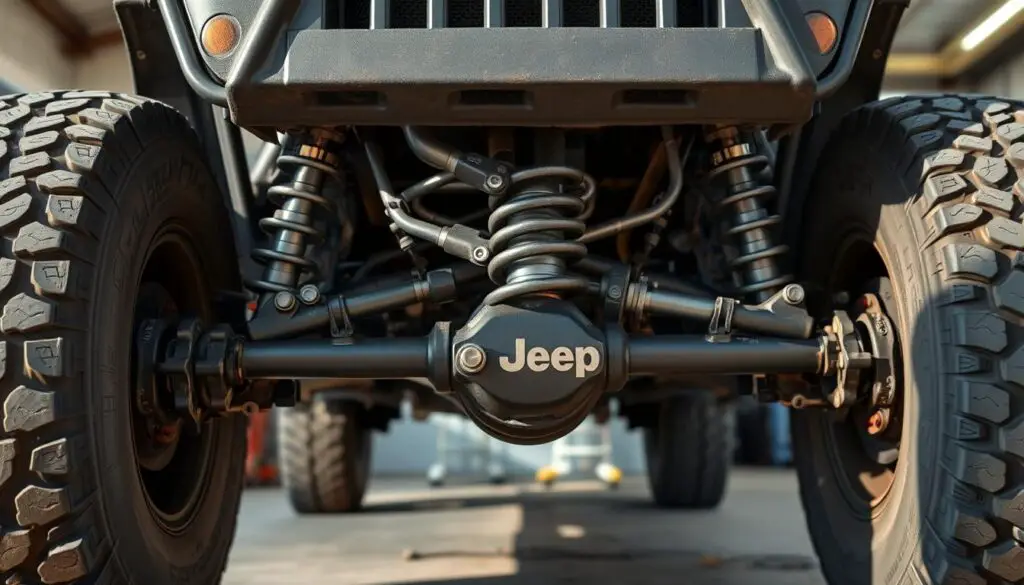
While the Death Wobble can affect various Jeep models, certain models are more prone to this condition due to their design and suspension system. Models such as the Jeep Wrangler, particularly those with solid axles and higher ground clearance, are more susceptible to experiencing the Death Wobble.
Safety Implications of Death Wobble
The safety implications of driving a Jeep with the Death Wobble condition can be significant. If not addressed, it can lead to loss of vehicle control, potentially resulting in accidents. Therefore, understanding and addressing the Death Wobble is crucial for ensuring the safety of both the driver and passengers.
Common Causes of Death Wobble in Jeeps
Death wobble, a dangerous oscillation that can occur in Jeeps, is typically caused by issues with steering, suspension, or tires. Understanding these causes is crucial for diagnosing and fixing the problem effectively.
Worn Steering Components
Worn steering components are a primary cause of death wobble. When parts like the track bar or tie rod ends wear out, they can introduce instability into the steering system.
Track Bar Issues
The track bar plays a crucial role in maintaining the axle’s position. A worn or loose track bar can cause the axle to shift, leading to death wobble. Regular inspection and maintenance of the track bar are essential.
Tie Rod End Wear
Tie rod ends connect the steering rack to the wheels. When they wear out, the connection becomes loose, potentially causing death wobble. Inspecting tie rod ends for play or wear can help identify this issue.
Suspension Problems
Suspension issues are another significant contributor to death wobble. Components like control arm bushings and ball joints are critical to maintaining stable suspension.
Control Arm Bushings
Control arm bushings help absorb road shocks and maintain alignment. Worn bushings can lead to instability, contributing to death wobble. Replacing worn bushings can significantly improve stability.
Ball Joint Deterioration
Ball joints are crucial for smooth suspension movement. When they deteriorate, it can lead to looseness and contribute to death wobble. Regular inspection of ball joints is vital.
Tire and Wheel Factors
Tire and wheel issues can also cause death wobble. Factors such as unbalanced wheels or improper tire pressure can lead to oscillations.
Unbalanced Wheels
Unbalanced wheels can cause vibrations that may lead to death wobble, especially at high speeds. Regular wheel balancing is recommended.
Improper Tire Pressure
Incorrect tire pressure affects handling and stability. Both overinflated and underinflated tires can contribute to death wobble. Maintaining the recommended tire pressure is crucial.
Alignment and Geometry Issues
Alignment and geometry issues can also contribute to death wobble. Misalignment can cause uneven tire wear and affect steering stability.
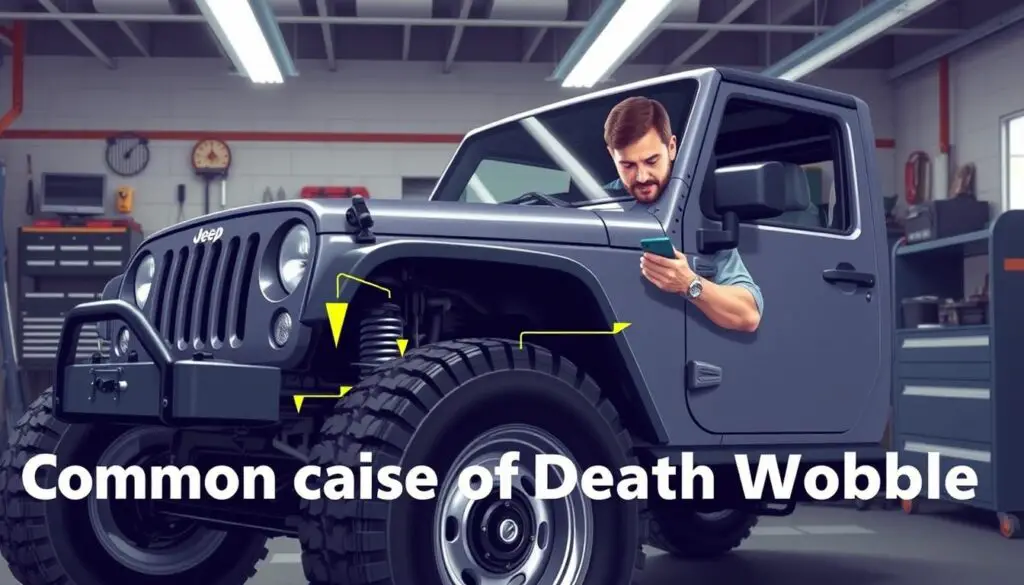
By understanding and addressing these common causes, Jeep owners can take steps to prevent or fix death wobble, ensuring a safer driving experience.
Diagnosing Your Jeep’s Death Wobble
A systematic diagnosis is crucial for identifying and fixing the Death Wobble issue in Jeeps. This process involves several steps that help determine the root cause of the problem.
Safety Precautions Before Inspection
Before starting the diagnosis, ensure you’re taking the necessary safety precautions. This includes wearing appropriate gear and ensuring the vehicle is on a level surface. “Safety is not just a precaution, it’s a necessity,” especially when dealing with potentially unstable vehicles.
Visual Inspection Checklist
A thorough visual inspection is the first step in diagnosing Death Wobble. This involves checking various components of your Jeep.
Front End Component Check
Inspect the front end components, including the steering linkage, ball joints, and control arms, for any signs of wear or damage.
Tire Inspection Process
Check the tires for uneven wear, proper inflation, and any signs of damage. Proper tire maintenance is crucial for preventing Death Wobble.
Test Drive Diagnostics
A test drive is essential for diagnosing Death Wobble. It allows you to replicate the conditions under which the wobble occurs, providing valuable insights into its cause.
Using a Helper for Thorough Diagnosis
Having a helper during the diagnosis can be beneficial. They can observe the vehicle’s behavior during a test drive, providing additional insights.
When to Seek Professional Help
If you’re unsure about any aspect of the diagnosis or if the problem persists after your checks, it’s time to seek professional help. A professional mechanic can provide a more detailed diagnosis and recommend the necessary repairs.
By following these steps, Jeep owners can effectively diagnose the Death Wobble issue and take the first steps towards resolving it.
How to Fix Jeep Death Wobble: Expert Tips Revealed
Death wobble can be a daunting issue for Jeep owners, but with the right expert tips, it’s possible to rectify the problem efficiently. Fixing death wobble requires a comprehensive approach that includes understanding the root causes, selecting the appropriate repair options, and implementing the necessary fixes.
DIY Repair Options
For many Jeep owners, tackling death wobble on their own is a viable option. DIY repairs can be cost-effective and empowering. Here are some key areas to focus on:
Track Bar Replacement Steps
Replacing the track bar is a critical step in addressing death wobble. Start by lifting your Jeep and removing the old track bar. Inspect the mounting points for any damage or wear. Install the new track bar, ensuring it’s properly aligned and secured.
Ball Joint and Tie Rod Inspection and Replacement
Inspect the ball joints and tie rods for any signs of wear or damage. Replacing worn-out components is crucial for maintaining stability. Use a ball joint separator to remove the old parts and install new ones, ensuring they’re properly tightened.
Steering Stabilizer Upgrades
Upgrading your steering stabilizer can significantly reduce death wobble. Choose a high-quality stabilizer that matches your Jeep’s specifications. Installation involves removing the old stabilizer and mounting the new one, ensuring it’s correctly adjusted.
Suspension Repairs and Upgrades
The suspension system plays a crucial role in death wobble. Upgrading or repairing suspension components can greatly improve stability.
Control Arm Bushing Replacement
Worn-out control arm bushings can contribute to death wobble. Replacing them involves removing the control arm, pressing out the old bushings, and installing new ones. Ensure the control arm is properly aligned and secured.
Shock Absorber Selection and Installation
Selecting the right shock absorbers is vital for controlling death wobble. Choose shocks that are designed for your Jeep’s make and model. Installation involves removing the old shocks and mounting the new ones, ensuring they’re properly adjusted.
| Suspension Component | Function | Upgrade Benefit |
|---|---|---|
| Control Arm Bushings | Provide stability and flexibility | Improved stability, reduced wear |
| Shock Absorbers | Control oscillations and vibrations | Enhanced ride quality, reduced death wobble |
| Track Bar | Maintains axle alignment | Improved stability, reduced death wobble |
Tire Solutions
Tire maintenance is crucial in preventing and fixing death wobble. Proper balancing, rotation, and tire pressure can make a significant difference.
Balancing and Rotation Techniques
Regular tire balancing and rotation ensure even wear and improve stability. Use a tire balancing machine to balance your tires and follow a rotation pattern recommended by your Jeep’s manufacturer.
Optimal Tire Pressure for Different Terrains
Maintaining the optimal tire pressure is vital for different driving conditions. Check your Jeep’s manual for the recommended pressure for on-road and off-road driving. Adjust the pressure accordingly to ensure stability and traction.
Professional Repair Considerations
While DIY repairs are viable, some situations require professional assistance. Understanding when to seek help is crucial.
Alignment Specifications
Proper alignment is key to preventing death wobble. Professionals use specialized equipment to align your Jeep according to the manufacturer’s specifications. Ensure that the alignment is checked after any major suspension repairs.
Specialized Equipment Needs
Some repairs require specialized tools and equipment. Professionals have access to these tools, ensuring that repairs are done correctly and efficiently. Consider seeking professional help if you’re unsure about any aspect of the repair.
Cost Considerations and Repair Priorities
When tackling Jeep Death Wobble, understanding the cost implications of various repair options is crucial. The financial aspect of repairs can significantly influence the choice of repair methods and parts.
Budget-Friendly Fixes to Try First
Initial steps in addressing Death Wobble can include budget-friendly fixes such as checking and adjusting tire pressure, inspecting and tightening loose steering components, and ensuring proper wheel alignment.
Mid-Range Repair Options
If basic checks don’t resolve the issue, mid-range repair options may be necessary. These can include replacing worn-out steering components or upgrading to heavy-duty suspension parts.
| Repair Option | Estimated Cost | DIY Feasibility |
|---|---|---|
| Tire Pressure Adjustment | $0 – $20 | High |
| Steering Component Replacement | $100 – $500 | Moderate |
| Suspension Upgrade | $500 – $2000 | Low |
Complete Front End Overhaul Costs
A complete front end overhaul is a more extensive and costly repair. It involves replacing major components such as control arms, steering gear, and suspension parts. The cost can range from $1,000 to $3,000 or more, depending on the parts and labor.
DIY vs. Professional Service Cost Comparison
Choosing between DIY repairs and professional services depends on your mechanical aptitude and the complexity of the repairs. While DIY can save on labor costs, professional services offer expertise and warranty.
Prioritizing Repairs for Maximum Effectiveness
Prioritizing repairs based on urgency and impact on the vehicle’s safety and performance is essential. Start with the most critical issues that directly affect the Death Wobble.
Conclusion
Addressing Jeep death wobble requires a thorough understanding of its causes and effective repair strategies. This article has provided a detailed overview of the common causes, diagnostic techniques, and repair options for this potentially hazardous condition.
A summary of death wobble fixes highlights the importance of inspecting and maintaining steering and suspension components, ensuring proper tire balance and alignment, and considering professional repairs when necessary.
By following the expert tips revealed in this article, Jeep owners can effectively diagnose and fix death wobble, enhancing their vehicle’s safety and performance. Taking proactive steps to address this issue is crucial for a smooth and secure driving experience.
In conclusion, tackling Jeep death wobble is essential for maintaining vehicle stability and safety. With the right knowledge and repairs, Jeep owners can overcome this challenge and enjoy a more confident driving experience.
FAQ
What is death wobble in Jeeps?
Death wobble is a violent shaking or oscillation of a Jeep, typically occurring when driving at high speeds, often caused by worn or loose steering and suspension components.
Which Jeep models are most prone to death wobble?
Jeep models with a solid axle, such as the Wrangler, are more susceptible to death wobble due to their design and suspension configuration.
Can death wobble be fixed without professional help?
Yes, some death wobble issues can be addressed through DIY repairs, such as replacing worn steering components or adjusting tire pressure, but complex problems may require professional assistance.
How much does it cost to fix death wobble in a Jeep?
The cost to fix death wobble varies widely, depending on the underlying causes, with budget-friendly fixes starting around 0 and complete front end overhauls potentially costing over
FAQ
What is death wobble in Jeeps?
Death wobble is a violent shaking or oscillation of a Jeep, typically occurring when driving at high speeds, often caused by worn or loose steering and suspension components.
Which Jeep models are most prone to death wobble?
Jeep models with a solid axle, such as the Wrangler, are more susceptible to death wobble due to their design and suspension configuration.
Can death wobble be fixed without professional help?
Yes, some death wobble issues can be addressed through DIY repairs, such as replacing worn steering components or adjusting tire pressure, but complex problems may require professional assistance.
How much does it cost to fix death wobble in a Jeep?
The cost to fix death wobble varies widely, depending on the underlying causes, with budget-friendly fixes starting around $100 and complete front end overhauls potentially costing over $1,000.
Is death wobble a safety concern?
Yes, death wobble can be a significant safety concern, as it can cause loss of control of the vehicle, particularly at high speeds, and increase the risk of accidents.
Can improper tire pressure contribute to death wobble?
Yes, improper tire pressure can contribute to death wobble, as underinflated or overinflated tires can affect the vehicle’s stability and handling.
How can I diagnose death wobble in my Jeep?
Diagnosing death wobble involves a systematic approach, including a visual inspection of steering and suspension components, test drive diagnostics, and potentially seeking professional help.
Can a steering stabilizer upgrade help alleviate death wobble?
Yes, a steering stabilizer upgrade can help alleviate death wobble by improving the vehicle’s stability and reducing the impact of external factors on the steering system.
,000.
Is death wobble a safety concern?
Yes, death wobble can be a significant safety concern, as it can cause loss of control of the vehicle, particularly at high speeds, and increase the risk of accidents.
Can improper tire pressure contribute to death wobble?
Yes, improper tire pressure can contribute to death wobble, as underinflated or overinflated tires can affect the vehicle’s stability and handling.
How can I diagnose death wobble in my Jeep?
Diagnosing death wobble involves a systematic approach, including a visual inspection of steering and suspension components, test drive diagnostics, and potentially seeking professional help.
Can a steering stabilizer upgrade help alleviate death wobble?
Yes, a steering stabilizer upgrade can help alleviate death wobble by improving the vehicle’s stability and reducing the impact of external factors on the steering system.