The Jeep Grand Cherokee is known for its robust performance and comfort, largely due to its sophisticated air suspension system. However, like any complex system, it’s not immune to problems. Air suspension issues can lead to a rough ride and compromised handling, detracting from the overall driving experience.
Addressing these suspension problems promptly is crucial to maintaining your vehicle’s performance and safety. This article will guide you through diagnosing and repairing common air suspension issues, helping you to restore your Jeep Grand Cherokee to its optimal condition.
Key Takeaways
- Understanding common air suspension problems in the Jeep Grand Cherokee.
- Steps to diagnose air suspension issues.
- Repair techniques for common suspension problems.
- Importance of maintaining the air suspension system.
- Tips for ensuring a smooth ride in your Jeep Grand Cherokee.
Understanding the Jeep Grand Cherokee Air Suspension System
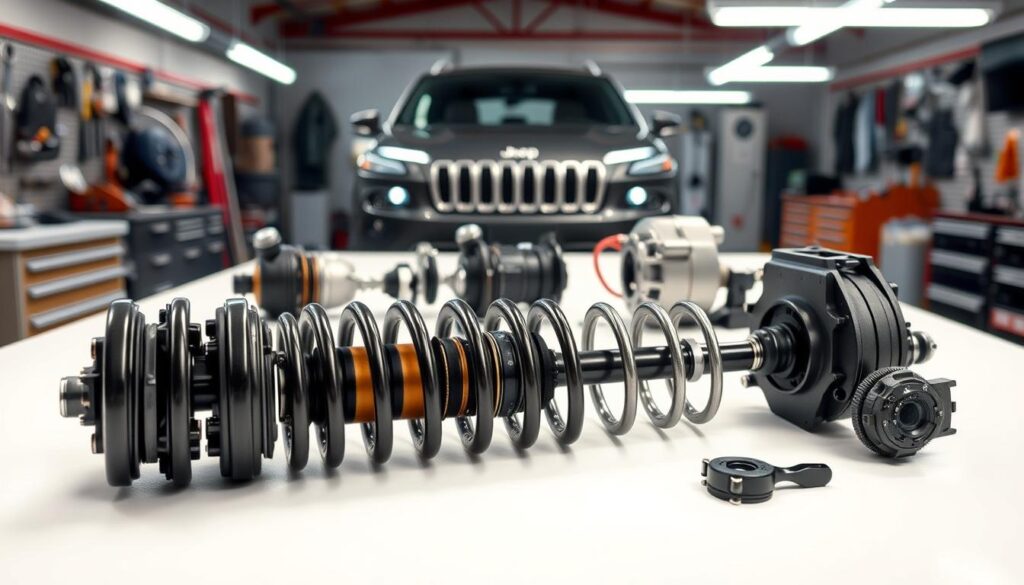
Understanding the intricacies of the Jeep Grand Cherokee air suspension system is crucial for diagnosing and fixing potential issues. The air suspension system is a complex assembly of various components working in harmony to provide a smooth ride and adaptable handling.
Components of the Air Suspension System
The air suspension system comprises several key components that work together to achieve its functionality.
Air Springs and Struts
Air springs and struts are critical components that directly affect the vehicle’s ride height and quality. Air springs are designed to support the vehicle’s weight and absorb road irregularities, while struts provide additional support and stability.
Compressor and Reservoir
The compressor is responsible for generating compressed air, which is then stored in the reservoir. This compressed air is used to adjust the air springs and maintain the desired ride height.
Control Module and Sensors
The control module acts as the brain of the air suspension system, processing data from various sensors to adjust the system’s settings accordingly. These sensors monitor parameters such as vehicle height, speed, and road conditions.
How the System Functions
The air suspension system’s functionality can be understood by examining its normal operation cycle and the different ride height settings it offers.
Normal Operation Cycle
During normal operation, the system continuously monitors the vehicle’s ride height and adjusts the air springs as necessary to maintain a smooth ride.
“The air suspension system is designed to provide a comfortable ride and improved handling by automatically adjusting to road conditions.”
Different Ride Height Settings
The Jeep Grand Cherokee air suspension system allows for different ride height settings, which can be selected based on driving conditions. For example, a lower ride height can be selected for highway driving to improve aerodynamics, while a higher ride height can be used for off-road driving to increase ground clearance.
Common Jeep Grand Cherokee Air Suspension Issues: Solved Fast
Despite its advanced features, the air suspension in Jeep Grand Cherokee models can experience a range of common issues that affect its performance and overall ride quality. Understanding these problems is crucial for effective troubleshooting and repair.
Air Compressor Failure
The air compressor is a critical component of the air suspension system, responsible for compressing air to the necessary pressure. Failure of the air compressor can lead to a noticeable decline in ride height and overall system performance. Common causes include worn-out parts, electrical issues, or excessive wear and tear. For instance, a faulty relay or wiring issue can prevent the compressor from functioning correctly. Replacing the air compressor or addressing the underlying electrical issues can resolve this problem.
Leaking Air Springs
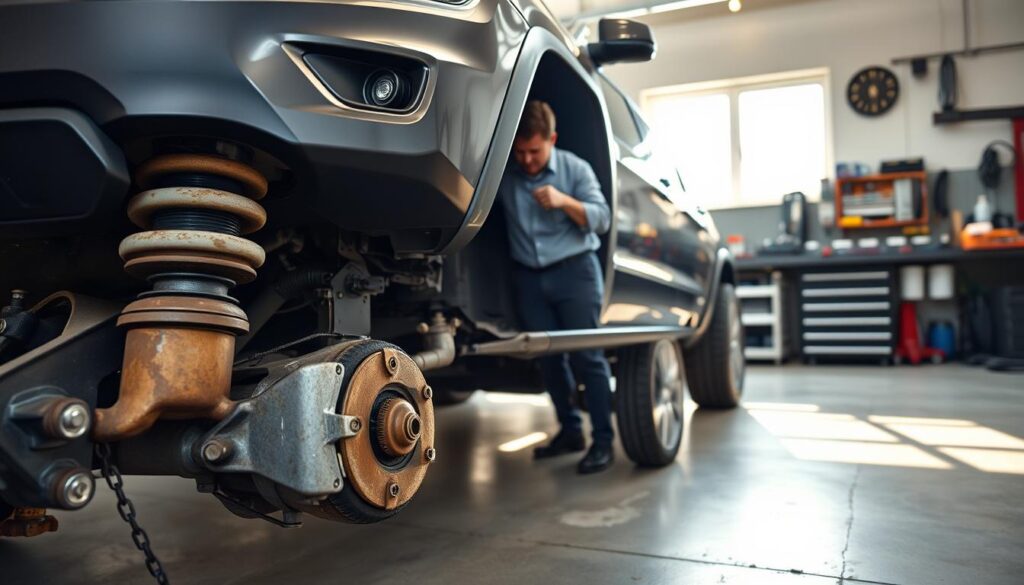
Air springs are another vital component, providing the necessary support and cushioning for a smooth ride. However, they can develop leaks over time due to wear, damage, or exposure to harsh conditions. Leaking air springs can cause the vehicle to sag or ride unevenly. Inspecting the air springs for signs of damage or leaks and replacing them as needed can help restore the system’s functionality. It’s also essential to check the surrounding components for any damage caused by the leak.
Faulty Height Sensors
Height sensors play a crucial role in monitoring the vehicle’s ride height and adjusting the air suspension accordingly. Faulty height sensors can send incorrect signals to the control module, leading to improper adjustments and potentially causing the vehicle to ride unevenly or too low. Diagnosing faulty height sensors involves checking the sensor’s electrical connections and output. Replacing a faulty sensor can resolve issues related to incorrect ride height adjustments.
Control Module Problems
The control module is the brain of the air suspension system, controlling the compressor, air springs, and height sensors. Issues with the control module can lead to erratic system behavior, including failure to adjust ride height correctly or maintain system pressure. Diagnosing control module problems often requires specialized equipment. In some cases, reprogramming or replacing the control module may be necessary to resolve these issues. For more information on diagnosing air suspension problems, you can visit this resource for additional insights.
| Issue | Cause | Solution |
|---|---|---|
| Air Compressor Failure | Worn-out parts, electrical issues | Replace compressor, fix electrical issues |
| Leaking Air Springs | Wear, damage, harsh conditions | Inspect and replace air springs |
| Faulty Height Sensors | Incorrect signals, electrical issues | Check connections, replace sensor |
| Control Module Problems | Erratic system behavior | Reprogram or replace control module |
Diagnosing Air Suspension Problems in Your Jeep
Effective diagnosis of air suspension issues requires a comprehensive understanding of the system and its components. Diagnosing air suspension problems in your Jeep Grand Cherokee involves several steps that help identify the root cause of the issue.
Warning Signs and Error Codes
The first step in diagnosing air suspension problems is to look out for warning signs and error codes. Your Jeep’s dashboard can provide valuable information about the health of the air suspension system.
Dashboard Warning Lights
Dashboard warning lights are a crucial indicator of potential issues. If the air suspension warning light is illuminated, it could indicate a problem with the air compressor, air springs, or height sensors.
Common Error Codes and Their Meanings
Error codes can provide more specific information about the issue. Some common error codes related to air suspension problems include:
- P1281: Air suspension compressor relay circuit malfunction
- P1282: Air suspension compressor relay circuit low
- P1283: Air suspension compressor relay circuit high
Understanding these codes can help you pinpoint the problem.
Using Diagnostic Tools
Diagnostic tools can help you further diagnose air suspension problems. Using a scan tool, you can retrieve error codes and monitor the system’s performance. It’s essential to use a scan tool compatible with your Jeep Grand Cherokee’s make and model.
Visual Inspection Techniques
A visual inspection can also help identify potential issues. Check for signs of wear or damage on the air springs, compressor, and other components. Look for leaks, rust, or corrosion, and ensure all connections are secure.
By combining these diagnostic techniques, you can accurately identify and address air suspension problems in your Jeep Grand Cherokee.
Step-by-Step Repair Guide for Common Issues
Repairing air suspension issues in your Jeep Grand Cherokee can be a straightforward process if you follow the right steps. The air suspension system is a complex component of your vehicle, but by breaking down the repair process into manageable tasks, you can address common problems effectively.
Replacing the Air Compressor
The air compressor is a critical component of the air suspension system, responsible for compressing air to inflate the suspension. Over time, it can fail, leading to suspension issues.
Tools and Parts Needed
To replace the air compressor, you’ll need a few specialized tools and the correct replacement part. Ensure you have a compatible air compressor for your Jeep Grand Cherokee model.
- Socket set
- Wrench set
- New air compressor unit
Removal and Installation Process
Begin by disconnecting the battery to prevent any accidental starts. Then, locate the air compressor and disconnect the electrical connector. Remove the mounting bolts and carefully extract the compressor. Installation is the reverse of removal, ensuring all connections are secure.
Fixing or Replacing Air Springs
Air springs are another crucial component that can develop leaks or fail over time. Identifying the issue early can prevent further damage.
Identifying Leaks
Inspect the air springs for signs of leakage, such as oil or air escaping. You can use a soapy water solution to help identify leaks.
Replacement Procedure
To replace an air spring, first, raise the vehicle and support it securely. Then, disconnect the air line and electrical connector. Remove the spring and install the new one, ensuring all connections are tight and secure.
Addressing Sensor and Electrical Issues
The height sensors and electrical components play a vital role in the air suspension system. Faulty sensors can cause the system to malfunction. Inspect the sensors and wiring for damage or corrosion, and replace as necessary.
Resetting the System
After making repairs, it’s often necessary to reset the air suspension system. This process varies depending on the model year of your Jeep Grand Cherokee. Consult your owner’s manual or a professional mechanic if you’re unsure.
By following these steps, you can effectively repair common air suspension issues in your Jeep Grand Cherokee, ensuring a smooth ride and optimal performance.
Cost Considerations and Alternative Solutions
When dealing with Jeep Grand Cherokee air suspension issues, understanding the cost implications of different repair strategies is crucial. The decision to repair or replace components can significantly impact the overall cost.
DIY vs. Professional Repair Costs
One of the primary considerations is whether to opt for a DIY repair or hire a professional. DIY repairs can be cost-effective, with parts such as air springs and compressors available at a lower cost than labor rates charged by dealerships or repair shops. However, professional repairs often come with a warranty and the assurance of correct installation.
A comparison of the costs is essential to make an informed decision:
| Repair Type | Cost Range |
|---|---|
| DIY Air Spring Replacement | $200-$500 |
| Professional Air Spring Replacement | $800-$1,200 |
| DIY Compressor Replacement | $300-$600 |
| Professional Compressor Replacement | $1,000-$1,500 |
Conversion to Traditional Suspension
Some Jeep Grand Cherokee owners consider converting their air suspension system to a traditional coil spring setup. This conversion can eliminate the complexity and potential failure points associated with air suspension.
The cost of conversion can vary, depending on the specific components and labor required. It’s essential to weigh the benefits against the costs and consider factors such as ride quality and vehicle performance.
Aftermarket Replacement Options
Aftermarket replacement parts offer another alternative for Jeep Grand Cherokee owners. These parts can range from air springs and compressors to complete suspension systems.
Aftermarket options can provide significant cost savings compared to OEM parts, but it’s crucial to ensure the quality and compatibility of these components.
Conclusion
Understanding and addressing Jeep Grand Cherokee air suspension issues is crucial for maintaining your vehicle’s performance and safety. The guide has provided a comprehensive overview of the air suspension system, common problems, and step-by-step repair instructions.
By following the troubleshooting and repair guidelines outlined in this article, you can effectively diagnose and fix issues with your Jeep Grand Cherokee’s air suspension. Regular maintenance and prompt repairs can help prevent more severe problems from developing, ensuring a smoother ride and optimal vehicle handling.
Whether you choose to perform DIY repairs or seek professional assistance, being informed about your Jeep Grand Cherokee air suspension system is key to making the right decisions for your vehicle’s upkeep. Stay proactive in maintaining your suspension system to enjoy a better driving experience.
FAQ
What are the common signs of air suspension problems in a Jeep Grand Cherokee?
Common signs include a rough ride, uneven vehicle height, dashboard warning lights, and error codes related to the air suspension system.
How do I diagnose air suspension issues in my Jeep Grand Cherokee?
Diagnosis involves checking dashboard warning lights, using diagnostic tools to read error codes, and performing visual inspections of the air suspension components.
Can I repair air suspension issues on my Jeep Grand Cherokee myself?
Yes, many air suspension issues can be repaired DIY, such as replacing the air compressor, fixing or replacing air springs, and addressing sensor and electrical issues.
What is the cost of repairing or replacing air suspension components in a Jeep Grand Cherokee?
The cost varies depending on the component, with air compressor replacement ranging from 0 to 00, and air spring replacement costing between 0 to 0 per corner.
Is it worth converting my Jeep Grand Cherokee to a traditional suspension system?
Converting to a traditional suspension can be a cost-effective solution, especially if you’re experiencing persistent air suspension issues, but it may affect the vehicle’s ride quality and capabilities.
Are aftermarket air suspension replacement parts reliable?
Many aftermarket parts are reliable, but it’s essential to choose reputable brands, such as Firestone or Arnott, and ensure compatibility with your Jeep Grand Cherokee model.
How often should I inspect and maintain my Jeep Grand Cherokee’s air suspension system?
Regular inspections every 12,000 to 15,000 miles, or as recommended by the manufacturer, can help identify potential issues before they become major problems.
Can faulty height sensors cause other problems in my Jeep Grand Cherokee?
Yes, faulty height sensors can cause issues with the air suspension system, including uneven ride height, and may also affect other systems, such as the stability control and traction control.