The Jeep Grand Cherokee is a popular SUV known for its ruggedness and reliability. However, some owners may encounter issues with the Electronic Stability Control (ESC) system, which is a critical safety feature.
When the ESC system malfunctions, it can lead to reduced vehicle stability, particularly during adverse weather conditions or emergency maneuvers. Addressing ESC problems promptly is essential to ensure the vehicle’s safety features are functioning correctly.
This guide is designed to assist Jeep Grand Cherokee owners in understanding and resolving ESC-related issues. By following this guide, owners can identify the causes of ESC problems and perform the necessary repairs to restore their vehicle’s stability and safety.
Key Takeaways
- Understanding the importance of the Electronic Stability Control system in Jeep Grand Cherokee
- Identifying common ESC problems and their symptoms
- Learning how to diagnose ESC issues
- Performing repairs to restore ESC functionality
- Ensuring vehicle safety and stability
Understanding the Electronic Stability Control System in Your Jeep Grand Cherokee
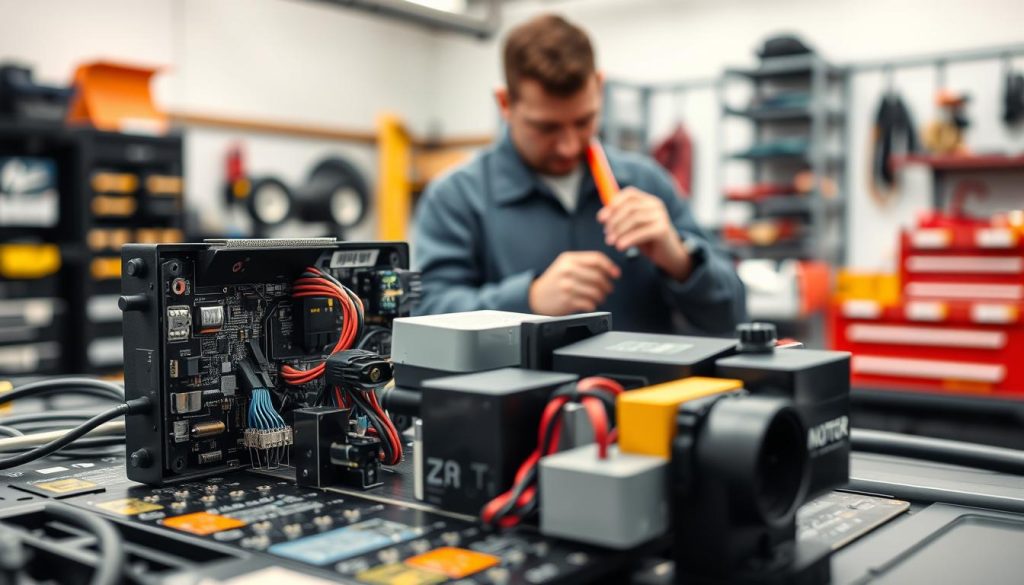
The Electronic Stability Control (ESC) system is a vital safety feature in modern vehicles, including the Jeep Grand Cherokee. This system is designed to help improve the stability of the vehicle by detecting and responding to loss of traction. In essence, ESC is a sophisticated technology that works in conjunction with other safety systems to enhance vehicle stability and control.
What Is Electronic Stability Control?
Electronic Stability Control is an advanced safety feature that helps vehicles stay stable and on course. It achieves this by automatically adjusting engine power and applying the brakes to individual wheels when necessary. This helps to prevent skidding and loss of control, particularly on slippery or uneven road surfaces.
The ESC system continuously monitors the vehicle’s speed, steering angle, and other factors to determine if it’s following the intended path. If the system detects a loss of traction or a deviation from the intended path, it intervenes by adjusting engine power and/or applying the brakes to specific wheels to help stabilize the vehicle.
How ESC Works in Jeep Grand Cherokee Models
In Jeep Grand Cherokee models, the ESC system works in tandem with other safety features such as the Anti-lock Braking System (ABS) and Traction Control System (TCS). When the ESC system detects a potential loss of control, it works with these other systems to help stabilize the vehicle. For instance, if the vehicle starts to skid, ESC can automatically reduce engine power and apply the brakes to the appropriate wheels to help the vehicle regain traction.
The ESC system in Jeep Grand Cherokee models is highly sophisticated, using a network of sensors to monitor the vehicle’s dynamics in real-time. This information is used to make precise adjustments to maintain vehicle stability and control.
The Role of ESC in Vehicle Safety
The Electronic Stability Control system plays a critical role in vehicle safety by helping to prevent accidents caused by loss of control. By maintaining vehicle stability, ESC can help reduce the risk of skidding and rollover accidents. This is particularly important in vehicles like the Jeep Grand Cherokee, which are designed for both on-road and off-road driving.
Key benefits of ESC include:
- Improved vehicle stability and control
- Reduced risk of skidding and loss of control
- Enhanced safety during on-road and off-road driving
Overall, the Electronic Stability Control system is a vital component of the Jeep Grand Cherokee’s safety features, providing drivers with an additional layer of protection and confidence on the road.
Common Symptoms of ESC Problems in Jeep Grand Cherokee
Jeep Grand Cherokee owners should be aware of the common symptoms indicating Electronic Stability Control (ESC) problems to ensure their vehicle’s safety and performance. The ESC system plays a crucial role in maintaining vehicle stability, especially during adverse weather conditions or when driving on uneven terrain.
Warning Light Indicators on the Dashboard
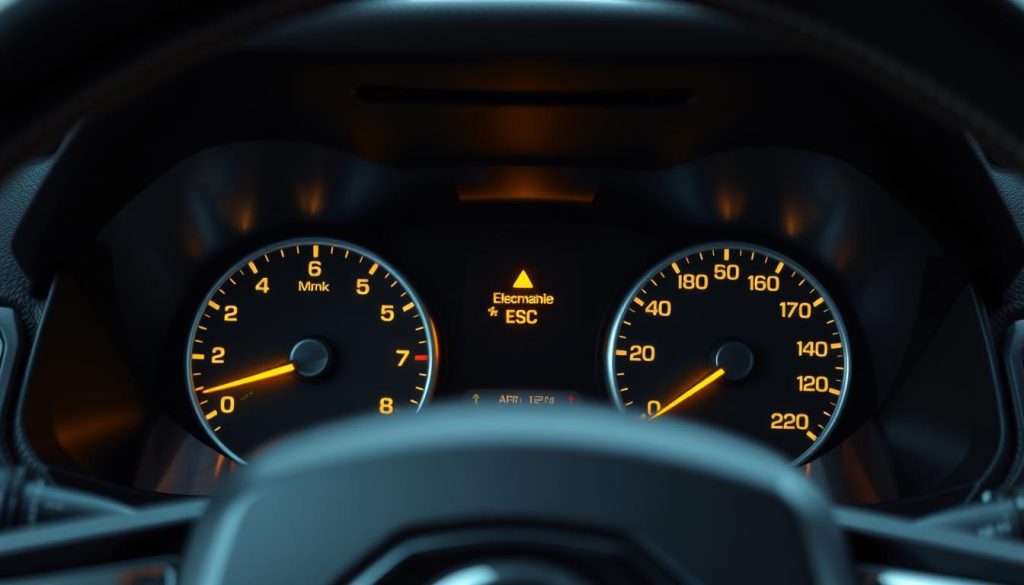
One of the most obvious signs of an ESC issue is the illumination of the ESC warning light on the dashboard. This light is typically represented by a graphic of a vehicle with squiggly lines or the letters “ESC” or “ESC OFF.” When this light comes on, it indicates that the system has detected a problem or that it has been manually turned off. It’s essential to investigate the cause of the illuminated warning light to prevent potential safety hazards.
Vehicle Handling and Performance Issues
ESC problems can also manifest as unusual vehicle handling or performance issues. Drivers may notice that their Jeep Grand Cherokee feels less stable, particularly when cornering or driving on slippery roads. This could be due to a malfunctioning ESC system failing to correct the vehicle’s trajectory. Symptoms may include:
- Loss of traction
- Skidding or fishtailing
- Unusual tire wear
- Reduced overall vehicle stability
Error Messages and Beeping Alerts
In addition to warning lights, some Jeep Grand Cherokee models may display error messages or emit beeping alerts when there’s an issue with the ESC system. These alerts are designed to grab the driver’s attention and prompt immediate action. Ignoring these warnings can lead to more severe problems, including compromised vehicle safety.
To better understand the relationship between these symptoms and potential causes, refer to the following table:
| Symptom | Possible Cause |
|---|---|
| ESC Warning Light | Faulty wheel speed sensor, ABS module failure |
| Loss of Traction | Malfunctioning ESC system, poor road conditions |
| Beeping Alerts | System malfunction, low battery voltage |
By recognizing these common symptoms of ESC problems, Jeep Grand Cherokee owners can take proactive steps to diagnose and address issues, ensuring their vehicle remains safe and reliable on the road.
Primary Causes of Service Electronic Stability Control Warnings
Understanding the root causes of Service Electronic Stability Control warnings is crucial for Jeep Grand Cherokee owners to address the issue effectively. The Electronic Stability Control (ESC) system is a critical safety feature that helps maintain vehicle stability, and when it malfunctions, it can trigger a service warning.
The ESC system relies on various components to function correctly, including wheel speed sensors, the steering angle sensor, and the ABS module. Issues with these components can lead to ESC malfunctions.
Faulty Wheel Speed Sensors
Faulty wheel speed sensors are a common cause of ESC problems. These sensors monitor the speed of each wheel and provide data to the ESC system. When a sensor fails or becomes dirty, it can send incorrect data, leading to ESC malfunctions.
Symptoms of faulty wheel speed sensors include:
- Illuminated ESC warning light on the dashboard
- Intermittent or continuous ABS activation
- Unusual noises from the ABS system
Steering Angle Sensor Malfunctions
The steering angle sensor measures the steering wheel’s position and rotation, providing critical data to the ESC system. A malfunctioning steering angle sensor can cause the ESC system to incorrectly assess the vehicle’s trajectory, leading to unnecessary interventions or failure to intervene when needed.
Common signs of a faulty steering angle sensor include:
- Drifting or pulling to one side while driving
- ESC warning light illumination
- Unusual or erratic steering behavior
ABS Module Failures
The ABS module is a critical component of the ESC system, responsible for controlling the anti-lock braking function. Failure of the ABS module can lead to ESC malfunctions, as it can no longer provide the necessary data or control over the braking system.
ABS module failure symptoms may include:
- Pulsating brake pedal
- ABS warning light illumination
- Loss of braking performance
Wiring and Electrical Connection Problems
Wiring and electrical connection issues can also cause ESC problems. Corrosion, damage, or wear on the wiring or connectors can disrupt the signals between the ESC system’s components, leading to malfunctions.
Common electrical issues include:
- Corrosion on connectors or wiring
- Damaged or frayed wiring
- Loose or worn-out electrical connections
Low Battery Voltage Issues
Low battery voltage can affect the ESC system’s operation, as it relies on a stable voltage supply to function correctly. A weak or failing battery can cause the ESC system to malfunction, triggering a service warning.
Signs of low battery voltage issues include:
- Dim or flickering dashboard lights
- Slow engine crank
- ESC warning light illumination
The following table summarizes the primary causes of Service Electronic Stability Control warnings and their symptoms:
| Cause | Symptoms |
|---|---|
| Faulty Wheel Speed Sensors | ESC warning light, intermittent ABS activation, unusual noises |
| Steering Angle Sensor Malfunctions | Drifting or pulling, ESC warning light, erratic steering |
| ABS Module Failures | Pulsating brake pedal, ABS warning light, loss of braking performance |
| Wiring and Electrical Connection Problems | Corrosion, damaged wiring, loose connections |
| Low Battery Voltage Issues | Dim dashboard lights, slow engine crank, ESC warning light |
Diagnostic Steps Before Attempting Repairs
To fix the Service Electronic Stability Control problem in your Jeep Grand Cherokee, you first need to identify the root cause through proper diagnostic steps. This involves a combination of using specialized tools and performing visual inspections to gather accurate information about the issue.
Using an OBD-II Scanner to Read Error Codes
The first step in diagnosing ESC issues is to use an OBD-II scanner to read error codes stored in your vehicle’s onboard computer. These codes provide valuable insights into the problem, helping you understand whether it’s related to the ESC system, ABS module, or other related components.
By connecting the OBD-II scanner to your Jeep Grand Cherokee’s diagnostic port, you can retrieve specific trouble codes that indicate the source of the problem. It’s essential to consult your vehicle’s manual or a reliable database to decode these codes accurately.
Visual Inspection of Key Components
In addition to using an OBD-II scanner, a visual inspection of key components is crucial. Check the condition of wheel speed sensors, the steering angle sensor, and wiring connections for any signs of damage or wear.
Ensure that all connections are secure and that there are no visible signs of corrosion or damage. This step can help identify potential causes that might not be immediately apparent through error codes alone.
Checking Battery Voltage and Electrical Connections
Low battery voltage or faulty electrical connections can trigger ESC warnings. Use a multimeter to check the battery voltage and ensure it’s within the recommended range for your Jeep Grand Cherokee.
Inspect the electrical connections at the battery terminals and other critical points in the ESC system. Clean any corroded connections to ensure proper signal transmission.
Identifying the Specific Problem Area
After gathering information from the OBD-II scanner and visual inspections, you can begin to identify the specific problem area. This might involve further testing of suspected components or consulting a professional mechanic for advanced diagnostics.
By systematically diagnosing the issue, you can develop an effective repair plan tailored to your Jeep Grand Cherokee’s specific needs.
How to Fix Service Electronic Stability Control Jeep Grand Cherokee
Understanding how to fix the Service Electronic Stability Control problem in your Jeep Grand Cherokee is essential for maintaining vehicle stability and safety. The Electronic Stability Control (ESC) system plays a crucial role in ensuring your vehicle’s stability, especially during adverse weather conditions or when making sharp turns.
Step 1: Reset the System by Disconnecting the Battery
One of the simplest ways to address ESC issues is by resetting the system. This can be done by disconnecting the vehicle’s battery.
Safety Precautions Before Starting
Before you begin, ensure your safety by wearing protective gear such as gloves and safety glasses. It’s also crucial to consult your owner’s manual for specific instructions related to your Jeep Grand Cherokee model.
Proper Battery Disconnection Process
To disconnect the battery, start by turning off the engine and removing the keys from the ignition. Then, locate the battery and identify the negative cable, usually marked with a negative (-) sign or colored black. Loosen the nut on the negative terminal clamp and pull the clamp off the terminal.
Reconnection and System Reset
After waiting for about 15-30 minutes, reconnect the negative terminal clamp and tighten the nut. Start the engine and check if the ESC warning light is still illuminated. If it is, further diagnosis is required.
Step 2: Clean and Inspect Wheel Speed Sensors
Wheel speed sensors play a vital role in the ESC system. Dirt, debris, or damage to these sensors can trigger the ESC warning light.
Locating All Four Wheel Speed Sensors
Refer to your repair manual to locate the wheel speed sensors on your Jeep Grand Cherokee. Typically, they are near the wheel hubs.
Cleaning Procedure for Sensors and Tone Rings
Use a soft brush or cloth to remove dirt from the sensors and tone rings. For tougher grime, a mild cleaning solution can be used.
Checking for Physical Damage
Inspect the sensors and their wiring for any signs of physical damage, such as cracks or cuts. Damaged sensors may need to be replaced.
Step 3: Test and Replace Faulty Wheel Speed Sensors
If cleaning doesn’t resolve the issue, the sensors may be faulty.
Testing Sensors with a Multimeter
Use a multimeter to check the resistance of the wheel speed sensors. Compare the readings with the specifications provided in your repair manual.
Removing the Old Sensor
To replace a faulty sensor, first, disconnect the electrical connector. Then, remove any retaining clips or bolts holding the sensor in place.
Installing the New Sensor
Install the new sensor by reversing the removal steps. Ensure it’s securely fastened and the electrical connector is properly attached.
Step 4: Calibrate the Steering Angle Sensor
The steering angle sensor is another critical component of the ESC system.
When Calibration Is Necessary
Calibration is typically required after replacing the steering angle sensor or when the ESC system indicates a fault related to it.
Manual Calibration Steps
Refer to your repair manual for the specific manual calibration procedure for your Jeep Grand Cherokee model.
Using a Diagnostic Tool for Calibration
A diagnostic tool can be used to calibrate the steering angle sensor. Follow the tool’s instructions for the calibration process.
Step 5: Inspect and Repair Wiring Connections
Damaged or corroded wiring can cause ESC system malfunctions.
Identifying Damaged or Corroded Wires
Inspect the wiring harnesses for signs of damage or corrosion, especially in areas exposed to the elements.
Repairing Broken Connections
For damaged wires, repair or replace them as necessary. Use electrical tape or heat shrink tubing to protect the wires.
Securing and Protecting Wiring Harnesses
Ensure that all wiring harnesses are securely fastened and protected from potential damage.
When to Seek Professional Mechanic Assistance
Not all Electronic Stability Control problems can be resolved through DIY fixes; knowing when to seek professional help is crucial. While some issues may be straightforward, others require specialized knowledge and equipment.
Here are some scenarios where seeking professional mechanic assistance is advisable:
- Complex ABS Module Replacements: Replacing the ABS module can be a complex task that requires specialized tools and technical expertise.
- Advanced Diagnostic Equipment Requirements: Modern vehicles like the Jeep Grand Cherokee often require advanced diagnostic equipment to identify and fix problems accurately.
- Warranty and Dealer Service Considerations: If your vehicle is still under warranty, attempting DIY repairs could void the warranty. In such cases, it’s best to seek assistance from a dealership or authorized service center.
- Persistent Problems After DIY Repairs: If you’ve attempted DIY repairs but the ESC problem persists, it’s a clear indication that professional assistance is needed to diagnose and fix the issue correctly.
Complex ABS Module Replacements
The ABS module is a critical component of the Electronic Stability Control system. Replacing it involves intricate procedures that are best handled by a professional mechanic with the right training and equipment.
Advanced Diagnostic Equipment Requirements
Professional mechanics have access to advanced diagnostic tools that can accurately identify the root cause of ESC problems. This ensures that repairs are done efficiently and effectively, minimizing the risk of further complications.
Warranty and Dealer Service Considerations
If your Jeep Grand Cherokee is still under warranty, it’s essential to consult with a dealership or authorized service center for repairs. This not only ensures that the warranty remains valid but also guarantees that the work is done by certified professionals.
Persistent Problems After DIY Repairs
If DIY attempts fail to resolve the ESC issue, seeking professional mechanic assistance is the next logical step. Persistent problems can lead to safety issues and further damage if not addressed properly.
In conclusion, while DIY repairs can be a viable option for some ESC issues, knowing when to seek professional help is crucial for complex or persistent problems. By recognizing the limitations of DIY fixes and seeking professional assistance when needed, Jeep Grand Cherokee owners can ensure their vehicle’s Electronic Stability Control system is functioning correctly and safely.
Preventing Future Electronic Stability Control Issues
Preventing ESC problems in your Jeep Grand Cherokee requires a combination of regular maintenance and awareness of potential issues. By adopting a proactive approach, you can significantly enhance the safety and performance of your vehicle.
Regular Maintenance and Inspection Schedule
Regular maintenance is crucial for the longevity and proper functioning of the ESC system. This includes:
- Regularly checking and maintaining the tire pressure, as underinflated tires can affect ESC performance.
- Ensuring that the vehicle’s suspension and steering components are in good condition.
- Following the recommended maintenance schedule outlined in your Jeep Grand Cherokee’s owner’s manual.
Protecting Sensors from Road Debris and Damage
The ESC system relies on various sensors to function correctly. Protecting these sensors from damage is essential:
- Avoiding harsh driving conditions that could expose sensors to debris.
- Regularly inspecting wheel speed sensors for signs of damage or corrosion.
- Keeping the area around the steering angle sensor clean and free from debris.
Monitoring Warning Signs and Addressing Them Early
Being vigilant about warning signs can help prevent minor issues from becoming major problems:
- Paying attention to dashboard warning lights related to the ESC system.
- Noticing any changes in vehicle handling or performance.
- Addressing any unusual noises or vibrations promptly.
Keeping Electrical Connections Clean and Secure
Electrical connections play a vital role in the ESC system’s operation. Ensuring these connections are clean and secure is crucial:
- Regularly inspecting electrical connectors for signs of corrosion.
- Cleaning electrical connections as needed.
- Ensuring that all connections are secure and not loose.
By following these preventive measures, you can significantly reduce the risk of encountering Electronic Stability Control issues in your Jeep Grand Cherokee, ensuring a safer and more reliable driving experience.
Conclusion
Addressing Service Electronic Stability Control issues is crucial for maintaining the safety and performance of your Jeep Grand Cherokee. By understanding the causes of ESC problems and following the diagnostic and repair steps outlined, you can ensure your vehicle’s Electronic Stability Control system continues to function effectively.
The Electronic Stability Control repair process involves several key steps, from checking wheel speed sensors to calibrating the steering angle sensor. Regular maintenance, including inspecting wiring connections and monitoring for warning signs, plays a significant role in preventing future ESC issues and maintaining the overall safety features of your Jeep Grand Cherokee.
By staying proactive about Electronic Stability Control repair and maintenance, Jeep Grand Cherokee owners can enjoy a safer driving experience. Ensuring that your vehicle’s safety features are in optimal condition is essential for protecting both the driver and passengers on the road.
FAQ
What does the Service Electronic Stability Control warning mean in my Jeep Grand Cherokee?
The Service Electronic Stability Control warning indicates a problem with the Electronic Stability Control system, which is a critical safety feature that helps improve vehicle stability by detecting and responding to loss of traction.
How do I diagnose ESC problems in my Jeep Grand Cherokee?
To diagnose ESC problems, use an OBD-II scanner to read error codes, perform a visual inspection of key components, check battery voltage and electrical connections, and identify the specific problem area.
Can I fix the Service Electronic Stability Control issue myself?
Yes, you can attempt to fix the issue by resetting the system, cleaning and inspecting wheel speed sensors, testing and replacing faulty sensors, calibrating the steering angle sensor, and inspecting and repairing wiring connections.
When should I seek professional mechanic assistance for ESC issues?
Seek professional help for complex ABS module replacements, advanced diagnostic equipment requirements, warranty and dealer service considerations, or if problems persist after DIY repairs.
How can I prevent future Electronic Stability Control issues?
Prevent future issues by following a regular maintenance and inspection schedule, protecting sensors from road debris and damage, monitoring warning signs and addressing them early, and keeping electrical connections clean and secure.
What are the common symptoms of ESC problems in Jeep Grand Cherokee models?
Common symptoms include warning light indicators on the dashboard, vehicle handling and performance issues, and error messages or beeping alerts.
What are the primary causes of Service Electronic Stability Control warnings?
Primary causes include faulty wheel speed sensors, steering angle sensor malfunctions, ABS module failures, wiring and electrical connection problems, and low battery voltage issues.
How do I reset the Electronic Stability Control system?
Reset the system by disconnecting the battery, following proper safety precautions, and then reconnecting the battery to reset the system.