Have you ever wondered how much a gallon of gasoline actually weighs? While most drivers focus on price per gallon, understanding the weight of fuel provides fascinating insights into vehicle performance, fuel economy, and transportation logistics. The standard figure of approximately 6 pounds per gallon is just the beginning of a complex story influenced by temperature, additives, and chemistry. This comprehensive guide explores the surprising science behind gasoline weight and its practical implications for everyday drivers and industry professionals alike.
The Standard Weight of Gasoline
The standard weight of gasoline is approximately 6 pounds per gallon (or about 2.7 kilograms) at room temperature. This figure serves as a useful reference point, though the exact weight varies based on several factors we’ll explore later.
To put this in perspective, water weighs about 8.34 pounds per gallon, making gasoline roughly 28% lighter. This difference exists because gasoline has a lower density than water, which is why oil and gasoline float on water during environmental spills.
Comparing Gasoline Weight to Other Common Liquids
| Liquid | Weight Per Gallon | Relative to Gasoline |
| Gasoline | 6.0 pounds | 1.0 (baseline) |
| Water | 8.34 pounds | 1.39 times heavier |
| Diesel | 7.1 pounds | 1.18 times heavier |
| Ethanol | 6.58 pounds | 1.10 times heavier |
| Motor Oil | 7.2 pounds | 1.20 times heavier |
Understanding these weight differences is particularly important for transportation calculations, aircraft weight balancing, and fuel efficiency estimations.
Factors Affecting Gasoline Weight Per Gallon

The weight of gasoline isn’t fixed at exactly 6 pounds per gallon. Several factors cause variations that can be significant in precise calculations:
Temperature Effects
Temperature has a substantial impact on gasoline weight per gallon. As temperature increases, gasoline expands and becomes less dense, resulting in less weight per gallon. Conversely, cold gasoline contracts and becomes denser, weighing more per gallon.
For every 15°F change in temperature, gasoline volume changes by approximately 1%. This means on a hot summer day at 90°F, a gallon might weigh around 5.85 pounds, while on a cold winter day at 30°F, the same gasoline might weigh closer to 6.15 pounds.
Octane Rating Differences

Premium gasoline (91-93 octane) typically weighs slightly more than regular gasoline (87 octane). The difference is small but measurable:
- Regular (87 octane): ~6.0 pounds per gallon
- Mid-grade (89 octane): ~6.1 pounds per gallon
- Premium (93 octane): ~6.2-6.3 pounds per gallon
This weight difference occurs because higher octane fuels contain different additives and hydrocarbon compositions that slightly increase their density.
Ethanol Content
Modern gasoline often contains ethanol, which weighs approximately 6.58 pounds per gallon—heavier than pure gasoline. Common blends include:
- E10 (10% ethanol): ~6.06 pounds per gallon
- E15 (15% ethanol): ~6.09 pounds per gallon
- E85 (85% ethanol): ~6.5 pounds per gallon
The higher the ethanol content, the heavier the fuel becomes per gallon, which affects both weight calculations and energy content.
The Science Behind Gasoline Weight

To understand why gasoline weighs what it does, we need to examine its chemical composition and physical properties.
Density and Specific Gravity
Gasoline’s weight is directly related to its density—the mass per unit volume. At room temperature (approximately 68°F or 20°C), gasoline has a density of about 0.71-0.77 g/cm³, compared to water’s 1.0 g/cm³.
Specific gravity, which compares a substance’s density to water, ranges from 0.71 to 0.77 for gasoline. This measurement explains why gasoline floats on water and why it weighs less per gallon than water.
Hydrocarbon Composition
Gasoline consists primarily of hydrocarbons—molecules containing hydrogen and carbon atoms. Most gasoline components have between 4 and 12 carbon atoms per molecule. The exact mix of these hydrocarbons affects the weight:
- Lighter hydrocarbons (butane, pentane): Fewer carbon atoms, lower weight
- Heavier hydrocarbons (octane, nonane): More carbon atoms, higher weight
Refineries adjust these mixtures seasonally, with summer blends containing fewer volatile components (and slightly higher weight) than winter blends.
API Gravity Measurement
The petroleum industry uses API gravity (American Petroleum Institute) to measure how heavy or light petroleum liquids are compared to water. Gasoline typically has an API gravity between 57 and 60. The higher the API gravity number, the lighter the liquid.

This standardized measurement helps refineries and fuel transporters maintain consistency across different batches and sources of gasoline.
Practical Implications of Gasoline Weight

Understanding gasoline weight has several practical applications beyond scientific interest:
Vehicle Performance and Fuel Efficiency
The weight of fuel directly impacts vehicle performance. A full 15-gallon tank adds approximately 90 pounds to your vehicle. This extra weight:
- Reduces acceleration performance
- Increases braking distance
- Affects handling and cornering ability
- Decreases fuel efficiency by 1-2% compared to driving with a quarter tank
Some performance-oriented drivers maintain their tanks at 1/4 to 1/2 full to reduce weight, though this practice isn’t recommended for everyday driving.
Transportation Logistics
For commercial transportation, accurate fuel weight calculations are critical:
- Fuel tankers must comply with road weight restrictions
- Shipping companies calculate precise fuel loads for efficiency
- Weight distribution affects vehicle stability and safety
A typical fuel tanker truck carries about 8,000 gallons of gasoline, weighing approximately 48,000 pounds—not including the vehicle itself.
Aviation Applications
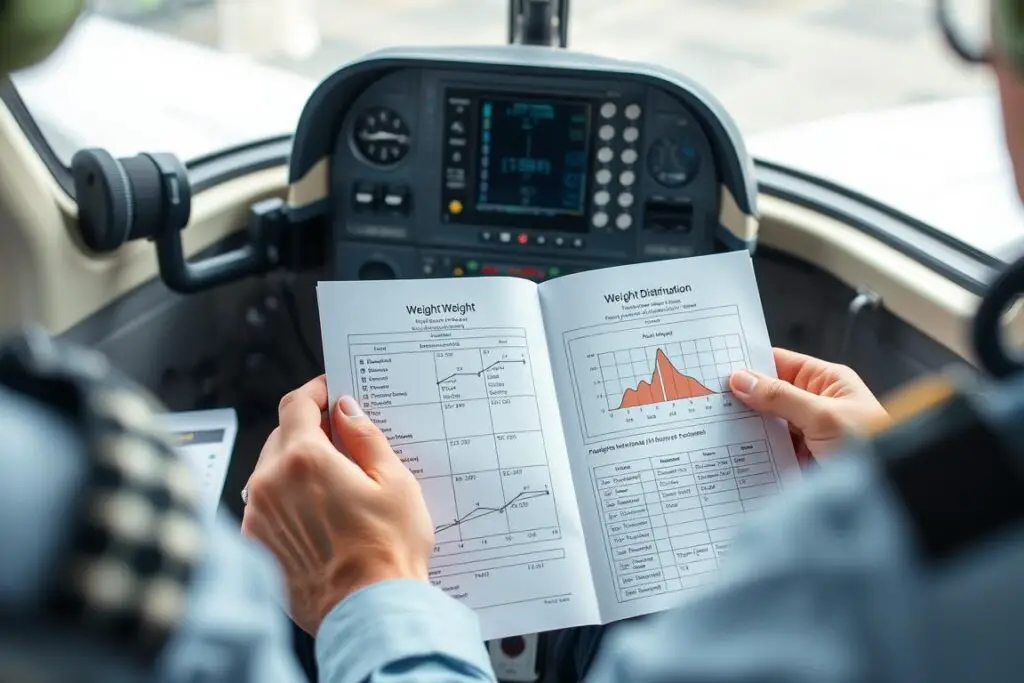
In aviation, precise fuel weight calculations are absolutely critical for safety:
- Aircraft weight and balance calculations depend on accurate fuel weights
- Flight range calculations require precise fuel weight measurements
- Different aviation fuels (Avgas vs. Jet-A) have different weights per gallon
Pilots typically use 6.0 pounds per gallon for avgas and 6.7 pounds per gallon for jet fuel in their calculations.
Historical Changes in Gasoline Weight and Composition

Gasoline’s weight and composition have evolved significantly over the past century:
Early Gasoline (1900s-1920s)
Early gasoline was simpler in composition and slightly lighter than modern blends, weighing approximately 5.8-5.9 pounds per gallon. It contained fewer additives and was less refined, resulting in lower octane ratings and performance.
Leaded Gasoline Era (1920s-1980s)
The addition of lead tetraethyl as an anti-knock compound slightly increased gasoline weight. During this period, typical gasoline weighed about 5.9-6.0 pounds per gallon. Lead additives improved engine performance but created serious environmental and health problems.
Modern Unleaded Era (1980s-2000s)
The transition to unleaded gasoline required new additives to replace lead’s anti-knock properties. These reformulations maintained the weight at approximately 6.0 pounds per gallon while reducing environmental impact.
Ethanol Blend Era (2000s-Present)
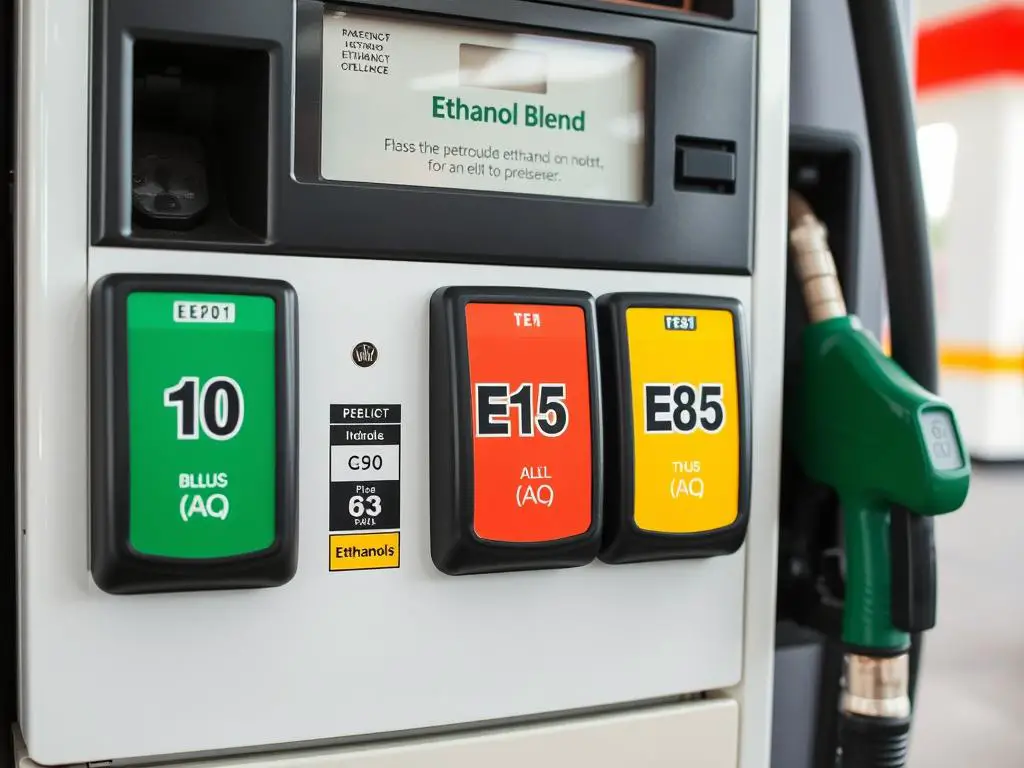
The introduction of ethanol blending has slightly increased the average weight of pump gasoline. E10 (10% ethanol) weighs approximately 6.06 pounds per gallon, while higher ethanol blends like E85 can weigh up to 6.5 pounds per gallon.
These historical changes reflect evolving priorities in fuel formulation, balancing performance, environmental concerns, and energy security considerations.
Environmental and Economic Considerations
The weight of gasoline has significant environmental and economic implications:
Carbon Footprint Calculations
When calculating carbon emissions, the weight of gasoline is a critical factor. Each gallon of gasoline (weighing about 6 pounds) produces approximately 20 pounds of CO₂ when burned. This seemingly counterintuitive fact occurs because during combustion, the carbon in gasoline combines with oxygen from the air, creating heavier carbon dioxide molecules.
Transportation Efficiency
Fuel weight affects transportation costs throughout the supply chain:
- Heavier fuels increase shipping costs
- Weight variations affect inventory management
- Temperature compensation systems adjust for weight changes
The petroleum industry uses sophisticated temperature compensation systems to ensure consistent pricing despite weight variations due to temperature.
Economic Impact of Weight Variations
Small variations in gasoline weight have substantial economic impacts at scale:
- A 1% change in weight represents millions of gallons in volume nationally
- Temperature variations can affect consumer value at the pump
- Weight-based taxation systems in some regions are directly affected
Some jurisdictions have implemented temperature compensation at retail pumps to ensure consumers receive consistent energy content regardless of temperature-induced weight variations.
Track Your Vehicle’s Environmental Impact
Understanding your fuel consumption’s environmental footprint is the first step toward more sustainable driving. Our carbon calculator helps you measure and reduce your vehicle’s emissions based on precise fuel data.
Common Misconceptions About Gasoline Weight
Several misconceptions exist about gasoline weight that can lead to calculation errors:
Myth: All gasoline weighs exactly 6 pounds per gallon
Fact: Gasoline weight varies between 5.8 and 6.5 pounds per gallon depending on temperature, composition, and additives. Using exactly 6 pounds for all calculations can lead to significant errors, especially in applications requiring precision like aviation or racing.
Myth: Higher octane gasoline provides more energy per gallon
Fact: While higher octane gasoline weighs slightly more per gallon, it doesn’t necessarily contain more energy. Octane rating indicates resistance to knock, not energy content. The weight difference comes from different additives, not additional energy potential.
Myth: Gasoline weight doesn’t change with temperature
Fact: Gasoline expands and contracts significantly with temperature changes. A gallon of gasoline can weigh up to 3% more on a cold winter day compared to a hot summer day. This is why some regions require temperature compensation at fuel pumps.
Myth: Ethanol-blended gasoline weighs the same as pure gasoline
Fact: Ethanol is heavier than gasoline, weighing about 6.58 pounds per gallon. E10 (10% ethanol blend) weighs approximately 6.06 pounds per gallon—slightly more than pure gasoline. Higher ethanol blends like E85 are significantly heavier.

Understanding these nuances helps consumers and professionals make more accurate calculations and avoid potential errors in fuel management.
Why Understanding Gasoline Weight Matters

The weight of gasoline—approximately 6 pounds per gallon but varying with temperature, composition, and additives—has far-reaching implications beyond mere trivia.
For everyday drivers, understanding gasoline weight helps explain fuel economy variations and vehicle performance changes between full and empty tanks. For pilots, precise fuel weight calculations are critical for safe flight planning. For the transportation industry, accurate weight measurements ensure regulatory compliance and operational efficiency.
As fuel compositions continue to evolve with increasing ethanol content and changing environmental regulations, staying informed about these weight variations becomes increasingly important. Whether you’re calculating carbon emissions, planning a road trip, or managing a fleet of vehicles, the surprising science behind gasoline weight per gallon provides valuable insights for making informed decisions.