Modern vehicles rely on the oil life indicator to notify drivers when an oil change is necessary. This system is designed to optimize oil change intervals based on various factors, including driving conditions and vehicle performance.
However, questions often arise regarding the accuracy of these indicators. Are they reliable, or do they sometimes prompt unnecessary oil changes? Understanding how these indicators work and their level of accuracy is crucial for maintaining vehicle health and optimizing maintenance costs.
Key Takeaways
- Understanding the role of oil life indicators in modern vehicles.
- The factors influencing oil change intervals.
- The importance of accuracy in oil life indicators.
- How driving conditions affect oil life.
- The potential for optimizing maintenance costs through accurate oil life indicators.
Understanding Oil Life Indicators in Modern Vehicles
Oil life monitoring systems have become a standard feature in modern vehicles, enhancing engine longevity. These systems are designed to track the condition of the engine oil, providing crucial information to drivers about when an oil change is necessary.
What Is an Oil Life Indicator?
An oil life indicator is a component of a vehicle’s onboard diagnostics system that estimates the remaining useful life of the engine oil. It takes into account various factors, including vehicle operating conditions, to provide an accurate assessment.
How Oil Life Monitoring Systems Work
Oil life monitoring systems use algorithms to analyze data from various vehicle sensors to determine oil quality. Basic Indicator Types can be categorized into two main types: those that directly measure oil condition and those that use indirect methods, such as tracking vehicle mileage and operating conditions.
Basic Indicator Types
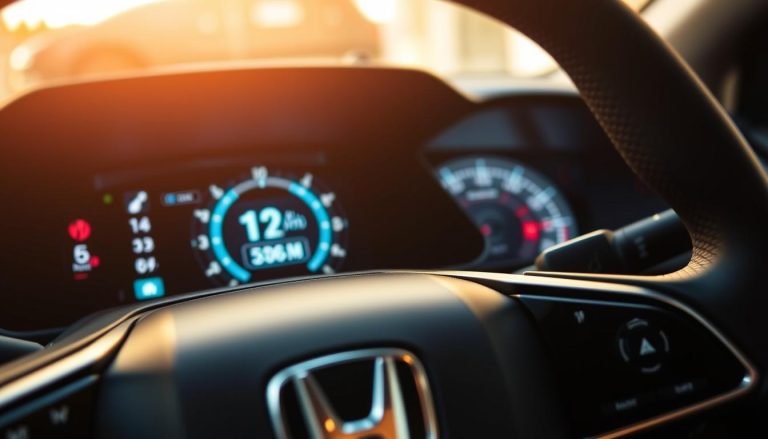
Some vehicles are equipped with simple dashboard indicators that illuminate when an oil change is recommended, while others display a percentage of oil life remaining.
The complexity and accuracy of these systems can vary significantly between different vehicle manufacturers.
The Technology Behind Oil Life Monitoring Systems
Oil life monitoring systems have evolved significantly, incorporating complex algorithms and sensor data to provide accurate assessments of engine oil condition. These systems play a crucial role in vehicle maintenance, enabling drivers to optimize oil change intervals based on actual engine conditions rather than fixed mileage.
Algorithm-Based Systems
Algorithm-based systems use a combination of factors, including vehicle speed, engine temperature, and driving habits, to estimate oil degradation. These systems are highly sophisticated, taking into account various driving conditions that affect oil life.
Direct Measurement Systems
Direct measurement systems, on the other hand, use sensors to directly monitor the condition of the engine oil. This approach provides a more accurate assessment of oil quality, as it is based on real-time data.
Differences Between Vehicle Manufacturers
Vehicle manufacturers employ different strategies for oil life monitoring, reflecting regional and technological differences.
European vs. American vs. Asian Approaches
- European manufacturers often prioritize direct measurement systems for their accuracy.
- American manufacturers may use a combination of algorithm-based and direct measurement systems.
- Asian manufacturers tend to favor algorithm-based systems for their cost-effectiveness.
Understanding these differences is essential for appreciating the complexities of oil life monitoring and its impact on driving conditions and oil life.
Is the Oil Life Indicator Accurate?
With the increasing complexity of engine management systems, the accuracy of oil life indicators has become a pressing concern. Vehicle owners and mechanics alike are questioning the reliability of these indicators in determining the optimal time for oil changes.

Research and Testing Results
Several studies have been conducted to evaluate the accuracy of oil life indicators. These studies typically involve comparing the indicator’s assessment with actual oil condition analysis. Research has shown that while oil life indicators are generally reliable, there can be significant variations depending on the vehicle manufacturer and model.
Manufacturer Claims vs. Independent Testing
Vehicle manufacturers often claim that their oil life indicators are highly accurate, citing advanced algorithms and sensor data. However, independent testing has revealed mixed results. Some tests have found that certain manufacturers’ indicators are more accurate than others, highlighting the need for standardized testing protocols.
Accuracy Rates Across Different Driving Conditions
The accuracy of oil life indicators can be influenced by various driving conditions. For instance, driving in extreme temperatures, towing, or frequent stop-and-go traffic can affect the indicator’s accuracy.
City vs. Highway Driving
A key factor in oil life indicator accuracy is the type of driving. City driving, characterized by frequent stops and low-speed operation, tends to be more stressful on engine oil than highway driving. Studies have shown that oil life indicators may be less accurate in city driving conditions due to the increased variability in engine load and temperature.
- City driving: Frequent stops, low speeds, and increased engine load can reduce oil life indicator accuracy.
- Highway driving: Steady speeds and lower engine loads generally result in more accurate oil life indicator readings.
Understanding these factors is crucial for vehicle owners to make informed decisions about oil changes and vehicle maintenance.
Factors That Affect Oil Life Indicator Accuracy
Several key factors can impact the accuracy of oil life indicators in vehicles. Understanding these factors is crucial for maintaining the health and longevity of your vehicle’s engine.
Driving Habits and Conditions
Driving habits and conditions play a significant role in determining oil life. For instance, frequent city driving or driving in extreme temperatures can reduce oil life more quickly than highway driving. Resetting the oil life indicator after an oil change is also crucial for maintaining accuracy.
Climate and Environmental Factors
Climate and environmental factors, such as dust, humidity, and temperature fluctuations, can also impact oil degradation. For example, driving in dusty conditions can lead to more rapid oil contamination.
Vehicle Age and Maintenance History
The age of the vehicle and its maintenance history are additional factors. Older vehicles or those with a history of neglect may have less accurate oil life indicators due to worn engine components.
Impact of Engine Problems on Readings
Engine problems, such as leaks or excessive wear, can also affect the accuracy of oil life indicators. For instance, an engine oil leak can lead to inaccurate readings, as the system may not account for the lost oil.
| Factor | Impact on Oil Life |
|---|---|
| Driving Habits | Frequent city driving reduces oil life |
| Climate | Extreme temperatures affect oil degradation |
| Vehicle Age | Older vehicles may have less accurate indicators |

As highlighted by industry experts, “The accuracy of oil life indicators depends on various factors, including driving conditions and vehicle maintenance.” Regular maintenance and monitoring can help ensure the indicator’s accuracy.
Evolution of Oil Change Recommendations
The oil change landscape has transformed significantly over the years. Traditionally, oil change intervals were based on fixed mileage, but this approach has evolved with advancements in automotive technology.
Traditional Mileage-Based Intervals
In the past, vehicle manufacturers recommended oil changes at specific mileage intervals, typically between 3,000 to 5,000 miles. This was a one-size-fits-all approach that didn’t account for varying driving conditions or the type of oil used.
How Modern Oils Have Changed the Game
Modern synthetic oils have significantly improved lubricating properties and durability, allowing for longer intervals between oil changes. Many newer vehicles now come equipped with oil life monitoring systems that adjust oil change intervals based on actual engine conditions.
Environmental and Financial Benefits of Extended Intervals
Extended oil change intervals not only reduce the frequency of oil changes, saving vehicle owners money, but also decrease the amount of used oil generated. This shift contributes to a more environmentally friendly approach to vehicle maintenance, aligning with the broader goals of reducing waste and conserving resources.
Best Practices for Oil Changes with Modern Vehicles
Understanding the best practices for oil changes in modern vehicles is crucial for maintaining engine health. Modern vehicles are equipped with sophisticated oil life monitoring systems that provide insights into the condition of the engine oil.
These systems help in determining when an oil change is necessary, thus optimizing engine performance and longevity.
When to Follow the Indicator
In most cases, it’s advisable to follow the oil life indicator’s recommendations. These systems are designed to provide accurate assessments based on various parameters, including driving conditions and engine performance.
When to Override the System
However, there may be situations where overriding the system is necessary, such as in extreme driving conditions or when the vehicle is used for heavy-duty applications.
Manufacturer-Specific Recommendations
It’s essential to consult the vehicle manufacturer’s guidelines for oil change intervals, as recommendations can vary significantly between different manufacturers.
Special Considerations for High-Performance Vehicles
High-performance vehicles may require more frequent oil changes due to their high-revving engines and the potential for more stressful driving conditions.
Following the manufacturer’s recommendations and considering the specific needs of your vehicle will help ensure optimal engine performance and longevity.
Maximizing Vehicle Maintenance with Oil Life Indicators
Understanding the accuracy of oil life indicators is crucial for effective vehicle maintenance. As discussed, these indicators use complex algorithms and sensors to estimate oil life, but their accuracy can be influenced by various factors, including driving habits, climate, and vehicle age.
To maximize the benefits of oil life indicators, vehicle owners should be aware of these factors and follow best practices for oil changes. This includes monitoring the indicator’s accuracy, adjusting for extreme driving conditions, and adhering to manufacturer-specific recommendations.
By doing so, vehicle owners can ensure their vehicles receive the necessary maintenance, optimizing performance, and prolonging engine life. Regular oil changes, guided by accurate oil life indicators, play a critical role in maintaining vehicle health and reducing maintenance costs over time.
FAQ
How accurate are oil life indicators in modern vehicles?
Oil life indicators are generally accurate, but their accuracy can be influenced by various factors, including driving habits, climate, and vehicle maintenance history.
What is the difference between algorithm-based and direct measurement oil life monitoring systems?
Algorithm-based systems use complex algorithms to estimate oil life based on various vehicle parameters, while direct measurement systems measure the actual condition of the oil.
Can driving habits affect the accuracy of oil life indicators?
Yes, driving habits such as frequent city driving, extreme temperatures, or towing can impact the accuracy of oil life indicators.
How do different vehicle manufacturers approach oil life monitoring?
Different manufacturers use varying approaches, including algorithm-based and direct measurement systems, and may have distinct regional strategies.
Are oil life indicators more accurate for highway or city driving?
Oil life indicators can be less accurate for city driving due to the stop-and-go nature of city traffic, which can cause the oil to degrade more quickly.
Can engine problems affect oil life indicator readings?
Yes, engine problems such as worn piston rings or cylinder walls can affect oil life indicator readings, potentially leading to inaccurate results.
How have modern oils changed oil change recommendations?
Modern oils have enabled extended oil change intervals, reducing the frequency of oil changes and providing environmental and financial benefits.
When should I override the oil life indicator?
You should override the oil life indicator if you have driven under extreme conditions, such as in very hot or cold temperatures, or if you have noticed any signs of oil degradation.
Are there special considerations for high-performance vehicles?
Yes, high-performance vehicles may require more frequent oil changes or specialized oil to maintain optimal engine performance and longevity.