Turbochargers are a crucial component in modern vehicles, enhancing engine performance and efficiency. However, they operate under extreme conditions, generating significant heat. Understanding turbocharger temperature is vital for maintaining these components and maximizing their lifespan.
The temperature of a turbocharger can be influenced by various factors, including engine load, coolant flow, and oil quality. Effective turbo heat management is essential to prevent damage and ensure optimal performance.
This comprehensive guide will delve into the normal operating temperatures of turbos, factors affecting turbo temperatures, and methods for managing heat. By grasping these concepts, readers will be better equipped to maintain their turbos.
Key Takeaways
- Understanding the importance of turbocharger temperature for maintenance.
- Factors influencing turbocharger temperature.
- Methods for effective turbo heat management.
- The role of engine load and coolant flow in turbo temperature.
- Best practices for maximizing turbocharger lifespan.
Understanding Turbochargers and Heat Generation
The functionality of turbochargers is rooted in their ability to force compressed air into an engine’s combustion chamber, thereby increasing power output. This process, while beneficial for turbocharger performance, also generates a significant amount of heat.
The Basic Mechanics of Turbochargers
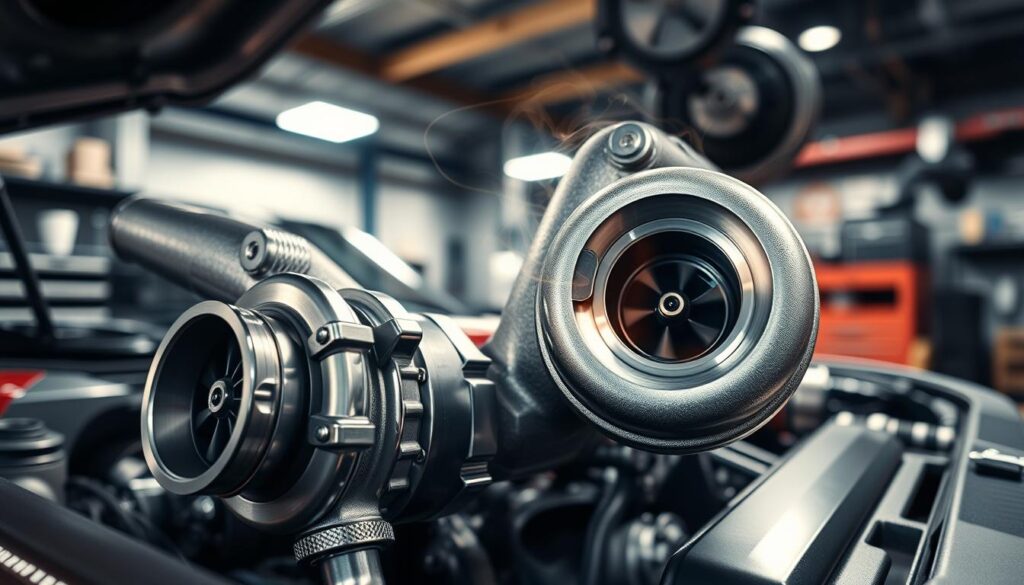
Turbochargers work by utilizing the exhaust gases to drive a turbine, which is connected to a compressor. As the turbine spins, it drives the compressor to compress air, forcing it into the engine’s combustion chamber.
Sources of Heat in Turbo Systems
The primary sources of heat in turbo systems include the compression of air and the friction between moving parts. Additionally, the exhaust gases driving the turbine are extremely hot, contributing to the overall heat.
Materials and Design Considerations for Heat
Effective turbo heat management involves careful consideration of materials and design. Turbocharger components are often made from high-temperature-resistant materials like stainless steel and titanium. Design features such as cooling systems and heat shields also play a crucial role in managing heat.
By understanding the mechanics of turbochargers and the sources of heat, engineers can develop more efficient designs that mitigate the negative effects of heat generation, enhancing overall turbocharger performance.
How Hot Do Turbos Get: Normal Operating Temperatures
Understanding the normal operating temperatures of turbochargers is crucial for their maintenance and longevity. Turbochargers are subjected to extreme temperatures during operation, and knowing these temperature ranges is essential for managing their performance and preventing damage.
Turbine Housing Temperature Ranges
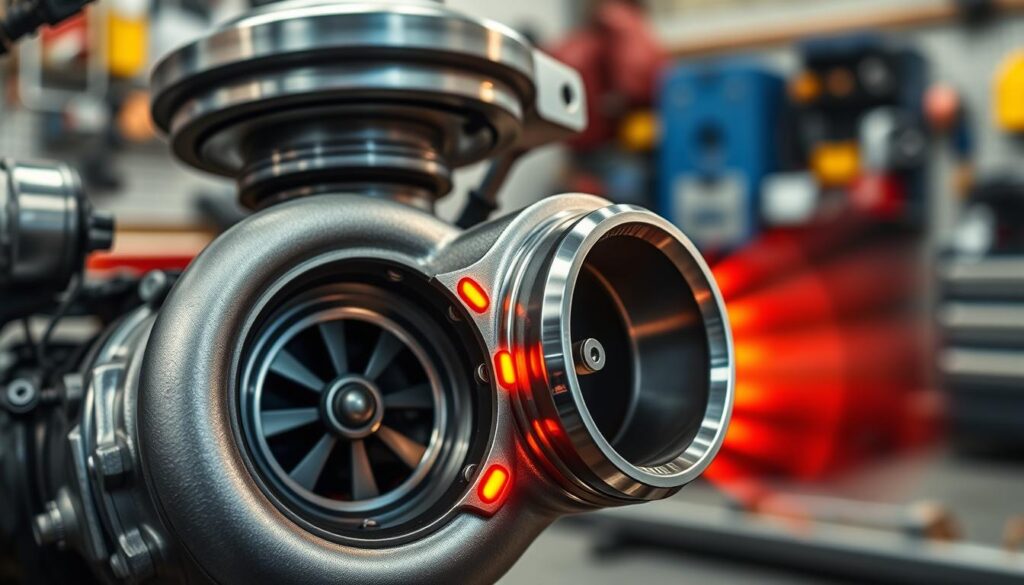
The turbine housing is one of the hottest components of a turbocharger, with temperatures ranging from 800 to 1,800°F (427 to 982°C). These high temperatures are a result of the hot exhaust gases flowing through the turbine housing. Proper heat management is critical to prevent damage to the turbocharger and surrounding components.
Center Housing/Bearing Temperatures
The center housing, which contains the bearings, operates at significantly lower temperatures than the turbine housing, typically between 300 to 400°F (149 to 204°C). However, these temperatures can still be quite high and require effective cooling to maintain bearing health and turbocharger performance.
Comparing Gasoline vs. Diesel Turbo Heat Profiles
Diesel turbochargers generally operate at higher temperatures than their gasoline counterparts due to the higher compression ratios and fuel energies involved in diesel engines. Understanding these differences is crucial for selecting the right turbocharger and implementing appropriate heat management strategies for your specific engine type.
Effective turbo heat management involves understanding these temperature profiles and implementing measures to mitigate excessive heat, thereby enhancing turbocharger lifespan and performance.
Factors That Affect Turbo Temperatures
Understanding the elements that impact turbo temperatures is crucial for maintaining optimal turbocharger performance. Various factors contribute to the heat generated by a turbocharger, and managing these factors is key to effective turbo heat management.
Engine Load and Driving Conditions
Engine load and driving conditions significantly affect turbo temperatures. Frequent high-speed driving or hauling heavy loads can increase turbo temperatures. This is because higher engine loads demand more from the turbocharger, generating additional heat.
Fuel Mixture and Timing Effects
Alterations to fuel mixture and timing can also impact heat generation. A richer fuel mixture can sometimes help reduce temperatures by cooling the combustion chamber, but improper timing can lead to increased heat production.
Environmental Factors and Altitude Considerations
Environmental factors such as ambient temperature and altitude play a role in turbo temperatures. Higher altitudes with thinner air can lead to increased turbocharger workload, potentially generating more heat.
Aftermarket Modifications and Their Temperature Impact
Aftermarket modifications aimed at increasing performance can also affect turbo temperatures. Upgrades such as turbocharger spools or different turbine wheels can change how the turbocharger operates, potentially increasing heat.
| Factor | Impact on Turbo Temperature |
|---|---|
| Engine Load | Increased load generates more heat |
| Fuel Mixture | Richer mixture can cool, but improper timing increases heat |
| Altitude | Higher altitudes increase turbocharger workload and heat |
| Aftermarket Modifications | Can change turbocharger operation, potentially increasing heat |
Dangers of Excessive Turbo Heat
The dangers of excessive turbo heat are multifaceted and can severely impact engine health. When a turbocharger operates at extreme temperatures, it can lead to a cascade of problems that affect not only the turbo itself but also the overall engine performance.
Oil Coking and Bearing Damage
Excessive heat can cause the engine oil to degrade and form coke, a hard, carbon-rich substance that can clog oil passages and damage bearings. This bearing damage can lead to premature turbo failure.
Turbo Housing Cracking and Warping
High temperatures can cause the turbo housing to crack or warp, compromising the turbo’s efficiency and leading to costly repairs. Maintaining optimal turbo temperatures is crucial for turbo longevity.
Performance Degradation and Power Loss
Excessive turbo heat can result in performance degradation and power loss. As the turbo suffers from heat-related stress, its ability to compress air efficiently diminishes, directly affecting engine performance.
Impact on Engine Longevity
The impact of excessive turbo heat extends beyond the turbocharger itself, potentially shortening the lifespan of the engine. Proper turbo maintenance, including heat management, is essential to ensure the longevity of both the turbo and the engine.
Measuring and Monitoring Turbo Temperatures
Understanding how to measure turbocharger temperatures effectively is vital for maintaining engine health. Accurate temperature monitoring can help prevent damage, optimize performance, and extend the lifespan of the turbocharger.
Temperature Sensor Types and Installation
There are various types of temperature sensors available for turbocharger applications, including thermocouples and resistance temperature detectors (RTDs). Thermocouples are widely used due to their fast response time and durability. When installing temperature sensors, it’s crucial to place them in locations that provide accurate readings of the turbocharger’s operating temperature.
Digital Monitoring Systems and Gauges
Digital monitoring systems offer advanced features for tracking turbocharger temperatures. These systems can provide real-time data, temperature alarms, and data logging capabilities. Proper placement of the temperature probe is essential for accurate readings.
Placement for Accurate Readings
- Position the temperature probe as close to the turbocharger as possible.
- Avoid placing the probe near heat sinks or other components that could affect the reading.
- Ensure the probe is securely fastened to prevent movement or vibration from affecting the accuracy.
Setting Up Temperature Alarms
Setting up temperature alarms is a proactive way to monitor turbocharger temperatures. By configuring alarms for specific temperature thresholds, you can receive timely notifications when the turbocharger is operating outside its optimal range.
Interpreting Temperature Data Correctly
Correct interpretation of temperature data is crucial for making informed decisions about turbocharger maintenance and performance adjustments. It’s essential to understand the normal operating temperature range for your specific turbocharger model and to recognize signs of potential issues, such as unusual temperature fluctuations.
Effective Heat Management Solutions
To ensure optimal turbocharger function, effective heat management solutions are essential. Turbochargers operate under extreme conditions, and managing the heat generated is crucial for performance and longevity.
Turbo Blankets and Heat Shields
Turbo blankets and heat shields are simple yet effective solutions for managing turbo heat. They help reduce heat radiation to surrounding components, thus protecting sensitive parts and improving overall engine compartment safety. Proper installation is key to their effectiveness.
Oil Cooling Systems
Oil cooling systems play a critical role in maintaining optimal turbo temperatures. By effectively cooling the turbocharger’s bearings and shaft, these systems help prevent overheating and damage.
| Cooling System Type | Benefits |
|---|---|
| Air-to-Oil Coolers | Effective heat dissipation, compact design |
| Liquid-to-Oil Coolers | High cooling capacity, flexible installation |
Intercooler Upgrades and Maintenance
Upgrading intercoolers can significantly improve heat dissipation, leading to cooler charge air temperatures and improved engine performance. Regular maintenance, such as cleaning, is also crucial for optimal function.
Water-Methanol Injection Systems
Water-methanol injection systems can help cool the charge air, reducing the risk of detonation and allowing for more aggressive tuning. These systems can be particularly beneficial in high-performance applications.
Exhaust Modifications for Heat Control
Exhaust modifications, such as high-flow catalytic converters and performance exhaust systems, can help manage heat by improving flow and reducing backpressure. This can lead to lower turbocharger operating temperatures and improved overall efficiency.
Proper Turbo Maintenance for Heat Control
To keep your turbocharger running smoothly, it’s essential to follow a rigorous maintenance routine. This involves several key practices that help manage heat and ensure the longevity of your turbocharger.
Oil Selection and Change Intervals
Choosing the right oil and adhering to recommended change intervals is vital for maintaining turbo health. Synthetic oils are often recommended for turbocharged engines due to their superior heat tolerance and lubricating properties.
Proper Engine Warm-Up Procedures
Warming up your engine properly before driving can help prevent damage to your turbocharger. Gradual acceleration allows the oil to circulate and reach optimal operating temperature, reducing the risk of premature wear.
Cool-Down Techniques to Prevent Heat Soak
After a high-performance drive, it’s crucial to let your engine idle for a few minutes before shutting it off. This cool-down period helps prevent heat soak, which can cause damage to your turbocharger.
Regular Inspection Points for Heat-Related Issues
Regular inspections can identify potential heat-related issues before they become major problems. Check for signs of oil leaks, worn-out bearings, and damage to the turbo housing.
When to Seek Professional Assistance
If you notice any unusual noises, decreased performance, or signs of oil leakage, it’s time to seek professional assistance. Early intervention can prevent costly repairs and extend the life of your turbocharger.
Conclusion: Maximizing Turbo Lifespan Through Temperature Management
Effective temperature management is crucial for maximizing turbocharger performance and turbo longevity. By understanding the factors that affect turbo temperatures, vehicle owners can take steps to mitigate excessive heat.
Implementing heat management strategies, such as turbo blankets, oil cooling systems, and intercooler upgrades, can significantly extend the life of a turbo. Regular maintenance, including proper oil selection and change intervals, is also essential.
By combining these strategies, vehicle owners can maintain optimal turbocharger performance, reduce the risk of heat-related damage, and maximize turbo longevity.
FAQ
What is the normal operating temperature range for a turbocharger’s turbine housing?
The normal operating temperature range for a turbocharger’s turbine housing is between 800 to 1,800°F.
How hot can the center housing and bearings of a turbocharger get?
The center housing and bearings of a turbocharger typically operate between 300 to 400°F.
Do diesel turbos operate at higher temperatures than gasoline turbos?
Yes, diesel turbos often operate at higher temperatures than gasoline turbos due to the higher compression ratios and fuel energies involved.
What factors can affect turbocharger temperatures?
Factors that can affect turbocharger temperatures include engine load, driving conditions, fuel mixture, timing, environmental factors, altitude, and aftermarket modifications.
What are the dangers of excessive turbo heat?
Excessive turbo heat can cause oil coking, bearing damage, turbo housing cracking or warping, performance degradation, power loss, and negatively impact engine longevity.
How can turbo temperatures be measured and monitored?
Turbo temperatures can be measured and monitored using temperature sensors, digital monitoring systems, and gauges, with proper placement and setup being crucial for accurate readings.
What are some effective heat management solutions for turbos?
Effective heat management solutions for turbos include turbo blankets, heat shields, oil cooling systems, intercooler upgrades, water-methanol injection systems, and exhaust modifications.
How can proper turbo maintenance help with heat control?
Proper turbo maintenance, including oil selection, change intervals, engine warm-up procedures, cool-down techniques, and regular inspections, can help prevent heat-related issues and prolong turbo lifespan.
What is the importance of oil selection for turbochargers?
Using the right oil is vital for maintaining turbo health, as it helps to lubricate and cool the turbocharger’s moving parts.
How can heat soak be prevented in turbochargers?
Heat soak can be prevented by using proper cool-down techniques after driving, such as letting the engine idle for a short period before shutting it off.