NASCAR races are thrilling motorsport events that captivate millions of fans across America. Whether you’re planning to attend your first race or simply curious about the sport, understanding NASCAR race length is essential. From the marathon Coca-Cola 600 to shorter sprint races, NASCAR events vary significantly in both duration and distance.
In this comprehensive guide, we’ll explore exactly how long NASCAR races last in terms of both hours on the clock and miles on the track. We’ll examine the factors that influence race duration, compare different NASCAR series, and highlight some of the longest and shortest races in the sport’s history.
Average Duration of NASCAR Races
NASCAR Cup Series races typically last between 2-4 hours depending on track length and race conditions
Most NASCAR Cup Series races last between 2 and 4 hours from green flag to checkered flag. This duration can vary significantly based on several factors, including track length, number of laps, caution periods, and weather conditions.
The average NASCAR race covers approximately 300-500 miles in total distance. This translates to different numbers of laps depending on the track length. For example, a 500-mile race at the 2.5-mile Daytona International Speedway requires 200 laps, while the same distance at the 0.5-mile Martinsville Speedway would require 1,000 laps (though Martinsville races are typically shorter in total distance).
NASCAR Race Length by Series
| NASCAR Series | Typical Race Length (Miles) | Average Duration (Hours) | Lap Count Range |
| Cup Series | 300-600 | 3-4 | 200-500 |
| Xfinity Series | 200-300 | 2-3 | 150-300 |
| Craftsman Truck Series | 150-250 | 1.5-2.5 | 100-250 |
Factors That Affect NASCAR Race Length
Track Type and Configuration
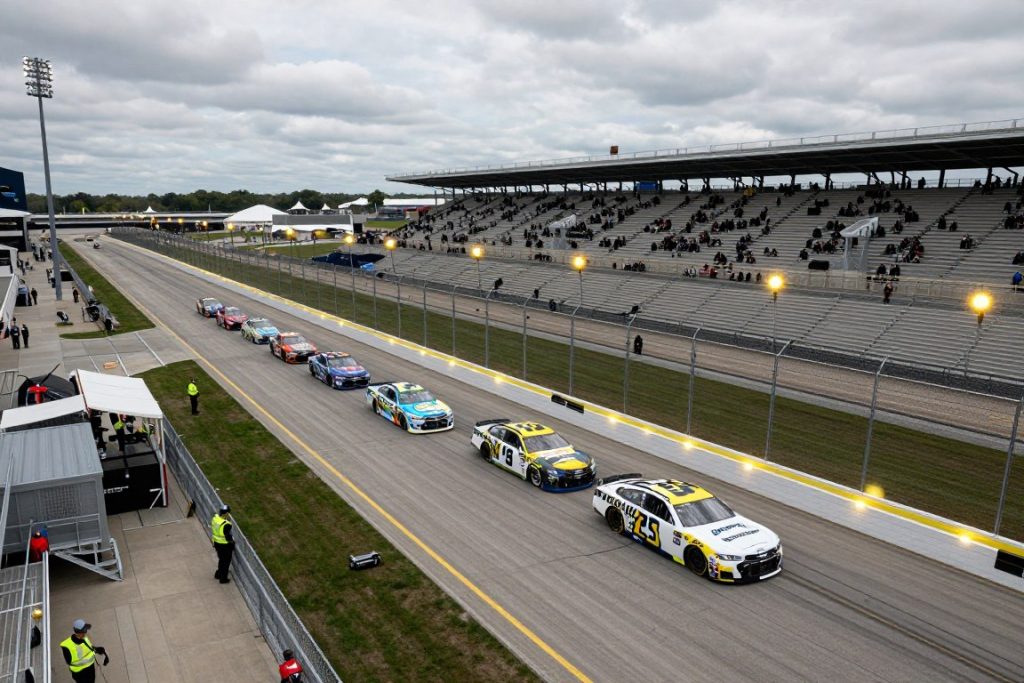
The type of track plays a major role in determining race length. NASCAR races are held on four main types of tracks:
Superspeedways
Tracks over 2 miles in length, like Talladega (2.66 miles) and Daytona (2.5 miles). Races on these tracks feature high speeds and often include drafting. A 500-mile race on a superspeedway typically takes 3-3.5 hours under green flag conditions.
Intermediate Tracks
Tracks between 1-2 miles, such as Charlotte (1.5 miles) and Michigan (2 miles). These tracks make up the majority of the NASCAR schedule. A 400-mile race on an intermediate track usually lasts around 3 hours without major delays.
Short Tracks
Tracks less than 1 mile in length, including Bristol (0.533 miles) and Martinsville (0.526 miles). These tracks produce tight racing with more cautions. A 500-lap race at a short track typically takes 3-4 hours due to frequent cautions.
Road Courses
Winding tracks with left and right turns, such as Circuit of the Americas (3.4 miles) and Sonoma (2.52 miles). Road course races are usually shorter in total distance (around 250 miles) but can still take 3+ hours due to slower lap times.
Caution Periods and Race Stoppages
One of the most significant factors affecting NASCAR race length is the number and duration of caution periods. When a yellow flag is displayed due to an accident, debris, or weather, cars must slow down and follow the pace car, extending the overall race time.
A typical caution period lasts 5-10 minutes, during which the field is reorganized and many drivers make pit stops. Races with numerous cautions can last significantly longer than those with few interruptions. Some races have featured over 20 caution periods, adding an hour or more to the total race time.
Weather Conditions
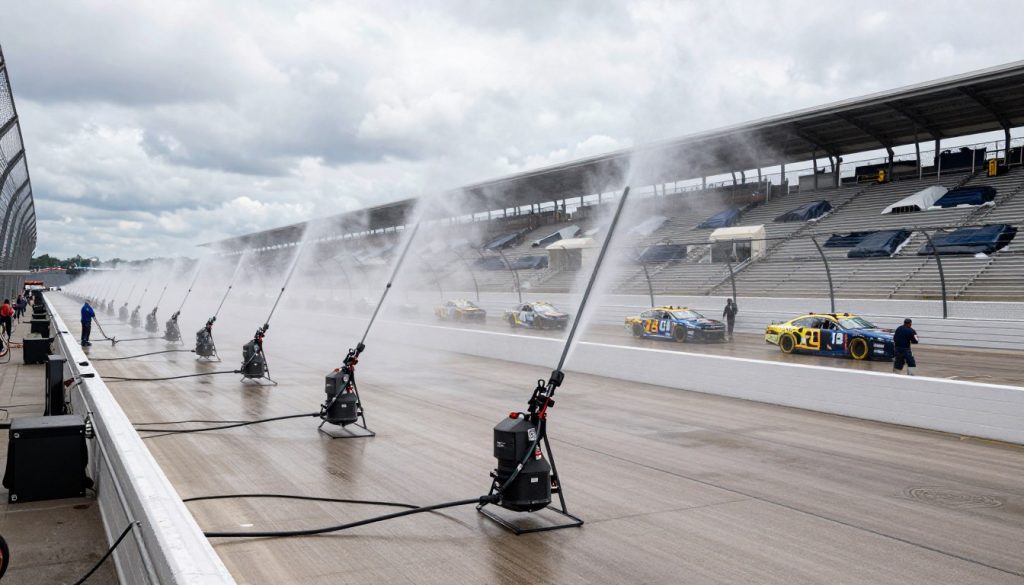
Weather plays a crucial role in NASCAR race duration. Unlike some motorsports, NASCAR does not race in the rain on oval tracks (though they may race in light rain on road courses with special tires). When rain falls during an oval track race, officials display a red flag, stopping the race until conditions improve.
The track-drying process can take 1-2 hours depending on the track size and severity of the rainfall. In some cases, races may be postponed to the following day if the weather doesn’t improve. This is why some NASCAR events that were scheduled to last 3 hours have stretched to 5+ hours or even multiple days.
Famous NASCAR Races and Their Lengths
The Daytona 500
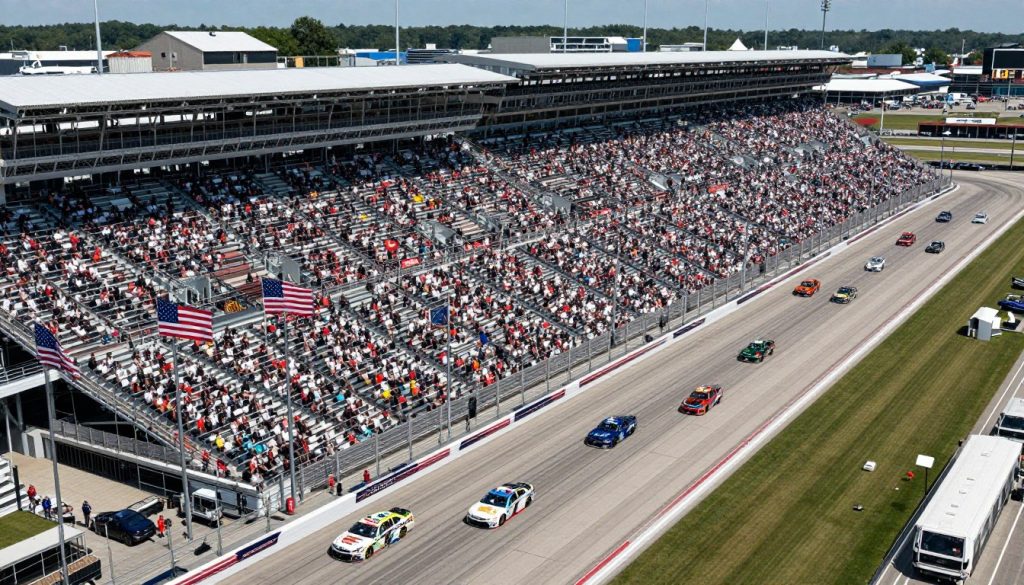
Known as “The Great American Race,” the Daytona 500 is NASCAR’s most prestigious event. Held at Daytona International Speedway in Florida, this race covers 500 miles over 200 laps on the 2.5-mile track. The typical duration is 3.5-4 hours, though weather delays and cautions can extend this significantly.
The 2020 Daytona 500 was one of the longest in history, spanning two days due to rain. After starting on Sunday, the race was postponed after 20 laps and completed on Monday, with a total event time exceeding 24 hours from start to finish.
The Coca-Cola 600
The Coca-Cola 600 at Charlotte Motor Speedway is NASCAR’s longest race in terms of distance. As the name suggests, this endurance test covers 600 miles (400 laps on the 1.5-mile track) and typically lasts 4-5 hours. Held on Memorial Day weekend, this race tests both driver and machine endurance.
The 2022 Coca-Cola 600 became the longest NASCAR race in history in terms of miles, covering 619.5 miles due to overtime finishes. The race lasted 5 hours and 13 minutes, making it one of the longest in terms of time as well.
Shortest NASCAR Races
On the opposite end of the spectrum, the shortest points-paying NASCAR Cup Series races are typically held at road courses and short tracks. The race at Sonoma Raceway in California covers just 350 kilometers (218 miles) and can be completed in under 3 hours under green flag conditions.
The shortest NASCAR race in history was a rain-shortened event at Sonoma that lasted just 1 hour and 8 minutes. Among non-points events, the exhibition Clash at the Coliseum held at the Los Angeles Memorial Coliseum’s quarter-mile track features a 150-lap main event that typically lasts less than 2 hours including heat races.
NASCAR Race Structure and Format
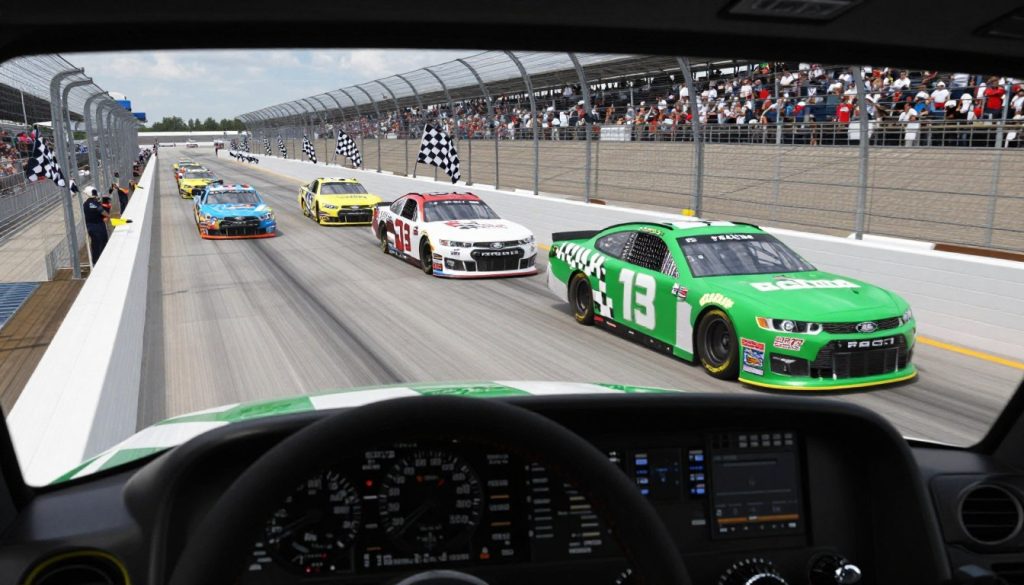
Stage Racing Format
Since 2017, NASCAR Cup Series races have been divided into three stages, adding a new strategic element to races. Each stage is approximately 25-30% of the total race distance, with points awarded to the top 10 finishers at the end of stages 1 and 2.
Stage breaks create scheduled caution periods lasting approximately 5-7 minutes, during which most teams pit for fuel and tires. This format ensures action throughout the race rather than just at the finish, but it also adds to the overall race duration by introducing mandatory cautions.
Overtime Rules
NASCAR’s overtime rules ensure races finish under green flag conditions whenever possible. If a caution occurs near the scheduled end of the race, officials add laps in what’s called a “green-white-checkered” finish attempt.
These overtime periods can add 5-15 minutes to a race, and in some cases, multiple overtime attempts are needed. The 2022 Coca-Cola 600 featured two overtime periods, adding nearly 20 minutes and 19.5 miles to the scheduled distance.
Planning for a NASCAR Race: Time Commitment
If you’re planning to attend a NASCAR race in person, it’s important to understand the time commitment involved. A typical NASCAR race day experience extends well beyond the actual race duration:
| Activity | Typical Duration | Notes |
| Pre-Race Activities | 2-3 hours | Fan zones, merchandise areas, pre-race concerts, driver introductions |
| Race Duration | 3-4 hours | Cup Series main event |
| Post-Race | 1 hour | Victory lane celebrations, exiting the track |
| Travel Time | 1-2 hours | Traffic entering/exiting can be significant |
For television viewers, NASCAR broadcasts typically begin 30-60 minutes before the scheduled green flag with pre-race coverage and continue for 30 minutes after the checkered flag with post-race interviews and analysis. Plan for a 4-5 hour viewing window for most Cup Series races.
Frequently Asked Questions About NASCAR Race Length
How many laps is a typical NASCAR race?
The number of laps in a NASCAR race varies based on track length. Superspeedway races like the Daytona 500 feature 200 laps on a 2.5-mile track. Intermediate track races typically range from 267-400 laps, while short track events can have 500+ laps. Road course races generally have the fewest laps, typically between 60-90, due to their longer lap distances.
What is the longest NASCAR race in history?
In terms of time, the 1952 Southern 500 at Darlington Raceway holds the record as the longest NASCAR race, lasting 6 hours and 42 minutes. In terms of distance, the 2022 Coca-Cola 600 set the record at 619.5 miles due to multiple overtime finishes. The regularly scheduled Coca-Cola 600 remains NASCAR’s longest planned race at 600 miles.
How long does a 500-lap NASCAR race last?
A 500-lap NASCAR race duration depends entirely on the track length. At Bristol Motor Speedway (0.533 miles), a 500-lap race covers 266.5 miles and typically lasts 3-3.5 hours. At Martinsville Speedway (0.526 miles), a 500-lap race covers 263 miles and usually takes 3.5-4 hours due to the track’s tight corners and frequent cautions.
Why do NASCAR races take so long?
NASCAR races cover substantial distances (typically 300-500 miles) at average speeds of 100-150 mph, which naturally requires several hours. Additionally, caution periods for accidents, debris, or weather can add significant time. Stage breaks, introduced in 2017, add two scheduled cautions per race. Pit stops, while quick (11-13 seconds), also momentarily slow the overall pace of the event.
Final Thoughts on NASCAR Race Length
NASCAR race length is a carefully balanced element of the sport, designed to test driver endurance and team strategy while providing fans with an exciting, full-day entertainment experience. While the 3-4 hour duration of a typical Cup Series race may seem long compared to other sporting events, it’s this extended format that allows for the development of complex race strategies, dramatic comebacks, and the unpredictable nature that makes NASCAR racing so compelling.
Whether you’re attending your first race or planning a day of NASCAR viewing at home, understanding the typical duration and factors that affect race length will help you better appreciate the sport and plan accordingly. From the marathon Coca-Cola 600 to the sprint-like exhibition events, NASCAR offers a variety of race formats that continue to captivate millions of fans across America.