The rise of no-smoking policies in rental cars has led to a growing need for effective smoking detection methods. With the increasing awareness of health risks associated with secondhand smoke, many rental car companies have implemented strict no-smoking policies to protect their customers and employees.
To enforce these policies, rental car companies employ various techniques to detect smoking in their vehicles. These methods help identify potential violators and ensure a safe and healthy environment for future customers.
Key Takeaways
- No-smoking policies are becoming increasingly common in rental cars.
- Rental car companies use various methods to detect smoking.
- Effective detection methods help protect customers and employees.
- Smoking detection is crucial for enforcing no-smoking policies.
- Rental car companies prioritize customer and employee health.
The Importance of No-Smoking Policies in Rental Cars
Rental car companies have adopted no-smoking policies to address significant health and safety concerns. Smoking in enclosed spaces like rental cars poses serious risks to the health of subsequent renters and can lead to a variety of issues including triggering asthma and other respiratory conditions.
Health and Safety Concerns
The health risks associated with smoking in rental cars are a major concern. Secondhand smoke exposure is a serious health hazard, and rental cars, being enclosed spaces, can trap smoke and its harmful chemicals, putting future renters at risk.
Financial Impact on Rental Companies
Smoking in rental cars also has a significant financial impact on rental companies. It can lead to costly cleaning and restoration processes to remove smoke odors and residues. This not only includes the cost of cleaning but also potential losses due to vehicles being out of service.
Industry-Wide Smoking Bans
The rental car industry has seen a trend towards industry-wide smoking bans. Many companies have implemented strict no-smoking policies to comply with health regulations and to reduce the financial burden associated with smoking-related damages.
Visual Inspection Methods Used by Rental Companies
Visual inspections are a crucial part of how rental companies identify smoking in their cars. These inspections are thorough and systematic, ensuring that any evidence of smoking is detected.
Check-In and Check-Out Procedures
When a customer rents a vehicle, the rental company typically conducts a check-in inspection to document the vehicle’s condition. Upon return, a check-out inspection is performed. Trained staff examine the vehicle for any damages or anomalies, including signs of smoking.
Common Areas Inspected for Smoke Residue
Rental companies focus on areas where smoke residue is likely to accumulate. These include:
- Ashtrays and cup holders
- Seats, carpets, and floor mats
- Dashboard and interior surfaces
- Headliner and visors
The inspection process involves a detailed examination of these areas for any signs of smoke residue, burns, or discoloration.
Documentation and Evidence Collection
If smoking is suspected, rental companies document the evidence. This may include:
| Evidence Type | Description |
|---|---|
| Photographic Evidence | Photos of smoke residue, burns, or other signs of smoking |
| Written Reports | Detailed descriptions of the findings during inspection |
| Physical Samples | Collection of ash, cigarette butts, or other physical evidence |
Accurate documentation is crucial for charging cleaning fees or penalties to customers who violate no-smoking policies.
How Can Rental Car Companies Tell If You Smoke: Unveiling Detection Methods
Rental car companies employ a range of methods to detect smoking in their vehicles. These detection methods are crucial in maintaining the quality and cleanliness of their fleet. By identifying smoking incidents, rental companies can take appropriate action and minimize losses.
Detection Techniques used by rental car companies are varied and comprehensive. They involve a combination of visual inspections, odor detection, and residue identification. The goal is to accurately determine if a vehicle has been smoked in, and to assess any damage or contamination.
Odor Detection Techniques
One of the primary methods used to detect smoking is odor detection. Rental car agents are trained to identify the distinct smell of smoke or tobacco products. During check-in and check-out procedures, agents will inspect the vehicle for any unusual odors. If the smell of smoke is detected, it can be a strong indication that the vehicle has been smoked in.
Residue and Ash Identification
In addition to odor detection, rental companies also look for residue and ash left behind by smoking. This can include ash particles, cigarette butts, or other tobacco-related waste. Agents will inspect ashtrays, cup holders, and other areas where residue may accumulate. The presence of such residue can be a clear indication of smoking activity.
Burn Marks and Discoloration Assessment
Rental car companies also inspect their vehicles for burn marks and discoloration caused by smoking. Burn marks on seats, carpets, or other surfaces can be a clear sign of smoking. Discoloration, such as yellowing of surfaces or fabrics, can also indicate exposure to smoke. Agents will assess the extent of any damage and document it accordingly.
By combining these detection methods, rental car companies can effectively identify instances of smoking in their vehicles. This helps to maintain a clean and safe fleet, and to minimize losses due to smoking-related damage.
Advanced Technology in Smoke Detection
Advanced smoke detection technologies are revolutionizing the way rental car companies identify smoking incidents. These technologies not only enhance the detection process but also provide a more accurate and efficient way to maintain the quality of rental vehicles.
Electronic Smoke Detectors in Vehicles
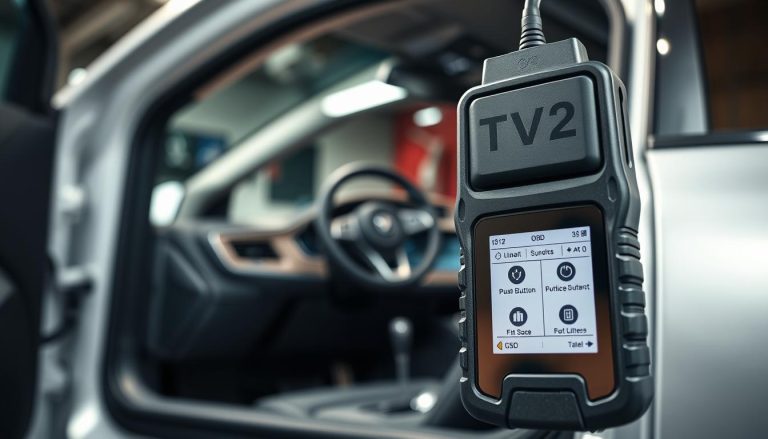
Modern rental cars are increasingly being equipped with electronic smoke detectors. These devices are designed to detect even minute particles of smoke and can trigger alerts to the rental company. The integration of such detectors has significantly reduced smoking incidents in rental vehicles.
Air Quality Monitoring Systems
Air quality monitoring systems represent another layer of smoke detection. These systems analyze the air inside the vehicle for pollutants, including those produced by smoking. By continuously monitoring air quality, rental companies can identify potential smoking incidents even after the vehicle has been returned.
Chemical Testing for Nicotine Residue
Chemical testing for nicotine residue is a more invasive method used by some rental companies. This involves swabbing surfaces within the vehicle to detect nicotine residue, a common byproduct of smoking. This method is particularly effective in identifying smoking incidents that may have evaded other detection methods.
| Detection Method | Description | Effectiveness |
|---|---|---|
| Electronic Smoke Detectors | Detect smoke particles in real-time | High |
| Air Quality Monitoring | Analyze air for smoking-related pollutants | Medium-High |
| Chemical Testing for Nicotine | Detect nicotine residue on surfaces | High |
In conclusion, the integration of advanced technologies has significantly enhanced the ability of rental car companies to detect smoking incidents. By leveraging electronic smoke detectors, air quality monitoring systems, and chemical testing for nicotine residue, companies can ensure a higher level of compliance with no-smoking policies.
Consequences of Getting Caught Smoking
The repercussions of smoking in a rental vehicle are multifaceted, affecting not only the renter’s financial situation but also their rental history and legal standing. When a renter is found to have smoked in a rental car, they can expect to face several consequences.
Standard Cleaning Fees and Penalties
One of the immediate consequences is the imposition of standard cleaning fees and penalties. Rental companies often charge a significant fee to cover the cost of thoroughly cleaning and deodorizing the vehicle. This fee can range from $200 to $500, depending on the company’s policies and the extent of the smoke contamination.
Impact on Customer Profiles and Future Rentals
Being caught smoking in a rental car can also have a lasting impact on a customer’s profile and their ability to rent cars in the future. Many rental companies maintain records of customer infractions, and repeated offenses can lead to higher rental rates or even denial of service.
Legal Implications and Contract Violations
Smoking in a rental car constitutes a violation of the rental agreement, which can have legal implications. In some cases, rental companies may pursue legal action to recover damages or costs associated with cleaning and restoring the vehicle. Renters should be aware that violating the terms of their rental agreement can lead to serious legal consequences.
Tips for Avoiding False Smoking Charges
Being charged for smoking in a rental car without actually smoking can be frustrating; here’s how to avoid it. Rental car companies have various methods to detect smoking, and understanding these can help you protect yourself from false charges.
Pre-Rental Vehicle Inspection Steps
Before driving off, inspect the vehicle thoroughly. Check for any existing damage, including burn marks or discoloration on the seats and carpets. Take photos or videos as evidence. This step is crucial in avoiding false charges when you return the vehicle.
Key areas to inspect include:
- Seats and upholstery
- Carpets and floor mats
- Dashboard and interior surfaces
Documentation Strategies for Protection
Documenting the vehicle’s condition at the start of your rental period is vital. Use your phone to take clear, dated photos or videos of the interior and exterior. This visual evidence can be invaluable if there’s a dispute when you return the car.
Tips for effective documentation:
- Capture all areas of the vehicle
- Include close-ups of any existing damage
- Save your files securely for future reference
Handling Disputes with Rental Companies
If you’re charged for smoking despite not having smoked, remain calm and gather your evidence. Contact the rental company, explain your case, and provide your documentation. If necessary, escalate the issue to their customer service department.
Steps to handle disputes:
- Review your rental agreement and understand the smoking policy
- Gather all relevant evidence, including photos and receipts
- Communicate clearly with the rental company, seeking a resolution
Conclusion
Rental car companies employ various methods to detect smoking in their vehicles, ensuring a safe and healthy environment for their customers. The importance of no-smoking policies cannot be overstated, as they protect both the health of passengers and the financial interests of rental companies.
A summary of detection methods reveals a multi-faceted approach, including visual inspections, odor detection techniques, and advanced technologies such as electronic smoke detectors and air quality monitoring systems. These methods work together to identify and document smoking incidents, allowing rental companies to take appropriate action.
Understanding the consequences of getting caught smoking in a rental car, including cleaning fees, penalties, and potential legal implications, can help customers make informed decisions. By adhering to no-smoking policies, renters can avoid these consequences and contribute to a more pleasant and safe rental experience for everyone.
FAQ
How do rental car companies detect smoking in their vehicles?
Rental car companies use a combination of visual inspection methods, odor detection techniques, and advanced technology such as electronic smoke detectors and air quality monitoring systems to detect smoking in their vehicles.
What are the consequences of smoking in a rental car?
The consequences of smoking in a rental car can include standard cleaning fees, penalties, and potential impact on customer profiles and future rentals. In some cases, it may also lead to legal implications and contract violations.
Can I dispute a smoking charge with a rental company?
Yes, you can dispute a smoking charge with a rental company by providing documentation and evidence to support your claim. It’s essential to conduct a thorough pre-rental vehicle inspection and document the vehicle’s condition to protect yourself.
How can I avoid being falsely charged for smoking in a rental car?
To avoid being falsely charged for smoking in a rental car, it’s crucial to conduct a thorough pre-rental vehicle inspection, document the vehicle’s condition, and take photos or videos as evidence. You should also review the rental agreement and understand the terms and conditions.
Do all rental car companies have no-smoking policies?
Most rental car companies have no-smoking policies in place, and some have even implemented industry-wide smoking bans. It’s essential to check with the rental company before renting a vehicle to understand their specific policies.
Can rental car companies use chemical testing to detect nicotine residue?
Yes, some rental car companies use chemical testing to detect nicotine residue in their vehicles. This method can be effective in identifying smoking, even if the vehicle has been cleaned or deodorized.
How can I protect myself from false smoking charges when renting a car?
To protect yourself from false smoking charges, you should carefully inspect the vehicle before renting, document its condition, and review the rental agreement. You should also understand the terms and conditions of the rental company and their policies on smoking.