Maintaining optimal vehicle health demands consistent care from every responsible owner. Checking oil levels each month helps stop expensive engine failures later. Small tasks today ensure your SUV stays reliable during long commutes.
Gaining Honda CRV hood access starts with finding specific levers inside cabin areas. Look near driver-side floor mats to find designated pull triggers. These mechanisms open front sections without requiring excessive physical force.
Using CR-V release methods saves valuable time during *emergency situations*. This professional documentation provides precise instructions to assist every driver. Safety remains our primary objective throughout this entire instructional process.
Examine external safety latches immediately after popping heavy metal covers. Lift exterior panels high enough to reach built-in support bars. Secure total weight properly before reaching inside any active engine compartment.
Locate secondary locking levers tucked behind front grille assemblies. These features prevent dangerous accidents while traveling at high speeds. Mastering these simple steps ensures long-term vehicle health and passenger safety.
Key Takeaways
- Identify internal latch triggers located near driver floor mats.
- Locate the exterior safety catches behind front grilles.
- Utilize built-in support rods to hold panels securely.
- Perform frequent engine inspections to maintain peak performance.
- Ensure front sections lock safely shut after every check.
- Review owner manuals to confirm specific model year hardware.
Why You Need to Access Your Honda CR-V Hood
The hood of your Honda CR-V is more than just a cover; it’s a gateway to essential maintenance and troubleshooting. Accessing it is crucial for various reasons, ranging from routine checks to handling emergency situations.
Routine Maintenance Checks
Regular maintenance is key to extending the life of your vehicle. By accessing the hood, you can perform checks on vital components such as the engine oil level, coolant level, and battery condition. These simple checks can prevent major issues down the line.
Key Maintenance Checks Under the Hood:
| Component | Check | Frequency |
|---|---|---|
| Engine Oil | Level and Condition | Every Oil Change |
| Coolant | Level and Leaks | Every 6 Months |
| Battery | Terminals and Charge | Every 3 Months |
Emergency Situations
In the event of an emergency, being able to access the hood can be crucial. Whether it’s checking for damage after an accident or addressing an issue like an overheating engine, quick access can be a significant advantage.
For instance, if your Honda CR-V starts to overheat, being able to check the coolant level or look for signs of leaks under the hood can help you address the issue promptly.
Pre-Trip Inspections
Before embarking on a long trip, conducting a pre-trip inspection under the hood can ensure your vehicle is in good condition. This includes checking the condition of belts, hoses, and fluids, as well as ensuring that all lights and signals are functioning properly.
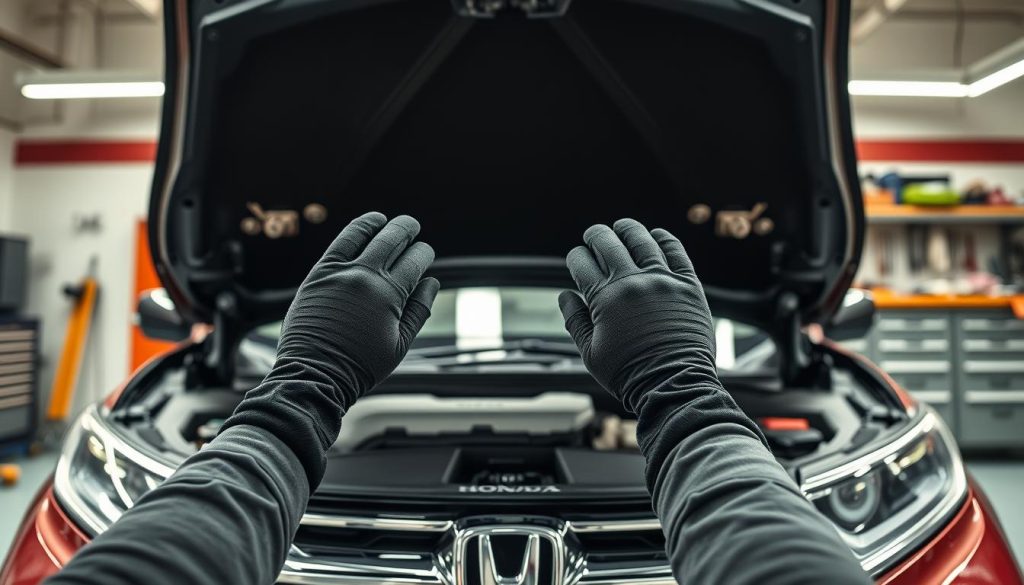
By understanding the importance of accessing your Honda CR-V’s hood, you can better maintain your vehicle, handle emergencies more effectively, and ensure a safe and successful trip.
Where Is the Hood Release on a Honda CRV: A Quick Guide for Easy Access
To access the hood of your Honda CR-V, you first need to understand where the hood release is located. The Honda CR-V is designed with a two-step hood release mechanism for safety and ease of use.
Interior Hood Release Lever Location
The first step in accessing the hood involves the interior hood release lever. This lever is located inside the vehicle, making it easily accessible to the driver.
Driver’s Side Positioning
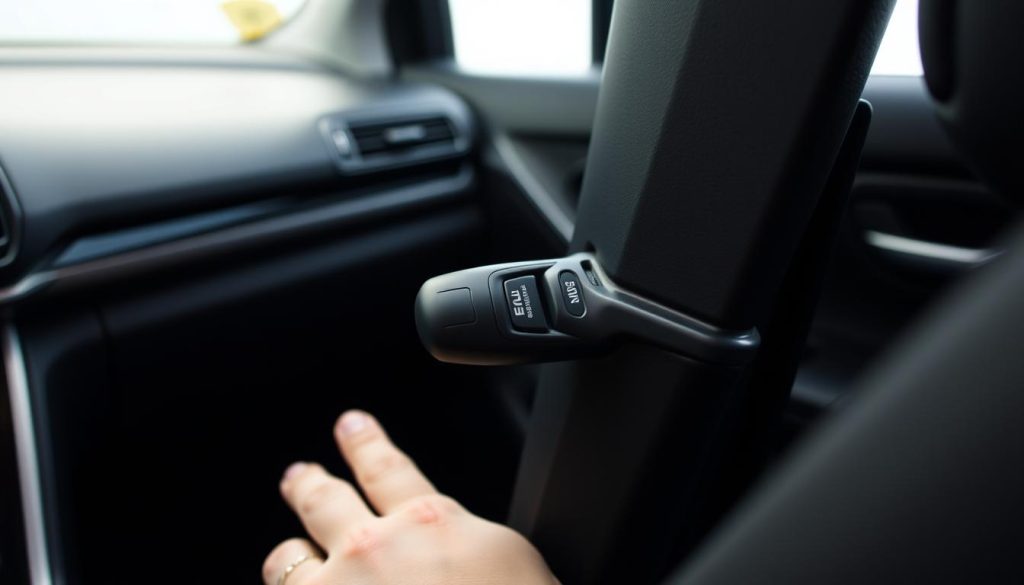
The interior hood release lever is positioned on the driver’s side, below the dashboard. It is typically found near the parking brake or the door release lever, making it convenient for the driver to locate and operate.
Identifying the Release Lever
The lever is labeled with a symbol that resembles a car with its hood open. This clear labeling helps drivers quickly identify the correct lever.
Exterior Safety Latch Location
After releasing the interior hood release lever, you need to locate the exterior safety latch to fully open the hood.
Finding the Secondary Release
The exterior safety latch is located at the front of the car, between the grille and the hood. You need to pull this latch towards you or to the side to release the hood fully.
| Hood Release Component | Location | Action Required |
|---|---|---|
| Interior Hood Release Lever | Driver’s side, below the dashboard | Pull the lever |
| Exterior Safety Latch | Front of the car, between the grille and the hood | Pull the latch towards you or to the side |
By following these steps and understanding the location of the hood release mechanisms, you can easily access the hood of your Honda CR-V for maintenance, repairs, or inspections.
Step-by-Step Instructions to Open Your Honda CR-V Hood
To perform routine maintenance or inspections on your Honda CR-V, you’ll need to know how to open the hood safely and efficiently. The process involves a series of straightforward steps that ensure you can access the engine compartment without difficulty.
Step 1: Locate and Pull the Interior Hood Release
The first step in opening your Honda CR-V’s hood is to locate and pull the interior hood release lever. This lever is typically found under the dashboard on the driver’s side. It’s designed to be easily accessible, allowing you to initiate the hood release process from the comfort of your vehicle.
Key actions:
- Pull the lever to release the hood latch.
- You will hear a slight pop as the hood is released.
Step 2: Exit the Vehicle and Position Yourself
After pulling the interior hood release, exit your vehicle and move to the front of the car. Stand in front of the hood and prepare to release the safety latch.
Step 3: Release the Safety Latch
The safety latch is located at the center of the hood, slightly towards the driver’s side. You’ll need to slide your hand under the hood to find and release this latch.
Important: The safety latch is a critical component that prevents the hood from opening unintentionally while driving.
Step 4: Lift and Secure the Hood
Once the safety latch is released, you can lift the hood. Depending on your Honda CR-V’s model year, you may have either a hood prop rod or hydraulic struts to secure the hood in the open position.
Using the Hood Prop Rod
For models equipped with a hood prop rod, follow these steps:
- Locate the hood prop rod, usually stored on the driver’s side of the engine compartment.
- Insert the rod into the designated hole on the hood to secure it in place.
Models with Hydraulic Struts
Newer models may be equipped with hydraulic struts that automatically hold the hood open. For these models, simply lift the hood until it reaches the fully open position, and the struts will take over.
By following these steps, you can easily access the engine compartment of your Honda CR-V. Whether you’re performing routine maintenance or need to inspect the engine, knowing how to open and secure the hood is an essential skill for any CR-V owner.
Safety Precautions When Accessing the Hood
To ensure a safe and smooth experience, consider several key precautions when accessing your Honda CR-V’s hood. Safety should be your top priority to avoid potential hazards and injuries.
Engine Temperature Considerations are vital when accessing the hood. Always check that the engine is cool before opening the hood. A hot engine can cause burns and other injuries. If you’ve recently driven your Honda CR-V, let it cool down for a while before attempting to open the hood.
Engine Temperature Considerations
Never attempt to open the hood immediately after driving, as the engine and surrounding components may be extremely hot. Wait for at least 30 minutes to allow the engine to cool down.
Parking on Level Ground
Always park your Honda CR-V on level ground before accessing the hood. This prevents the vehicle from rolling or moving unexpectedly, which could cause injury or damage.
Engaging the Parking Brake
Engage the parking brake to ensure the vehicle remains stationary while you’re working under the hood. This adds an extra layer of safety by preventing the vehicle from moving.
Keeping Hands and Clothing Clear
When accessing the hood, be mindful of your hands and clothing to avoid entanglements with moving parts or hot surfaces. Keep long hair tied back and avoid loose jewelry that could get caught.
By following these safety precautions, you can minimize risks associated with accessing the hood of your Honda CR-V. Always be cautious and aware of your surroundings to ensure a safe experience.
Troubleshooting Common Hood Release Issues
If you’re experiencing difficulties with opening the hood of your Honda CR-V, you’re not alone, and there are several troubleshooting steps you can take. The hood release mechanism is a crucial part of your vehicle, and issues with it can hinder your ability to perform routine maintenance or repairs.
Hood Release Lever Won’t Pull
When the hood release lever inside your Honda CR-V doesn’t pull as it should, it can be due to a couple of underlying issues. Understanding these can help you diagnose and potentially fix the problem.
Cable Tension Problems
One common reason for a hood release lever that won’t pull is cable tension problems. Over time, the cable can stretch or become worn out, reducing its effectiveness. Checking the cable for any signs of wear or damage is a good first step.
Frozen or Corroded Mechanism
Another issue could be a frozen or corroded mechanism. Moisture can cause parts of the hood release mechanism to corrode or freeze, making it difficult to operate. Inspecting the mechanism for any signs of corrosion or freezing can help identify the problem.
Safety Latch Won’t Release
If the safety latch won’t release, it can be due to misalignment or debris/rust buildup. Ensuring that the latch is properly aligned and free from debris is crucial.
Misalignment Issues
Misalignment can prevent the safety latch from releasing properly. Checking the alignment of the hood and the latch can help resolve this issue.
Debris or Rust Buildup
Debris or rust accumulating around the safety latch can also prevent it from releasing. Cleaning the area around the latch can often resolve the issue.
Hood Won’t Stay Open
If your Honda CR-V’s hood won’t stay open, it could be due to issues with the prop rod or hydraulic struts that support the hood.
Faulty Prop Rod
A faulty prop rod can fail to hold the hood in place. Inspecting the prop rod for any damage or wear is essential.
Weak Hydraulic Struts
Weak hydraulic struts can also cause the hood to not stay open. Over time, these struts can lose their effectiveness, requiring replacement.
Here’s a summary of common hood release issues and their potential causes:
| Issue | Potential Cause | Solution |
|---|---|---|
| Hood Release Lever Won’t Pull | Cable Tension Problems, Frozen or Corroded Mechanism | Check cable tension, inspect for corrosion |
| Safety Latch Won’t Release | Misalignment Issues, Debris or Rust Buildup | Check alignment, clean debris |
| Hood Won’t Stay Open | Faulty Prop Rod, Weak Hydraulic Struts | Inspect prop rod, replace hydraulic struts if necessary |
Conclusion
Understanding how to access the hood of your Honda CR-V is crucial for routine maintenance, emergency situations, and pre-trip inspections. By following the steps outlined in this guide, you can ensure a safe and efficient process.
A quick summary of the Honda CR-V hood release process involves locating and pulling the interior hood release lever, exiting the vehicle to release the safety latch, and then lifting and securing the hood. Remember to always follow safety precautions, such as checking the engine temperature and parking on level ground.
Regular maintenance is key to extending the life of your CR-V. By mastering the hood release and incorporating CR-V maintenance tips into your routine, you can identify potential issues early and keep your vehicle running smoothly.
With this knowledge, you’re well-equipped to perform routine checks and troubleshooting tasks, ensuring your Honda CR-V remains in top condition.
FAQ
Where is the interior hood release lever located in a Honda CR-V?
The interior hood release lever is conveniently located on the driver’s side footwell. You will find it positioned on the left-hand side, just below the dashboard and above the floor mat. It is typically marked with a clear icon illustrating a vehicle with an lifted hood for easy identification.
How do I operate the secondary safety latch once the hood is popped?
After pulling the interior lever, the hood will disengage from the primary lock and rise slightly. To fully open it, exit the vehicle and move to the front center of the grille. Reach into the gap and slide the exterior safety latch—usually to the left—to release the secondary mechanism, allowing you to lift the hood completely.
What should I do if the hood release lever feels stuck or won’t pull?
If the lever offers excessive resistance, avoid forcing it, as this could snap the release cable. This issue is often caused by cable tension problems or a corroded mechanism near the latch. Applying a high-quality lubricant like WD-40 to the latch assembly or consulting a technician at a Honda service center is recommended to resolve the binding.
Is it safe to open the hood of a Honda CR-V while the engine is hot?
Extreme caution is required. High engine temperatures can cause severe burns if you touch metal components or if coolant sprays from a pressurized system. It is best practice to allow the vehicle to cool for at least 20 to 30 minutes before performing routine maintenance checks or inspecting the battery and engine oil levels.
Does the Honda CR-V use a manual prop rod or hydraulic struts?
Most Honda CR-V models, including the popular EX-L and Sport Touring trims, utilize a manual hood prop rod located along the front or side of the engine bay. However, some owners choose to install aftermarket hydraulic struts for convenience. If your vehicle is equipped with struts and the hood fails to stay up, it is an indication of weak hydraulic struts that require immediate replacement.
Why is it necessary to park on level ground before accessing the engine compartment?
Parking on level ground and engaging the parking brake ensures the vehicle remains stationary while you are distracted by maintenance tasks. This prevents the car from shifting or rolling, which is vital for safety when you are leaning over the engine bay to check brake fluid or windshield washer fluid.
What causes the hood safety latch to become misaligned?
A: Misalignment issues can occur due to minor front-end impacts or debris and rust buildup within the latch housing. If the hood does not close securely or is difficult to pop, cleaning the area and using Honda Genuine Parts for any necessary repairs will ensure the latch assembly functions according to factory specifications.