Breaking in a rebuilt engine is a critical process that significantly impacts its performance and longevity. A properly broken-in engine ensures optimal fuel efficiency, reduces emissions, and prevents premature wear on moving parts.
A rebuilt engine requires careful handling during its initial operation to achieve maximum engine longevity. This involves following a proper engine break-in procedure, which includes specific guidelines on driving habits, maintenance schedules, and monitoring engine performance.
By understanding the importance of the break-in period and adhering to the recommended rebuilt engine break-in procedures, vehicle owners can significantly extend the life of their engine.
Key Takeaways
- Proper break-in is crucial for engine longevity.
- A rebuilt engine requires specific care during its initial operation.
- Following a proper engine break-in procedure ensures optimal performance.
- Careful driving habits and regular maintenance are key.
- Monitoring engine performance during the break-in period is essential.
Understanding the Importance of Proper Engine Break-In
The importance of properly breaking in a rebuilt engine cannot be overstated, as it directly impacts the engine’s durability and performance. A well-executed break-in process ensures that the engine’s components are properly seated and conditioned for long-term operation.
Why Break-In Matters for Rebuilt Engines
Rebuilt engines require a careful break-in process because their components are new or refurbished, and need time to adjust to each other. This process is critical for preventing premature wear and ensuring optimal engine performance.
The Science Behind Engine Component Seating
Engine component seating is a critical aspect of the break-in process. It involves the mating of new or refurbished parts, such as piston rings and bearings, to their respective surfaces.
Piston Ring Seating Process
The piston ring seating process is crucial for achieving optimal engine performance. As the engine runs, the piston rings gradually seat against the cylinder walls, creating a tight seal that prevents oil leakage and ensures efficient combustion.
Bearing Surface Conditioning
Bearing surface conditioning is another vital aspect of the break-in process. It involves the gradual wear-in of bearing surfaces to achieve optimal clearance and lubrication.
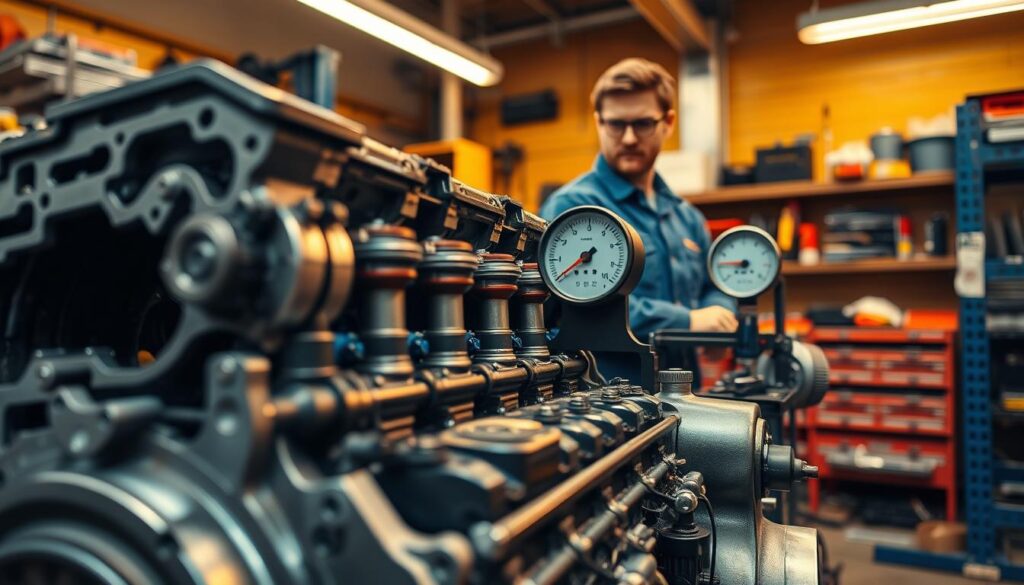
As shown in the image, the break-in process is essential for the longevity of a rebuilt engine. A proper break-in helps to prevent premature wear on engine components.
| Break-In Process | Importance | Benefits |
|---|---|---|
| Piston Ring Seating | Prevents oil leakage and ensures efficient combustion | Improved engine performance and longevity |
| Bearing Surface Conditioning | Achieves optimal clearance and lubrication | Reduced risk of premature wear and engine failure |
“A proper engine break-in is crucial for the longevity and performance of a rebuilt engine. It’s not just about running the engine for a few miles; it’s about ensuring that the components are properly seated and conditioned for long-term operation.”
By understanding the importance of proper engine break-in and following the recommended procedures, you can help ensure the longevity and performance of your rebuilt engine.
Preparation Before First Start
Before starting a rebuilt engine, thorough preparation is crucial for its longevity and performance. This involves several key steps that ensure the engine is ready for operation.
Pre-Start Inspection Checklist
A comprehensive pre-start inspection is vital. Check for any leaks, ensure all connections are secure, and verify that the electrical system is functioning correctly. Refer to your vehicle’s manual for specific inspection points.
Proper Oil and Filter Selection
Selecting the right oil and filter is critical. For break-in, a specific type of oil may be recommended.
Break-In Oil Specifications
Break-in oil typically has specific viscosity and additive packages designed to help seat the rings properly. Consult the manufacturer’s guidelines for the correct specification.
Additive Considerations
Some rebuilders recommend additional additives to enhance the break-in process. However, it’s essential to check with the engine manufacturer before adding any substances to the oil.
Priming the Oil System
Priming the oil system before the first start is crucial to prevent dry starts, which can cause significant wear. Use an oil priming tool or pre-fill the oil filter and crank the engine with the ignition disabled to circulate the oil. For more detailed information on oil system maintenance, visit this resource.
| Checklist Item | Description | Status |
|---|---|---|
| Oil Leak Check | Inspect for oil leaks around the engine | |
| Electrical System Check | Verify all electrical connections are secure | |
| Oil and Filter Selection | Ensure correct break-in oil and filter are used |
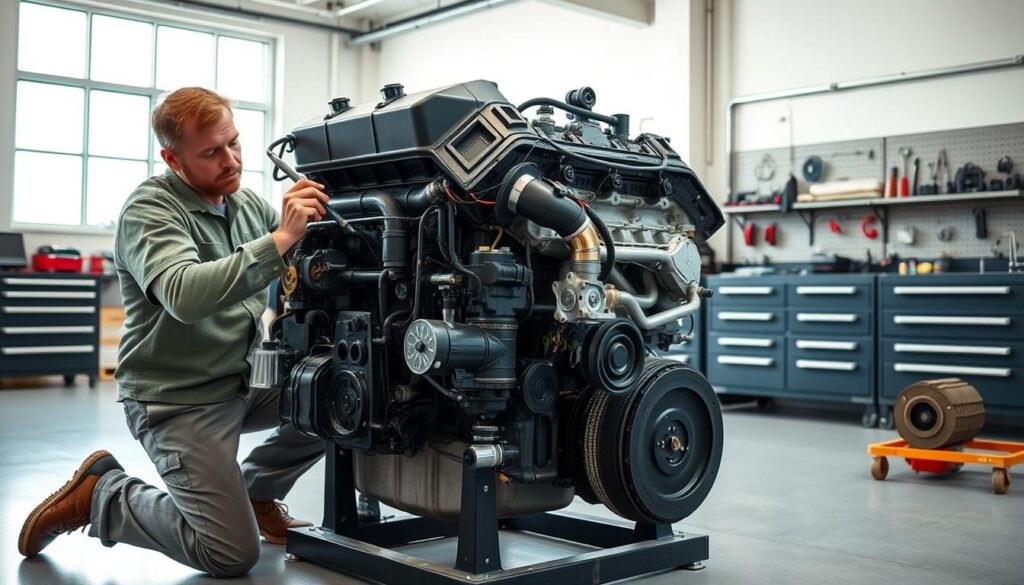
Initial Startup Procedures
The initial startup of a rebuilt engine is a critical phase that requires careful monitoring and management. This stage is crucial for setting the foundation for the engine’s longevity and performance.
First Start Monitoring Points
During the first start, it’s essential to monitor several key parameters to ensure the engine is functioning correctly. Two critical aspects to focus on are oil pressure verification and temperature monitoring.
Oil Pressure Verification
Oil pressure is a vital indicator of the engine’s health. Upon startup, verify that the oil pressure gauge shows a reading within the recommended range. Low oil pressure can indicate a problem with the oil pump or insufficient oil in the system.
Temperature Monitoring
Monitoring the engine’s temperature during the initial startup is crucial. Ensure that the temperature gauge is rising steadily and not spiking, which could indicate a cooling system issue.
Idle Time and RPM Management
After the initial startup, managing idle time and RPM is critical. Avoid prolonged idling, as it can cause unnecessary wear on engine components. Instead, adopt a varied RPM technique to help seat the engine’s components properly.
Critical Signs to Watch For
During the initial startup and subsequent operation, be vigilant for signs of trouble, such as unusual noises, leaks, or abnormal vibrations. Addressing these issues promptly can prevent more significant problems from developing.
By carefully following these initial startup procedures, you can help ensure your rebuilt engine gets off to a healthy start, paving the way for a long and trouble-free service life.
How to Break in a Rebuilt Engine: Essential Steps for Longevity
Breaking in a rebuilt engine requires careful attention to detail to ensure its longevity. The process involves several critical steps that, when followed, help in achieving optimal engine performance and durability.
The First 20 Minutes of Operation
The initial 20 minutes of operation are crucial for setting the stage for the engine’s longevity. During this period, it’s essential to monitor the engine’s parameters closely, such as oil pressure, temperature, and RPM. Any abnormalities should be addressed immediately.
The engine should be run at varying RPMs during the first 20 minutes. This helps in seating the engine components properly. It’s recommended to avoid sustained high RPM during this initial phase.
Varying RPM Techniques
Varying the RPM is a critical technique during the break-in period. It involves gently increasing and decreasing the engine speed to help seat the piston rings and cylinder walls effectively. This technique should be performed smoothly to avoid putting undue stress on the engine components.
Load Management Strategy
Effective load management is vital during the break-in period of a rebuilt engine. It involves applying load progressively while avoiding sustained high load conditions.
Progressive Load Application
Progressive load application means gradually increasing the load on the engine as it gets broken in. This can be achieved by varying the driving conditions, such as driving on different terrains or adjusting the vehicle’s load.
Avoiding Sustained High Load
It’s crucial to avoid sustained high load conditions during the break-in period. High load can cause excessive wear on the engine components, potentially leading to premature failure. Drivers should be cautious and avoid heavy towing or hauling heavy loads during this time.
By following these guidelines and being mindful of the engine’s operation during the break-in period, you can significantly enhance the longevity and performance of your rebuilt engine.
Driving Patterns During the Break-In Period
Proper driving patterns during the break-in period are crucial for ensuring the longevity of a rebuilt engine. This critical period sets the stage for the engine’s future performance and durability.
First 500 Miles Guidelines
During the first 500 miles, it’s essential to adopt gentle driving habits. Avoid extreme acceleration and braking, as these can put undue stress on the engine’s components.
Acceleration and Deceleration Practices
Smooth acceleration and deceleration are key. Sudden movements can cause wear on the engine and its components. Instead, gradually increase speed and avoid hard braking.
Highway vs. City Driving Considerations
Both highway and city driving have their considerations during the break-in period. Highway driving typically involves consistent speeds, which can be less stressful for the engine. However, it’s still important to vary your speed slightly to help seat the engine’s components properly.
Optimal Speed Ranges
Maintaining an optimal speed range is vital. For most rebuilt engines, this means staying between 40-60 mph for the first few hundred miles, avoiding extreme speeds.
Avoiding Extended Idling
Extended idling should be avoided as it can cause unnecessary wear on the engine. If you’re going to be stopped for more than a minute, it’s better to turn off the engine.
By following these guidelines and being mindful of your driving patterns during the break-in period, you can significantly enhance the longevity and performance of your rebuilt engine.
Essential Maintenance During Break-In
To ensure a rebuilt engine reaches its full potential, essential maintenance during the break-in period is necessary. This phase is critical for setting the stage for the engine’s longevity and performance.
First Oil Change Timing
The first oil change is a crucial maintenance task during the break-in period. It’s generally recommended to change the oil after the first 20 to 50 hours of operation or within the first 1,000 miles. This initial oil change helps remove any debris and contaminants that may have accumulated during the break-in process.
Fluid Level Monitoring
Regularly checking the engine’s fluid levels is vital. Ensure that the oil, coolant, and other essential fluids are at the recommended levels. Low fluid levels can lead to increased wear and tear on the engine components.
Temperature Management
Managing the engine temperature is critical during the break-in period. Overheating can cause significant damage to the engine. Monitoring the temperature gauge closely and addressing any cooling system issues promptly is essential.
Cooling System Checks
Regular cooling system checks are necessary to prevent overheating. Inspect the coolant level, look for leaks, and ensure the radiator cap is functioning correctly.
Addressing Overheating Concerns
If the engine shows signs of overheating, it’s crucial to address the issue immediately. Check the cooling system’s integrity, and if necessary, consult a professional mechanic to diagnose and repair any problems.
| Maintenance Task | Recommended Interval | Importance Level |
|---|---|---|
| First Oil Change | 20-50 hours or 1,000 miles | High |
| Fluid Level Check | Regularly, ideally weekly | High |
| Cooling System Inspection | Every 500 miles | High |
Common Break-In Mistakes to Avoid
Avoiding common pitfalls during the break-in period of a rebuilt engine is essential for ensuring its optimal performance and lifespan. The break-in period is a critical phase where the engine’s components are seating themselves, and improper handling can lead to premature wear or even failure.
Excessive RPM Dangers
One of the most significant mistakes drivers make during the break-in period is pushing the engine to excessive RPMs. High RPMs can cause undue stress on the engine’s components, potentially leading to damage. It’s recommended to keep the RPMs within the manufacturer’s specified range during the initial break-in period.
Load and Towing Restrictions
Towing heavy loads or carrying excessive weight can put additional strain on a rebuilt engine, hindering the break-in process. It’s crucial to adhere to the manufacturer’s guidelines regarding load and towing restrictions to prevent undue stress on the engine.
Ignoring Warning Signs
Ignoring warning signs such as unusual noises, smoke, or leaks can lead to severe consequences. These indicators can signal potential issues that, if addressed promptly, can prevent major repairs down the line.
Unusual Noises and Their Meanings
Unusual noises during the break-in period can be alarming. For instance, a knocking sound could indicate improper fuel octane or low oil pressure, while a grinding noise might suggest a problem with the engine’s mechanical components.
Smoke and Leak Indicators
Smoke from the exhaust or leaks around the engine are clear indicators of potential problems. Blue smoke typically signifies oil burning, while white smoke could indicate coolant leakage. Leaks around the engine can lead to significant issues if not addressed promptly.
| Warning Sign | Possible Cause | Action |
|---|---|---|
| Knocking Sound | Low Oil Pressure or Wrong Fuel Octane | Check Oil Level, Use Correct Fuel |
| Blue Smoke | Oil Burning | Check for Oil Leaks, Adjust Consumption |
| White Smoke | Coolant Leakage | Inspect Coolant System, Repair Leaks |
By avoiding these common break-in mistakes, drivers can significantly enhance the longevity and performance of their rebuilt engine. It’s about being mindful of the engine’s needs during this critical period and taking proactive steps to ensure a successful break-in.
Conclusion: Ensuring Your Rebuilt Engine’s Longevity
Properly breaking in a rebuilt engine is crucial for achieving optimal performance and maximizing its lifespan. By following the essential steps outlined in this article, you can ensure a successful engine break-in and enjoy rebuilt engine longevity.
The key to a successful engine break-in lies in careful preparation, monitoring, and maintenance. From initial startup procedures to driving patterns during the break-in period, every step plays a critical role in seating engine components and preventing premature wear.
By avoiding common break-in mistakes and adhering to recommended maintenance schedules, you can significantly enhance your engine’s performance and reliability. As you conclude the break-in period, you’ll be confident in your rebuilt engine’s ability to deliver optimal results, marking a successful engine break-in conclusion.
FAQ
What is the purpose of breaking in a rebuilt engine?
The purpose of breaking in a rebuilt engine is to ensure the longevity of the engine by allowing the engine components to seat properly, thereby preventing premature wear and tear.
What type of oil should be used during the break-in period?
A break-in oil with specific properties, such as a higher viscosity and additives that help seat the piston rings, is recommended during the initial break-in period.
How long should I wait before changing the oil after breaking in a rebuilt engine?
It is generally recommended to change the oil after the first 500 miles or as specified by the engine manufacturer to remove any contaminants and debris that may have accumulated during the break-in period.
What are some common mistakes to avoid during the engine break-in period?
Common mistakes to avoid include excessive RPM, ignoring warning signs such as unusual noises or smoke, and not following the recommended load and towing restrictions.
How should I drive during the first 500 miles of breaking in a rebuilt engine?
During the first 500 miles, it is recommended to vary your speed, avoid sustained high speeds, and not tow heavy loads to allow the engine components to seat properly.
What are the signs of a properly broken-in engine?
A properly broken-in engine will typically exhibit stable oil pressure, consistent performance, and no unusual noises or vibrations.
Can I drive on the highway during the break-in period?
Yes, but it is recommended to avoid sustained high speeds and to vary your speed to help seat the engine components properly.
How often should I check the engine’s fluid levels during the break-in period?
It is recommended to check the engine’s fluid levels regularly, ideally before each drive, to ensure that the levels are within the recommended range.