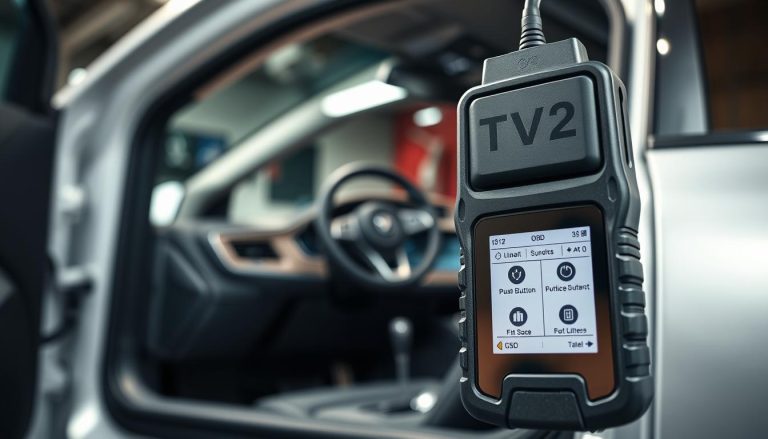
Vehicle owners sometimes face persistent airbag warning lights after modifications or sensor failures. The steering wheel light won’t go away. Your vehicle computer keeps sending error codes. Understanding how to bypass airbag with resistor becomes necessary for specific situations.
This guide addresses technical solutions for airbag system problems. Many drivers experience this issue today. Racing enthusiasts remove seats for weight reduction. Others install aftermarket steering wheel parts. Some face expensive sensor replacement costs.
We’ll explore proper methods and critical safety information. The discussion covers legal implications and professional alternatives. This information helps you make informed decisions about your vehicle.
Critical Safety and Legal Warnings Before You Start
Important Safety Notice
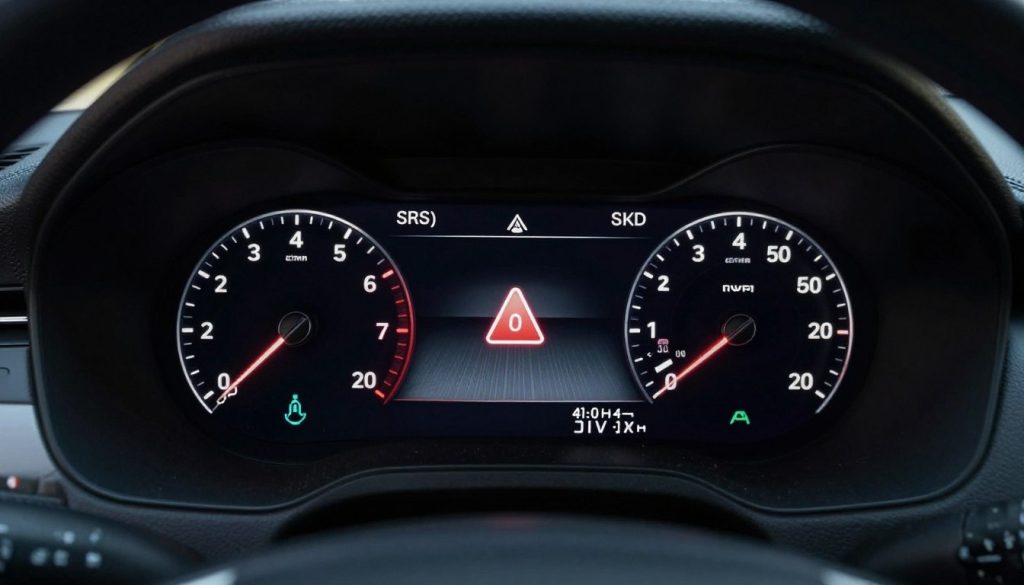
Tampering with airbag systems creates serious risks. These systems protect drivers and passengers during accidents. Disabling safety equipment may result in severe injury or death. This procedure should only be considered for specific scenarios like race car conversions or temporary diagnostic work.
Legal restrictions apply in most areas. Federal and state regulations prohibit airbag tampering on public roads. Your vehicle warranty becomes void when you modify safety systems. Insurance companies may deny claims if they discover disabled airbags.
Legal Consequences
- Violation of federal motor vehicle safety standards
- State-level penalties and fines
- Insurance claim denials
- Liability in accident situations
- Vehicle inspection failures
Safety Risks
- Loss of primary collision protection
- Increased injury severity in crashes
- No deployment during emergencies
- Passenger safety compromise
- Potential electrical system damage
Recommended Professional Option
Certified automotive technicians diagnose and repair airbag systems safely. Professional service ensures compliance with safety standards and maintains your vehicle warranty. Expert handling protects you from legal and safety risks.
Professional mechanics use proper diagnostic equipment. They access manufacturer-specific information. The work meets industry standards. Your safety remains the top priority with certified service.
Consider this guide for educational purposes. Racing applications and off-road vehicles represent appropriate use cases. Track-only cars don’t require street-legal safety equipment. Always consult local regulations before making modifications.
Understanding How Airbag Systems Work
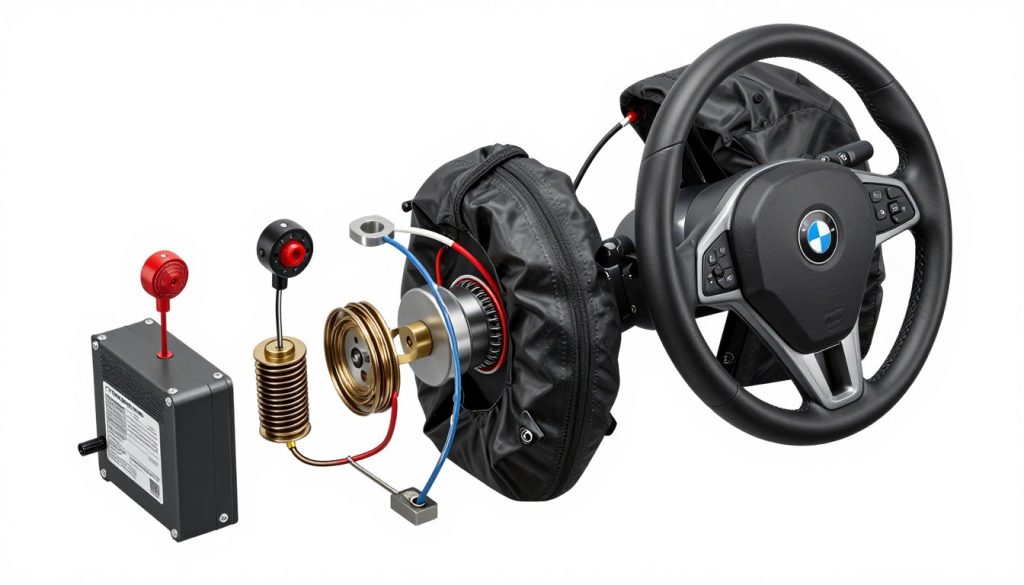
Modern vehicle airbag systems rely on sophisticated sensor networks. The computer monitors resistance values constantly. Each component maintains specific electrical properties. Understanding this system helps you work safely.
Core System Components
The airbag control module serves as the system brain. It receives input from multiple sensors throughout the vehicle. Front impact sensors detect collision force. Side sensors monitor lateral impacts. The steering wheel contains a clock spring for electrical connection.
Each airbag creates a complete electrical circuit. The control module sends small current through these circuits. It measures resistance continuously. Normal airbag resistance typically ranges from two to three ohms. This specific value confirms proper airbag presence.
Sensor Network
Multiple crash sensors work together. They measure deceleration forces. The system uses redundant sensors for reliability. Front sensors trigger in head-on collisions. Side sensors activate during T-bone impacts.
- Primary impact sensors
- Safing sensors for verification
- Seat occupancy sensors
- Belt tension sensors
Control Logic
The computer processes sensor data in milliseconds. It determines crash severity instantly. Deployment decisions happen within 30 milliseconds. The system must distinguish real crashes from bumps.
- Continuous circuit monitoring
- Fault code generation
- Deployment threshold calculation
- System self-diagnostics
Why Resistance Matters
The control module expects exact resistance values. A disconnected airbag shows infinite resistance. The computer immediately detects this problem. It illuminates the warning light on your dashboard. This triggers stored fault codes in vehicle memory.
Resistors simulate normal airbag presence. They provide the expected resistance value. The computer reads normal circuit conditions. The warning light turns off when resistance matches specifications. This creates a “dummy” load that fools the system.
Circuit Monitoring Process
The airbag computer performs continuous self-checks. It sends test signals through each circuit. Response time and resistance values get measured. Any deviation from normal parameters triggers fault detection. The system stores diagnostic trouble codes for later retrieval.
Your vehicle computer runs these checks at engine startup. It continues monitoring while driving. This constant supervision ensures system readiness. Mechanics use scan tools to read stored codes. These codes identify specific circuit problems.
Technical Specifications
Most vehicles use 2.2 to 3.3 ohm resistors for airbag simulation. However, specifications vary by manufacturer. Mercedes-Benz vehicles may require different values. BMW models use specific resistance ranges. Always verify your vehicle’s requirements before proceeding.
Required Tools and Materials for the Job

Proper equipment ensures safe and effective work. Quality tools produce reliable results. Cheap parts create new problems. Professional-grade items cost more but perform better. Gather everything before starting the project.
Essential Diagnostic Equipment
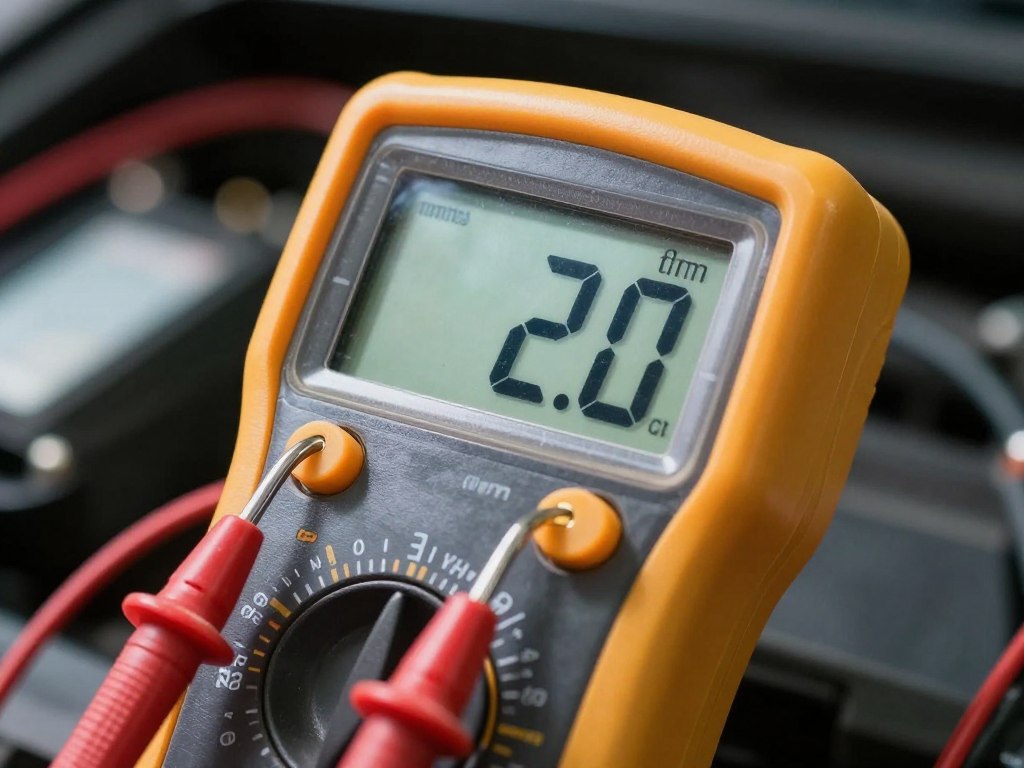
A digital multimeter represents your most important tool. It measures resistance accurately. Look for meters with 0.1-ohm precision. Auto-ranging models simplify measurements. The device helps verify resistor values before installation.
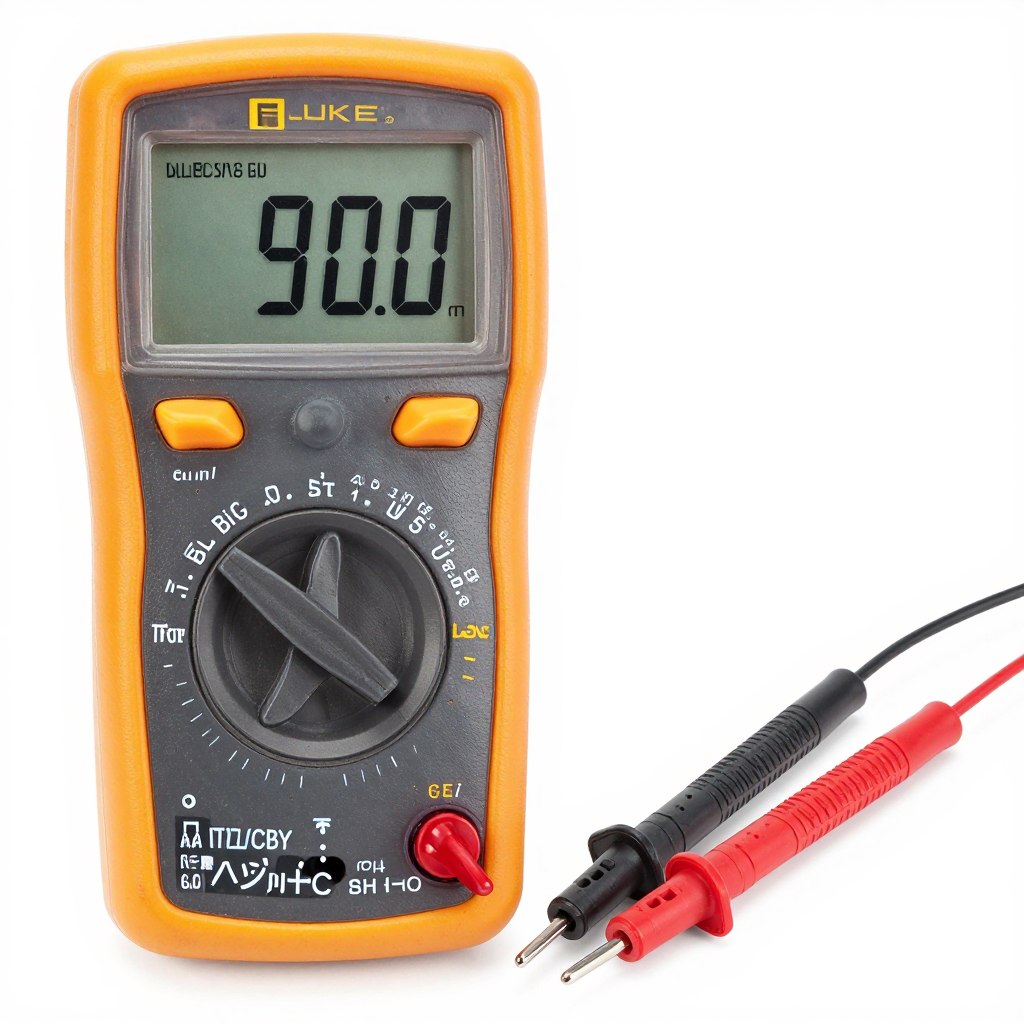
Digital Multimeter
Professional-grade meters provide accurate readings. They measure resistance, voltage, and continuity. Auto-ranging features simplify operation. Backlit displays help in dim engine compartments. Quality meters last for years of automotive work.
- Resistance measurement to 0.1 ohm
- Auto-ranging capability
- Continuity testing function
- Durable construction
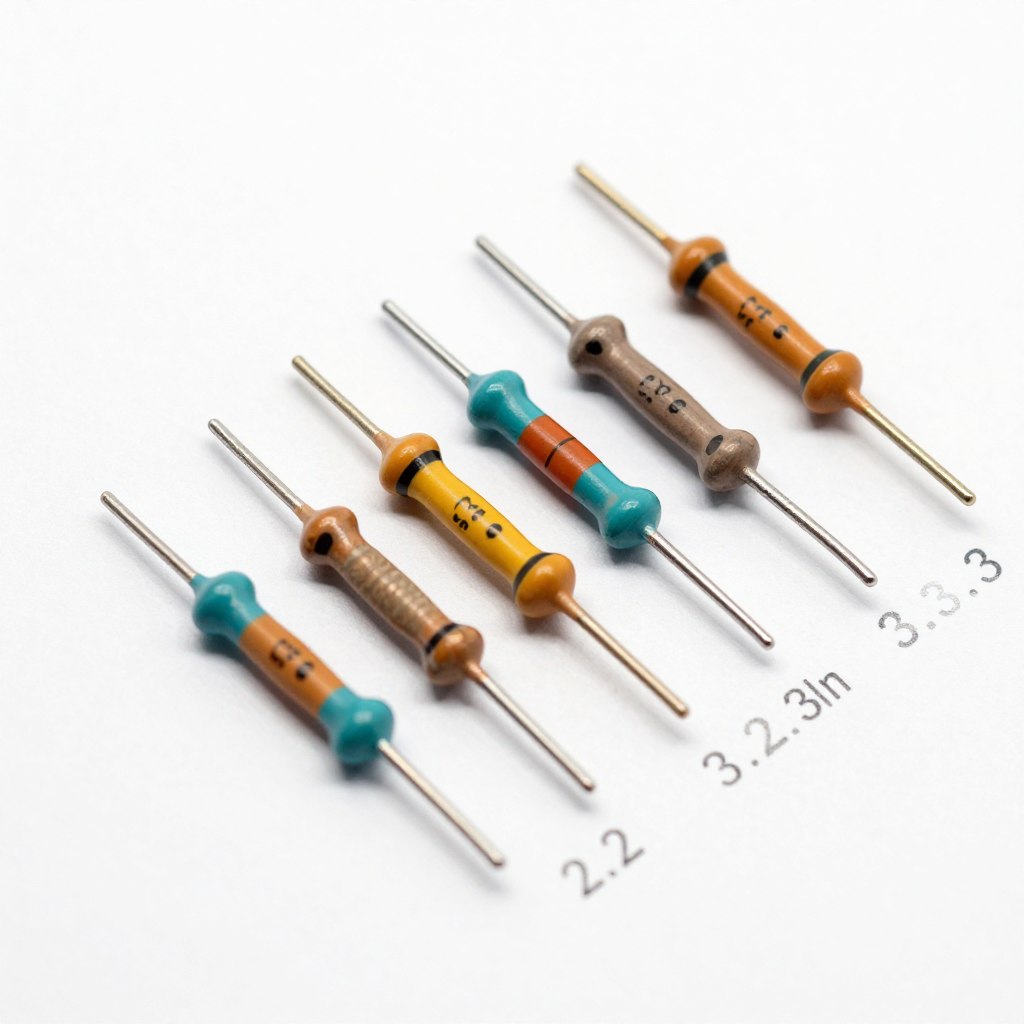
Airbag Resistors
High-precision resistors match airbag specifications. Metal film types offer better accuracy than carbon. Power rating should exceed one watt. Temperature stability prevents resistance drift. Buy from reputable electronics suppliers.
- 2.2 to 3.3 ohm values typical
- 1-2 watt power rating minimum
- 1% tolerance or better
- Metal film construction
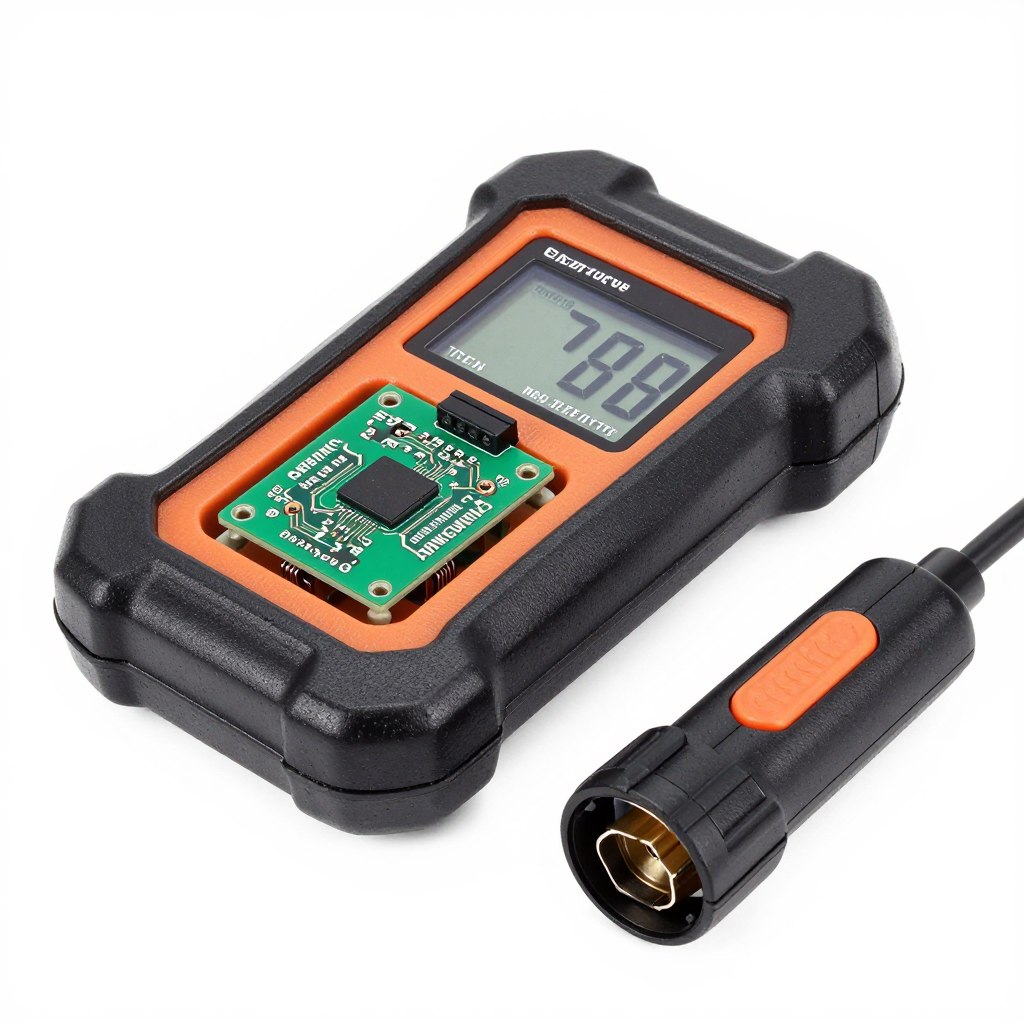
Airbag Emulator Module
Pre-built emulators offer plug-and-play solutions. They contain properly matched resistors. Some include additional circuit protection. LED indicators show operation status. These units simplify installation considerably.
- Vehicle-specific applications
- Built-in circuit protection
- Status indicator lights
- Professional reliability
Electrical Connection Supplies
Quality connectors ensure reliable electrical contact. Heat shrink tubing protects connections from moisture. Marine-grade wire resists corrosion. Proper crimping tools make secure terminations. Never use twist-and-tape connections for safety systems.
| Item | Specification | Purpose | Quantity |
| Wire Connectors | Insulated butt connectors, 18-22 gauge | Secure wire joining | 6-8 pieces |
| Heat Shrink Tubing | 3:1 ratio, adhesive-lined | Waterproof insulation | 12 inches |
| Electrical Tape | Professional grade vinyl | Additional protection | 1 roll |
| Wire Strippers | Adjustable 10-22 gauge | Clean wire preparation | 1 tool |
| Crimping Tool | Ratcheting type | Professional connections | 1 tool |
Safety and Documentation Items
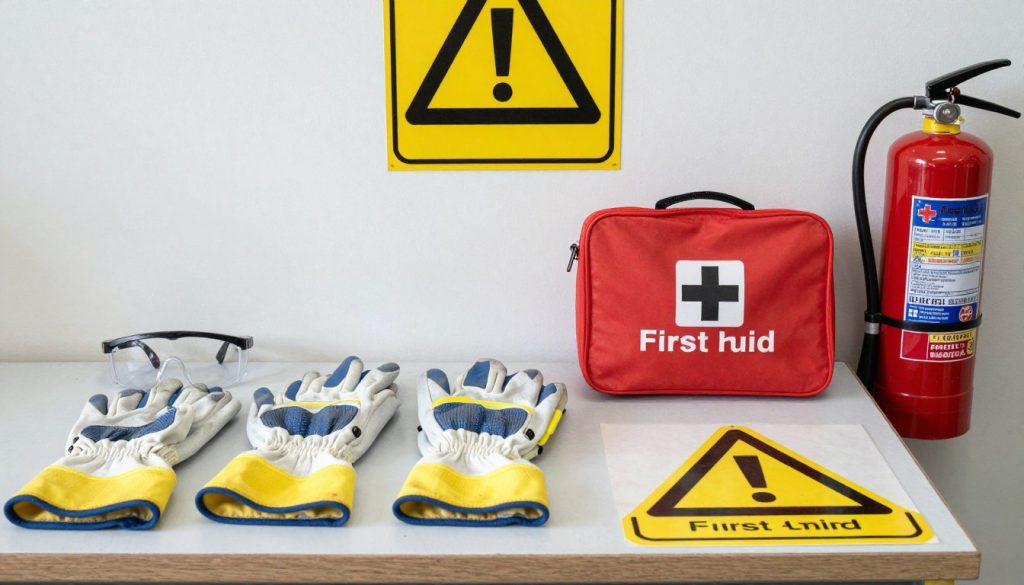
Personal protective equipment prevents injury. Safety glasses protect your eyes from debris. Electrical gloves insulate against shocks. Work gloves prevent cuts from sharp parts. Keep your vehicle service manual nearby for reference.
Your vehicle’s factory service manual contains vital information. It shows connector locations and wiring colors. Resistance specifications appear in diagnostic sections. Online forums provide additional model-specific details. Take notes about your specific vehicle before starting work.
Pro Tip: Test your multimeter accuracy before use. Measure a known-value resistor first. This verification ensures your readings will be correct. Inaccurate measurements lead to installation problems and persistent warning lights.
Step-by-Step Bypass Airbag With Resistor Instructions
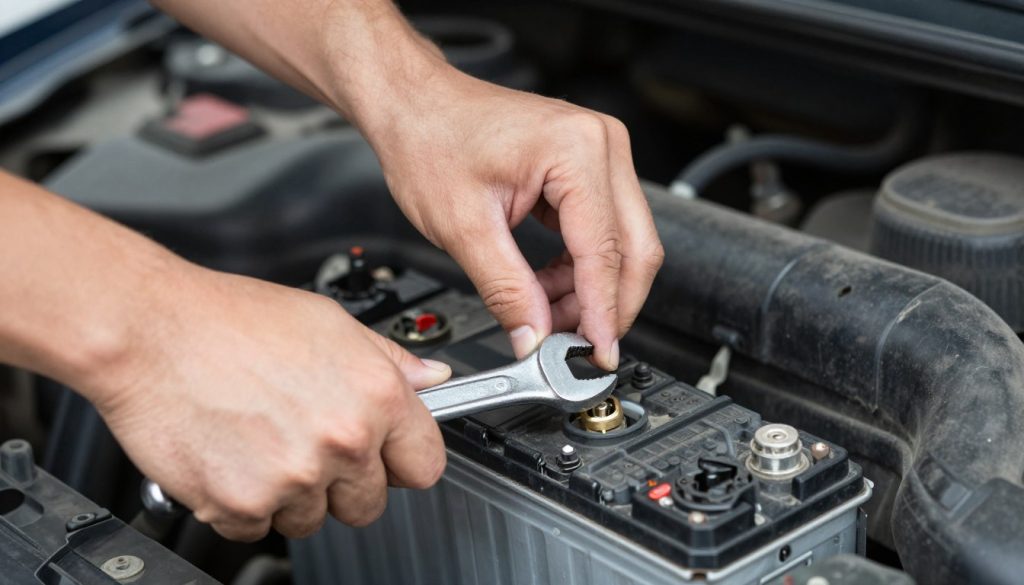
Follow these steps carefully. Rushing creates mistakes. Take your time at each stage. Document your work with photos. This helps during reassembly. Safety must remain your primary concern throughout the entire process.
Preparation and Safety Steps
- Disconnect the Battery: Remove the negative battery cable first. This prevents accidental airbag deployment. Use a wrench to loosen the terminal. Pull the cable away from the battery post. Secure it so it can’t touch the terminal accidentally.
- Wait 15 Minutes: Airbag systems store electrical charge. Capacitors hold power even after battery disconnection. Waiting allows complete discharge. This waiting period is critical for your safety. Do not skip this step under any circumstances.
- Locate Service Information: Find your vehicle’s airbag connector location. Check the service manual for specifics. Note the wire colors for your model. Document resistance specifications. Write down connector pin positions.
- Prepare Work Area: Choose good lighting for detailed work. Lay out all tools within reach. Keep a clean workspace. Place removed parts in labeled containers. This organization prevents lost components.
Accessing the Airbag Connector
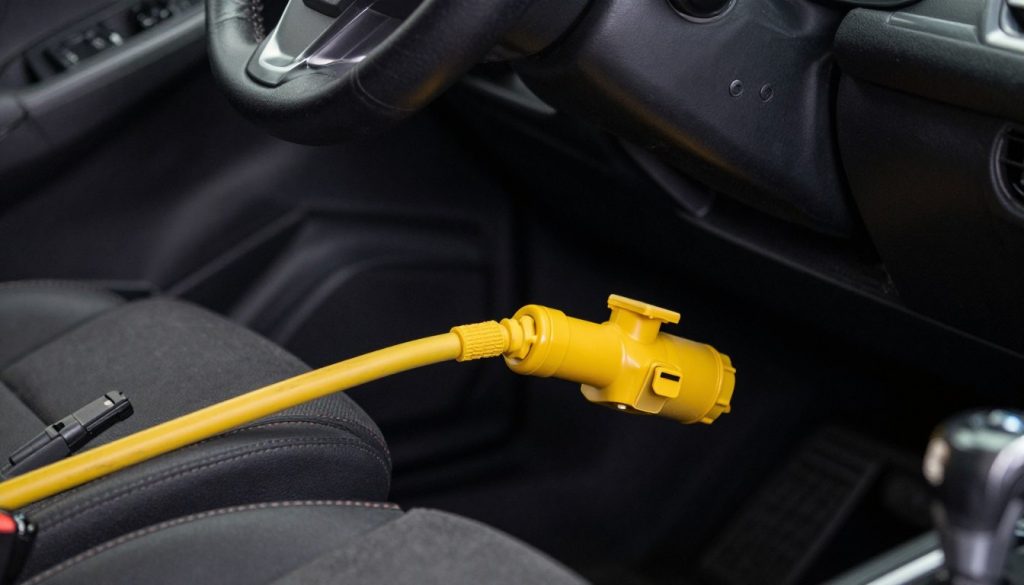
Airbag connectors use bright yellow color for identification. They’re located near the affected airbag. Steering wheel airbags connect under the dashboard near the column. Seat airbags connect under the seat frame. Side curtain connections hide behind trim panels.
- Remove Access Panels: Take off necessary trim pieces carefully. Pry clips gently to avoid breakage. Keep track of all fasteners. Steering column covers usually require screwdriver removal. Seat panels may use push clips or bolts.
- Identify the Connector: Look for yellow connectors with safety locks. They differ from regular electrical connectors. A secondary locking tab provides extra security. Don’t force anything during this process. Gentle pressure releases properly designed locks.
- Release Safety Lock: Slide the secondary lock to the open position. This yellow or red tab must move first. Then press the primary connector release. The connector separates with moderate pressure. Damaged locks require replacement parts.
Testing and Installing Resistor
Accurate resistance measurement prevents problems. Your multimeter must show reliable readings. Test the resistor before installation. Verify values match your vehicle specifications. This confirmation step takes only minutes but prevents hours of troubleshooting.
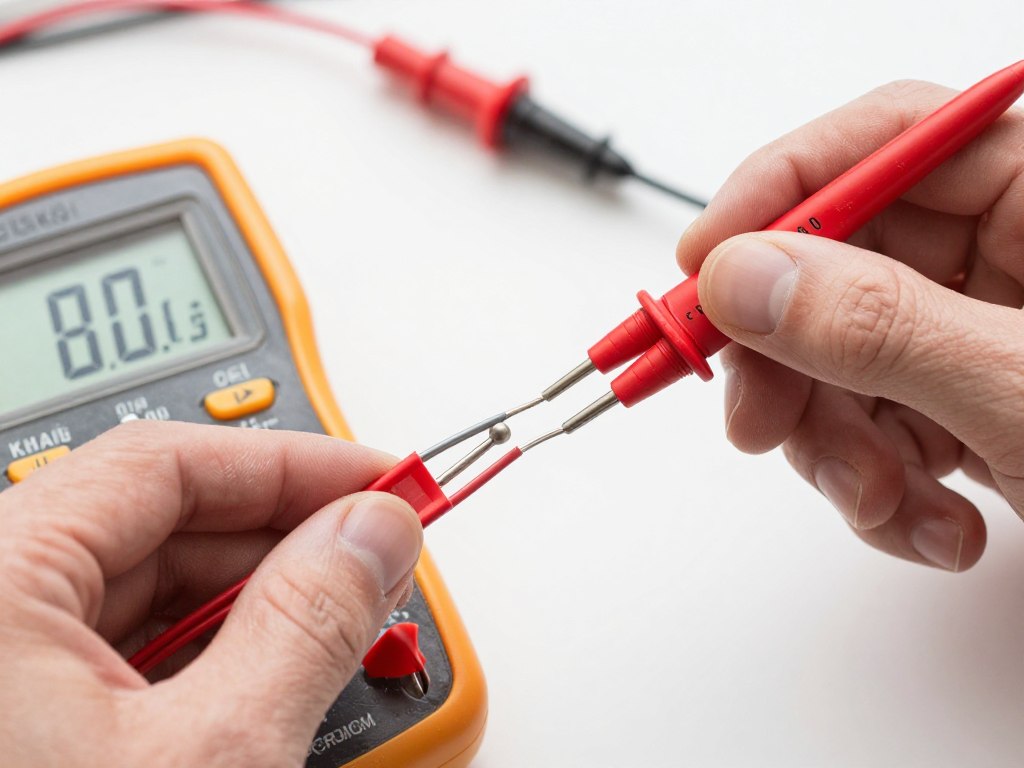
- Measure Original Circuit: Set multimeter to resistance mode. Touch probes to connector pins. Note the reading from the actual airbag. This confirms proper meter operation. Write down this baseline value.
- Test Resistor Value: Measure your replacement resistor carefully. Compare reading to specifications. Values should match within 0.1 ohms. Discard resistors with incorrect values. Quality resistors show consistent readings.
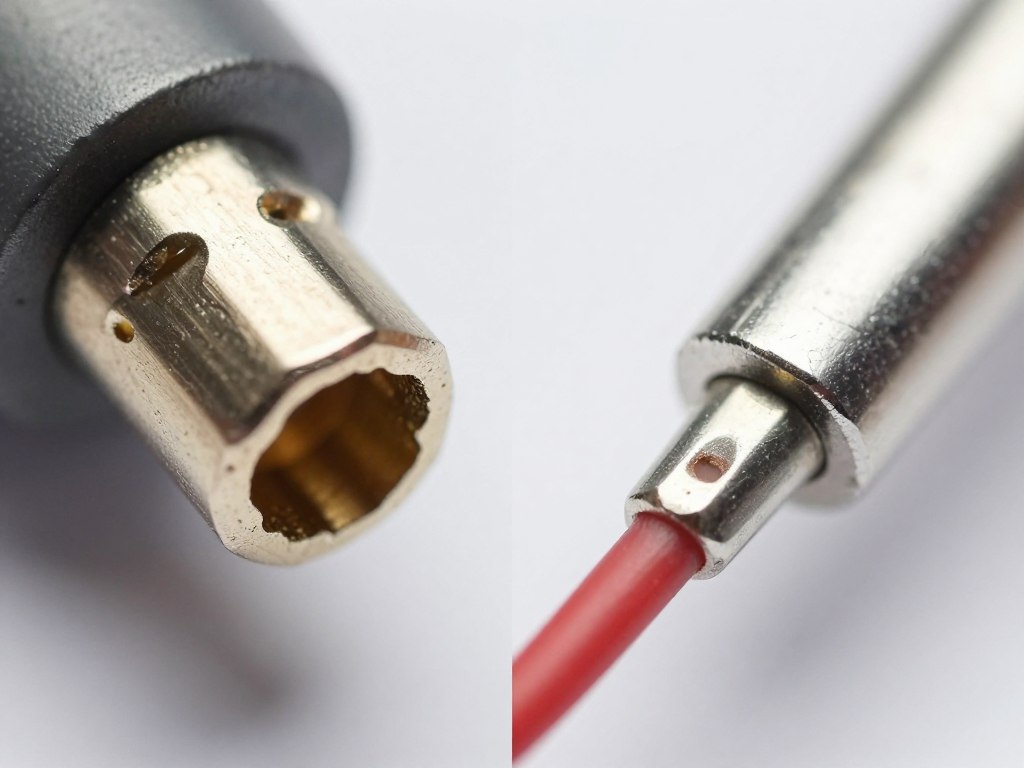
- Prepare Resistor Connections: Strip wire ends carefully if using loose resistors. Slide heat shrink tubing onto wires first. Make secure crimp connections. Apply heat to shrink tubing. Test your work by tugging gently on connections.
- Install Resistor in Circuit: Connect resistor leads to appropriate pins. Match wire colors if applicable. Ensure solid contact with connector pins. Some installations use dummy connectors. Others require direct wiring to the harness side.
- Secure Connections: Wrap connections with electrical tape. Route wires away from moving parts. Avoid hot engine components. Secure with zip ties if needed. Loose wires cause intermittent problems later.
System Testing and Verification
Proper testing confirms successful installation. Your work isn’t complete until verification finishes. Multiple tests catch potential problems. Address any issues before final reassembly. Thorough checking prevents repeat work later today.
- Measure Final Resistance: Check resistance across the complete circuit. Your reading should match the resistor value. Infinite resistance indicates poor connection. Zero resistance suggests a short circuit. Correct any problems before proceeding.
- Reconnect Battery: Attach the negative cable securely. Tighten the terminal properly. Don’t overtighten and damage threads. Check that cable won’t slip off. This reconnection restores vehicle power.
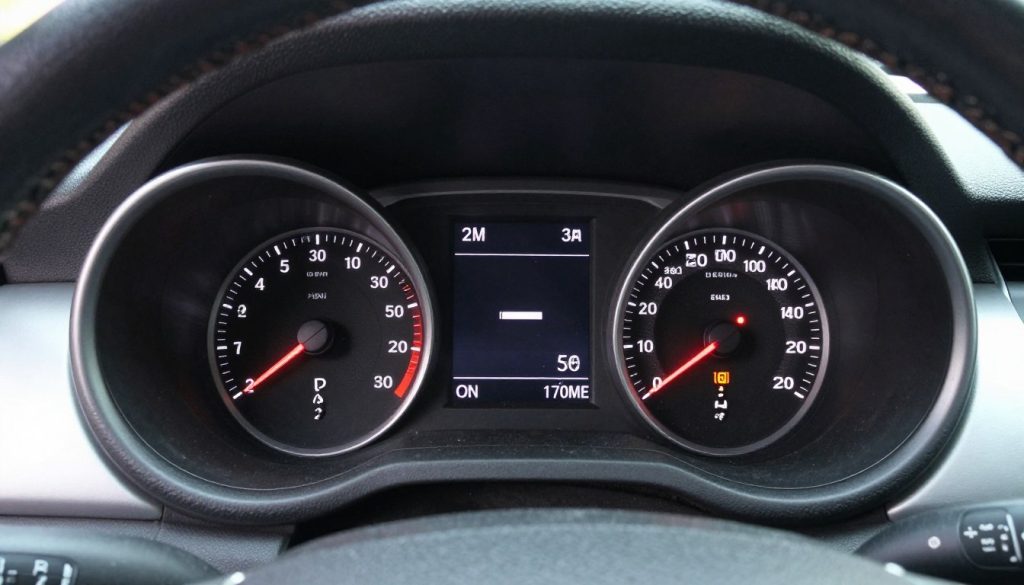
- Turn Ignition to ON: Don’t start the engine yet. Wait in ON position. Watch the airbag light carefully. It should illuminate briefly then extinguish. This indicates normal system operation. A steady light means additional work is needed.
- Check for Fault Codes: Use an OBD2 scanner if available. Read any stored diagnostic codes. Clear codes if the light is off. Some vehicles require code clearing. The computer may need several drive cycles to fully accept changes.
- Reinstall Panels: Replace trim pieces in reverse order. Snap clips firmly into place. Tighten all screws properly. Ensure everything fits correctly. Loose panels rattle annoyingly during driving.
Critical Note: If the warning light remains on after installation, do not drive the vehicle. Recheck all connections immediately. Verify resistor values again. Consult professional help if problems persist. Continuing with a lit warning light indicates system problems.
Troubleshooting Common Problems and Issues
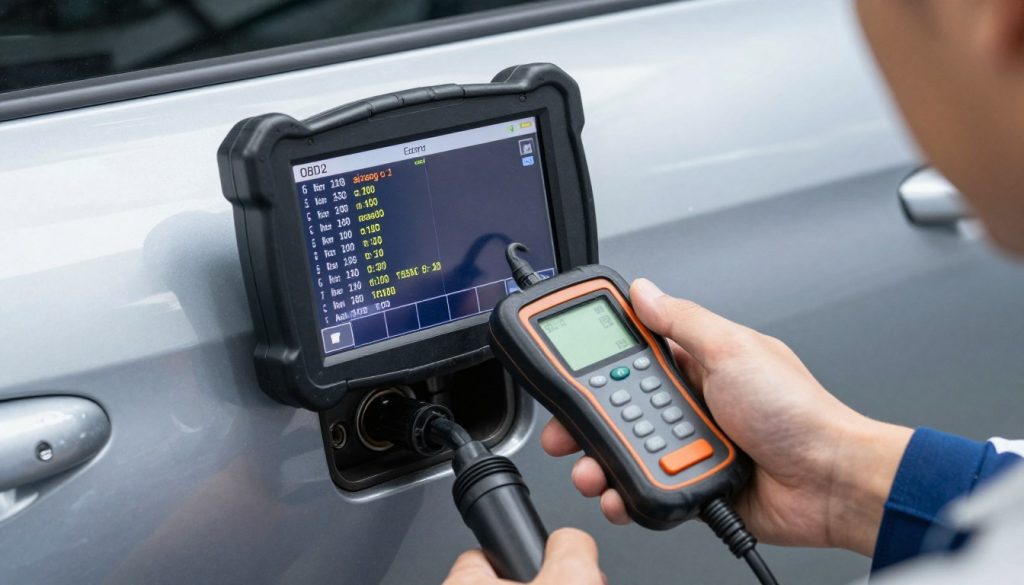
Problems sometimes occur despite careful work. Understanding common issues speeds resolution. Most problems stem from incorrect values or poor connections. Systematic troubleshooting identifies root causes. Patience and methodical checking solve most difficulties.
Warning Light Stays Illuminated
A persistent warning light indicates system rejection. The computer detects incorrect resistance. Connection quality affects readings significantly. Temperature changes alter resistance slightly. Circuit problems prevent proper simulation.
Possible Causes
- Incorrect resistor value installed
- Poor electrical connections
- Damaged wiring in circuit
- Loose connector pins
- Wrong connector pins used
- Additional system faults present
- Computer requires reset procedure
Solutions to Try
- Verify resistor value with multimeter
- Check all connection points
- Inspect wires for damage
- Ensure proper pin contact
- Confirm correct circuit identification
- Scan for additional fault codes
- Perform computer reset procedure
Intermittent Warning Light
Lights that turn on and off indicate loose connections. Vibration causes intermittent contact. Wire routing near moving parts creates problems. Temperature cycling affects marginal connections. These issues frustrate owners but have clear solutions.
Inspect all solder joints if you made custom connections. Look for wire strands not fully inserted in connectors. Check that heat shrink tubing covers bare connections completely. Wiggle wires while monitoring the light. Movement that triggers the light reveals problem areas.
Multiple Fault Codes Present
Some vehicles store multiple airbag codes. Each code requires individual attention. Clearing one code may reveal others. Your scan tool displays all stored problems. Address them systematically for complete resolution.
The airbag computer prioritizes fault detection. It may show only the first problem detected. After fixing that circuit, the computer completes its full diagnostic routine. Previously hidden faults then become visible. This cascading discovery is normal system behavior.
Immediate code clearing requires a scan tool. Some vehicles self-clear after successful system checks. This process needs several complete key cycles. Drive the vehicle for 10-15 minutes. Allow the computer to run full diagnostics. Patient waiting lets automatic clearing complete.
Resistance Readings Don’t Match
Measurement discrepancies create confusion. Your multimeter may show different values than expected. Several factors affect readings. Understanding these variables helps interpret results accurately.
Temperature affects resistance values slightly. Cold resistors read differently than warm ones. Lead resistance adds to measurements. Long test lead wires introduce error. High-quality meters compensate for these factors automatically.
| Problem | Symptom | Quick Fix |
| Reading too high | Shows 5+ ohms instead of 2-3 | Check for poor connections or corrosion |
| Reading too low | Shows less than 1 ohm | Verify correct resistor, check for shorts |
| Infinite resistance | Meter shows OL or dashes | Connection completely broken, rewire circuit |
| Fluctuating reading | Value changes continuously | Intermittent contact, secure all connections |
Vehicle-Specific Complications
Different manufacturers use varying systems. European vehicles often employ complex networks. CAN bus communication adds layers of complexity. Some cars require dealer-level programming. Research your specific model before starting work.
Older vehicles use simple circuits. They accept resistor bypasses easily. Newer models incorporate smart sensors. These advanced systems detect simulation attempts. Professional diagnostic equipment becomes necessary for modern cars with sophisticated computer systems.
Professional Alternatives to DIY Bypassing

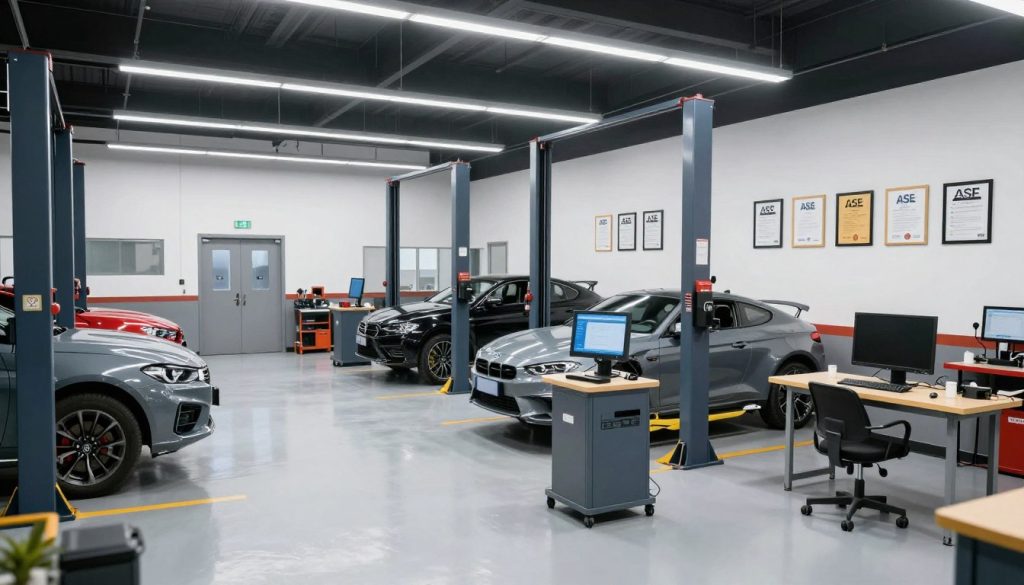
Professional service offers significant advantages. Trained technicians understand system complexities. They use manufacturer diagnostic tools. Proper repair restores full safety functionality. Legal compliance remains intact with professional work.
Certified Repair Services
ASE-certified technicians receive specialized training. They understand airbag system operation thoroughly. Diagnostic equipment accesses proprietary computer codes. Repair procedures follow manufacturer specifications exactly. This expertise ensures correct problem resolution.
Dealership service departments have model-specific knowledge. They access technical service bulletins regularly. Software updates fix known system bugs. Warranty coverage may apply to recent vehicles. Parts availability is never an issue at dealer locations.
DIY Resistor Bypass
- Lower immediate cost
- Complete control over work
- Learn vehicle systems
- Flexible scheduling
- Voids warranties
- Legal liability risks
- No safety protection
- May cause additional problems
- Limited diagnostic ability
Professional Repair
- Restores full safety function
- Maintains warranty coverage
- Legal compliance assured
- Expert diagnosis included
- Proper repair documentation
- Insurance accepted
- Guaranteed workmanship
- Access to OEM parts
- Software updates applied
Temporary Solutions
- Quick diagnostic aid
- Testing assistance
- Time to save money
- Research repair options
- Not permanent fix
- Still lacks protection
- Plan proper repair
- Budget for service
- Schedule appointment soon
When Professional Help is Mandatory
Certain situations absolutely require expert assistance. Modern vehicle complexity exceeds DIY capabilities. Safety-critical systems demand proper handling. Legal requirements restrict amateur work in many areas.
- Vehicles with active lane keeping
- Cars equipped with pre-collision systems
- Models using CAN bus networking
- Recent model year vehicles
- Vehicles under warranty
- Cars driven on public roads
- Family vehicles carrying passengers
- Fleet or commercial vehicles
Professional Service Benefits
Expert technicians diagnose root causes accurately. They repair actual problems rather than masking symptoms. Your vehicle maintains full safety protection. Documentation proves proper repair for insurance and resale purposes. Peace of mind comes from knowing the job was done right.
Cost Comparison Considerations
Professional repair costs vary by problem type. Simple sensor replacement runs a few hundred dollars. Extensive wiring repair costs more. Airbag module replacement represents significant expense. Compare these costs against bypass risks honestly.
Insurance may cover accident-related damage. Warranty provisions apply to defective parts. Extended warranties often include electrical systems. Check your coverage before paying out of pocket. Many policies reduce financial burden substantially.
Racing and Off-Road Applications
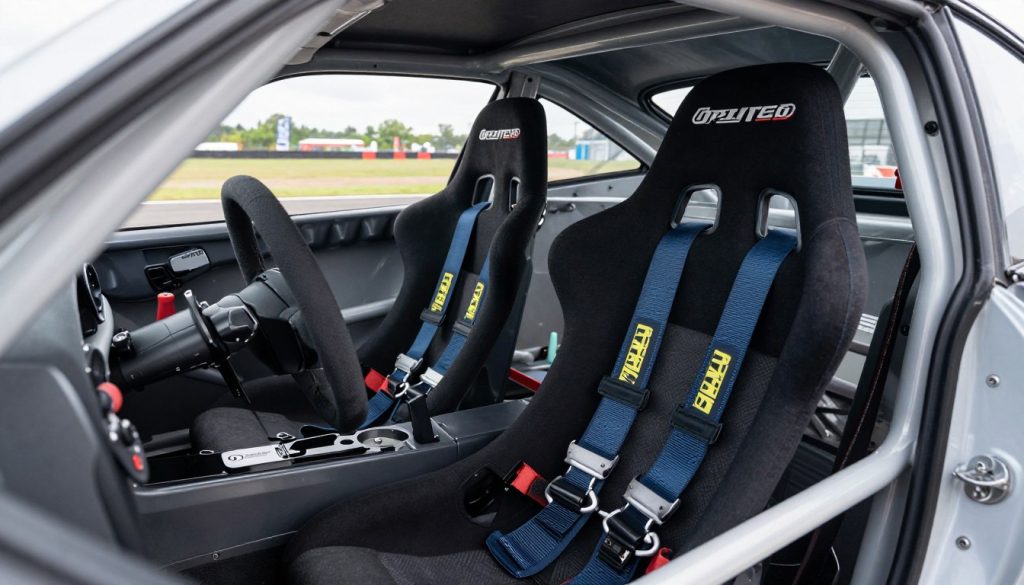
Competition vehicles have different requirements. Racing sanctioning bodies set safety rules. Roll cages and harnesses replace airbags properly. Dedicated race cars don’t need street equipment. This represents appropriate bypass usage.
Off-road vehicles modified for extreme use follow similar logic. Rock crawlers remove doors and roofs. Trail rigs add aftermarket seats. These modifications make airbag retention impractical. Document the vehicle’s purpose clearly for legal protection.
Understanding Legal Compliance and Regulations
Federal law governs airbag requirements strictly. The National Highway Traffic Safety Administration sets standards. Tampering with safety equipment violates multiple regulations. State laws add additional restrictions. Understanding these rules prevents legal problems.
Federal Regulations Overview
Federal Motor Vehicle Safety Standard 208 mandates airbags. Manufacturers must install these systems. Vehicle owners technically own their cars. However, public road use triggers regulatory requirements. The distinction between ownership and usage rights matters legally.
Selling a modified vehicle creates seller liability. Failure to disclose safety modifications constitutes fraud. Buyers can sue for damages after accidents. Criminal charges may apply in serious cases. Documentation of modifications provides some legal protection but doesn’t eliminate risk entirely.
State and Local Laws
Individual states regulate vehicle safety differently. Some states require annual safety inspections. Others use emissions-only testing. Inspection stations check airbag functionality. Disabled systems cause automatic inspection failure. Registration renewal becomes impossible without passing inspection.
Legal Consequences
Violations carry various penalties. Fines range from hundreds to thousands of dollars. Points may be added to driving records. Vehicle registration can be suspended. Insurance companies may cancel policies. Accident liability increases dramatically with disabled safety systems.
Insurance Implications
Policies require disclosure of modifications. Undisclosed changes void coverage. Claims get denied after accident investigation. Premium increases follow disclosure. Some insurers refuse coverage entirely. Racing or off-road policies cost more but cover modifications.
Liability in Accident Scenarios
Accident liability changes with disabled airbags. Injury severity increases without protection. Other parties may sue for damages. Your modifications contributed to injuries. Courts view tampering unfavorably. Settlements and judgments become much larger. Personal bankruptcy becomes possible after major accidents.
Criminal charges can result from passenger injuries. Family members can sue the vehicle owner. Wrongful death lawsuits devastate families financially. These extreme outcomes happen in real cases. The risk far exceeds any modification benefits for street-driven vehicles.
Critical Legal Warning
Consult an attorney before modifying safety systems. Legal advice specific to your situation and location matters. General information doesn’t replace professional legal counsel. Protect yourself from liability through proper guidance. Document everything if you proceed despite warnings.
Exceptions and Legitimate Uses
Race cars registered for track use only avoid most restrictions. Vehicles never operated on public roads have fewer requirements. Agricultural equipment follows different rules. Military vehicles have exemptions. Historical vehicle restoration sometimes permits period-correct configurations. Off-road recreation vehicles registered appropriately may qualify for exceptions.
Documentation proves legitimate use. Bills of sale showing race car purchase help. Track membership records demonstrate usage patterns. Trailer registration shows transport methods. Build receipts indicate purpose-built construction. Maintain thorough records of vehicle purpose and usage.
Frequently Asked Questions About Airbag Bypass
Is bypassing an airbag with a resistor illegal?
Federal law doesn’t explicitly prohibit owners from modifying their vehicles. However, state laws vary significantly. Most states require functional safety equipment on public roads. Vehicle inspection programs test airbag systems. Failing inspection prevents registration renewal. Additionally, insurance policies require disclosure of modifications. Operating a modified vehicle without disclosure voids coverage. For off-road or race-only vehicles, restrictions may not apply. Always check local regulations and consult legal counsel before proceeding.
What resistance value do I need for my specific vehicle?
Most vehicles use 2.2 to 3.3-ohm resistors for airbag circuits. However, specifications vary by manufacturer and model. European cars sometimes require different values. Measure your original airbag circuit with a multimeter for accuracy. Consult factory service manuals for exact specifications. Online forums for your specific vehicle model often provide confirmed values. Using incorrect resistance causes persistent warning lights. Your vehicle computer rejects values outside acceptable ranges. Always verify before purchasing resistors.
How long does the bypass installation take?
A simple steering wheel airbag bypass takes 30-45 minutes for experienced individuals. This includes battery disconnection, waiting period, connector access, and testing. More complex installations require additional time. Seat airbag access may need an hour or more. Side curtain airbags involve extensive trim removal. First-time attempts always take longer than expected. Allow extra time for careful work and verification. Rushing creates mistakes that require repeat work. Plan at least two hours for your first attempt.
Will bypassing affect my vehicle’s resale value?
Yes, modifications significantly impact resale value negatively. Buyers fear hidden problems and liability issues. Dealers typically refuse modified vehicles as trade-ins. Private buyers demand steep discounts for safety concerns. Documentation of professional restoration helps somewhat. However, vehicle history reports may flag modifications permanently. Racing vehicles maintain value within motorsports communities. Street cars lose substantial value with disabled safety systems. Consider this financial impact before proceeding with any modifications.
Can I pass vehicle inspection with a bypassed airbag?
This depends entirely on your location and inspection requirements. States with comprehensive safety inspections test airbag functionality. The inspection computer reads diagnostic codes. Bypassed systems show as functional in simple tests. However, advanced diagnostic checks detect simulated circuits. Many modern inspection systems identify resistor bypasses specifically. Emissions-only inspection states don’t check safety equipment. Rural areas may have less stringent requirements. Research your specific state and county inspection protocols before modifying your vehicle.
What happens if my bypassed airbag causes injury in an accident?
Legal liability becomes severe in this scenario. You face personal injury lawsuits from passengers. Insurance companies deny claims for undisclosed modifications. Criminal negligence charges may apply if injuries are serious. Your assets become vulnerable to judgments and settlements. Family members can sue the vehicle owner successfully. Wrongful death suits devastate families financially and emotionally. These aren’t theoretical risks but actual legal outcomes. The potential consequences far outweigh any perceived benefits of bypassing safety systems on vehicles used on public roads.
Making the Right Decision for Your Safety
Understanding how to bypass airbag with resistor provides technical knowledge. This information serves specific legitimate purposes. Racing applications and dedicated off-road vehicles represent appropriate use cases. However, street-driven vehicles require different consideration entirely.
Safety systems protect lives during accidents. Statistics prove airbag effectiveness repeatedly. Thousands of lives are saved each year by these devices. Your family and passengers depend on functional safety equipment. The few minutes saved during modifications can’t justify the potential consequences.
Legal compliance matters for multiple reasons. Inspection requirements prevent registration renewal. Insurance policies become void without disclosure. Liability exposure increases dramatically after accidents. Financial devastation follows serious injury cases. These real-world consequences affect actual vehicle owners today.
When Bypass May Be Appropriate
- Track-only race cars never driven on streets
- Purpose-built competition vehicles
- Off-road recreational vehicles used exclusively on private property
- Temporary diagnostic testing by professionals
- Vehicle conversions for dedicated racing use
- Situations with proper legal documentation and insurance
When Professional Repair is Mandatory
- Daily driver vehicles used on public roads
- Family cars carrying passengers regularly
- Vehicles under manufacturer warranty
- Cars in states requiring safety inspections
- Any vehicle without specialized insurance coverage
- Situations prioritizing safety over cost savings
Professional repair restores full functionality. Certified technicians diagnose actual problems correctly. They access manufacturer diagnostic equipment and information. Proper repairs maintain warranty coverage and legal compliance. Insurance accepts professional documentation readily. Your safety remains intact with expert service.
The decision ultimately rests with vehicle owners. Weigh all factors carefully before proceeding. Consider family safety first and foremost. Evaluate legal exposure honestly. Calculate true financial costs including liability. Make informed choices based on complete information rather than cost alone.