The LS engine swap has become a popular project among engine enthusiasts, offering a unique blend of performance and reliability. This complex process requires meticulous planning and execution.
A well-planned approach is crucial for a successful LS engine swap. Engine enthusiasts must consider several factors, including the vehicle’s compatibility, the engine’s specifications, and the necessary tools.
By following a step-by-step guide, enthusiasts can navigate the intricacies of the swap, ensuring a smooth transition and optimal performance.
Key Takeaways
- Understand the complexity of the LS engine swap process
- Plan the swap according to the vehicle’s specifications
- Choose the right tools for the job
- Consider compatibility and performance factors
- Follow a step-by-step guide for a successful swap
Understanding LS Engines and Their Swap Popularity
With their robust design and impressive specs, LS engines have gained immense popularity among car enthusiasts. The LS engine’s versatility, performance, and reliability make it an ideal candidate for engine swaps.
What Makes LS Engines Desirable for Swaps
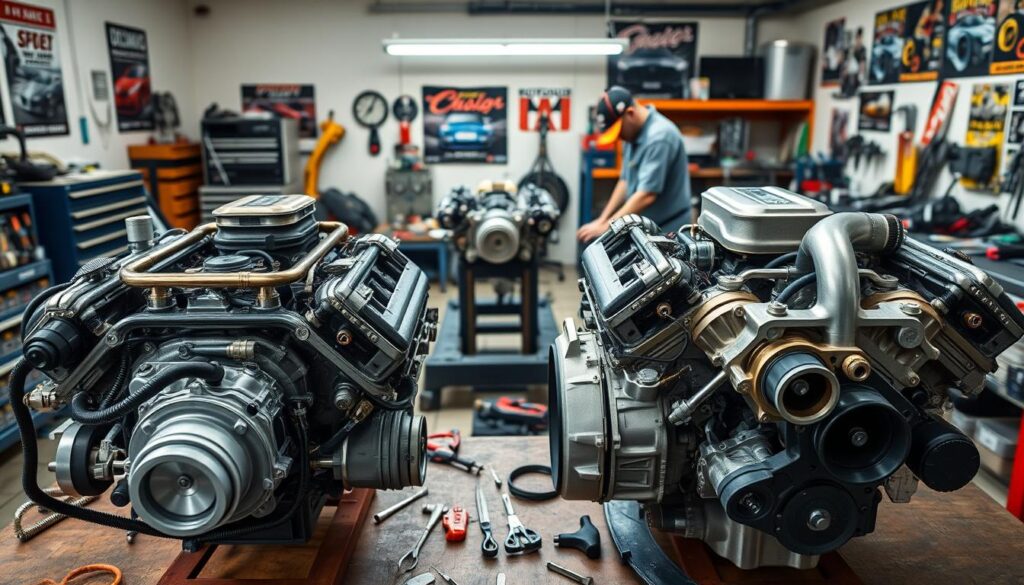
LS engines are highly sought after for swaps due to their lightweight design, high power output, and extensive aftermarket support. Their compact architecture allows for easier installation in a variety of vehicles, making them a favorite among engine swap enthusiasts.
The reliability and durability of LS engines also contribute to their desirability. Many LS engines are known for their ability to withstand high-performance tuning and modifications, making them a great choice for those looking to upgrade their vehicle’s performance.
Common LS Engine Variants and Their Specifications
There are several variants of LS engines, each with its unique specifications and performance characteristics. Some of the most common variants include the LS1, LS2, LS3, and LS7.
| Engine Variant | Displacement | Power Output | Torque Output |
|---|---|---|---|
| LS1 | 5.7L | 350-405 HP | 350-365 lb-ft |
| LS2 | 6.0L | 400-442 HP | 400-448 lb-ft |
| LS3 | 6.2L | 430-436 HP | 424-428 lb-ft |
| LS7 | 7.0L | 505 HP | 470 lb-ft |
Understanding the specifications of different LS engine variants is crucial for selecting the right engine for your swap project. Each variant has its strengths and weaknesses, and choosing the right one depends on your specific needs and goals.
Preparation and Planning for Your LS Engine Swap
Before diving into an LS engine swap, it’s crucial to prepare and plan your project meticulously. This phase is foundational to the success of your engine swap, ensuring that your vehicle is compatible with the LS engine and that you comply with all relevant regulations.
Assessing Your Vehicle’s Compatibility
The first step is to assess whether your vehicle is compatible with an LS engine swap. This involves checking the engine mounts, transmission compatibility, and the condition of the vehicle’s chassis. Compatibility is key to a smooth swap.
Setting a Realistic Budget and Timeline
Setting a realistic budget and timeline is vital. Consider the cost of the LS engine, additional parts, labor, and potential unforeseen expenses. A well-planned budget helps in avoiding financial strain during the project.
Creating a Detailed Project Plan
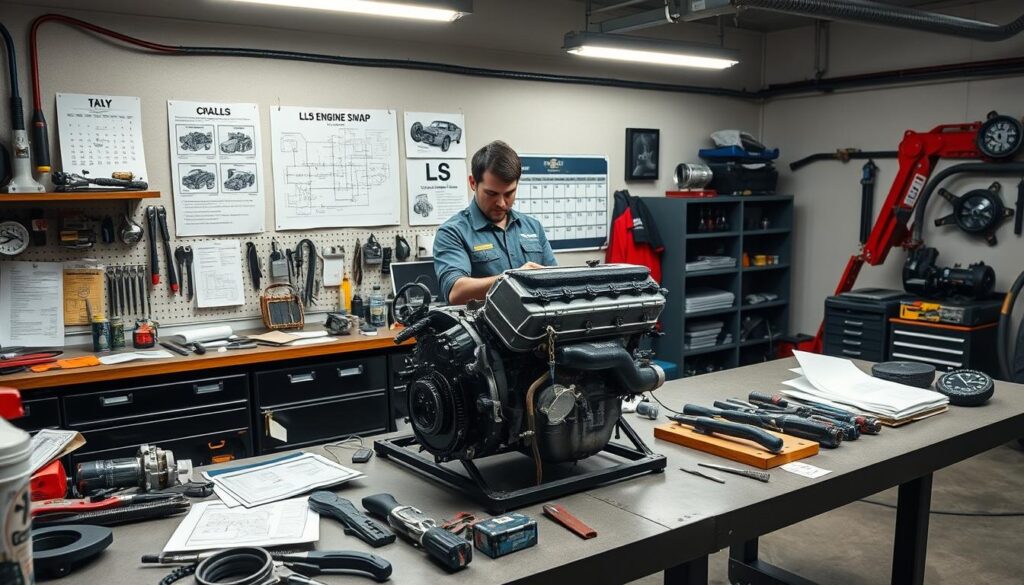
A detailed project plan outlines the steps involved in the engine swap, from removing the old engine to installing the LS engine. This plan should include timelines and milestones to keep the project on track.
Legal Considerations and Emissions Compliance
Understanding the legal considerations and ensuring emissions compliance are critical. Check local regulations regarding engine swaps and ensure your vehicle remains compliant with emissions standards.
| Aspect | Description | Importance Level |
|---|---|---|
| Vehicle Compatibility | Checking if the vehicle is compatible with the LS engine | High |
| Budget Planning | Setting a realistic budget for the engine swap | High |
| Project Timeline | Creating a timeline for the completion of the engine swap | Medium |
| Emissions Compliance | Ensuring the vehicle complies with emissions regulations post-swap | High |
Essential Tools and Parts for an LS Engine Swap
A well-prepared toolkit and the correct engine parts are the foundation of a successful LS engine swap. Having the right equipment not only simplifies the installation process but also ensures that the job is done correctly and safely.
Required Tools and Equipment
To undertake an LS engine swap, you’ll need a comprehensive set of tools. Essential tools include a socket set, wrenches, a transmission jack, and an engine hoist. Additionally, having a diagnostic scan tool can be invaluable for troubleshooting and tuning the engine post-installation.
- A comprehensive socket set and wrench set
- Transmission jack and engine hoist
- Diagnostic scan tool
- Torque wrench
Necessary Engine Components and Hardware
The LS engine series offers various models, each with its specifications. Necessary components include the LS engine block, cylinder heads, camshaft, and the appropriate engine management system. Ensuring compatibility between these components and your vehicle’s existing systems is crucial.
Optional Upgrades to Consider
While not mandatory, certain upgrades can enhance the performance and reliability of your LS engine swap. Optional upgrades include high-performance camshafts, upgraded fuel injectors, and a performance-tuned ECU. These upgrades can significantly improve the engine’s power output and efficiency.
- High-performance camshafts
- Upgraded fuel injectors
- Performance-tuned ECU
By carefully selecting the essential tools and parts, you can ensure a successful LS engine swap that meets your performance goals and provides a reliable driving experience.
How to Do an LS Engine Swap: A Step-by-Step Guide for Engine Enthusiasts
Embarking on an LS engine swap is a significant undertaking that requires meticulous planning and execution. This guide will walk you through the essential steps to ensure a successful installation.
Removing the Original Engine
The first step in the LS engine swap process is removing the original engine. This involves disconnecting the battery, draining fluids, and detaching all connected systems such as the exhaust, cooling, and fuel lines. It’s crucial to label and document all disconnected components to facilitate reassembly with the new engine. For complex transmissions like the 4L60E, understanding the removal process is vital; you can refer to detailed guides on how long it takes to remove a 4L60E to plan your swap effectively.
Preparing the Engine Bay
Once the original engine is removed, the next step is to prepare the engine bay for the LS engine. This includes cleaning the area, inspecting for any damage or wear, and making necessary modifications to accommodate the new engine. Ensure that all mounting points are clean and free of debris to secure a proper fit for the LS engine.
Mounting and Aligning the LS Engine
Mounting and aligning the LS engine correctly is critical for the success of the swap. Use the appropriate engine mounts and ensure that the engine is properly aligned with the transmission. This step may require adjustments to the engine bay or the use of custom mounts to achieve the correct positioning.
Connecting Fuel, Cooling, and Exhaust Systems
After the LS engine is mounted, connect the fuel, cooling, and exhaust systems. This involves routing fuel lines, connecting the radiator and coolant hoses, and installing an appropriate exhaust system. Each of these systems must be compatible with the LS engine and properly secured to prevent leaks or damage.
Wiring and ECU Installation
The final major step is wiring and ECU installation. The LS engine requires a compatible ECU and wiring harness. Ensure that all electrical connections are secure and correctly configured. The ECU must be programmed to match the engine’s specifications and the vehicle’s configuration. This step often requires specialized knowledge and tools, so consult a professional if necessary.
By following these steps and paying close attention to detail, you can achieve a successful LS engine swap that enhances your vehicle’s performance and reliability.
Testing, Tuning, and Troubleshooting Your LS Swap
The LS engine swap is just the beginning; the real challenge lies in testing, tuning, and troubleshooting to achieve peak performance. Ensuring that your new engine is properly tested and tuned is crucial for optimal performance and longevity.
Initial Startup Procedures
Before starting the engine, it’s essential to check all connections, including fuel, cooling, and electrical systems. Verify that the engine oil and coolant levels are adequate. During the initial startup, monitor the engine’s behavior closely for any signs of trouble, such as unusual noises or vibrations.
Key checks during startup: Oil pressure, coolant temperature, and electrical system functionality.
Engine Tuning Basics
Engine tuning is a critical step in optimizing your LS swap’s performance. This involves adjusting parameters such as fuel injection rates, ignition timing, and boost pressure (if applicable). Using a tuning platform or consulting a professional tuner can help achieve the best results.
Addressing Common Post-Installation Issues
Common issues after an LS swap include wiring problems, faulty sensor readings, and cooling system inefficiencies. Troubleshooting these issues requires a systematic approach, starting with diagnostic checks and potentially involving adjustments to the engine’s tuning parameters.
Common symptoms to watch for: Overheating, poor engine performance, and error codes on the dashboard.
Conclusion
A successful LS engine swap requires meticulous planning, precise execution, and thorough testing. By understanding the intricacies of LS engines and their variants, you can make informed decisions throughout the swap process.
The key to a seamless LS engine swap lies in careful preparation, including assessing your vehicle’s compatibility, setting a realistic budget, and creating a detailed project plan. Additionally, ensuring that you have the necessary tools and parts is crucial for avoiding unnecessary delays.
As you complete the swap, focus on testing, tuning, and troubleshooting to guarantee optimal performance and reliability. By following the steps outlined in this guide, you can achieve a successful LS engine swap that enhances your vehicle’s performance and overall driving experience.
In summary, a well-executed LS engine swap is a significant undertaking that requires patience, dedication, and attention to detail. By summarizing the key points and takeaways from this guide, you can confidently navigate the swap process and enjoy the benefits of your newly upgraded vehicle.
FAQ
What are the most common LS engine variants used for swaps?
The most common LS engine variants used for swaps are the LS1, LS2, LS3, LS6, and LQ9, each with its own unique specifications and performance characteristics.
How do I assess my vehicle’s compatibility with an LS engine swap?
To assess your vehicle’s compatibility, consider factors such as engine bay space, transmission compatibility, and the condition of the vehicle’s chassis and suspension.
What are the essential tools required for an LS engine swap?
Essential tools include a engine hoist, transmission jack, socket set, and various specialized tools for tasks such as wiring and ECU installation.
What are the key considerations for emissions compliance during an LS engine swap?
Key considerations include ensuring the new engine meets or exceeds the emissions standards of the original engine, and complying with local regulations regarding engine swaps.
How do I tune my LS engine after installation?
Engine tuning involves adjusting parameters such as fuel injection, ignition timing, and boost pressure to optimize performance and ensure the engine runs smoothly.
What are some common issues that may arise during or after an LS engine swap?
Common issues include wiring and ECU compatibility problems, cooling system issues, and difficulties with transmission integration.
Can I use a used LS engine for my swap, or should I opt for a new one?
Both used and new LS engines can be suitable for swaps, depending on factors such as budget, desired performance, and the condition of the used engine.
What are the benefits of upgrading to a high-performance ECU during an LS engine swap?
Upgrading to a high-performance ECU can provide benefits such as improved engine performance, increased flexibility for tuning, and enhanced diagnostic capabilities.
How long does a typical LS engine swap take to complete?
The time required to complete an LS engine swap can vary significantly, depending on factors such as the complexity of the swap, the availability of tools and parts, and the individual’s level of experience.