Properly functioning windshield wipers are crucial for driving safety, especially during adverse weather conditions. When wipers fail to make full contact with the windshield, it can lead to reduced visibility and increased risk of accidents. This issue is not only frustrating but also poses a significant safety concern.
The problem of wiper contact issues can arise even with newly installed wipers. Understanding the causes and finding effective solutions is essential for maintaining clear visibility while driving. This article will guide you through the steps to troubleshoot and fix the problem, ensuring your wipers are functioning correctly.
Key Takeaways
- Understanding the importance of proper wiper function for driving safety.
- Identifying common causes of wiper contact issues.
- Step-by-step guide to troubleshooting wiper problems.
- Effective solutions to fix wiper-related issues.
- Tips for maintaining your windshield wipers.
Understanding Why New Windshield Wipers Fail to Make Full Contact
Full contact between windshield wipers and the windshield is crucial for clear visibility during rain or snow. When new wipers fail to make full contact, it can be due to several reasons.
Common Causes of Poor Wiper Contact
Improper installation, wiper arm tension issues, and windshield curvature problems are common causes. Ensuring proper installation and checking the wiper arm tension can often resolve the issue.
Different Types of Contact Issues
Wiper contact issues can manifest in different ways, such as wipers making contact only in the middle, at the ends, or sporadically. Identifying the type of contact issue is key to finding a solution.
The Importance of Proper Wiper Contact for Driving Safety
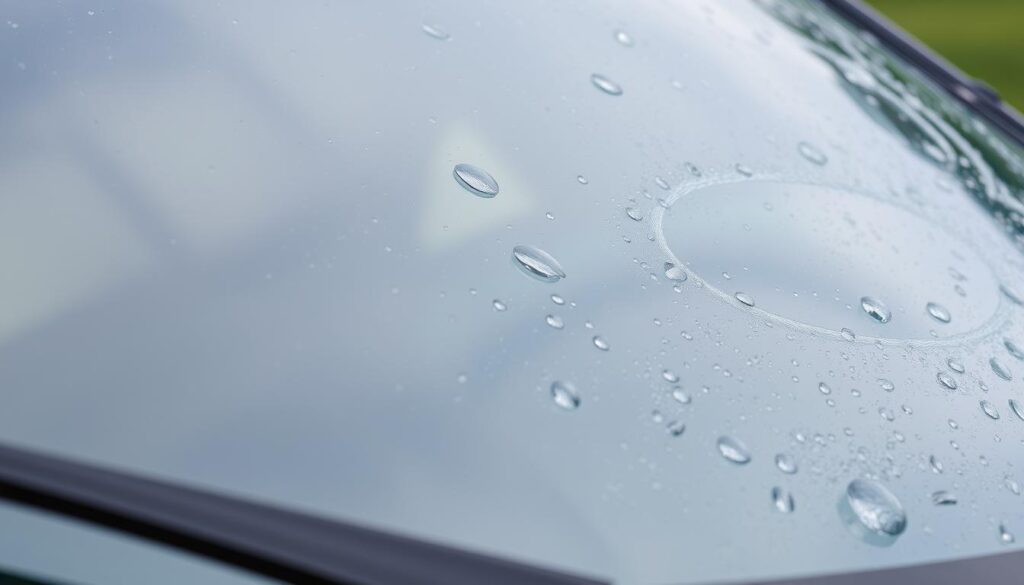
Proper wiper contact is essential for driving safety, especially during adverse weather conditions. Good contact ensures clear visibility, reducing the risk of accidents.
| Issue | Impact on Safety | Solution |
|---|---|---|
| Poor Wiper Contact | Reduced Visibility | Adjust Wiper Arm Tension |
| Improper Installation | Inconsistent Clearing | Reinstall Wiper Blades |
| Wiper Blade Damage | Ineffective Clearing | Replace Wiper Blades |
New Windshield Wipers Not Making Full Contact: Troubleshooting Tips
To resolve the problem of new windshield wipers not making full contact, start by checking a few critical factors. Effective troubleshooting can save time and ensure your windshield wipers function properly.
Checking for Packaging Materials and Protective Covers
Before diving into complex troubleshooting, inspect your new windshield wipers for any packaging materials or protective covers that might still be attached. Sometimes, these materials can interfere with the wiper’s performance. Remove any such covers and test the wipers again.
Inspecting Wiper Arm Tension
Wiper arm tension plays a crucial role in ensuring proper contact between the wiper blade and the windshield. If the tension is too low, the wiper may not make full contact. Check the wiper arm tension by gently pulling on the arm. If it feels too loose, you may need to adjust it.
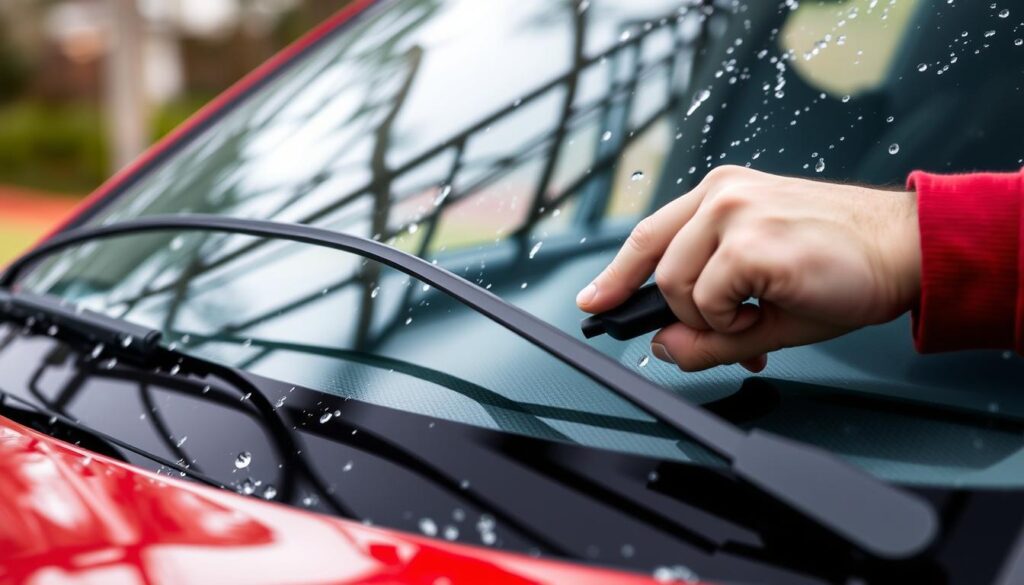
Examining Wiper Blade Curvature Issues
The curvature of the wiper blade is another critical factor. A wiper blade with the wrong curvature may not make proper contact with the windshield. Inspect the blade for any signs of incorrect curvature and consider replacing it if necessary.
Diagnosing Issues with Different Wiper Systems
Different vehicles have different wiper systems, and diagnosing issues can vary accordingly. For instance, some vehicles have traditional wiper arms, while others have more advanced beam-style wipers. Understanding your vehicle’s wiper system is key to effective troubleshooting.
| Wiper System Type | Common Issues | Troubleshooting Tips |
|---|---|---|
| Traditional Wiper Arms | Loose wiper arm tension, misaligned wiper arms | Adjust wiper arm tension, realign wiper arms |
| Beam-Style Wipers | Incorrect wiper blade curvature, debris accumulation | Inspect wiper blade curvature, clean debris from wiper blades |
Step-by-Step Fixes for Wiper Contact Problems
When new windshield wipers fail to make full contact, it’s essential to address the issue promptly to ensure clear visibility during driving. Poor wiper contact can lead to reduced visibility, especially during rain or snow, potentially compromising safety on the road.
Diagnosing the issue correctly is the first step towards a solution. Once you’ve identified the problem, you can proceed with the appropriate fix. Let’s explore the step-by-step solutions to common wiper contact issues.
Adjusting Wiper Arm Tension
One of the most common reasons for poor wiper contact is inadequate wiper arm tension. If the wiper arm is not pressing hard enough against the windshield, the wiper blade won’t make proper contact.
To adjust the wiper arm tension, gently pull the wiper arm away from the windshield. You should feel some resistance, but not so much that it’s difficult to move. If the tension feels too loose, you can try adjusting it by bending the wiper arm or tightening the nut that holds it in place.
Bending the Wiper Arm for Better Contact
Sometimes, the wiper arm itself may be bent or misaligned, preventing the wiper blade from making full contact with the windshield. Inspect the wiper arm for any visible bends or twists.
If you find any irregularities, you can try gently bending the wiper arm to adjust its angle. Be cautious not to apply too much force, as you don’t want to damage the arm or the mounting point.
Cleaning the Windshield Surface Thoroughly
A dirty or debris-covered windshield can significantly affect wiper performance. Ensure that your windshield is clean and free from contaminants like dirt, grime, or bug splatters.
Use a high-quality glass cleaner and a microfiber cloth to clean the windshield thoroughly. This simple step can often resolve issues with wiper contact and improve overall visibility.
Warming Up and Breaking In New Wiper Blades
New wiper blades may require a break-in period before they make full contact with the windshield. To expedite this process, you can try “warming up” the wiper blades.
One method is to turn on the windshield wipers and let them run for a few cycles. This can help the rubber blade conform to the windshield’s curvature more quickly.
Fixing Specific Contact Issues Based on Diagnosis
Different wiper contact issues may require specific fixes. Here’s a summary of common problems and their solutions:
| Issue | Solution |
|---|---|
| Wiper only contacts in the middle | Adjust wiper arm tension or bend the arm for better curvature |
| Wiper skips or streaks | Clean the windshield and wiper blades; check for damage |
| Wiper arm is loose | Tighten the wiper arm nut or replace the arm if necessary |
| Poor contact at the ends | Bend the wiper arm or consider replacing it if severely bent |
By following these step-by-step fixes, you should be able to resolve most wiper contact issues and ensure your windshield wipers are functioning optimally.
Advanced Solutions for Persistent Wiper Issues
When initial troubleshooting fails to resolve windshield wiper issues, it’s time to explore advanced solutions. Persistent problems with wiper contact can significantly impair driving safety and visibility. In such cases, understanding and implementing more sophisticated fixes is crucial.
Replacing Wiper Arms if Necessary
If wiper arms are damaged or corroded, replacement may be necessary. Inspecting the wiper arms for any signs of wear or damage is a critical step. Corrosion or physical damage can prevent wipers from making proper contact with the windshield.
Choosing the Right Wiper Blade Type for Your Vehicle
Selecting the appropriate wiper blade type is vital for optimal performance. Different vehicles require different types of wiper blades, such as conventional, beam, or hybrid. Consulting your vehicle’s manual can help determine the correct type.
| Wiper Blade Type | Characteristics | Best For |
|---|---|---|
| Conventional | Traditional design, often less expensive | Older vehicles or those in dry climates |
| Beam | Sleek design, better snow and ice removal | Vehicles in areas with heavy precipitation |
| Hybrid | Combines elements of conventional and beam blades | Vehicles requiring a balance between performance and cost |
Seasonal Considerations for Wiper Performance
Seasonal changes can significantly affect wiper performance. Winter conditions often require wipers that can handle snow and ice, while summer conditions demand wipers that can withstand heat and debris. Adjusting wiper blades seasonally can enhance performance.
When to Seek Professional Help
If you’ve tried all troubleshooting steps and still experience issues, it may be time to seek professional assistance. A professional mechanic can diagnose and fix complex problems that are beyond basic troubleshooting.
By implementing these advanced solutions, drivers can ensure their windshield wipers are functioning optimally, enhancing both safety and visibility on the road.
Conclusion
Properly functioning windshield wipers are crucial for driving safety, as they provide clear visibility during rain, snow, or other weather conditions. The troubleshooting tips and fixes discussed in this article can help resolve issues with new windshield wipers not making full contact.
Regular windshield wiper maintenance is essential to ensure optimal performance. By checking and adjusting wiper arm tension, cleaning the windshield surface, and warming up new wiper blades, drivers can prevent common issues and maintain clear visibility on the road.
By following the steps outlined in this article, drivers can address wiper contact problems and ensure their windshield wipers are working effectively. This not only enhances driving safety but also reduces the risk of accidents caused by poor visibility.
FAQ
Why are my new windshield wipers not making full contact with the windshield?
New windshield wipers may not make full contact due to improper installation, wiper arm tension issues, or windshield curvature problems. Checking for packaging materials, inspecting wiper arm tension, and examining wiper blade curvature can help resolve the issue.
How do I check if my windshield wipers are properly installed?
To verify proper installation, ensure that the wiper blades are securely attached to the wiper arms and that there are no packaging materials or protective covers left on the blades.
What is the correct way to adjust wiper arm tension?
Adjusting wiper arm tension involves checking the arm’s spring tension and adjusting it according to the manufacturer’s instructions to ensure proper contact with the windshield.
Can a dirty windshield affect wiper performance?
Yes, a dirty windshield can significantly impact wiper performance. Cleaning the windshield surface thoroughly can help improve wiper contact and overall visibility.
How do I know if I need to replace my wiper arms?
If adjusting the wiper arm tension or bending the arm does not improve contact, it may be necessary to replace the wiper arms, especially if they are damaged or corroded.
What type of wiper blade is best for my vehicle?
The best wiper blade type for your vehicle depends on the make and model. Consult your vehicle’s owner’s manual or manufacturer’s website to determine the recommended wiper blade type.
When should I seek professional help for wiper issues?
If you have tried troubleshooting and fixing wiper contact problems and the issue persists, it may be time to seek professional assistance from a mechanic or auto glass specialist.