Installing a front license plate is a requirement in many states, but it can be challenging without damaging your vehicle. Drilling holes into your car’s bumper can be unsightly and potentially harmful to its structural integrity.
A no-drill license plate mount offers a solution, allowing you to comply with the law without compromising your vehicle’s appearance or integrity. This guide will walk you through the process of installing a front license plate using a no-drill mount, ensuring a secure and damage-free installation.
Key Takeaways
- Understand the importance of a front license plate installation
- Learn about the benefits of using a no-drill license plate mount
- Discover the steps involved in a secure and damage-free installation
- Explore the different types of no-drill license plate mounts available
- Find out how to choose the right no-drill mount for your vehicle
Why Avoid Drilling Holes in Your Bumper
The idea of drilling into your vehicle’s bumper to mount a license plate can be daunting when considering the potential risks involved. Drilling holes might seem like a straightforward solution for installing a front license plate, but it can lead to several long-term issues.

Preserving Your Vehicle’s Appearance
Drilling into your bumper can compromise its aesthetic appeal. The holes can be unsightly, and if not done correctly, they might not align properly with the license plate, further detracting from your vehicle’s appearance.
Maintaining Resale Value
Potential buyers often view vehicles with aftermarket modifications, such as drilled bumpers, as less desirable. Maintaining your vehicle’s original condition can help preserve its resale value.
Preventing Potential Damage
Drilling into your bumper can also lead to potential damage, including rust formation around the drilled holes and structural weakening of the bumper. By avoiding drilling, you can prevent such damage and ensure your vehicle remains in good condition.
As “a well-maintained vehicle is not just about looks; it’s also about preserving its integrity and value over time.” Opting for a no-drill license plate installation method can help achieve this, ensuring your vehicle remains both functional and visually appealing.
Understanding License Plate Requirements
Understanding the legal framework surrounding front license plate display is vital for complying with state laws. The regulations governing license plates are not uniform across the United States, making it essential for vehicle owners to be aware of the specific requirements in their state.
State-by-State Front License Plate Laws
Front license plate laws vary significantly from one state to another. While some states require both front and rear license plates, others only mandate a rear plate. For instance, California and New York require two plates, whereas states like Florida and Pennsylvania only require one. It’s crucial to check your state’s Department of Motor Vehicles (DMV) website for the most accurate and up-to-date information.
Legal Mounting Requirements
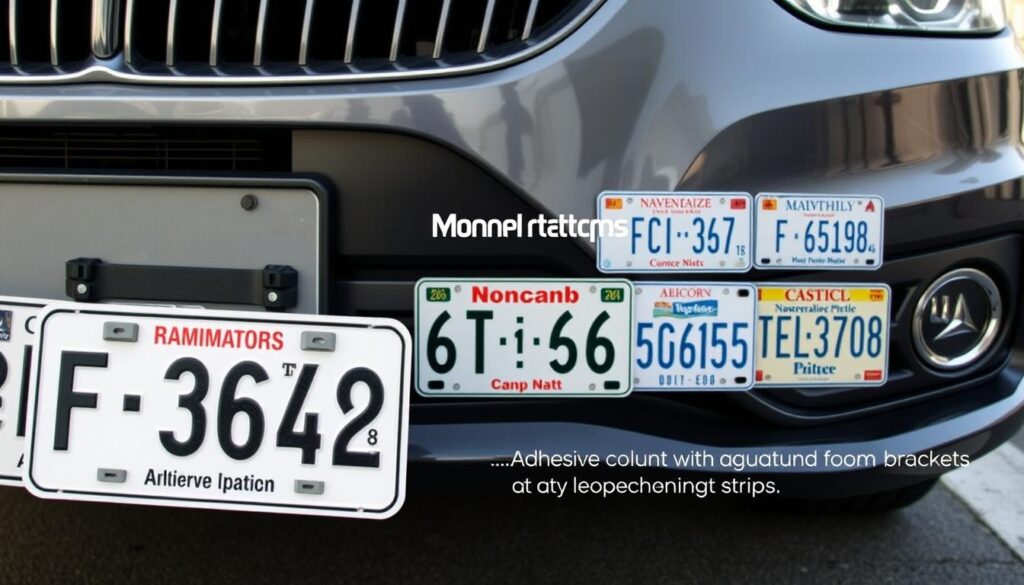
In states that require a front license plate, there are specific legal mounting requirements that must be followed. These typically include mounting the plate on the front bumper, ensuring it is clearly visible, and securing it in a manner that prevents it from being easily removed or obscured. The plate must be mounted in a way that it is not obstructed by any other vehicle part or accessory.
Consequences of Improper Display
Failure to comply with license plate regulations can result in fines and penalties. The amount can vary significantly depending on the jurisdiction and the nature of the violation. In some cases, repeated offenses may lead to more severe consequences, such as vehicle impoundment. Therefore, it’s essential to ensure that your license plate is properly displayed to avoid these issues.
No-Drill License Plate Mounting Options
No-drill license plate mounting options offer a convenient and damage-free solution for vehicle owners who need to mount a front license plate. These alternatives to drilling holes in your bumper provide flexibility and ease of installation.
Bracket Systems
Bracket systems are a popular choice for no-drill license plate mounting. These systems typically involve a frame that attaches to the front of your vehicle, providing a secure mount for your license plate. They are designed to be adjustable, allowing them to fit various vehicle models. When choosing a bracket system, ensure it’s compatible with your vehicle’s make and model.
Adhesive Mounts
Adhesive mounts use a strong adhesive to secure the license plate to the bumper. They are easy to install and don’t require any hardware. However, their holding power can vary depending on the adhesive quality and bumper surface. It’s crucial to clean the surface before application to ensure a strong bond.
Tow Hook Adapters
Tow hook adapters are another no-drill solution that utilizes the tow hook mounting point on your vehicle. These adapters provide a sturdy base for your license plate. They are particularly useful for vehicles with a tow hook mounting point.
Bumper Quick-Release Systems
Bumper quick-release systems offer a convenient and removable solution for license plate mounting. They allow for easy installation and removal of the license plate, making them ideal for vehicles that need to switch between different plates.
When selecting a no-drill license plate mounting option, consider factors such as your vehicle’s design, the mounting system’s durability, and local regulations regarding license plate display. By choosing the right no-drill solution, you can ensure your license plate is securely and properly displayed without damaging your vehicle.
How to Install Front License Plate Without Holes
The process of installing a front license plate without drilling holes involves selecting the appropriate mounting option and following a few simple steps. This guide will walk you through the tools and materials needed, preparation steps, and the actual installation process for different mounting options.
Tools and Materials Needed
The tools and materials required may vary depending on the chosen mounting method. Here are the specifics for each:
For Adhesive Mounts
- Adhesive license plate mount
- Cleaning solution (isopropyl alcohol or similar)
- Soft cloth
For Bracket Systems
- License plate bracket system
- Screws or clips provided with the bracket
- Screwdriver or wrench
For Tow Hook Installations
- Tow hook adapter
- Tow hook
- Wrench or socket
Preparation Steps
Before installing your front license plate, proper preparation is key to a secure and lasting mount.
Cleaning the Mounting Surface
For adhesive mounts, cleaning the mounting surface is crucial. Use a cleaning solution like isopropyl alcohol and a soft cloth to remove dirt, wax, or oils that might interfere with the adhesive.
Measuring and Marking
For bracket systems, measuring and marking the correct position is essential. Measure the distance between the license plate holes and mark the corresponding positions on the bumper or mounting surface.
“A well-prepared surface ensures a strong bond between the adhesive mount and the vehicle’s bumper.”
Installation Methods
The installation process varies depending on the chosen mounting method.
Adhesive Mount Installation
- Peel off the backing from the adhesive mount.
- Align the mount with the desired position on the bumper.
- Press firmly to ensure a strong bond.
Bracket System Installation
- Align the bracket with the marks made during measurement.
- Secure the bracket using the provided screws or clips.
- Tighten the screws firmly.
Tow Hook Adapter Installation
- Attach the tow hook to the designated mounting point.
- Secure the tow hook adapter to the tow hook.
- Mount the license plate to the adapter.
| Mounting Method | Tools Required | Complexity Level |
|---|---|---|
| Adhesive Mount | Cleaning solution, soft cloth | Easy |
| Bracket System | Screwdriver or wrench, screws or clips | Moderate |
| Tow Hook Adapter | Wrench or socket | Moderate to Difficult |
Testing for Security
After installation, test the security of the license plate mount by gently pulling on it. Ensure it is firmly attached and won’t come loose while driving.
By following these steps, you can successfully install a front license plate without drilling holes, maintaining your vehicle’s appearance and complying with state regulations.
Maintenance and Troubleshooting
To keep your no-drill license plate mount in top condition, regular maintenance and troubleshooting are essential. This not only ensures compliance with regulations but also prevents potential issues.
Regular Maintenance Tips
Regularly inspect your license plate mount for signs of wear or damage. Check the tightness of the screws and clean the mount and plate to prevent dirt buildup.
Dealing with Curved Bumpers
For vehicles with curved bumpers, using an adjustable bracket can help achieve a secure fit. Ensure the bracket is designed for your vehicle’s make and model.
Addressing Adhesive Failures
If the adhesive fails, inspect the surface for dirt or oil that may have caused the failure. Clean the surface and reapply the adhesive or replace it if necessary.
Preventing Plate Vibration
To prevent plate vibration, ensure the mount is securely fastened. Adding a vibration dampener can also help.
Weatherproofing Considerations
Consider using weatherproofing materials or coatings to protect your license plate mount from the elements, especially if you live in an area with harsh weather conditions.
Conclusion
Installing a front license plate without drilling holes in your vehicle’s bumper is a straightforward process when you have the right information and tools. By understanding the legal requirements for displaying a front license plate and exploring no-drill mounting options, you can ensure compliance with the law while maintaining your vehicle’s appearance and resale value.
Various no-drill license plate mounting options are available, including bracket systems, adhesive mounts, tow hook adapters, and bumper quick-release systems. Each method has its advantages, and choosing the right one depends on your vehicle’s make and model, as well as your personal preference.
By following the steps outlined in this guide, you can successfully install a front license plate without compromising your vehicle’s integrity. Regular maintenance and troubleshooting will also help ensure that your license plate remains securely in place.
With the right approach to front license plate installation without drilling, you can enjoy the benefits of a legally compliant vehicle without the drawbacks of damaging your bumper.
FAQ
What are the benefits of using a no-drill license plate mount?
Using a no-drill license plate mount helps preserve your vehicle’s appearance, maintains its resale value, and prevents potential damage to the bumper.
Are there different types of no-drill license plate mounting options available?
Yes, there are several options, including bracket systems, adhesive mounts, tow hook adapters, and bumper quick-release systems, each with its own advantages and potential drawbacks.
How do I choose the right no-drill license plate mount for my vehicle?
Consider factors such as your vehicle’s make and model, the type of bumper it has, and your personal preferences when selecting a no-drill license plate mount.
What are the legal requirements for displaying a front license plate?
The legal requirements for displaying a front license plate vary by state, so it’s essential to check your local laws and regulations regarding front license plate display.
Can I install a no-drill license plate mount on a curved bumper?
Yes, but it may require additional considerations, such as using a specialized mount or adjusting the installation process to accommodate the curved surface.
How do I maintain my no-drill license plate mount?
Regularly inspect and clean the mount, check for any signs of wear or damage, and address any issues promptly to ensure the license plate remains securely in place.
What should I do if my adhesive mount fails?
If your adhesive mount fails, you may need to clean the area and reapply a new adhesive or consider replacing the mount altogether.
Can I use a tow hook adapter as a no-drill license plate mount?
Yes, a tow hook adapter can be used as a no-drill license plate mount, but ensure it’s compatible with your vehicle’s make and model.