Understanding the location of the Camshaft Position Sensor is crucial for maintaining and repairing modern vehicles. This sensor plays a vital role in monitoring the engine’s camshaft rotation, ensuring proper engine timing, and optimizing performance.
Locating the Camshaft Position Sensor Bank 2 can be challenging due to variations in vehicle design and engine configuration. However, having a clear guide can simplify the process.
This guide will walk you through the steps to identify and locate the Camshaft Position Sensor for Bank 2 in your vehicle, helping you to perform repairs and maintenance efficiently.
Key Takeaways
- Understanding the importance of the Camshaft Position Sensor
- Identifying the location of Bank 2 Camshaft Position Sensor
- Steps to locate the sensor in your vehicle
- Tips for maintaining and repairing the sensor
- Common issues related to the Camshaft Position Sensor
Understanding Camshaft Position Sensors and Their Function
Camshaft position sensors are vital components in contemporary vehicles, influencing engine performance and efficiency. These sensors play a crucial role in the engine management system, enabling the vehicle’s computer to optimize fuel injection, ignition timing, and other critical functions.
What is a Camshaft Position Sensor?
A camshaft position sensor is an electronic device that monitors the rotation of the camshaft, providing critical information to the engine control module (ECM). This information is used to determine the correct timing for fuel injection and ignition. The sensor typically uses a magnetic or Hall effect technology to detect the camshaft’s position.
The data from the camshaft position sensor is essential for the ECM to manage engine operations efficiently, ensuring optimal performance, fuel efficiency, and reduced emissions.
The Difference Between Bank 1 and Bank 2 Sensors
In V-type engines, such as V6 or V8 configurations, the engine is divided into two banks: Bank 1 and Bank 2. The camshaft position sensor is used in both banks to monitor the camshaft’s rotation. Bank 1 typically refers to the bank that contains the number one cylinder, while Bank 2 refers to the opposite bank.
The distinction between Bank 1 and Bank 2 sensors is crucial because each bank operates independently, and the ECM requires precise information from both sensors to manage the engine effectively.
| Engine Configuration | Bank 1 | Bank 2 |
|---|---|---|
| V6 | Cylinder 1 | Opposite bank |
| V8 | Cylinder 1 | Opposite bank |
Why Proper Sensor Location Matters
Correctly locating the camshaft position sensor for Bank 2 is vital for accurate engine management. If the sensor is not properly positioned or is malfunctioning, it can lead to issues such as poor engine performance, decreased fuel efficiency, and potentially cause the engine to stall or not start at all.
Understanding the location and function of the camshaft position sensor for Bank 2 is essential for mechanics and DIY enthusiasts to diagnose and repair issues related to this critical component.
Where is Camshaft Position Sensor Bank 2 Located
Understanding where to find the Camshaft Position Sensor Bank 2 is crucial for car owners and mechanics alike, as its location is not standardized across all vehicles. The sensor’s position is influenced by the engine’s configuration, making it essential to familiarize oneself with the specific layout of the engine in question.
Common Locations in Different Engine Configurations
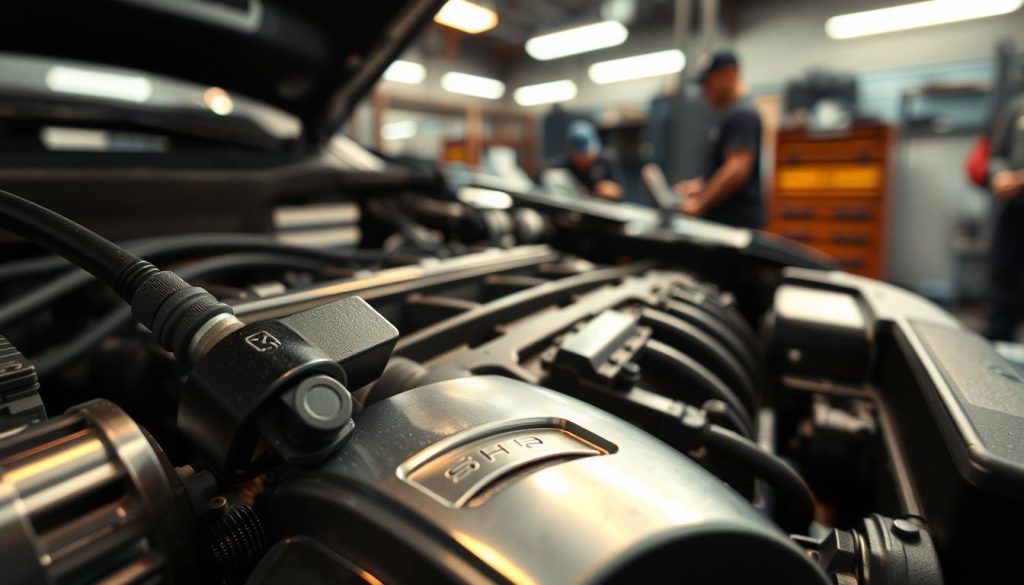
The Camshaft Position Sensor Bank 2 can be found in various locations depending on the engine type. For instance, in some engines, it is located near the camshaft, while in others, it might be positioned on the engine block or cylinder head.
V6 and V8 Engines: In these configurations, the sensor is often located on the driver’s side or passenger’s side, depending on the vehicle’s make. For example, in some V8 engines, the Camshaft Position Sensor Bank 2 is situated near the intake manifold.
V6 and V8 Engine Locations
In V6 and V8 engines, the location of the Camshaft Position Sensor Bank 2 can be quite specific. For certain models, like those from Ford or GM, the sensor is typically found on the driver’s side of the engine compartment. It’s essential to consult the vehicle’s repair manual or diagram for the exact location, as it can vary between models.
Inline Engine Configurations
For inline engines, the Camshaft Position Sensor Bank 2 tends to be located at the front or rear of the engine. The exact position can depend on whether the engine is an inline-4 or inline-6 configuration. In some cases, the sensor is mounted directly on the cylinder head.
Variations Among Popular Vehicle Makes and Models
Different vehicle manufacturers have their own designs for engine configurations, leading to variations in the sensor’s location. For example, Toyota and Honda have distinct locations for the Camshaft Position Sensor Bank 2 in their respective models. It’s crucial to refer to the specific vehicle’s documentation to accurately locate the sensor.
By understanding these variations and consulting the appropriate resources, car owners and mechanics can efficiently locate the Camshaft Position Sensor Bank 2, facilitating maintenance and repairs.
Tools and Preparation for Locating the Sensor
To successfully locate the Camshaft Position Sensor Bank 2, you need to be well-prepared with the essential tools and knowledge of safety measures. This preparation not only ensures your safety but also makes the process more efficient.
Essential Tools Needed
Having the right tools is crucial for locating the Camshaft Position Sensor Bank 2. You’ll need a basic set of mechanic’s tools, including a socket set, wrenches, and a flashlight to illuminate the engine bay. A repair manual specific to your vehicle’s make and model can also be invaluable, providing detailed diagrams and instructions.
Safety Precautions Before Starting
Before you begin, ensure your safety by wearing protective gear such as gloves and safety glasses. Make sure the engine is cool and the vehicle is in park (automatic) or neutral (manual) with the parking brake engaged. Disconnecting the battery is also recommended to prevent any accidental engine starts.
Preparing Your Vehicle for Inspection
Prepare your vehicle by ensuring the engine bay is clean and free of debris. This will make it easier to locate the sensor. Refer to your vehicle’s repair manual to understand the engine configuration and the location of Bank 2. Knowing whether your vehicle has a V6, V8, or inline engine configuration will significantly narrow down the possible locations of the Camshaft Position Sensor Bank 2.
Step-by-Step Guide to Locate the Camshaft Position Sensor Bank 2
The Camshaft Position Sensor Bank 2 plays a vital role in your engine’s performance, and finding it is easier than you think. Locating this sensor is a crucial step in diagnosing and repairing engine issues. Here’s a step-by-step guide to help you through the process.
Step 1: Accessing the Engine Bay Safely
Before you start, ensure your vehicle is parked on a level surface and apply the parking brake. Open the hood and secure it with the hood prop rod. Make sure the engine is cool to avoid any accidental burns or injuries.
Step 2: Identifying Bank 2 in Your Engine
Bank 2 refers to the side of the engine opposite to the number one cylinder. In V6 and V8 engines, Bank 2 is typically located on the driver’s side. Consult your vehicle’s repair manual or manufacturer’s documentation to confirm the location for your specific vehicle.
Step 3: Navigating to the Sensor Location
Once you’ve identified Bank 2, look for the camshaft position sensor, usually located near the camshaft or cylinder head. It might be held in place by a bolt or clip. The exact location can vary depending on the engine configuration and vehicle make.
Step 4: Visual Identification of the Sensor
The camshaft position sensor is typically a small electronic device with a wiring connector attached to it. It may be labeled or have a distinctive shape. Refer to your vehicle’s repair manual for specific illustrations or descriptions.
Troubleshooting Common Difficulties in Finding the Sensor
If you’re having trouble locating the sensor, check for any obstructions or heat shields that might be blocking your view. Consult online forums or repair manuals specific to your vehicle’s make and model for additional guidance.
| Vehicle Make | Engine Type | Typical Sensor Location |
|---|---|---|
| Ford | V6 | Driver’s side, near camshaft |
| Chevrolet | V8 | Driver’s side, on cylinder head |
| Toyota | Inline-4 | Near camshaft, on top of engine |
Conclusion
Correctly identifying the Camshaft Position Sensor Bank 2 is crucial for maintaining optimal engine performance. Throughout this guide, we have explored the function of camshaft position sensors, their locations in various engine configurations, and the steps to locate the sensor in Bank 2.
By understanding the differences between Bank 1 and Bank 2 sensors, you can ensure accurate diagnosis and repair. The step-by-step guide provided earlier enables you to navigate the engine bay safely and identify the sensor with confidence.
Properly locating the Camshaft Position Sensor Bank 2 is essential for resolving issues related to engine timing and performance. With this knowledge, you can efficiently troubleshoot and repair your vehicle, ensuring it runs smoothly and efficiently.
FAQ
What is the function of a Camshaft Position Sensor?
The Camshaft Position Sensor monitors the rotation of the camshaft and sends this information to the engine control module, which uses it to determine when to fire the fuel injectors and ignition coils.
How do I know if my Camshaft Position Sensor is faulty?
Symptoms of a faulty Camshaft Position Sensor include engine stalling, difficulty starting the engine, and decreased engine performance. You may also see a check engine light with a corresponding trouble code.
Can I drive my vehicle with a faulty Camshaft Position Sensor?
While you may be able to drive your vehicle for a short period, a faulty Camshaft Position Sensor can cause engine damage and lead to costly repairs if not addressed promptly.
What tools do I need to locate the Camshaft Position Sensor Bank 2?
You will need a socket set, a ratchet, and a repair manual specific to your vehicle’s make and model. Additional tools like a flashlight and a mirror may also be helpful.
Is the Camshaft Position Sensor location the same across different engine configurations?
No, the location of the Camshaft Position Sensor varies across different engine configurations, including V6, V8, and inline engines, and can also differ among various vehicle makes and models.
Can I replace the Camshaft Position Sensor myself?
Yes, you can replace the Camshaft Position Sensor yourself if you have the necessary tools and follow the correct procedures. However, if you’re unsure, it’s recommended to consult a professional mechanic.
How long does it take to replace a Camshaft Position Sensor?
The time it takes to replace a Camshaft Position Sensor can vary depending on your level of mechanical expertise and the specific vehicle. On average, it can take anywhere from 30 minutes to several hours.
What are some common mistakes to avoid when locating the Camshaft Position Sensor?
Common mistakes include not consulting the repair manual, not properly identifying Bank 2, and not taking necessary safety precautions when accessing the engine bay.