Driving a dual clutch transmission (DCT) requires a unique set of skills and techniques. Unlike traditional automatic transmissions, DCTs use a sophisticated system of clutches and gears to provide faster shifting and improved fuel efficiency.
To become proficient in driving a DCT vehicle, it’s essential to understand the technology behind it and develop the necessary driving techniques. With practice and patience, drivers can master the art of driving a DCT and enjoy a more responsive and engaging driving experience.
Key Takeaways
- Understand the technology behind dual clutch transmission
- Develop necessary driving techniques for DCT vehicles
- Improve fuel efficiency and driving experience
- Master the art of driving a DCT with practice and patience
- Enhance driving skills with a more responsive transmission
Understanding Dual Clutch Transmission Technology
Understanding the intricacies of dual clutch transmission technology is essential for drivers looking to master the art of driving a DCT-equipped vehicle. This technology represents a significant innovation in the automotive sector, offering a unique blend of efficiency, performance, and driving experience.
What Is a Dual Clutch Transmission?
A Dual Clutch Transmission (DCT) is a type of transmission that uses two clutches to pre-select the next gear, allowing for faster and smoother shifting. This technology combines the benefits of both manual and automatic transmissions, providing drivers with a unique driving experience.
How Dual Clutch Transmissions Differ from Manual and Automatic
Unlike traditional manual transmissions, DCTs automate the clutch and gear shifting process, making driving easier in heavy traffic. Compared to automatic transmissions, DCTs generally offer faster shifting and better fuel efficiency, thanks to their ability to pre-select gears.
The Mechanical Principles Behind DCT
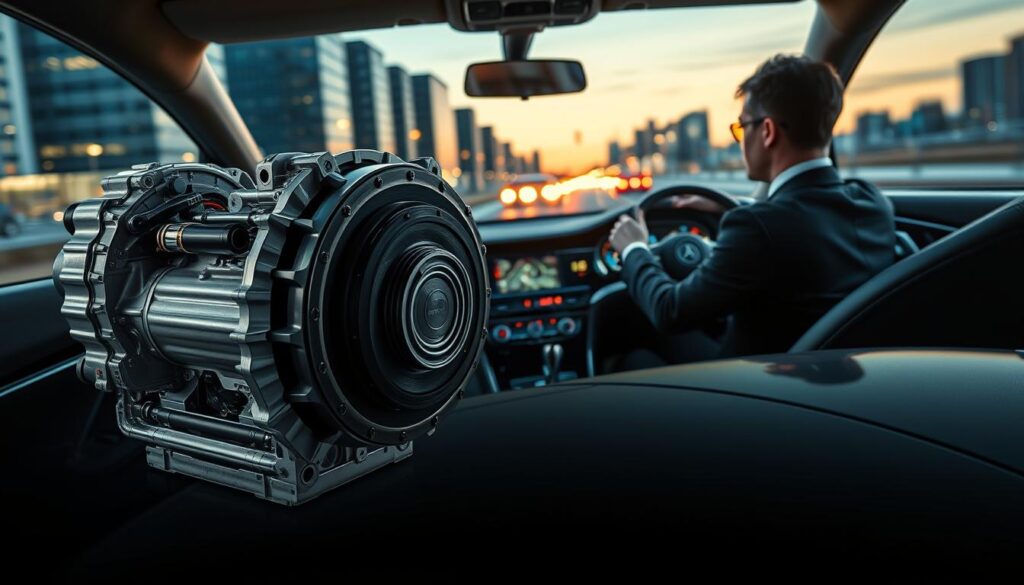
The mechanical principles behind DCT involve a complex system of clutches, gears, and actuators. The dual clutch mechanism allows for the pre-selection of gears, enabling rapid shifting and improved performance. Understanding these principles is crucial for appreciating the benefits and challenges associated with DCTs.
Benefits and Limitations of Dual Clutch Transmissions
Dual clutch transmissions (DCTs) have gained popularity in recent years due to their unique blend of performance and efficiency. This transmission technology has been adopted in various vehicles, offering drivers a distinct driving experience.
Performance Advantages: Speed and Responsiveness
DCTs are known for their ability to provide quick gear shifts, resulting in enhanced driving dynamics. This is particularly beneficial for drivers who enjoy spirited driving or participate in track events. The rapid shifting capability allows for improved acceleration and a more engaging driving experience.
Fuel Efficiency Benefits in Real-World Driving
In addition to performance advantages, DCTs also offer fuel efficiency benefits. By optimizing gear shifts and reducing power loss, DCTs can achieve better fuel economy compared to traditional automatic transmissions. This makes them an attractive option for daily driving.
Potential Drawbacks and Adaptation Challenges
While DCTs offer several benefits, there are also potential drawbacks to consider. Some drivers may find the shifting behavior of DCTs to be jerky or unpredictable in certain situations, requiring an adaptation period. Additionally, DCTs can be more complex and expensive to repair than other transmission types.
| Transmission Type | Fuel Efficiency | Performance | Cost |
|---|---|---|---|
| Dual Clutch Transmission | High | Excellent | Moderate |
| Manual Transmission | High | Good | Low |
| Automatic Transmission | Moderate | Good | High |
Preparing to Drive with a Dual Clutch Transmission
The first step to driving a DCT is adjusting your driving habits and understanding the vehicle’s capabilities. To drive a dual clutch transmission vehicle effectively, one must first prepare themselves for the unique characteristics of this transmission type.
Adjusting Your Driving Mindset
To master a DCT, drivers must be willing to adapt to its instant torque delivery and the sometimes abrupt shifting. This involves being more proactive with gear shifts and understanding the vehicle’s behavior in different conditions.
Understanding Your Vehicle’s Specific DCT System
Familiarize yourself with your vehicle’s DCT system, including its various modes and how it responds to different driving styles. Consult your owner’s manual to understand the specific features and settings available in your vehicle.
| DCT Mode | Description | Best Use Scenario |
|---|---|---|
| Normal/Eco | Optimized for fuel efficiency | Daily commuting, city driving |
| Sport | Enhanced performance, quicker shifts | Twisty roads, spirited driving |
| Manual | Manual control over gear shifts | Hill driving, overtaking |
Initial Setup and Driving Position
Ensure your driving position is comfortable and allows for full control over the vehicle. Adjust your seat and steering wheel to achieve an optimal driving posture.
How to Drive a Dual Clutch Transmission: Mastering the Mechanism
Mastering a dual clutch transmission (DCT) requires a blend of technical knowledge and practical driving skills. To drive a DCT vehicle effectively, you need to understand its operational nuances and learn how to utilize its various modes.
Starting and Stopping Properly
Starting and stopping are fundamental aspects of driving any vehicle, but DCTs have specific characteristics that require attention. When starting, ensure you’re in the correct gear, usually first gear or “D” mode. For stopping, come to a complete halt before shifting into park or engaging the parking brake.
Navigating Low-Speed Maneuvers and Traffic
Navigating through low-speed maneuvers and traffic in a DCT vehicle can be smooth if done correctly. Use the “D” or drive mode for normal driving. In heavy traffic, you may need to creep forward slowly; some DCTs have a “creep” mode, while others may require gentle accelerator input.
Utilizing Different Driving Modes Effectively
DCTs often come with multiple driving modes that can significantly enhance your driving experience. Understanding when and how to use these modes is crucial.
Sport Mode Techniques for Maximum Performance
Sport mode is designed for high-performance driving. It keeps the engine in its optimal power band by shifting gears at higher RPMs. To maximize performance, use sport mode on twisty roads or when you need quick acceleration.
Economy Mode for Optimal Efficiency
Economy mode, on the other hand, is geared towards fuel efficiency. It shifts gears at lower RPMs to minimize fuel consumption. Use economy mode for daily commuting or long highway drives.
Manual Mode Operation with Paddle Shifters
Manual mode with paddle shifters gives you more control over gear shifts. It’s useful for driving in hilly terrain or when you want to engine brake. To use it effectively, understand when to upshift or downshift based on your speed and the driving conditions.
| Driving Mode | Best Use Scenario | Benefits |
|---|---|---|
| Sport Mode | Twisty roads, quick acceleration | Maximum performance, engaging driving experience |
| Economy Mode | Daily commuting, long highway drives | Fuel efficiency, reduced fuel costs |
| Manual Mode | Hilly terrain, engine braking | Driver control, enhanced engine braking |
By mastering these driving techniques and understanding how to use the different modes of your DCT, you can significantly enhance your driving experience. Whether you’re looking for performance, efficiency, or control, your DCT is capable of delivering.
Advanced Driving Techniques for DCT Vehicles
Experienced drivers know that DCT vehicles require a unique approach to driving, involving advanced techniques. To maximize performance, fuel efficiency, and overall driving pleasure, it’s crucial to understand and apply these techniques effectively.
Executing Perfect Launches with Launch Control
Launch control is a feature in many DCT vehicles that allows for optimal acceleration from a standstill. To use launch control effectively, drivers should fully depress the brake pedal with one foot while simultaneously pressing the accelerator pedal with the other foot. The system will then manage the engine speed and clutch engagement to achieve the fastest possible launch.
Downshifting Strategies for Cornering and Overtaking
Downshifting is a critical technique for cornering and overtaking in DCT vehicles. By downshifting before entering a corner, drivers can maintain optimal engine speed and improve vehicle stability. For overtaking, downshifting just before accelerating can provide a significant boost in power and responsiveness.
Managing DCT Behavior on Varying Road Conditions
DCT vehicles can behave differently on various road conditions, such as wet or slippery roads. Drivers should adjust their driving style accordingly, using features like traction control and adjusting their throttle input to maintain stability.
Adapting to DCT Peculiarities During Highway Driving
On highways, DCT vehicles can sometimes exhibit unique behaviors, such as unexpected shifting patterns. To adapt, drivers should be aware of their vehicle’s specific DCT system and adjust their driving habits to optimize fuel efficiency and comfort.
| Driving Condition | DCT Behavior | Driver Action |
|---|---|---|
| Wet/Slippery Roads | Reduced Traction | Use Traction Control, Adjust Throttle |
| Highway Driving | Unexpected Shifting | Monitor and Adjust Driving Habits |
| Cornering | Downshifting for Stability | Downshift Before Cornering |
Common Mistakes to Avoid with Dual Clutch Transmissions
Mastering a dual clutch transmission (DCT) requires not only understanding its benefits but also avoiding common mistakes that can lead to premature wear or damage. Drivers who are aware of these potential pitfalls can take steps to prevent them, ensuring their DCT vehicle runs smoothly and efficiently.
Improper Creeping and Rolling Techniques
One of the most common mistakes drivers make with DCTs is improper creeping and rolling. Creeping refers to the slow movement of the vehicle when the brake is released. In a DCT, this is achieved by partially releasing the brake or using the “creep” function. However, excessive creeping can lead to increased wear on the clutch packs. To avoid this, drivers should gradually release the brake and use gentle acceleration.
Hill Start Errors That Damage Your Transmission
Hill starts can be challenging, especially for inexperienced drivers. Incorrect hill starts can put excessive stress on the transmission, potentially leading to damage. To avoid this, drivers should use the handbrake or footbrake properly and ease off the brake slowly when starting on an incline.
Overriding Automatic Functions When You Shouldn’t
DCTs often come with automatic functions like “D” or “S” mode. Overriding these modes unnecessarily can lead to increased wear and tear. Drivers should understand when to use manual mode and when to let the transmission operate automatically.
Temperature Management Mistakes
High temperatures can affect DCT performance and longevity. Drivers should be aware of the temperature gauge and avoid extreme driving conditions when possible. Regular maintenance, such as checking the transmission fluid, is also crucial.
By being mindful of these common mistakes, drivers can enjoy a smoother, more efficient driving experience with their DCT vehicle. Regular maintenance and proper driving techniques are key to extending the life of the transmission.
Troubleshooting DCT Driving Issues
Mastering the art of driving a DCT vehicle involves not just smooth operation but also knowing how to troubleshoot common problems. Even with proper driving techniques, issues can arise that require immediate attention to prevent further complications.
Diagnosing and Addressing Jerky Shifts
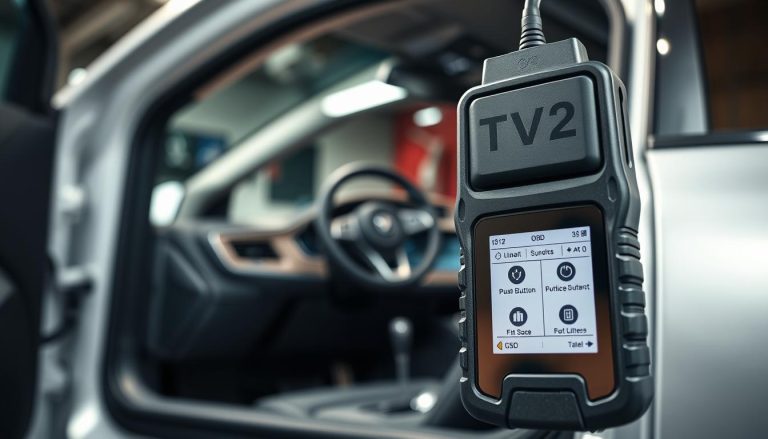
Jerky shifts can be a frustrating issue for DCT drivers. This problem can often be attributed to improper clutch calibration or software glitches. To address jerky shifts, it’s essential to first check for any software updates for your vehicle’s transmission control module.
If the issue persists, it may be necessary to have your vehicle inspected by a professional mechanic who can diagnose and adjust the clutch calibration as needed.
Resolving Hesitation During Acceleration
Hesitation during acceleration is another common issue that DCT drivers may encounter. This can be caused by a variety of factors, including throttle position sensor issues or inadequate transmission fluid levels. Ensuring that your transmission fluid is at the recommended level and checking the throttle position sensor for any malfunctions can help resolve this issue.
Managing Unexpected Transmission Behavior
Unexpected transmission behavior, such as unexpected downshifts or failure to engage gears, can be alarming. It’s crucial to monitor your vehicle’s transmission temperature and ensure that it’s within the normal operating range. Overheating can cause the transmission to behave erratically.
When and How to Seek Professional Assistance
While many DCT issues can be resolved through basic troubleshooting, there are times when professional assistance is necessary. If you’re experiencing persistent problems that you can’t diagnose or fix on your own, it’s time to consult a professional mechanic or a dealership with experience in DCT vehicles.
Conclusion: Becoming a DCT Driving Expert
Mastering a dual clutch transmission (DCT) requires a combination of knowledge, practice, and patience. By understanding the mechanics and benefits of DCT technology, drivers can unlock the full potential of their vehicles.
To become a DCT driving expert, it’s essential to apply the techniques and strategies discussed throughout this article. From adjusting your driving mindset to utilizing different driving modes effectively, every aspect plays a crucial role in achieving smooth and efficient driving.
As you continue to practice and refine your skills, you’ll become more comfortable with the unique characteristics of DCT vehicles. With dedication and the right knowledge, you can master the art of driving a DCT, enhancing your overall driving experience.
By following the guidelines outlined in this article, you’ll be well on your way to becoming proficient in DCT driving, ultimately becoming a DCT driving expert and achieving mastery over the DCT system.
FAQ
What is a dual clutch transmission?
A dual clutch transmission (DCT) is a type of automatic transmission that uses two clutches to pre-select the next gear, allowing for faster and smoother shifting.
How do I properly start and stop a DCT vehicle?
To start, press the brake pedal and shift into gear. To stop, shift into neutral or press the brake pedal and come to a complete stop before shifting into park.
What are the benefits of driving a DCT vehicle?
DCTs offer improved performance, fuel efficiency, and responsiveness, making them an attractive option for many drivers.
How do I utilize different driving modes effectively in a DCT vehicle?
Familiarize yourself with the different modes, such as sport mode, economy mode, and manual mode, and use them according to your driving needs and preferences.
What are some common mistakes to avoid when driving a DCT vehicle?
Avoid improper creeping and rolling techniques, hill start errors, overriding automatic functions, and temperature management mistakes to prevent damage to the transmission.
How do I troubleshoot common issues with my DCT vehicle?
Diagnose and address issues such as jerky shifts, hesitation during acceleration, and unexpected transmission behavior by checking the transmission fluid, adjusting your driving techniques, or seeking professional assistance.
Can I drive a DCT vehicle in manual mode?
Yes, most DCT vehicles come with a manual mode that allows you to control the gears using paddle shifters or a manual shift mode.
How do I manage DCT behavior on varying road conditions?
Adjust your driving techniques according to the road conditions, such as slowing down on slippery roads or using the correct gear for uphill driving.
What is launch control, and how do I use it?
Launch control is a feature that allows you to accelerate quickly and smoothly from a standstill. To use it, follow the manufacturer’s instructions and typically, it involves pressing the accelerator and brake pedals simultaneously.
How do I downshift when driving a DCT vehicle?
Use the paddle shifters or manual shift mode to downshift, and be aware of the transmission’s downshifting strategies for cornering and overtaking.