Diesel truck owners understand the importance of regular maintenance to keep their vehicles running efficiently. One crucial aspect of this maintenance is the parked regen process.
A parked regen, or regeneration, is a process that helps to clean the diesel engine’s exhaust system by burning off accumulated soot and debris. This is essential for maintaining the engine’s performance and reducing emissions.
Neglecting to perform a parked regen can lead to decreased engine efficiency, increased emissions, and potentially costly repairs. By understanding the importance of parked regen and how to perform it, diesel truck owners can keep their vehicles in top condition.
Key Takeaways
- Parked regen is essential for diesel engine maintenance.
- It helps to clean the exhaust system by burning off soot and debris.
- Regular parked regen can improve engine performance and reduce emissions.
- Neglecting parked regen can lead to costly repairs.
- Understanding parked regen is crucial for diesel truck owners.
Understanding Parked Regeneration and Why Your Diesel Truck Needs It
The parked regeneration process is a critical aspect of diesel engine maintenance, ensuring the vehicle runs efficiently and effectively. Parked regeneration is closely linked to the Diesel Particulate Filter (DPF) system, which is designed to reduce emissions by capturing soot and other particles from the exhaust gases.
What Is a Parked Regen?
A parked regen is a process initiated when the DPF becomes saturated with soot. During this process, the engine control unit (ECU) raises the exhaust gas temperature to burn off the accumulated soot, thereby cleaning the DPF. This process is typically performed when the vehicle is stationary, hence the term “parked regen.”
How the DPF System Works in Your Diesel Engine
The DPF system is a crucial emissions control technology in modern diesel engines. It works by trapping soot and other particulates from the exhaust gases, preventing them from being released into the atmosphere. The DPF system includes:
- DPF Filter: Captures soot and particulates.
- ECU: Monitors soot levels and initiates regeneration.
- Temperature Sensors: Help in achieving the optimal temperature for regeneration.
When the DPF becomes clogged with soot, regeneration is necessary to restore its efficiency.
The Difference Between Passive, Active, and Parked Regeneration
There are three types of regeneration processes: passive, active, and parked.
- Passive Regeneration: Occurs automatically during normal driving conditions when the exhaust temperature is high enough to burn off soot.
- Active Regeneration: Initiated by the ECU when the DPF soot level is high. The ECU increases the exhaust temperature to facilitate soot burning. This can happen while the vehicle is in operation.
- Parked Regeneration: Performed when the vehicle is stationary. It’s typically initiated manually or automatically when the soot level is too high for active regeneration to be effective.
Understanding these differences is crucial for diesel truck owners to manage their vehicle’s maintenance effectively.
When to Perform a Parked Regen on Your Diesel Truck
Recognizing the warning signs that your diesel truck needs a parked regen can prevent serious engine damage. A parked regeneration is a crucial maintenance process for diesel trucks equipped with a Diesel Particulate Filter (DPF). The DPF captures soot and other particulates from the exhaust gases, and over time, it becomes clogged and needs cleaning through a regeneration process.
Warning Signs and Dashboard Indicators
Your diesel truck’s dashboard is equipped with various warning lights and indicators that signal when a parked regen is necessary. Understanding these signs is crucial for timely maintenance.
Check Engine Light and DPF Warning Symbols
The Check Engine Light and specific DPF warning symbols are designed to alert you to potential issues. When these lights illuminate, it may indicate that your DPF is clogged and a regen is required. It’s essential not to ignore these warnings, as neglecting them can lead to more severe engine problems.
Reduced Engine Power Messages
A common indicator that your truck needs a parked regen is a message indicating reduced engine power. This reduction in power is a safety feature that prevents further damage to the engine when the DPF is overly clogged. Prompt action is necessary to restore your truck’s performance and prevent potential engine damage.
DPF Soot Level Thresholds
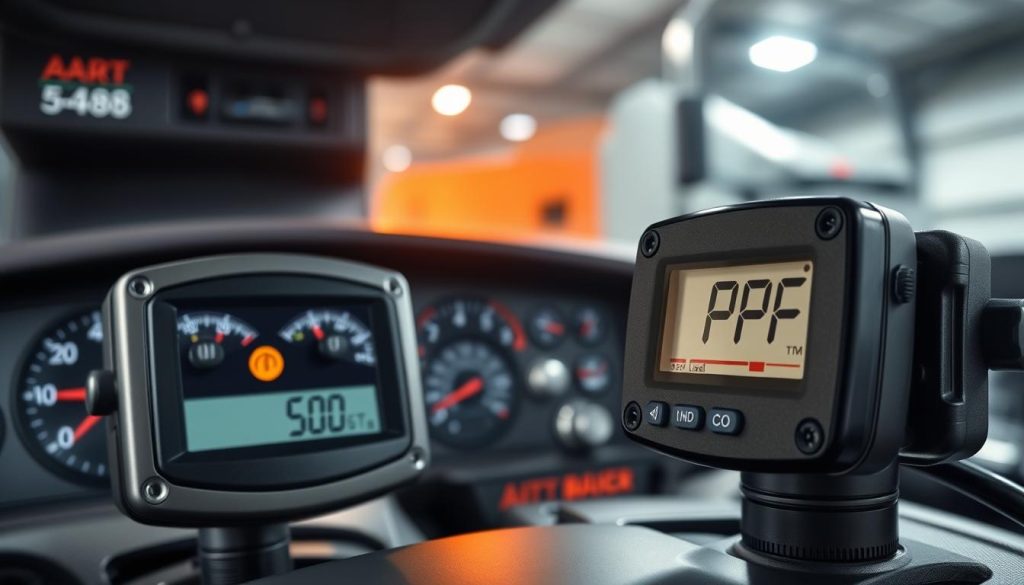
The DPF soot level is a critical indicator of when a regen is needed. Most modern diesel trucks are equipped with sensors that monitor the soot level in the DPF. When the soot level reaches a certain threshold, typically around 100%, the truck will alert the driver that a regen is necessary.
- Low Soot Level: The DPF is relatively clean, and no regen is needed.
- Moderate Soot Level: The DPF is becoming clogged, and a regen may be initiated automatically or manually.
- High Soot Level: The DPF is heavily clogged, and a regen is required to prevent engine damage.
Frequency Guidelines for Different Driving Conditions
The frequency at which a parked regen is needed can vary significantly based on driving conditions. Factors such as driving distance, load, and whether the driving is primarily stop-and-go or highway cruising can all impact how often a regen is required.
| Driving Conditions | Typical Regen Frequency |
|---|---|
| Primarily Highway Driving | Less frequent, potentially every 500-1000 miles |
| Stop-and-Go City Driving | More frequent, potentially every 200-500 miles |
| Heavy Load or Towing | More frequent, as the engine works harder, producing more soot |
Understanding these factors and monitoring your truck’s indicators can help you determine when a parked regen is necessary, ensuring your diesel truck remains in good working condition.
Preparing Your Truck for a Parked Regeneration
Preparing your truck for a parked regeneration is a critical step that ensures the process is carried out safely and effectively. A parked regen is a significant maintenance procedure for diesel trucks, and proper preparation is key to its success.
Safety Requirements and Location Selection
Choosing the right location for a parked regen is crucial for safety. The area should be well-ventilated to prevent the accumulation of exhaust gases.
Outdoor Ventilation Requirements
It is essential to perform a parked regen outdoors or in a well-ventilated area. This helps in dissipating the heat generated during the process and prevents the buildup of harmful fumes. Ensure the area is clear of any obstructions to facilitate good airflow.
Clearance from Flammable Materials
The location should be free from flammable materials such as dry leaves, grass, or other combustible substances. The high temperatures during a regen can ignite these materials, posing a significant fire hazard.
Checking Fuel Level and Engine Conditions
Before starting a parked regen, it’s vital to check the fuel level and engine conditions. The truck should have sufficient fuel to complete the regen process, which can take several hours. Additionally, ensure that the engine is in good working condition and that there are no outstanding maintenance issues that could interfere with the regen.
Tools and Equipment You’ll Need
While a parked regen is largely an automated process, having the right tools and equipment on hand can be helpful. These may include a service manual for your truck, a diagnostic tool to monitor the regen process, and personal protective equipment such as gloves and safety glasses.
- Service manual for your specific truck model
- Diagnostic tool for monitoring regen progress
- Personal protective equipment (gloves, safety glasses)
By carefully preparing your truck and choosing a safe location, you can ensure a successful parked regen that maintains your vehicle’s performance and longevity.
How to Perform a Parked Regen for Diesel Truck Owners: Step-by-Step Process
For diesel truck owners, knowing how to perform a parked regen is vital for maintaining engine performance and reducing emissions. This process is crucial for the longevity of your vehicle’s Diesel Particulate Filter (DPF) system.
Step 1: Park Your Truck in a Safe, Well-Ventilated Area
Before initiating the regen process, ensure your truck is parked in a safe location, away from flammable materials and in a well-ventilated area to prevent the accumulation of harmful fumes.
Step 2: Engage the Parking Brake and Put Transmission in Neutral or Park
Engage the parking brake and shift your transmission into neutral or park. This step is crucial for safety and to ensure the regen process initiates correctly.
Step 3: Locate and Activate the Regen Switch
Locating the regen switch can vary depending on your truck’s model. Refer to your owner’s manual or the manufacturer’s website for specific instructions.
Finding the Regen Button on Popular Truck Models
- For Ford trucks, the regen button is typically found on the dashboard or on the steering column.
- Ram trucks often have the regen switch located on the center console or on the dashboard.
- Chevrolet trucks may have the regen button on the dashboard or integrated into the vehicle’s information display.
Using Your Diagnostic Tool to Initiate Regen
If your truck is equipped with a diagnostic tool, you can use it to initiate the regen process. Follow the manufacturer’s instructions for the specific tool you’re using.
Step 4: Monitor the Regeneration Process
Once the regen process is initiated, monitor your truck’s dashboard for temperature readings and other indicators. The process typically takes between 20 to 60 minutes.
Expected Temperature Ranges and Duration
The DPF temperature during regen usually ranges between 500°C to 600°C. The duration can vary based on the soot load and the truck’s operating conditions.
What Normal Regen Sounds and Smells Like
A normal regen process may produce a distinct smell due to the high temperatures involved. It’s usually not a cause for concern, but it’s good to be aware of it.
Step 5: Complete the Cycle and Verify Success
Once the regen cycle is complete, verify its success by checking the dashboard indicators or using a diagnostic tool. A successful regen will show a reduced soot level in the DPF.
By following these steps, diesel truck owners can ensure their vehicle remains in good condition, maintaining performance and reducing the risk of costly repairs.
Troubleshooting Common Parked Regen Issues
Understanding how to troubleshoot parked regen issues is essential for diesel truck owners to ensure their vehicle runs smoothly. Despite following the steps for a parked regeneration, issues may arise. This section will guide you through common problems and their solutions.
What to Do If Regen Won’t Start
When the regeneration process won’t initiate, it’s crucial to identify the cause. Several factors could be at play, including insufficient fuel level, engine not at operating temperature, and active fault codes.
Insufficient Fuel Level
Ensure your diesel truck has an adequate fuel level. A minimum of 1/4 tank is typically required for regeneration.
Engine Not at Operating Temperature
The engine needs to be at its operating temperature for regeneration to start. If it’s too cold, the process won’t begin.
Active Fault Codes Blocking Regeneration
Check for any active fault codes using a diagnostic tool. Resolving these issues is necessary before regeneration can start.
Handling Interrupted Regeneration Cycles
If the regeneration cycle is interrupted, it may not complete successfully. Understand the reasons behind the interruption to prevent future occurrences.
- Check for any external factors that might have caused the interruption, such as a lack of fuel or a faulty sensor.
- Refer to your truck’s manual for specific guidance on handling interrupted cycles.
When to Seek Professional Diesel Mechanic Help
While many issues can be resolved through basic troubleshooting, some problems require professional assistance. If you’re unsure or if the issue persists after troubleshooting, it’s time to consult a diesel mechanic.
| Issue | Possible Cause | Solution |
|---|---|---|
| Regen won’t start | Insufficient fuel level | Refuel to at least 1/4 tank |
| Regen interrupted | Active fault codes | Diagnose and resolve fault codes |
| Regen fails to complete | Engine not at operating temperature | Allow engine to warm up |
By understanding and addressing common parked regen issues, diesel truck owners can maintain their vehicle’s health and performance. Regular maintenance and prompt troubleshooting are key to avoiding more significant problems down the line.
Conclusion
Performing a parked regen is a crucial aspect of diesel truck maintenance. By understanding the process and following the steps outlined in this article, you can ensure your diesel engine remains efficient and reliable.
A successful parked regen summary involves preparing your truck, initiating the regeneration process, and verifying its completion. Regular maintenance, including parked regen, is essential for prolonging the life of your diesel engine and preventing costly repairs.
By incorporating parked regen into your diesel truck maintenance routine, you can enjoy improved engine performance, reduced emissions, and increased overall efficiency. Stay proactive with your diesel truck’s maintenance needs to ensure optimal performance and longevity.
FAQ
What is a parked regen and why is it necessary for my diesel truck?
A parked regen is a process that helps clean the diesel particulate filter (DPF) in your diesel engine by burning off soot and other debris. It’s necessary to maintain your engine’s efficiency, prevent damage, and ensure compliance with emissions regulations.
How often should I perform a parked regen on my diesel truck?
The frequency of parked regen depends on various factors, including driving conditions, DPF soot level thresholds, and manufacturer recommendations. Typically, it’s recommended to perform a parked regen every 200-500 hours of engine operation or when indicated by dashboard warning lights.
What are the warning signs that my diesel truck needs a parked regen?
Warning signs include check engine lights, DPF warning symbols, reduced engine power messages, and increased soot levels. These indicators signal that your truck’s DPF is becoming clogged and needs cleaning through a parked regen.
Can I perform a parked regen on any surface or location?
No, it’s crucial to perform a parked regen in a safe, well-ventilated outdoor area, away from flammable materials. Ensure the surface is level and firm, and follow all safety guidelines to avoid accidents or injuries.
What should I do if my parked regen won’t start?
Check for common issues such as insufficient fuel level, engine not at operating temperature, or active fault codes blocking regeneration. Consult your owner’s manual or contact a professional diesel mechanic if you’re unsure or need assistance.
How long does a parked regen typically take to complete?
The duration of a parked regen varies depending on factors like the level of soot buildup and engine conditions. Typically, it can take anywhere from 20 minutes to several hours to complete.
Are there any specific tools or equipment required for a parked regen?
Yes, you may need a diagnostic tool to initiate and monitor the regen process, as well as ensure your truck is properly prepared. Consult your owner’s manual or a professional diesel mechanic for specific requirements.
Can a parked regen be interrupted or stopped once it has started?
It’s generally not recommended to interrupt a parked regen once it has started, as this can cause damage to your engine or DPF. If interrupted, assess the situation and consult a professional diesel mechanic if necessary.