For car enthusiasts, maintaining the perfect finish is crucial. One way to achieve this is by refilling spray cans, a task that can seem daunting but is actually quite straightforward. Refilling your own spray cans not only saves money but also allows for customization of paint colors and finishes.
The process of DIY spray can refill involves several key steps, from preparing the can to filling it with the desired paint or product. By following a spray can refill guide, car enthusiasts can ensure a smooth, professional-looking finish every time.
Key Takeaways
- Refilling spray cans is a cost-effective and customizable solution for car enthusiasts.
- A DIY spray can refill requires careful preparation and attention to detail.
- Following a spray can refill guide ensures a professional finish.
- Customization of paint colors and finishes is possible with DIY refilling.
- Refilling spray cans can be a straightforward process with the right guidance.
Understanding Spray Cans and Why Refill Them
Spray cans are ubiquitous in the automotive industry, used for a variety of products from paints to lubricants. Understanding the mechanics and benefits of refilling these cans can be both cost-effective and environmentally friendly.
Types of Automotive Spray Products That Can Be Refilled
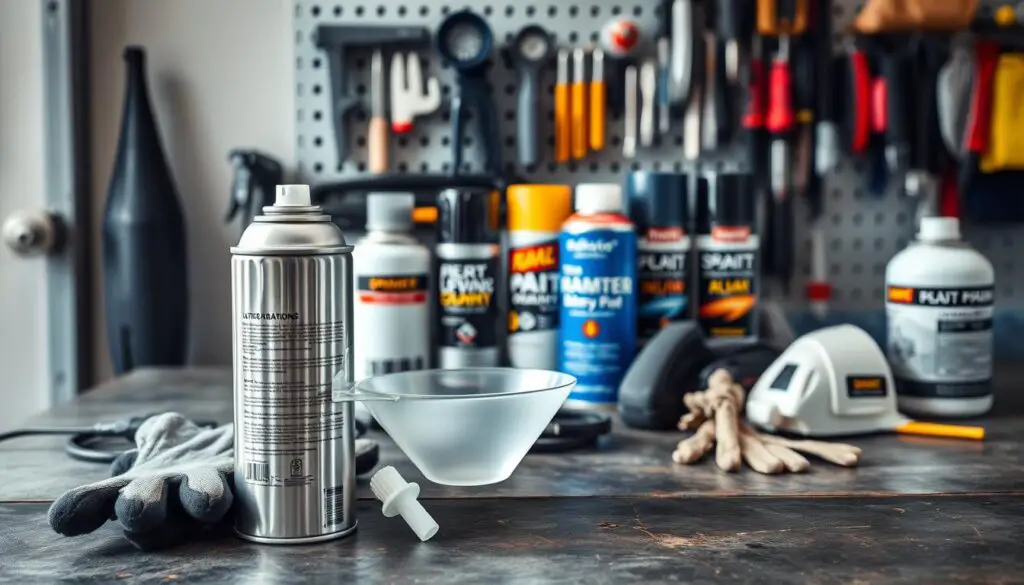
Various automotive spray products can be refilled, including paints, coatings, lubricants, and cleaning agents. Refilling these products not only reduces waste but also allows users to customize their formulations. Common reffillable spray cans include those used for touch-up paints, brake cleaners, and silicone lubricants.
Environmental and Cost Benefits of Refilling
Refilling spray cans offers significant environmental benefits by reducing the number of cans that end up in landfills and minimizing the need for new raw materials. Additionally, refilling can be cost-effective, as users can purchase bulk quantities of the product they need, rather than repeatedly buying new cans. This practice can lead to substantial savings over time.
When Refilling Is and Isn’t Recommended
While refilling spray cans can be beneficial, it’s not always recommended. Cans that have been used for hazardous materials or have damaged valves may not be suitable for refilling. It’s essential to inspect the can and its components before refilling to ensure safety and efficacy. Proper inspection can prevent potential risks associated with refilling, such as leaks or contamination.
Essential Tools and Materials for Refilling Spray Cans
Refilling spray cans safely and efficiently begins with having the appropriate tools and materials at hand. This preparation is crucial for a successful refill process.
Required Equipment Checklist
To start, you’ll need a few essential pieces of equipment. These include a refill adapter, a pressure gauge, and safety gloves. Ensuring you have these tools will make the refilling process smoother and safer.
- Refill adapter
- Pressure gauge
- Safety gloves
- Goggles
- Well-ventilated workspace
Types of Propellants and Their Properties
The choice of propellant is critical in refilling spray cans. Common propellants include compressed gases like nitrogen and carbon dioxide, as well as hydrocarbons. Each has its properties, such as pressure rating and compatibility with the can’s contents.
| Propellant Type | Pressure Rating | Compatibility |
|---|---|---|
| Nitrogen | High | Excellent |
| Carbon Dioxide | Medium | Good |
| Hydrocarbons | Low to Medium | Variable |
Sourcing Quality Refill Materials and Components
Sourcing high-quality refill materials is vital for the safety and effectiveness of the refilled spray cans. Look for reputable suppliers that provide materials compatible with your specific needs.
Key considerations include: material compatibility, supplier reputation, and compliance with regulations.
Legal Considerations for Handling Propellants
Handling propellants involves legal responsibilities, including compliance with safety regulations and environmental laws. It’s essential to understand these legal considerations to avoid potential liabilities.

Safety Precautions Before You Begin
To ensure a safe refilling process, several precautions must be taken beforehand. Refilling spray cans involves handling potentially hazardous materials, and without proper safety measures, the risk of accidents increases significantly.
Setting Up a Proper Workspace
A well-ventilated workspace is crucial when refilling spray cans. Ensure good airflow to prevent the accumulation of vapors from the propellants and other chemicals. The workspace should also be free from any ignition sources, such as open flames or sparks.
Essential Personal Protective Equipment
Wearing the right personal protective equipment (PPE) is vital. This includes gloves to prevent skin contact with chemicals, safety goggles to protect your eyes, and a mask to avoid inhaling fumes. PPE significantly reduces the risk of injury and exposure to harmful substances.
Fire Safety and Ventilation Requirements
Fire safety is paramount when handling flammable propellants. Ensure that your workspace is equipped with a fire extinguisher rated for chemical fires. Proper ventilation is also critical to prevent the buildup of flammable vapors.
Handling Pressurized Containers Safely
Pressurized containers require careful handling to avoid accidents. Always check the container for any signs of damage or wear before refilling. Follow the manufacturer’s guidelines for handling and refilling pressurized cans to minimize risks.
By adhering to these safety precautions, you can significantly reduce the risks associated with refilling spray cans. It’s essential to be meticulous and prepared to handle the potential hazards involved.
How to Refill Spray Cans: A Step-by-Step Guide for Car Enthusiasts
The process of refilling spray cans involves several key steps that ensure safety and effectiveness. Refilling spray cans can be a cost-effective and environmentally friendly option for car enthusiasts who regularly use automotive spray products.
Preparing the Empty Spray Can
Before starting the refill process, it’s essential to prepare the empty spray can. Ensure the can is completely empty by checking the weight and listening for any remaining liquid. Remove any labels or residue that could interfere with the refill process.
Step 1: Releasing Remaining Pressure Safely
Releasing any remaining pressure in the can is crucial for safety. To do this, locate the valve stem and depress it in a well-ventilated area, away from any ignition sources. This step prevents any accidental discharge or explosion.
Step 2: Removing and Inspecting the Valve System
Carefully remove the valve system to inspect for any damage or wear. The valve system is crucial for the proper functioning of the spray can. Inspect the valve for any signs of damage and clean or replace it as necessary.
Step 3: Cleaning the Can Interior Thoroughly
Thoroughly cleaning the interior of the can is vital to prevent contamination. Use a gentle cleaning solution and ensure the can is rinsed and dried completely before proceeding.
Step 4: Adding New Content and Propellant
Once the can is prepared, it’s time to add the new content and propellant. Use high-quality refill materials that are compatible with the original product. Ensure the correct ratio of content to propellant is maintained for optimal performance.
Step 5: Resealing the Can Properly
After adding the new content and propellant, reseal the can properly. Ensure the valve system is securely reattached and the can is sealed tightly to prevent leaks.
Testing Your Newly Refilled Spray Can
Before using the refilled spray can, test it to ensure it’s functioning correctly. Check for any leaks and verify that the spray pattern is consistent and as expected.
Troubleshooting Common Issues
Common issues such as clogged valves or inconsistent spray patterns can occur. Refer to the troubleshooting guide to address these issues. Regular maintenance and proper handling can prevent many of these problems.
By following these steps and taking the necessary precautions, car enthusiasts can successfully refill their spray cans, ensuring a cost-effective and environmentally friendly solution for their automotive needs.
Conclusion
Refilling spray cans is a practical skill that can enhance your car care routine while reducing waste and saving money. By following the step-by-step guide outlined in this article, you can successfully refill your spray cans and maintain their effectiveness.
DIY refilling is not only cost-effective but also environmentally friendly, as it reduces the need for new cans and minimizes waste. With the right tools and safety precautions, you can confidently refill your spray cans and explore other DIY projects related to car care and maintenance.
Effective spray can maintenance is crucial for achieving professional results in car care. By understanding how to properly refill and maintain your spray cans, you can ensure a smooth and efficient application process, resulting in a high-quality finish.
As you continue to explore DIY refilling and car care, consider experimenting with different techniques and products to find what works best for you. With practice and patience, you can master the art of DIY refilling and take your car care to the next level.
FAQ
What are the benefits of refilling spray cans?
Refilling spray cans offers several benefits, including cost savings, reduced waste, and the ability to customize the contents to your specific needs. By refilling, you can also reduce your environmental footprint by minimizing the number of cans that end up in landfills.
What types of spray cans can be refilled?
Various types of spray cans used in the automotive sector can be refilled, including those containing paint, primers, adhesives, and other chemicals. However, it’s essential to check the can’s compatibility with refilling and ensure that the contents are suitable for your needs.
What safety precautions should I take when refilling spray cans?
When refilling spray cans, it’s crucial to wear personal protective equipment, including gloves, safety glasses, and a mask. You should also work in a well-ventilated area, away from open flames or sparks, and follow proper procedures for handling pressurized containers.
How do I know if a spray can is safe to refill?
To determine if a spray can is safe to refill, inspect the can for any damage or corrosion. Check the valve system for any signs of wear or damage, and ensure that the can is properly cleaned and dried before refilling.
What are the most common issues that arise when refilling spray cans?
Common issues that may arise when refilling spray cans include leaks, clogs, and improper spray patterns. Troubleshooting these issues typically involves checking the valve system, ensuring proper cleaning and maintenance, and adjusting the can’s contents or propellant.
Can I refill spray cans with different types of propellants?
Yes, you can refill spray cans with different types of propellants, but it’s essential to understand the properties and compatibility of the propellant with the can’s contents. Some propellants may be more suitable for specific applications or contents, so it’s crucial to choose the right propellant for your needs.
Are there any legal considerations for handling propellants?
Yes, there are legal considerations for handling propellants, including compliance with regulations regarding the storage, handling, and disposal of hazardous materials. It’s essential to familiarize yourself with local laws and regulations to ensure safe and compliant handling of propellants.