Keeping your vehicle in top shape requires consistent attention and care. Reliable car battery maintenance ensures that your engine starts every single morning without any unexpected delays. Many modern manufacturers now place a protective shield over the power cell to prevent debris buildup.
Drivers often find that performing a plastic cover removal is the first step toward checking electrical connections. You must carefully unfasten this casing to avoid snapping the small clips that hold it in place. This guide simplifies the process so you can access the terminals quickly and safely.
Our instructions provide the necessary steps to handle this task using basic household tools. Mastering car battery maintenance starts with understanding how to navigate these external layers. You will soon feel confident performing this Remove procedure on your own Plastic Cover in the Car Battery area.
Key Takeaways
- Identify the specific locking tabs on the protective shield.
- Gather the proper tools for a safe plastic cover removal.
- Protect the electrical terminals from accidental short circuits.
- Learn the correct way to lift the casing without breaking plastic.
- Understand why a clean power source lasts longer in extreme weather.
- Prepare the vehicle for deep cleaning or terminal replacement.
1. Understanding Car Battery Plastic Covers and Their Purpose
Understanding the purpose and design of car battery plastic covers is vital for any vehicle owner looking to maintain or replace their battery. These covers are not just simple accessories; they serve critical functions that impact the performance and safety of the vehicle’s electrical system.
What Is a Battery Plastic Cover
A battery plastic cover is a protective casing designed to encase the car battery, shielding it from environmental factors and preventing accidental contact with the battery terminals. This cover is typically made from durable plastic materials to withstand the rigors of engine compartment temperatures and vibrations.
Why Manufacturers Install Battery Covers
Car manufacturers install battery covers for several key reasons. Primarily, they enhance safety by preventing accidental shorts and protecting against electrical shock. Additionally, they help keep the battery terminals clean by shielding them from dust and debris. For instance, accessing the battery in some vehicles, like the Ford Transit, requires understanding the specific design and attachment method of the cover, as detailed in guides on how to access the Ford Transit.
Common Types of Battery Cover Designs
Battery cover designs vary among vehicle manufacturers, reflecting different approaches to securing the cover and ensuring it serves its protective purpose. Common designs include:
- Clip-on covers that use plastic clips to secure the cover in place.
- Screw-secured covers that require removing screws to access the battery.
- Covers with a combination of clips and screws for added security.
Understanding the specific design of your vehicle’s battery cover is crucial for easy removal and reinstallation. 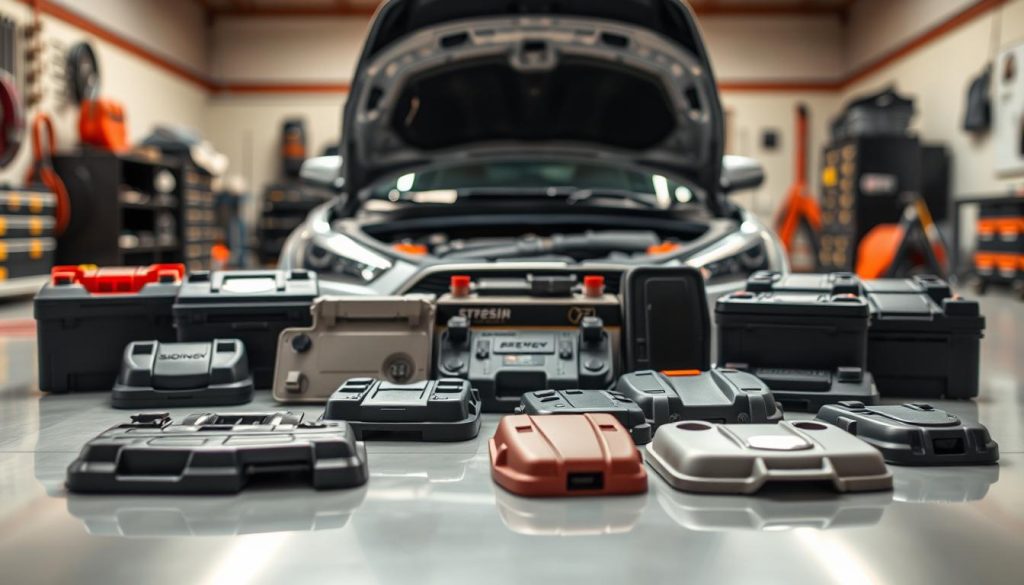
2. Safety Precautions Before Starting
To avoid potential hazards, it’s essential to follow proper safety precautions when dealing with car batteries. Working with car batteries can be dangerous if you’re not properly prepared.
Required Personal Protective Equipment
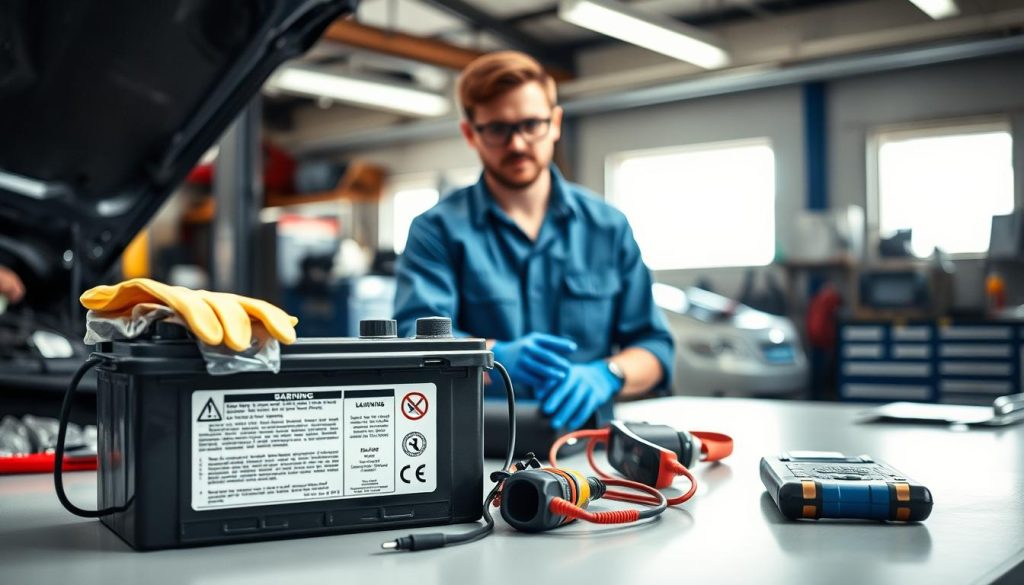
When handling car batteries, it’s crucial to wear the right personal protective equipment (PPE). This includes safety glasses or goggles to protect your eyes from chemical splashes or debris.
Additionally, wearing gloves can prevent skin contact with corrosive materials or electrical shock. A pair of mechanic’s gloves or heavy-duty rubber gloves is recommended for optimal protection.
Battery-Related Hazards to Avoid
Car batteries pose several hazards, including electrical shock, chemical burns, and explosions. It’s vital to be aware of these risks to take appropriate precautions.
- Electrical shock from improper handling or short circuits
- Chemical burns from acid spills or leaks
- Explosions due to hydrogen gas buildup
Preparing a Safe Work Environment
Before starting, ensure your work environment is safe and well-ventilated. Turn off the engine and engage the parking brake to prevent any accidental starts or movements.
Clear the area around the battery of any flammable materials or objects that could cause a short circuit. It’s also a good practice to consult your vehicle’s manual for specific instructions related to your car’s battery.
3. Tools and Materials You’ll Need
Having the correct tools and materials is crucial for safely and effectively removing the plastic cover from your car’s battery. The right equipment not only makes the process easier but also helps prevent potential damage to the battery or surrounding components.
Essential Hand Tools for Cover Removal
To begin, you’ll need some basic hand tools that are commonly found in most toolboxes. These include:
- A flathead screwdriver for prying open clips or removing screws
- A Phillips-head screwdriver for removing screws that hold the cover in place
- Pliers for gripping small parts or clips
- A wrench or socket set for loosening any bolts that may be securing the battery or its cover
Optional Tools for Difficult Situations
In some cases, you may encounter a particularly stubborn cover or corroded fasteners. For these situations, having the following tools on hand can be helpful:
- A trim removal tool for safely prying off plastic clips without causing damage
- Penetrating oil (such as WD-40) to loosen corroded bolts or screws
- A battery terminal brush for cleaning corrosion from the terminals
By having these tools and materials ready, you’ll be well-prepared to remove the plastic cover from your car’s battery safely and efficiently.
4. Step-by-Step Guide: How to Remove Plastic Cover from Car Battery
Removing the plastic cover from your car battery is a crucial step in accessing the battery terminals for maintenance or replacement. This step-by-step guide will walk you through the process, ensuring you can do it safely and effectively.
Step 1: Locate Your Vehicle’s Battery
The first step is to locate your vehicle’s battery. The battery’s position varies depending on the make and model of your car. Typically, it’s found in the engine compartment, but some vehicles have it in the trunk or under the rear seat. Consult your owner’s manual or look for a label on the battery cover to determine its location.
Step 2: Identify the Cover Attachment Method
Once you’ve located the battery, inspect the plastic cover to determine how it’s attached. Common attachment methods include clips, fasteners, or retaining bolts. Understanding how the cover is secured will help you prepare the necessary tools for removal.
Step 3: Remove Plastic Clips and Fasteners
If the cover is held in place by plastic clips or fasteners, you’ll need to release these before proceeding. Use a suitable tool, such as a flathead screwdriver or clip removal tool, to gently pry the clips open or release the fasteners. Be careful not to damage the clips or the cover.
Step 4: Unscrew Retaining Bolts or Screws
If the cover is secured with bolts or screws, use the appropriate tool (e.g., a socket wrench or screwdriver) to remove them. Place the bolts or screws in a safe location where they won’t get lost.
Step 5: Lift the Cover Off the Battery
With the clips, fasteners, bolts, or screws removed, you should be able to lift the cover off the battery. If it doesn’t come off easily, double-check that all securing mechanisms have been released.
Step 6: Set Aside the Cover for Reinstallation
Once the cover is removed, set it aside in a safe place to prevent damage. You’ll need it for reinstallation after you’ve completed your battery maintenance or replacement tasks.
5. Troubleshooting Common Removal Challenges
Despite careful planning, issues may arise during the removal of the car battery’s plastic cover, necessitating effective troubleshooting. This section will address common challenges you might face and provide practical solutions to overcome them.
Working with Corroded or Seized Fasteners
Corrosion or seizure can make fasteners difficult to remove. To tackle this issue, apply a penetrating oil, such as WD-40 or Liquid Wrench, to the affected area. Let it sit for a few minutes to allow the oil to seep into the corrosion before attempting to remove the fasteners.
Table: Common Penetrating Oils for Corroded Fasteners
| Product | Description | Application Time |
|---|---|---|
| WD-40 | Penetrating oil and water displacer | 5-10 minutes |
| Liquid Wrench | Penetrating oil for loosening stuck parts | 5-15 minutes |
| PB Blaster | Penetrating catalyst for freeing rusted parts | 10-30 minutes |
Managing Brittle or Damaged Plastic Covers
If the plastic cover is brittle or damaged, it may break during removal. To minimize this risk, inspect the cover carefully before starting and consider using a plastic repair kit if necessary. When handling a brittle cover, wear gloves to improve grip and reduce the pressure applied to the cover.
Locating and Releasing Hidden Clips
Some plastic covers are secured with hidden clips that are not immediately visible. To locate these clips, inspect the cover’s edges and underside carefully. Use a flashlight to illuminate dark areas, and gently pry the cover away from the battery to reveal any hidden fasteners.
By understanding these common challenges and applying the appropriate troubleshooting techniques, you can successfully remove the plastic cover from your car battery.
6. Reinstalling the Battery Cover Properly
Reinstalling the battery cover is a crucial step that ensures your car’s battery is properly protected. After you’ve completed any necessary maintenance or inspections under the cover, it’s essential to put everything back in place correctly.
Cleaning the Cover Before Reinstallation
Before putting the cover back, inspect it for any dirt, debris, or damage. Cleaning the cover is a simple step that can prevent future issues. Use a soft brush or cloth to remove any dirt or corrosion. For more thorough cleaning, a mild soap solution can be used, but ensure the cover is completely dry before reinstalling.
Aligning and Securing the Cover Correctly
To align the cover correctly, first, identify the tabs or clips that hold it in place. Proper alignment is key to ensuring the cover fits snugly over the battery. Gently push the cover down until it clicks or fits securely. If your cover is held in place by screws or bolts, make sure to tighten them securely but avoid overtightening, which can damage the cover or the battery.
| Method | Description | Tools Needed |
|---|---|---|
| Clip-on Method | Align the cover with the battery and push down until it clicks into place. | None |
| Screw or Bolt Method | Place the cover over the battery and secure it with screws or bolts. | Screwdriver or Wrench |
Verifying a Secure Fit
After reinstalling the cover, verify that it is securely in place. Check that all clips, tabs, or fasteners are properly engaged. A simple tug on the cover can ensure it’s not loose. If it feels loose, recheck the alignment and securing method.
By following these steps, you can ensure that your car’s battery cover is properly reinstalled, protecting the battery and maintaining your vehicle’s overall health.
7. Battery Maintenance Tips After Cover Removal
With the cover off, you can now inspect and maintain your car battery to prolong its lifespan and prevent potential issues. Proper maintenance is crucial for ensuring your vehicle’s electrical system operates smoothly.
Inspecting and Cleaning Battery Terminals
Inspecting the battery terminals is a critical step in maintaining your car battery. Corrosion on the terminals can lead to poor electrical connections, affecting your vehicle’s performance. To inspect the terminals, look for any signs of corrosion, such as a white or greenish powdery substance.
To clean the terminals, mix 1 tablespoon of baking soda with 1 tablespoon of water to form a paste. Apply the paste to the terminals and let it sit for a few minutes. Then, use a wire brush to scrub away the corrosion. Rinse with water and dry the terminals thoroughly.
Checking Electrolyte Levels in Serviceable Batteries
For serviceable batteries, checking the electrolyte levels is essential. Low electrolyte levels can cause damage to the battery plates, reducing the battery’s lifespan. To check the levels, look for the minimum and maximum marks on the side of the battery.
If the level is below the minimum mark, you’ll need to top it up with distilled water. Be careful not to overfill, as this can cause the electrolyte to spill over during charging.
Signs You Need a New Battery or Cover
During maintenance, inspect your battery and cover for signs of wear or damage. Age is a significant factor; most car batteries last between 3 to 5 years. If your battery is nearing or has exceeded this age range, it may be time to consider a replacement.
Other signs that you may need a new battery or cover include swelling or bloating of the battery case, cracks in the cover, or difficulty starting your vehicle. If you notice any of these signs, consult a professional mechanic for advice.
8. Conclusion
Properly removing and reinstalling the plastic cover on your car battery is crucial for maintaining its overall health and longevity. By following the steps outlined in this guide, you can ensure a safe and effective process.
Regular battery maintenance, including inspecting and cleaning the terminals, checking electrolyte levels, and verifying the secure fit of the cover, will help prevent common issues and prolong the life of your car’s battery.
A well-maintained battery is essential for reliable vehicle performance. By taking the time to correctly remove and reinstall the plastic cover, you can help prevent damage and ensure your car starts every time.