Water spots on car windows can be a frustrating issue for many vehicle owners. These unsightly marks not only obstruct the view but also compromise the overall appearance of the vehicle. Effective car window cleaning is crucial for maintaining a clear and streak-free windshield.
The presence of water spots can be due to various factors, including mineral deposits in the water. DIY car care enthusiasts can benefit from a simple and efficient method to tackle this problem. This article will guide you through a straightforward process for water spot removal, ensuring your car’s windows are spotless.
Key Takeaways
- Understanding the causes of water spots on car windows
- Importance of effective car window cleaning
- Simple DIY methods for water spot removal
- Tips for achieving a streak-free finish
- Benefits of regular DIY car care
Understanding Water Spots on Car Windows
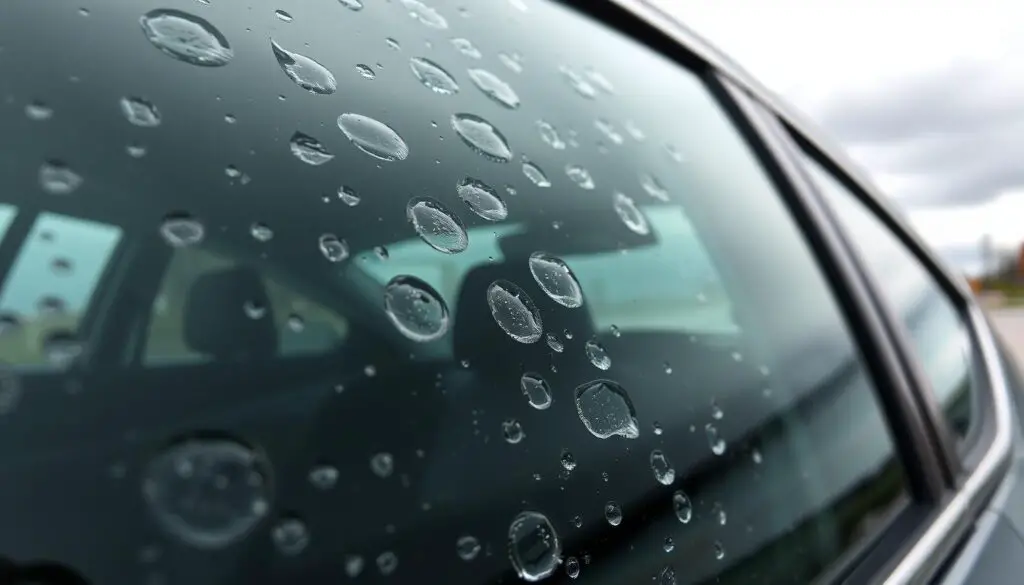
Water spots on car windows can be a frustrating issue for many car owners. These spots not only affect the appearance of the vehicle but can also obstruct the driver’s view, potentially leading to safety issues.
What Causes Water Spots?
Water spots are primarily caused by the evaporation of water, leaving behind minerals and other contaminants. The type and severity of the spots depend on the composition of the water and the presence of other substances on the window.
Types of Water Spots You Might Encounter
There are several types of water spots that can form on car windows, including:
- Hard Water Mineral Deposits: These are caused by water rich in minerals such as calcium and magnesium.
- Acid Rain Spots: Formed when acidic rainwater evaporates, leaving behind residues that can etch into the glass.
- Soap Residue Spots: Result from improper rinsing after washing the car, leaving soap scum on the windows.
Why Prompt Removal is Important
Removing water spots promptly is crucial to prevent long-term damage to the car’s windows. For more information on how to tackle stubborn spots, you can visit this page for additional tips.
Essential Tools and Materials for Water Spot Removal
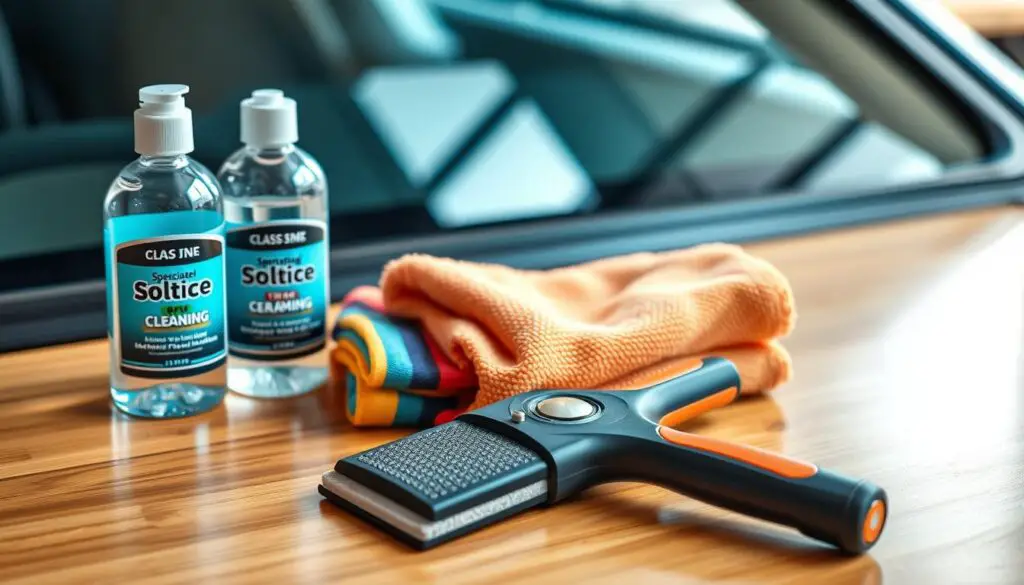
The right equipment is crucial for successfully removing water spots from your car’s windows. To start, you’ll need to gather a few basic cleaning supplies and some specialized products for more stubborn spots.
Basic Cleaning Supplies
Basic cleaning supplies are the foundation of removing water spots. These include:
- Microfiber Towels: Gentle on surfaces and effective at absorbing liquids.
- Spray Bottles: Useful for mixing and applying cleaning solutions.
- Glass Cleaners: Specifically designed for cleaning glass surfaces without leaving streaks.
Specialized Products for Stubborn Spots
For more stubborn water spots, you’ll need specialized products:
- Water Spot Removers: Formulated to break down and remove mineral deposits.
- Clay Bars: Effective at removing contaminants and stubborn spots.
- Glass Polishing Compounds: Used to restore clarity to glass surfaces.
Household Alternatives
If you prefer not to use commercial products, several household alternatives can be effective:
- Vinegar Solutions: Mix white vinegar with water to create a solution that can help dissolve mineral deposits.
- Baking Soda Pastes: Baking soda mixed with water can be used to gently scrub away spots.
- Lemon Juice Applications: The acidity in lemon juice can help break down mineral deposits.
As “The best way to get started is to quit talking and begin doing.” – Walt Disney, having the right tools is the first step towards removing water spots effectively.
Remove Water Spots From Car Windows: Easy Step-by-Step Guide
To restore your car’s windows to their original clarity, follow this step-by-step guide on removing water spots.
Preparation Steps
Before diving into the removal process, it’s essential to prepare your car’s windows.
Cleaning the Surface
Start by washing the car thoroughly to remove any dirt or debris that might interfere with the removal process. Use a mild soap and dry the windows completely.
Safety Precautions
Wear protective gloves and eyewear to prevent any potential harm from the cleaning solutions or materials.
Method 1: Vinegar Solution Technique
A vinegar solution is a cost-effective and eco-friendly way to remove water spots.
Mixing the Solution
Mix equal parts of water and white vinegar in a spray bottle.
Application Process
Spray the solution onto the water spots and let it sit for a few minutes. Then, scrub the area gently with a microfiber cloth.
Rinsing and Drying
Rinse the window with clean water and dry it with a microfiber cloth to prevent streaks.
Method 2: Commercial Glass Cleaners
For more stubborn water spots, consider using commercial glass cleaners.
Product Selection
Choose a cleaner that is ammonia-free and suitable for automotive glass.
Application Technique
Spray the cleaner onto the water spot and wipe it clean with a microfiber cloth.
Buffing for Streak-Free Results
Use a dry microfiber cloth to buff the window and remove any remaining streaks.
Method 3: Clay Bar Treatment
A clay bar treatment can be effective for removing stubborn mineral deposits.
Preparing the Clay Bar
Knead the clay bar until it’s soft and pliable.
Working the Surface
Gently rub the clay bar over the water spot, using a lubricant like a detailing spray.
Final Cleaning
After using the clay bar, clean the window with a glass cleaner and dry it with a microfiber cloth.
| Method | Effectiveness | Ease of Use |
|---|---|---|
| Vinegar Solution | High | Easy |
| Commercial Glass Cleaners | Very High | Moderate |
| Clay Bar Treatment | High | Challenging |
Tackling Stubborn Mineral Deposits
Tackling stubborn mineral deposits on your car’s windows involves understanding the cause and applying the appropriate removal method. These deposits, often resulting from hard water or environmental factors, can significantly impair visibility and, if left untreated, may lead to permanent damage.
Identifying Persistent Water Spots
The first step in addressing stubborn mineral deposits is identifying the spots. These are typically visible as cloudy or hazy areas on the glass surface. Unlike regular dirt or grime, mineral deposits leave behind a residue that is not easily removed by standard cleaning methods.
Using Glass Polishing Compounds
For more persistent spots, glass polishing compounds are highly effective. These compounds are designed to remove the mineral deposits without scratching the glass.
Manual Application
When applying glass polishing compounds manually, it’s crucial to follow the product’s instructions and use a soft, clean cloth to avoid scratching the glass. Gently rub the affected area in a circular motion until the deposit is removed.
Machine Application
For particularly stubborn deposits, using a machine polisher can be more effective. This method requires more caution, as the risk of damaging the glass or surrounding paint is higher if not done correctly.
Special Case: Tinted Windows
Tinted windows require special care. When dealing with tinted windows, it’s essential to use products that are safe for the tint.
Safe Products for Tinted Glass
Look for cleaning products that are specifically labeled as safe for use on tinted glass. These products are formulated to clean effectively without damaging the tint or leaving residue.
Gentle Techniques
Adopt gentle cleaning techniques to avoid damaging the tint. Avoid using abrasive materials or harsh chemicals, as these can strip away the tint or cause it to bubble.
When to Consider Professional Help
If the mineral deposits are particularly stubborn or you’re unsure about the best removal method, it may be time to seek professional help. Professionals have the necessary equipment and expertise to remove the deposits without damaging your car’s windows or tint.
Preventing Future Water Spots
A proactive approach is key to preventing water spots from marring your car’s windows. By adopting a few simple measures, you can maintain clear visibility and reduce the need for frequent cleaning.
Protective Coatings and Sealants
Applying protective coatings and sealants can significantly reduce the occurrence of water spots. These products create a hydrophobic surface that repels water, making it easier to maintain clean windows.
Hydrophobic Glass Treatments
Hydrophobic glass treatments are particularly effective, as they cause water to bead up and roll off the surface, reducing the likelihood of spots forming.
Wax-Based Protectants
Wax-based protectants offer another layer of protection, creating a barrier between the glass and water that can help prevent mineral deposits from forming.
Regular Maintenance Routine
Establishing a regular maintenance routine is crucial for preventing water spots. This includes a weekly cleaning schedule and seasonal considerations to ensure your car’s windows remain spotless.
Weekly Cleaning Schedule
Cleaning your car’s windows weekly with a mild detergent can help prevent the buildup of dirt and minerals that contribute to water spots.
Seasonal Considerations
During different seasons, you may need to adjust your cleaning products and frequency to address specific challenges such as pollen or salt residue.
Quick-Drying Techniques After Car Washes
After washing your car, using quick-drying techniques can help prevent water spots from forming.
Chamois and Microfiber Methods
Using a chamois or microfiber cloth to dry your car’s windows can be highly effective, as these materials absorb water without leaving streaks or residue.
Air Drying Tips
If you prefer air drying, ensure that your car is parked in a shaded area or use a drying aid to speed up the process and reduce spotting.
| Method | Effectiveness | Ease of Use |
|---|---|---|
| Hydrophobic Glass Treatments | High | Moderate |
| Wax-Based Protectants | Moderate | Easy |
| Chamois Drying | High | Easy |
Maintaining Clear Car Windows
Removing water spots from car windows is a straightforward process when done correctly. By understanding the causes of water spots and using the right techniques, you can keep your car’s windows clean and streak-free.
The methods outlined in this guide, from using vinegar solutions to applying glass polishing compounds, provide effective solutions for different types of water spots. Regular maintenance is key to preventing future spots from forming.
By incorporating protective coatings, regular cleaning routines, and quick-drying techniques after car washes, you can maintain your car’s appearance and ensure clear visibility while driving. This water spot removal summary highlights the importance of consistent care for your vehicle’s windows.
In conclusion, maintaining clear car windows requires attention to detail and the right techniques. With these tips, you can enjoy a cleaner, safer driving experience.
FAQ
What are water spots on car windows?
Water spots on car windows are mineral deposits left behind when water evaporates, often caused by hard water, acid rain, or soap residue.
Why is it important to remove water spots promptly?
Removing water spots promptly is crucial to prevent long-term damage to the car’s windows, such as etching or staining.
What are the best tools for removing water spots from car windows?
The best tools for removing water spots include microfiber towels, glass cleaners, water spot removers, clay bars, and glass polishing compounds.
Can I use household alternatives to remove water spots?
Yes, household alternatives like vinegar solutions, baking soda pastes, and lemon juice applications can be used to remove water spots.
How do I prevent future water spots on my car’s windows?
To prevent future water spots, apply protective coatings or sealants, maintain a regular cleaning schedule, and use quick-drying techniques after car washes.
Are there special considerations for removing water spots from tinted windows?
Yes, when removing water spots from tinted windows, use safe products and gentle techniques to avoid damaging the tint.
When should I consider seeking professional help for removing water spots?
Consider seeking professional help if the water spots are particularly stubborn or if you’re unsure about the best removal method.
What are hydrophobic glass treatments, and how do they help?
Hydrophobic glass treatments are coatings that repel water, making it easier to clean the windows and reducing the likelihood of water spots forming.