Maintaining your vehicle’s windshield wiper system is crucial for safe driving, especially during rainy or snowy conditions. A faulty windshield wiper switch can lead to malfunctioning wipers, compromising your visibility on the road.
Replacing the windshield wiper switch is a relatively straightforward process that can be accomplished with basic DIY skills. In this article, we will walk you through the steps involved in DIY wiper switch replacement, ensuring that you can get back to driving safely and confidently.
By following our guide, you’ll be able to identify the signs of a failing windshield wiper switch and learn the necessary steps to replace it.
Key Takeaways
- Signs that indicate a faulty windshield wiper switch
- Tools required for DIY wiper switch replacement
- Step-by-step guide to replacing the windshield wiper switch
- Tips for ensuring a successful replacement
- Common mistakes to avoid during the replacement process
Understanding Your Windshield Wiper Switch and When to Replace It
Your vehicle’s windshield wiper switch plays a vital role in ensuring your safety on the road by controlling the wipers’ operation. The windshield wiper switch is a crucial component that allows you to adjust the wiper speed according to the weather conditions.
What Is a Windshield Wiper Switch and How Does It Work
The windshield wiper switch is an electrical component connected to the wiper motor and the vehicle’s electrical system. When you turn the switch, it sends an electrical signal to the wiper motor, controlling the wipers’ speed and intermittent settings. The proper functioning of the wiper switch is essential for maintaining clear visibility during rain or snow.
The wiper switch typically has multiple settings, including low speed, high speed, and intermittent. Some modern vehicles also have rain-sensing wipers that automatically adjust their speed based on the rainfall intensity. The switch is usually located on the steering column or dashboard, making it easily accessible to the driver.
Common Signs Your Wiper Switch Has Failed
A faulty wiper switch can manifest in various ways, including:
- Wipers not turning on or off
- Wipers not switching between speeds
- Intermittent wiper function not working correctly
- Wipers operating continuously without stopping
If you notice any of these symptoms, it’s likely that your wiper switch needs to be replaced. Ignoring these signs can lead to reduced visibility during driving, potentially causing accidents.
Why Timely Replacement Matters for Driving Safety
Replacing a faulty wiper switch is crucial for maintaining driving safety. A malfunctioning wiper switch can lead to:
- Reduced visibility during rain or snow
- Increased risk of accidents due to impaired visibility
- Potential electrical issues if the faulty switch causes a short circuit
Timely replacement of the wiper switch ensures that your wipers function correctly, maintaining clear visibility and reducing the risk of accidents. It’s a simple yet critical maintenance task that contributes significantly to driving safety.
Tools and Materials Required for the Job
Before starting the replacement process, it’s crucial to gather the necessary tools and materials. Having everything you need within reach will make the task more efficient and less frustrating.
Essential Hand Tools and Equipment
To replace your windshield wiper switch, you’ll need a set of basic hand tools. These typically include a screwdriver set (both Phillips and flathead), a trim removal tool, and a socket set. Ensure your tools are in good condition to avoid damaging any components.
- Screwdriver set (check price on Amazon)
- Trim removal tool (check price on Amazon)
- Socket set (check price on Amazon)
- Pliers and wire cutters (check price on Amazon)
Selecting the Correct Replacement Switch for Your Vehicle
Choosing the right replacement wiper switch is critical. You’ll need to know your vehicle’s make, model, and year to select a compatible switch. Consult your owner’s manual or contact a parts supplier to ensure you get the correct part. Using the wrong switch can lead to improper function or even damage to your vehicle’s electrical system.
| Vehicle Information | Switch Type | Compatibility Check |
|---|---|---|
| Make, Model, Year | Standard or Intermittent | Consult Manual or Parts Supplier |
Optional Items That Make the Job Easier
While not necessary, certain items can make the replacement process smoother. These include a repair manual specific to your vehicle, a multimeter for checking electrical circuits, and a work light to illuminate the work area. 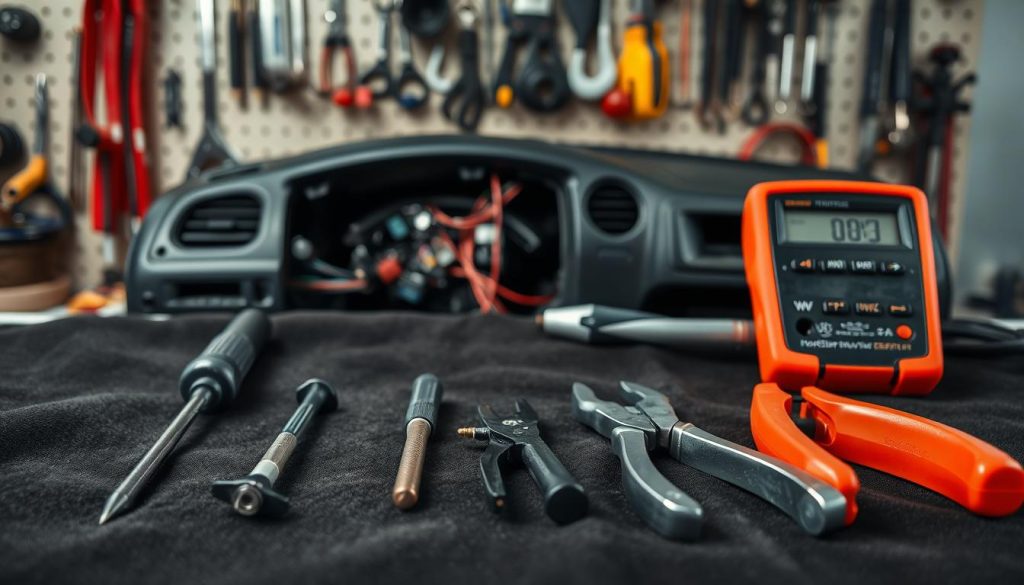
- Repair manual
- Multimeter
- Work light
- Comfortable work gloves
By having the right tools and materials, you’ll be well-prepared to replace your windshield wiper switch efficiently and safely.
Preparing Your Vehicle for Wiper Switch Replacement
Before you start replacing your windshield wiper switch, it’s crucial to prepare your vehicle to ensure a smooth and safe process. This involves taking several safety precautions and accessing the wiper switch behind the steering column.
Disconnecting the Battery to Prevent Electrical Shorts
To avoid any accidental starts or electrical shorts, disconnecting the battery is a critical first step. Locate your vehicle’s battery and identify the negative cable, usually marked with a negative (-) sign or colored black. Loosen the nut on the negative terminal clamp using a wrench, then pull the clamp off the terminal. This action disconnects the battery, ensuring your safety while working on the electrical system.
Accessing the Wiper Switch Behind the Steering Column
The windshield wiper switch is typically located behind the steering column. To access it, you’ll need to remove certain components. First, ensure your vehicle is in a safe state by engaging the parking brake and turning off the ignition. The exact steps to access the wiper switch may vary depending on your vehicle’s make and model.
For most vehicles, you’ll need to remove the steering column covers and possibly some trim panels. This process is detailed in the next subsection.
Removing Steering Column Covers and Trim Panels
To access the wiper switch, you may need to remove the steering column covers. These are usually held in place by screws or clips. Use a screwdriver to remove the screws, then gently pry the covers off. Some vehicles also have trim panels around the steering column that need to be removed. These are typically clipped into place, so you’ll need to release the clips carefully.
| Component | Typical Fasteners | Notes |
|---|---|---|
| Steering Column Lower Cover | Screws | Usually accessible from below |
| Steering Column Upper Cover | Clips or Screws | May require removing lower cover first |
| Trim Panels | Clips | Be gentle to avoid breaking clips |
After removing the necessary components, you’ll have access to the wiper switch. Take a moment to inspect the area and familiarize yourself with the layout before proceeding.
How to Replace Your Windshield Wiper Switch: Step-by-Step Removal
Understanding how to replace your windshield wiper switch is essential for maintaining clear visibility while driving. The replacement process involves several critical steps that must be followed carefully to ensure a successful outcome.
Step 1: Locate and Disconnect the Wiring Harness Connector
The first step in removing the old windshield wiper switch is to locate and disconnect the wiring harness connector. This connector is typically found behind the steering column and is attached to the switch. To disconnect it, you may need to press a release tab or twist the connector. Carefully pull the connector away from the switch to avoid damaging the wiring.
Step 2: Remove Retaining Screws or Release Clips
Once the wiring harness connector is disconnected, the next step is to remove the retaining screws or release clips that hold the switch in place. These screws or clips can be located on the steering column or the dashboard. Use a screwdriver to remove the screws, or press the release clips to free the switch.
Step 3: Carefully Extract the Failed Wiper Switch
With the retaining screws or clips removed, you can now carefully extract the failed wiper switch from its mounting. This may require some gentle maneuvering, especially if the switch is stuck or has been in place for a long time. Take your time to avoid causing any damage to the surrounding area.
Step 4: Examine the Connector and Wiring for Damage
After removing the old switch, it’s crucial to examine the connector and wiring for any signs of damage. Check for frayed wires, corrosion, or worn-out connectors. If you find any damage, it’s recommended to repair or replace the affected components before installing the new switch. This step ensures that your new wiper switch will function properly and safely.
Installing Your New Windshield Wiper Switch
With the replacement switch in hand, follow these steps to complete the installation. Installing a new windshield wiper switch is a straightforward process that requires attention to detail to ensure all connections are secure and the switch functions correctly.
Step 1: Align and Insert the New Switch into Position
Begin by aligning the new switch with the mounting bracket or housing. Ensure it is properly seated before proceeding to secure it. The switch should fit snugly into its designated space, so gentle but firm pressure is recommended.
Step 2: Secure the Switch with Mounting Hardware
Once the switch is aligned and inserted, use the mounting hardware (screws or clips) provided with the replacement switch or originally installed to secure it in place. Tighten the screws firmly but avoid overtightening, which could damage the switch or its housing.
Step 3: Reconnect the Electrical Wiring Harness
Reconnecting the wiring harness is a critical step. Carefully align the connector with the switch’s electrical interface and push it into place until it clicks or is securely fastened. Ensure that all wiring is not pinched or damaged during this process.
Step 4: Reinstall Steering Column Covers and Trim
With the new switch installed and the wiring harness reconnected, reinstall any steering column covers or trim panels that were removed during the disassembly process. Make sure all clips and fasteners are securely in place to prevent rattling or other issues.
By following these steps, you should be able to successfully install your new windshield wiper switch, restoring your vehicle’s windshield wiper functionality.
Testing and Troubleshooting Your New Wiper Switch
Testing your new windshield wiper switch is essential to guarantee it’s functioning as expected. A thorough test ensures that your windshield wipers operate correctly across different speeds and settings, providing you with optimal visibility during various weather conditions.
Reconnecting the Battery and Powering Up the System
The first step in testing your new wiper switch is to reconnect the battery. Ensure the negative (black) cable is securely attached to the negative terminal, followed by the positive (red) cable to the positive terminal. Once the battery is reconnected, turn the ignition switch to the “ON” position to power up the wiper system. Be cautious not to start the engine.
Testing Each Wiper Speed and Intermittent Settings
With the wiper system powered up, test the wiper switch by moving it through its various settings, including low speed, high speed, and intermittent modes. Observe the wipers’ operation to ensure they correspond correctly with the switch position. For vehicles equipped with variable intermittent wipers, adjust the dwell time and verify that the wipers respond accordingly.
Diagnosing Problems If Wipers Still Don’t Function Properly
If the wipers fail to operate or function erratically, diagnose the issue by checking the wiring connections for any signs of damage or corrosion. Refer to the wiring diagram for your vehicle to ensure all connections are correct. If the problem persists, consult a professional mechanic for further assistance.
| Issue | Possible Cause | Solution |
|---|---|---|
| Wipers not operating | Faulty wiring or loose connections | Inspect and repair wiring, secure connections |
| Wipers operating erratically | Incorrect switch installation or faulty switch | Verify switch installation, replace if necessary |
| Intermittent wipers not functioning | Incorrect dwell time setting or faulty intermittent relay | Adjust dwell time, check or replace intermittent relay |
By following these steps, you can ensure your new windshield wiper switch is working correctly, providing you with safe and reliable operation during various driving conditions.
Conclusion
Replacing your windshield wiper switch is a crucial maintenance task that ensures your vehicle’s windshield wipers function correctly, providing clear visibility during rain or snow. This guide has walked you through the steps to replace your windshield wiper switch, from understanding when to replace it to testing the new switch.
By following the steps outlined, you can ensure a successful windshield wiper switch replacement. For more automotive repair guides, visit Automotive Simple for detailed instructions on various vehicle maintenance tasks.
A properly functioning windshield wiper system is vital for safe driving. Regularly checking and maintaining your windshield wiper switch can prevent accidents caused by reduced visibility. By summarizing the key points of windshield wiper switch replacement, this guide aims to empower you with the knowledge to keep your vehicle in optimal condition.
FAQ
What are the common signs that indicate my windshield wiper switch needs to be replaced?
Common signs include intermittent or faulty wiper operation, wipers not turning off, or wipers operating at incorrect speeds. If you notice any of these issues, it may be time to replace your windshield wiper switch.
Can I replace the windshield wiper switch myself, or do I need to consult a professional mechanic?
Replacing the windshield wiper switch can be a DIY-friendly task if you have basic knowledge of automotive repair and the necessary tools. However, if you’re unsure or uncomfortable with the process, it’s recommended to consult a professional mechanic.
How do I select the correct replacement windshield wiper switch for my vehicle?
To select the correct replacement switch, you’ll need to know your vehicle’s make, model, and year. You can then consult your owner’s manual or contact an auto parts supplier to find the correct replacement part.
What tools and materials are required to replace the windshield wiper switch?
The necessary tools and materials may include a screwdriver, trim removal tools, and a replacement wiper switch compatible with your vehicle. Optional items like a repair manual or a multimeter can also be helpful.
Are there any safety precautions I should take when replacing the windshield wiper switch?
Yes, it’s essential to disconnect the battery before starting the replacement process to prevent electrical shorts. Additionally, be cautious when handling electrical components and wiring.
How do I troubleshoot issues with my new windshield wiper switch if it’s not functioning properly?
To troubleshoot, check the wiring harness and connections for damage or corrosion. Ensure the switch is properly secured and aligned. If issues persist, consult a professional mechanic or the manufacturer’s instructions for further guidance.
Can a faulty windshield wiper switch impact driving safety?
Yes, a faulty windshield wiper switch can compromise driving safety, particularly during rain or snow. Timely replacement is crucial to maintain clear visibility and prevent accidents.
How often should I inspect my windshield wiper switch for potential issues?
Regularly inspect your windshield wiper switch as part of your vehicle’s maintenance routine, ideally during routine maintenance checks or when you notice any irregularities in wiper operation.