Safely lifting an electric vehicle like Tesla requires careful consideration to avoid damage or injury. Unlike traditional gasoline-powered cars, Teslas have unique features that demand special attention when performing maintenance or repairs.
When it comes to Tesla jacking, it’s crucial to follow proper techniques to ensure your safety and the vehicle’s integrity. This guide will walk you through the step-by-step process of safely lifting your Tesla, highlighting key considerations for electric vehicle maintenance and safe lifting practices.
By following this guide, you’ll be able to confidently and safely jack up your Tesla, ensuring a secure and successful maintenance or repair experience.
Key Takeaways
- Understand the unique considerations for jacking up an electric vehicle like Tesla.
- Learn the proper techniques for safe lifting to avoid damage or injury.
- Discover the essential steps for safely jacking up your Tesla.
- Gain confidence in performing maintenance or repairs on your Tesla.
- Ensure a secure and successful experience when lifting your Tesla.
Understanding Tesla Jacking Points
When it comes to jacking up a Tesla, understanding the correct jacking points is crucial for safety and to avoid damage. Tesla vehicles, like other electric vehicles, have specific design features that require careful consideration when lifting.
Model-Specific Jacking Points for Model S, 3, X, and Y
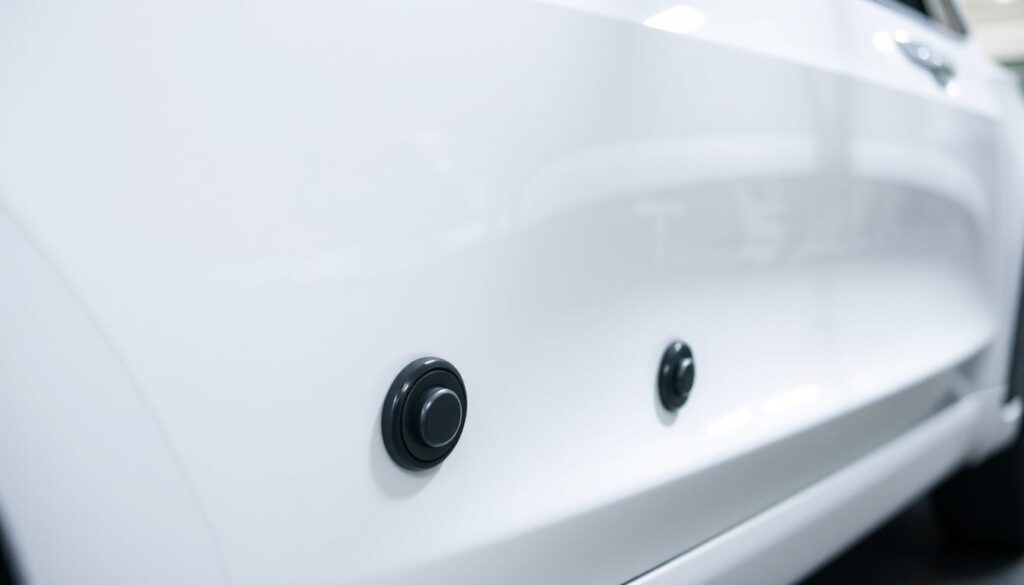
Each Tesla model has its own set of designated jacking points. For instance, the Tesla Model S and Model X have jacking points that are specifically designed to support the vehicle’s weight without causing damage to the battery pack or the frame. Similarly, the Tesla Model 3 and Model Y have their own unique jacking points. It’s essential to consult the owner’s manual for model-specific guidance.
Why Proper Lifting Matters for Electric Vehicles
Proper lifting is critical for electric vehicles like Tesla because their batteries are integrated into the vehicle’s structure. Improper jacking can lead to battery damage, which can be costly to repair. As Tesla’s website states, “Improperly lifting your vehicle can cause damage to the body, suspension, and battery pack.”
“Improperly lifting your vehicle can cause damage to the body, suspension, and battery pack.” – Tesla
Differences Between Tesla and Conventional Vehicle Lifting
Tesla vehicles differ significantly from conventional gasoline-powered vehicles in terms of their design and construction. The absence of a traditional engine and the presence of a large battery pack mean that the weight distribution is different. Therefore, the jacking points are also different, requiring a more precise approach to lifting.
By understanding these differences and following the recommended jacking procedures, Tesla owners can ensure their safety and the integrity of their vehicle.
Essential Tools and Equipment
The process of jacking up a Tesla begins with gathering the essential tools and equipment. Having the right gear is crucial for safety and efficiency.
Recommended Jack Types for Tesla Vehicles
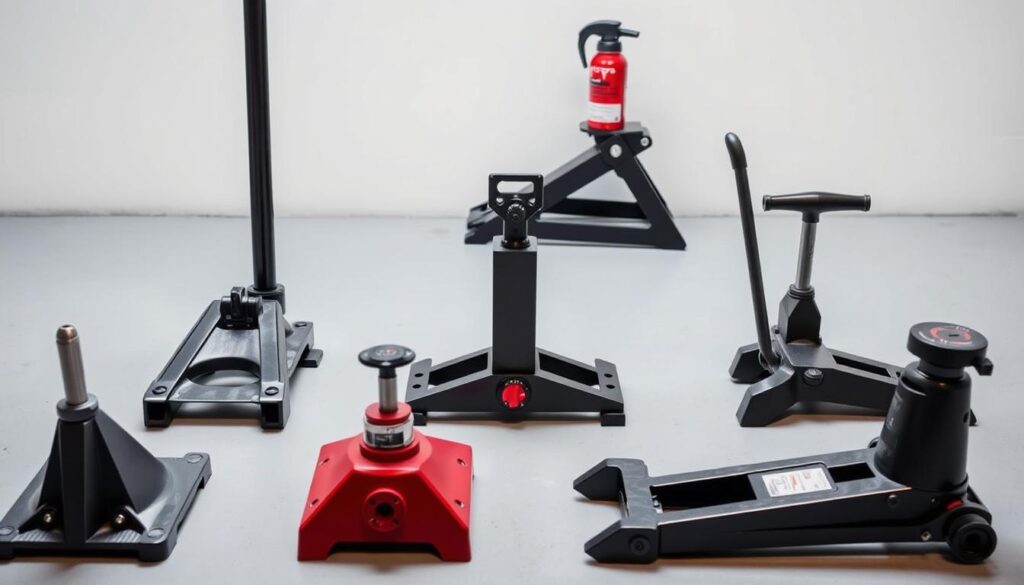
Tesla recommends using a hydraulic jack that is rated for at least 3 tons to support the vehicle’s weight. For most Tesla models, a scissor jack or a bottle jack is suitable, provided it meets the weight requirement.
Jack Stands and Safety Equipment
Jack stands are indispensable for safety. They provide additional support and stability once the vehicle is lifted. It’s recommended to use jack stands rated for 2 tons or more. Other safety equipment includes wheel chocks and safety glasses.
Optional Tools for Easier Access
While not mandatory, certain tools can make the process easier and safer. These include Tesla-specific accessories designed to work seamlessly with your vehicle.
Tesla-Specific Accessories
Tesla offers or recommends specific accessories, such as jack pads, designed to protect the vehicle’s jacking points. Using these can prevent damage and ensure a snug fit.
Universal Safety Equipment
In addition to Tesla-specific tools, universal safety equipment like gloves and safety glasses can enhance safety during the process.
By equipping yourself with the right tools and equipment, you can ensure a safe and successful jacking process for your Tesla.
Preparation Before Jacking Up Your Tesla
Before you start jacking up your Tesla, it’s crucial to prepare your vehicle and the surrounding environment to ensure a safe and successful lifting process. Proper preparation involves several key steps that will help you avoid potential hazards and ensure the integrity of your vehicle.
Finding a Suitable Location
Choosing the right location is vital when preparing to jack up your Tesla. Look for a flat, level surface that is firm and stable. Avoid soft surfaces like grass or mud, as they can cause the jack to sink or the vehicle to fall. Ensure the area is clear of any obstructions or flammable materials.
Engaging Safety Features and Jack Mode
Tesla vehicles come equipped with advanced safety features, including a “Jack Mode” that can be activated to help stabilize the vehicle during lifting. To engage Jack Mode, refer to your owner’s manual for specific instructions, as the process may vary depending on your Tesla model.
Wheel Chocking Techniques
Wheel chocks are an essential safety tool when jacking up your Tesla. They help prevent the vehicle from rolling or moving while it’s being lifted. Place wheel chocks in front of and behind the wheel diagonally opposite to the one being lifted.
Pre-Jacking Safety Checklist
To ensure your safety and the safety of your Tesla, follow this pre-jacking safety checklist:
| Safety Check | Status |
|---|---|
| Vehicle on level ground | |
| Jack Mode engaged | |
| Wheels chocked | |
| Area clear of obstructions |
Completing this checklist will help you identify and mitigate potential risks before jacking up your Tesla.
By following these preparation steps and using the pre-jacking safety checklist, you can ensure a safe and successful jacking process for your Tesla.
How to Jack Up a Tesla: Step-by-Step Guide for Safe Lifting
To safely jack up your Tesla, it’s crucial to follow a step-by-step guide tailored to your model’s specific needs. Jacking up a Tesla is a process that requires attention to detail and adherence to safety protocols to avoid damage to the vehicle or injury to yourself.
Locating the Correct Jacking Points by Model
Each Tesla model has designated jacking points that are designed to bear the weight of the vehicle. For Model S and Model X, these points are near the front and rear wheels, close to the rocker panels. Model 3 and Model Y have similar jacking points, but their exact locations can be found in the owner’s manual or on the Tesla website.
Proper Jack Placement Technique
Once you’ve located the jacking points, position the jack under the vehicle’s designated lifting area. Ensure the jack is centered and stable before beginning to lift. It’s essential to use a jack that is compatible with your Tesla’s weight and is designed for electric vehicles.
Raising the Vehicle Safely
Slowly raise the Tesla until the desired height is achieved. Make sure the jack is stable and sturdy. It’s recommended to use jack stands for added safety.
Securing with Jack Stands
After raising the vehicle, place jack stands near the jacking points and lower the car onto them. This provides additional support and safety, ensuring the vehicle doesn’t fall off the jack.
Testing Stability Before Proceeding
Before you start working under the vehicle, gently shake it to test its stability on the jack stands. If it feels unstable, recheck the jack stands and the jacking points.
Safely Lowering Your Tesla After Completion
To lower your Tesla, carefully raise it slightly to remove the jack stands, then slowly lower it to the ground using the jack. Ensure the area is clear and you’re in control of the vehicle’s descent.
| Tesla Model | Jacking Points Location | Recommended Jack Type |
|---|---|---|
| Model S | Near front and rear wheels, close to rocker panels | Hydraulic Jack |
| Model 3 | Near front and rear wheels, close to rocker panels | Hydraulic Jack |
| Model X | Near front and rear wheels, close to rocker panels | Hydraulic Jack |
| Model Y | Near front and rear wheels, close to rocker panels | Hydraulic Jack |
Common Mistakes to Avoid When Jacking a Tesla
Jacking a Tesla requires precision and care, as several common mistakes can lead to serious damage or safety hazards. Understanding these potential pitfalls is crucial for maintaining your vehicle’s integrity and ensuring your safety.
Battery Pack Damage Risks
One of the most significant risks when jacking a Tesla is damaging the battery pack. Improper jack placement can lead to costly repairs or even render the vehicle unusable. It’s essential to identify the correct jacking points for your specific Tesla model to avoid this issue.
Improper Weight Distribution Issues
Weight distribution is another critical factor to consider. Tesla vehicles have a unique weight distribution due to the placement of the battery pack. Failing to account for this can result in the vehicle becoming unstable when lifted, potentially leading to accidents.
Safety Feature Bypassing Hazards
Tesla vehicles are equipped with advanced safety features, including those that prevent or limit jacking. Bypassing these safety features can put you and others at risk. It’s crucial to understand how to properly engage and disengage these features.
Emergency Procedures If Something Goes Wrong
Despite taking precautions, accidents can still occur. Knowing emergency procedures in case something goes wrong while jacking your Tesla is vital. This includes understanding how to safely lower the vehicle and respond to potential hazards.
By being aware of these common mistakes and taking steps to avoid them, you can ensure a safer and more successful jacking experience for your Tesla.
Conclusion
Jacking up a Tesla requires careful consideration of the vehicle’s unique design and safety features. By following the steps outlined in this guide, Tesla owners can ensure their safety and the integrity of their electric vehicle.
Proper Tesla maintenance involves understanding the correct jacking points for your specific model, whether it’s a Model S, 3, X, or Y. Using the right tools and equipment, such as recommended jack types and jack stands, is crucial for safe lifting practices.
Before attempting to jack up your Tesla, it’s essential to engage safety features, including Jack Mode, and follow a pre-jacking safety checklist. By doing so, you can minimize risks associated with electric vehicle safety.
By adhering to the guidelines and precautions outlined in this article, Tesla owners can confidently and safely perform maintenance tasks on their vehicles. Always prioritize caution and follow the recommended procedures to ensure a safe and successful experience.
FAQ
What are the correct jacking points for Tesla Model S, 3, X, and Y?
The correct jacking points vary by model. For Tesla Model S and X, the jacking points are near the front and rear wheels, just behind the front wheel well and in front of the rear wheel well. For Model 3 and Y, the jacking points are also near the front and rear wheels but are specifically designed for those models. Consult your owner’s manual for model-specific locations.
Can I use any jack to lift my Tesla?
No, it’s recommended to use a jack that is specifically designed for the weight and lifting requirements of your Tesla model. Tesla recommends using a hydraulic jack with a sufficient capacity.
What safety precautions should I take before jacking up my Tesla?
Before jacking, ensure you’re on a level surface, engage the parking brake, put the vehicle in Park, and turn off the vehicle. Engage Jack Mode if available, and use wheel chocks to prevent rolling.
How do I properly secure my Tesla with jack stands?
After raising the vehicle with a jack, place jack stands near the jacking points and slowly lower the vehicle onto them. Ensure the stands are stable and sturdy before working underneath.
What are the risks of damaging my Tesla’s battery pack when jacking?
Improper jacking can damage the battery pack. Always use the recommended jacking points and avoid lifting the vehicle too high or at an angle that could put undue stress on the battery pack.
Can I jack up my Tesla on a slope or uneven surface?
No, it’s crucial to jack up your Tesla on a level and firm surface to prevent accidents or damage to the vehicle.
What should I do if I accidentally damage my Tesla while jacking?
If you damage your Tesla while jacking, carefully lower it to the ground and assess the damage. If the damage is significant or you’re unsure, contact Tesla service or a professional mechanic for assistance.
Are there any Tesla-specific accessories that can make jacking safer?
Yes, Tesla offers specific accessories, and there are third-party accessories designed to make jacking safer and easier. These can include reinforced jack stands and specialized lifting equipment.