A bad sway bar bushing can significantly impact your vehicle’s suspension system, leading to compromised stability and safety on the road. The sway bar bushing plays a crucial role in connecting the sway bar to the vehicle frame, ensuring smooth handling and minimizing body roll during turns.
When a sway bar bushing becomes worn or damaged, it can cause a range of problems, including unusual noises, vibrations, and decreased vehicle performance. Recognizing the signs of a failing sway bar bushing is essential for maintaining your vehicle’s overall health and preventing more costly repairs down the line.
Key Takeaways
- Understanding the role of a sway bar bushing in vehicle suspension
- Recognizing common signs of a bad sway bar bushing
- The importance of maintaining vehicle stability and safety
- How a failing sway bar bushing can impact overall vehicle performance
- Steps to diagnose and address sway bar bushing issues
What Are Sway Bar Bushings and Why They Matter
Understanding the function of sway bar bushings is essential for maintaining your vehicle’s suspension. Sway bar bushings are components that connect the sway bar to the vehicle’s frame, allowing for smooth movement while maintaining stability.
Function and Location in Your Vehicle’s Suspension System
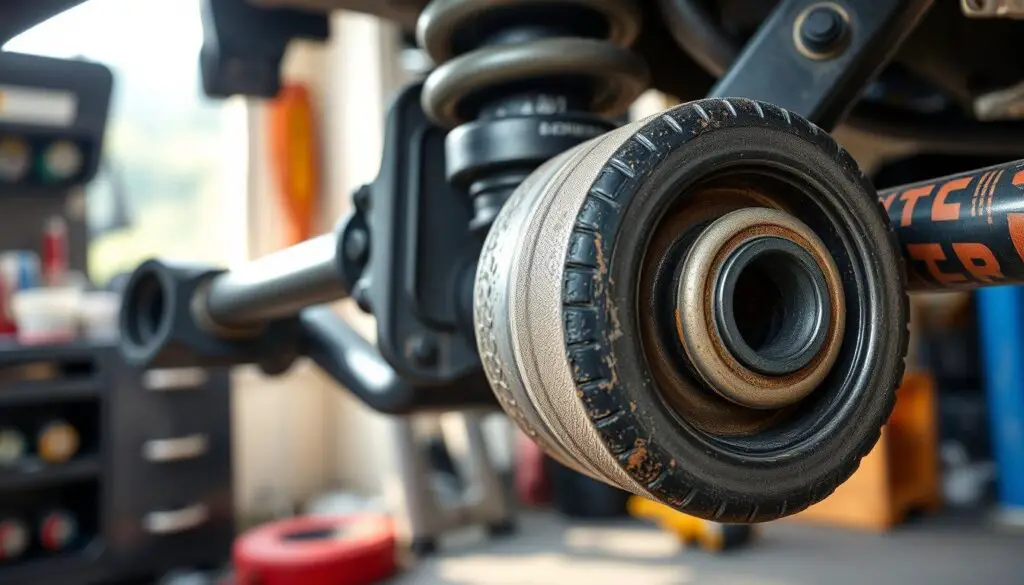
The sway bar bushing plays a crucial role in the suspension system by providing a cushion between the sway bar and the vehicle’s frame. This cushioning effect helps in reducing the noise and vibration caused by the sway bar’s movement. Typically, sway bar bushings are located around the sway bar, which is usually attached to the vehicle’s frame or suspension components.
Normal Lifespan and Common Causes of Premature Failure
Sway bar bushings are designed to last for a considerable amount of time, typically between 50,000 to 100,000 miles, depending on the vehicle’s make and model, as well as driving conditions. However, premature failure can occur due to various factors such as excessive wear, exposure to harsh weather conditions, or damage from road debris.
| Causes of Premature Failure | Description |
|---|---|
| Excessive Wear | Continuous stress on the bushing due to aggressive driving or frequent cornering. |
| Harsh Weather Conditions | Exposure to extreme temperatures, moisture, or salt can degrade the bushing material. |
| Road Debris | Damage caused by hitting potholes or road debris can lead to bushing failure. |
For more information on how faulty sway bar bushings can affect your vehicle’s handling, you can visit this page to learn about the potential risks and consequences.
7 Symptoms of a Bad Sway Bar Bushing: Identifying the Signs
Recognizing the signs of a bad sway bar bushing is essential for maintaining your vehicle’s performance and preventing further damage. Sway bar bushings are critical components of your vehicle’s suspension system, and their failure can lead to a range of noticeable issues. In this section, we will explore the 7 key symptoms that indicate a faulty sway bar bushing.
1. Unusual Clunking or Knocking Noises When Driving Over Bumps
One of the most common indicators of a bad sway bar bushing is the presence of unusual clunking or knocking noises when driving over bumps. This noise is typically caused by the worn-out bushing allowing excessive movement in the sway bar, which then clunks or knocks against other suspension components.
Example: If you hear a loud clunking sound when driving over a pothole, it could be a sign that your sway bar bushing is worn out.
2. Excessive Body Roll When Cornering or Making Quick Turns
Excessive body roll during cornering or quick turns is another symptom of a faulty sway bar bushing. The sway bar helps to stabilize the vehicle during turns, and a worn-out bushing can compromise this function, leading to increased body roll.
Tip: If you notice that your vehicle leans more than usual when cornering, it might be due to a bad sway bar bushing.
3. Uneven Tire Wear Patterns Along the Edges
Uneven tire wear is a significant indicator of various suspension issues, including bad sway bar bushings. When the bushing is worn out, it can cause the sway bar to malfunction, leading to uneven tire wear patterns, particularly along the edges.
| Tire Wear Pattern | Possible Cause |
|---|---|
| Edge Wear | Bad Sway Bar Bushing |
| Center Wear | Over-inflation |
| Feathering | Misaligned Wheels |
4. Steering Wheel Vibration at Various Speeds
Steering wheel vibration at various speeds can be caused by a range of issues, including a faulty sway bar bushing. The vibration is often due to the imbalance caused by the worn-out bushing affecting the sway bar’s operation.
Diagnostic Tip: If the vibration is more pronounced during certain speed ranges, it could indicate a problem with the sway bar bushing.
5. Loose or Wandering Steering Feel on Straight Roads
A loose or wandering steering feel, especially on straight roads, can be a sign of a bad sway bar bushing. The sway bar plays a crucial role in maintaining steering stability, and a worn-out bushing can compromise this stability.
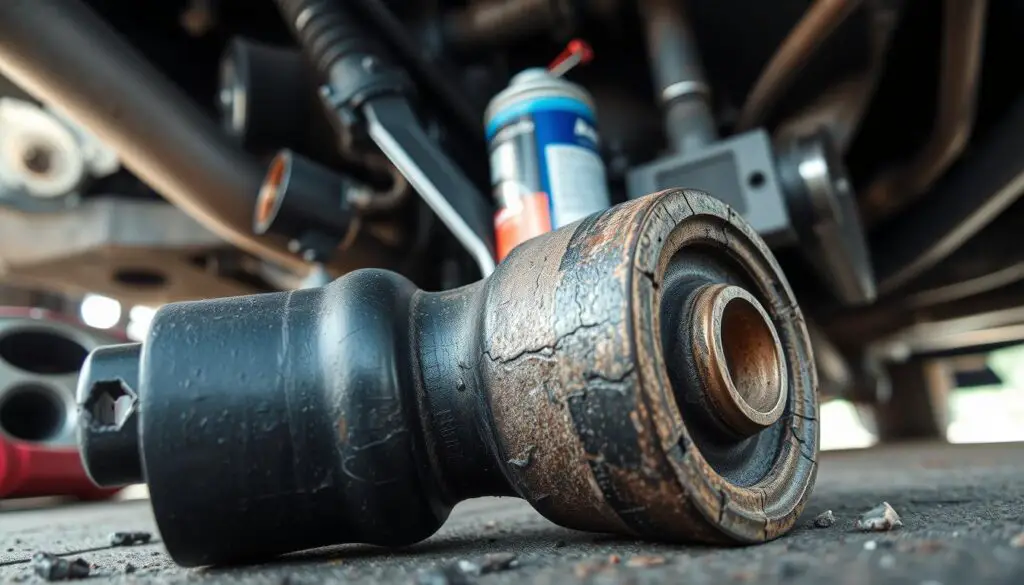
6. Visible Cracks, Tears, or Deterioration of Bushing Material
Inspecting the sway bar bushing for visible signs of wear is a straightforward way to diagnose a problem. Look for cracks, tears, or any deterioration of the bushing material.
- Cracks in the bushing
- Tears or cuts in the rubber
- Deterioration or softening of the material
7. Squeaking or Creaking Sounds During Suspension Movement
Squeaking or creaking sounds during suspension movement are indicative of a worn-out sway bar bushing. These sounds are typically caused by the dry or damaged bushing rubbing against other components.
Solution: Lubricating the bushing might temporarily alleviate the symptoms, but replacing the bushing is often the best long-term solution.
How to Properly Inspect Your Sway Bar Bushings
To ensure your vehicle remains stable and responsive, it’s essential to know how to inspect your sway bar bushings properly. Regular inspections can help identify wear and tear before they lead to more significant issues.
Step-by-Step Visual Inspection Process
Begin by locating the sway bar bushings, typically found on the sway bar where it connects to the vehicle’s frame or suspension components. Visually inspect the bushings for any signs of deterioration, such as cracks, tears, or excessive wear. Check for any movement or play by applying pressure to the sway bar. If you notice any unusual movement or damage, it may indicate worn-out bushings.
Essential Tools Needed for a Thorough Assessment
For a more detailed inspection, you’ll need a few basic tools: a flashlight to illuminate the area, a jack to lift the vehicle, and possibly a pry bar to gently check for play in the bushings. Ensure you consult your vehicle’s repair manual for specific instructions and safety precautions.
| Tool | Purpose |
|---|---|
| Flashlight | Illuminates the inspection area |
| Jack | Lifts the vehicle for better access |
| Pry Bar | Checks for play in the bushings |
DIY vs. Professional Diagnosis: When to Call a Mechanic
While a DIY inspection can reveal potential issues, some problems may require a professional mechanic’s expertise. If you’re unsure about your findings or if the inspection reveals significant wear, consult a professional for a more thorough assessment and repair.
Consequences of Continuing to Drive With Faulty Sway Bar Bushings
Continuing to drive with bad sway bar bushings poses significant risks to your vehicle’s handling and safety. Faulty bushings can lead to a range of issues that affect not only the suspension system but also the overall performance of your vehicle.
Safety Risks and Handling Compromises
One of the primary concerns with faulty sway bar bushings is the impact on your vehicle’s handling. Compromised handling can lead to reduced control, especially when cornering or making sudden maneuvers, increasing the risk of accidents. Moreover, safety risks are heightened due to the potential for loss of vehicle stability.
Potential Damage to Connected Suspension Components
Faulty sway bar bushings can also cause excessive wear on other suspension components. This can lead to costly repairs down the line, as damaged parts may need to be replaced.
| Component | Potential Damage |
|---|---|
| Sway Bar Links | Excessive wear due to increased movement |
| Control Arms | Premature wear from altered suspension dynamics |
| Ball Joints | Increased stress leading to potential failure |
Long-Term Effects on Vehicle Stability and Performance
Over time, neglecting to address faulty sway bar bushings can result in decreased vehicle stability and performance. This not only affects the driving experience but also potentially leads to more severe mechanical issues.
Maintaining Your Vehicle’s Sway Bar Bushings for Optimal Safety
Proper sway bar bushing maintenance is crucial for ensuring vehicle safety and preventing potential damage to your suspension system. By being aware of the 7 telltale signs of a bad sway bar bushing, you can take proactive steps to address any issues before they become major problems.
Regular inspections and timely replacements can help maintain your vehicle’s stability and performance. Neglecting faulty sway bar bushings can lead to compromised handling, uneven tire wear, and increased risk of accidents. By prioritizing sway bar bushing maintenance, you can enjoy a smoother ride, improved vehicle safety, and reduced repair costs in the long run.
FAQ
What are the signs of a bad sway bar bushing?
The signs of a bad sway bar bushing include unusual clunking or knocking noises, excessive body roll, uneven tire wear, steering wheel vibration, loose or wandering steering feel, visible cracks or deterioration, and squeaking or creaking sounds.
How do I inspect my sway bar bushings?
To inspect your sway bar bushings, perform a step-by-step visual inspection, checking for signs of wear, cracks, or damage. You will need essential tools, such as a flashlight and a jack, to thoroughly assess the condition of your sway bar bushings.
Can I diagnose sway bar bushing issues myself?
While it’s possible to diagnose sway bar bushing issues yourself, it’s recommended to consult a professional mechanic if you’re unsure or lack experience. A mechanic can provide a more accurate diagnosis and recommend the necessary repairs.
What happens if I continue driving with faulty sway bar bushings?
Continuing to drive with faulty sway bar bushings can lead to safety risks, handling compromises, and potential damage to connected suspension components, ultimately affecting your vehicle’s stability and performance.
How long do sway bar bushings typically last?
The lifespan of sway bar bushings varies depending on factors such as driving conditions, vehicle type, and maintenance. On average, sway bar bushings can last between 50,000 to 100,000 miles, but may need to be replaced sooner if subjected to harsh conditions.
Can worn-out sway bar bushings cause uneven tire wear?
Yes, worn-out sway bar bushings can contribute to uneven tire wear patterns, as they can affect the suspension system’s alignment and cause the tires to wear down unevenly.
Are sway bar bushings a critical component of my vehicle’s suspension system?
Yes, sway bar bushings play a crucial role in your vehicle’s suspension system, helping to maintain stability and control while driving. Faulty sway bar bushings can compromise your vehicle’s handling and safety.