Variable Cylinder Management (VCM) is a technology used by Honda to improve fuel efficiency by dynamically switching between different numbers of active cylinders. Understanding whether your Honda is equipped with VCM is crucial for optimizing its performance and maintenance.
The presence of VCM can significantly impact your vehicle’s operation, affecting aspects such as fuel consumption and overall engine performance. This article will guide you through the process of identifying VCM in your Honda, providing insights into its functionality and benefits.
Key Takeaways
- Understand the basics of Variable Cylinder Management (VCM) technology.
- Learn the importance of identifying VCM in your Honda vehicle.
- Discover the steps to check if your Honda is equipped with VCM.
- Gain insights into the benefits and potential drawbacks of VCM.
- Find out how VCM affects your vehicle’s performance and maintenance.
What is Variable Cylinder Management (VCM) in Honda Vehicles?
The Variable Cylinder Management (VCM) technology used by Honda represents a significant advancement in engine management systems. This innovative technology is designed to improve fuel efficiency without compromising engine performance. By dynamically managing the engine’s cylinders, VCM technology optimizes fuel consumption based on driving conditions.
The Technology Behind VCM
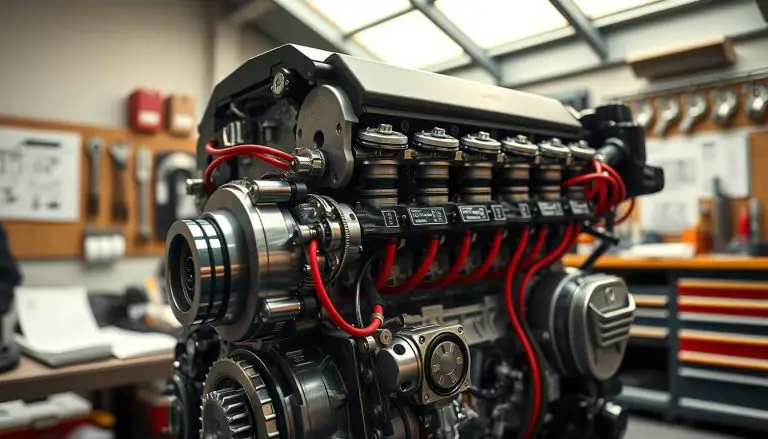
VCM technology allows Honda engines to switch between different numbers of active cylinders depending on the driving conditions. When the engine is under light load, such as during cruising, it can deactivate some cylinders to save fuel. This is achieved through sophisticated engine management systems that control the opening and closing of intake and exhaust valves.
The cylinder deactivation process is seamless, ensuring that the vehicle’s performance is not noticeably affected. The technology behind VCM involves complex algorithms and sensors that continuously monitor driving conditions to determine the optimal number of cylinders to use.
How VCM Works in Honda Engines
In Honda engines equipped with VCM, the engine control unit (ECU) plays a crucial role in managing cylinder activation and deactivation. The ECU uses data from various sensors to decide when to switch between different cylinder configurations. For example, during highway driving, the engine might operate on fewer cylinders to reduce fuel consumption.
| Driving Condition | Cylinders Used | Fuel Efficiency Benefit |
|---|---|---|
| Highway Cruising | 4 cylinders (out of 6) | Improved fuel economy |
| City Driving | 6 cylinders | Optimal performance |
This dynamic management of engine cylinders not only enhances fuel efficiency but also contributes to reduced emissions. By understanding how VCM works, Honda owners can better appreciate the technology that goes into their vehicles.
How Do I Know if My Honda Has VCM: Identifying Your Vehicle’s Variable Cylinder
Variable Cylinder Management (VCM) is a sophisticated technology used in various Honda models, and identifying its presence in your vehicle can be straightforward with the right information. To determine if your Honda is equipped with VCM, you need to consider several factors, including the model, model year, engine type, and Vehicle Identification Number (VIN).
Honda Models Equipped with VCM Technology
Honda has implemented VCM in several of its models over the years. Some of the most common models equipped with this technology include the Accord Hybrid, CR-V, Pilot, and Odyssey. These models are known for their fuel efficiency and performance, partly thanks to the VCM system. For instance, the 2013 RDX introduced by Honda featured advanced technologies, including VCM, to enhance its performance and efficiency. You can read more about it on Honda News.

To verify if a specific Honda model is equipped with VCM, it’s essential to check the specifications for that model year. Honda’s official website or a dealership can provide detailed information on whether a particular model is VCM-capable.
Model Years and Engine Types with VCM
VCM technology has been integrated into various Honda models across different model years, starting from the early 2000s. Generally, Honda models from the mid-2000s onwards are more likely to feature VCM, especially those with V6 engines. For example, the Honda Accord V6 models from 2008 and later are known to have VCM. Checking the engine type is also crucial, as VCM is more commonly associated with V6 and some inline-4 engines.
Using Your VIN to Verify VCM Presence
One of the most reliable methods to determine if your Honda is equipped with VCM is by checking the Vehicle Identification Number (VIN). The VIN decoder can provide detailed information about your vehicle’s specifications, including whether it is equipped with VCM. You can use online VIN decoder tools or consult with a Honda dealership to decode your VIN and verify the presence of VCM.
Physical Signs and Visual Indicators of VCM
Understanding the physical signs and visual indicators of Variable Cylinder Management (VCM) is crucial for Honda owners who want to verify if their vehicle is equipped with this technology. Several key attributes can help identify VCM presence, including engine cover markings, specific dashboard indicators, and references in the owner’s manual.
Engine Cover Markings and Emblems
One of the primary ways to identify if your Honda has VCM is by examining the engine cover for specific markings or emblems. Vehicles equipped with VCM often have distinctive badges or labels on the engine cover or nearby components. These markings are designed to indicate the presence of advanced engine technologies, including VCM. Inspecting the engine compartment carefully can provide valuable clues about your vehicle’s specifications.

Dashboard Indicators and ECO Lights
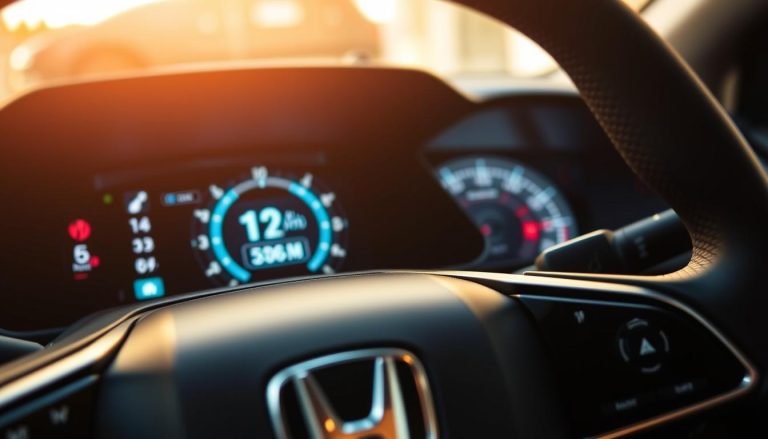
Dashboard indicators, particularly the ECO light, play a significant role in signaling the operation of VCM. The ECO light illuminates when the engine is operating in economy mode, typically during VCM activation. This visual cue not only indicates VCM presence but also informs the driver about the system’s status. Familiarizing yourself with your Honda’s dashboard indicators can help you understand when VCM is active.
Owner’s Manual References
The owner’s manual is another reliable resource for determining if your Honda is equipped with VCM. Manuals for VCM-equipped vehicles will typically include detailed information about the system, its operation, and benefits. Checking the index or relevant sections for mentions of VCM or Variable Cylinder Management can confirm its presence in your vehicle.
By combining these visual checks and references, Honda owners can accurately identify if their vehicle is equipped with VCM technology. This knowledge can enhance understanding of the vehicle’s capabilities and help optimize its performance and fuel efficiency.
Experiencing VCM: Performance Characteristics and Sensations
VCM technology in Honda vehicles offers a unique driving experience, marked by specific sensations and performance traits. When driving a Honda equipped with VCM, several aspects become apparent, influencing the overall driving experience.
Engine Sound Changes During Cylinder Deactivation
One of the most noticeable effects of VCM is the change in engine sound during cylinder deactivation. The engine may produce a different tone or pitch when operating in VCM mode, typically quieter and smoother. This change can be subtle or quite pronounced, depending on the specific Honda model and driving conditions.
Drivers often report a more refined engine sound during ECO mode operation, contributing to a more comfortable driving experience, especially during long highway trips.
Vibration Patterns and Driving Feel
The activation of VCM can also lead to changes in vibration patterns and the overall driving feel. Vibrations may be more pronounced when the engine is operating in a reduced cylinder mode, although Honda’s engineering aims to minimize this effect. The driving feel is generally smooth, but some drivers might notice a slight difference when VCM is active.
Fuel Economy Indicators
A significant benefit of VCM is its impact on fuel economy. Drivers can expect to see improvements in their fuel economy indicators when VCM is operational. Monitoring fuel economy can provide insight into how effectively VCM is working.
| Performance Characteristic | Description |
|---|---|
| Engine Sound Changes | Quieter and smoother engine sound during VCM mode |
| Vibration Patterns | Possible increase in vibrations during reduced cylinder operation |
| Fuel Economy | Improved fuel economy indicators when VCM is active |
As illustrated, the performance characteristics of VCM in Honda vehicles encompass a range of sensations and indicators that contribute to the driving experience.
Common Issues and Concerns with Honda’s VCM System
As with any innovative technology, Honda’s VCM system comes with its set of challenges and concerns. While it is designed to improve fuel efficiency by dynamically switching between different numbers of active cylinders, some Honda owners have reported issues related to its operation.
Oil Consumption Problems
One of the concerns associated with Honda’s VCM system is oil consumption problems. Some owners have reported higher than expected oil consumption in vehicles equipped with VCM. This issue is thought to be related to the system’s operation, particularly during the cylinder deactivation phase.
Vibration and Noise Complaints
Vibration and noise complaints are another common issue with Honda’s VCM system. When the system switches between different cylinder configurations, it can sometimes cause noticeable vibrations or unusual noises. This can be particularly evident during the transition from VCM mode to normal operation.
Long-term Reliability Considerations
Long-term reliability is a crucial consideration for any vehicle technology, including VCM. While Honda has made efforts to ensure the durability of its VCM system, some owners have raised concerns about potential long-term effects on engine health and overall vehicle reliability. Regular maintenance and monitoring are essential to mitigate these risks.
In conclusion, while Honda’s VCM system offers benefits in terms of fuel efficiency, it is not without its challenges. Being aware of these potential issues can help owners take proactive steps to maintain their vehicles and minimize any adverse effects.
Conclusion: Understanding Your Honda’s VCM System
Understanding whether your Honda is equipped with Variable Cylinder Management (VCM) is crucial for appreciating its fuel efficiency and performance characteristics. We’ve explored VCM technology, from its principles to implementation in various Honda models.
Awareness of your Honda’s VCM system helps you understand its road behavior, including engine sound changes and ECO light illumination. This knowledge also helps address potential issues, such as oil consumption problems, ensuring your vehicle runs smoothly.
With an understanding of Honda’s VCM system, you can optimize your driving experience and maintain your vehicle for long-term reliability. Staying informed about VCM technology enhances your vehicle’s performance and overall driving satisfaction.
FAQ
What is Variable Cylinder Management (VCM) in Honda vehicles?
Variable Cylinder Management (VCM) is a technology used by Honda to improve fuel efficiency by deactivating certain engine cylinders under light load conditions.
How do I know if my Honda has VCM?
You can check if your Honda has VCM by looking at the engine cover markings, checking the owner’s manual, or using the Vehicle Identification Number (VIN) to verify the presence of VCM.
What are the benefits of VCM in Honda vehicles?
The benefits of VCM include improved fuel efficiency, reduced emissions, and lower operating costs.
What are some common issues with Honda’s VCM system?
Some common issues with Honda’s VCM system include oil consumption problems, vibration, and noise complaints, as well as long-term reliability considerations.
Can I disable VCM on my Honda vehicle?
While it’s possible to disable VCM on some Honda models, it’s not recommended as it may affect fuel efficiency and emissions.
How does VCM affect engine performance?
VCM can cause changes in engine sound, vibration patterns, and driving feel, particularly during cylinder deactivation.
Is VCM available on all Honda models?
No, VCM is not available on all Honda models. It’s typically found on certain models with specific engine types and model years.
How can I verify if my Honda’s VCM system is functioning properly?
You can verify if your Honda’s VCM system is functioning properly by checking dashboard indicators such as ECO lights, monitoring fuel economy, and looking for any unusual engine behavior.