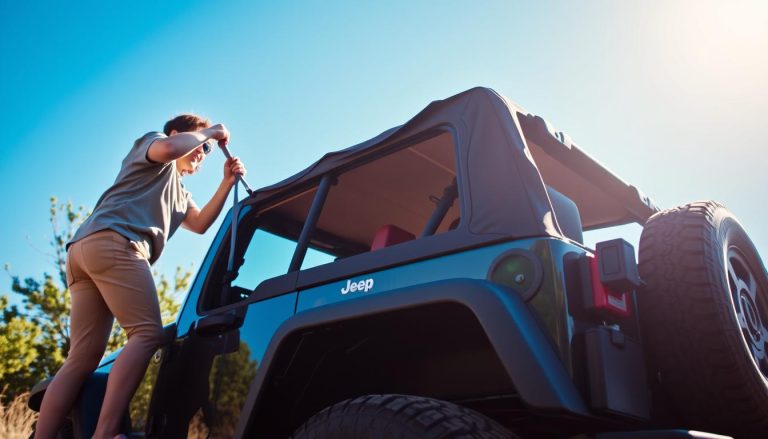
This review frames whether the 3.6L Pentastar meets modern expectations for balance between performance, fuel use, and long-term reliability. The motor uses DOHC, variable valve timing, a 10.2:1 compression ratio, and multi-port fuel injection. Those design choices help explain why it performs well in both city streets and rough trails.
Ward’s recognition and real-world testing back the claims: editors logged better than 24 mpg over 500 miles in a Chrysler 300S and the unit made a big drivability jump when fitted into the four-door Wrangler. Over years and many vehicles, people have tracked miles-to-major-service, oil habits, and common faults.
We will weigh design, ownership experience, and maintenance needs to predict whether this motor stands as a practical one-and-done choice for most owners. Expect comparisons to other Wrangler options and a clear, data-led buy or pass verdict at the end.
Key Takeaways
- Pentastar fundamentals (DOHC, VVT, fuel system) matter for daily and off-road use.
- Ward’s awards and real-world mpg support strong performance and economy.
- Long-term feedback shows known maintenance items and typical miles between services.
- Fitment changes improved drivability in Wrangler models versus prior motors.
- Final recommendation will balance reliability, cost to maintain, and intended use.
Is the Jeep 3.6 V6 a Good Engine: Unveiling the Truth
A fair verdict comes from long-term use, logged miles, and common repair trends. That approach frames our look at this motor: performance, upkeep, and how it holds up over years across many vehicle types.
Ward’s testing helped here. The motor returned to Ward’s 10 Best Engines after runs in a Chrysler 300S and Wrangler. Editors saw better than 24 mpg over a 500-mile drive and 19/31 mpg with an 8-speed auto in the 300S.
Fitment work for Wrangler—reworked intake and accessory drive—improved drivability versus the older 3.8L unit. That re-engineering matters when daily comfort and trail confidence both matter.
Good means dependable performance over time, manageable maintenance, and predictable reliability for many miles. Early design choices like VVT and multi-port injection favor durable simplicity and fewer long-term issues.
- We weigh broad population data, not isolated anecdotes.
- Parts availability and dealer familiarity help lower ownership burden.
- While any vehicle can have issues, timely care keeps overall reliability favorable.
- Click to expand on maintenance and common issues, or read this linked guide for related concerns: common maintenance tips.
This is not hype. It is a measured look across use cases and miles, and later sections break down specific problems, service priorities, and ownership costs in plain terms.
Meet the 3.6 Pentastar: Design, Specs, and Why It Matters
Start with hardware: that reveals why this powerplant fits many roles. The core is a modern V6 cylinder layout with a robust block, dual overhead cam heads, and variable valve timing. This mix gives broad torque and a smooth throttle response for daily driving and trail work.
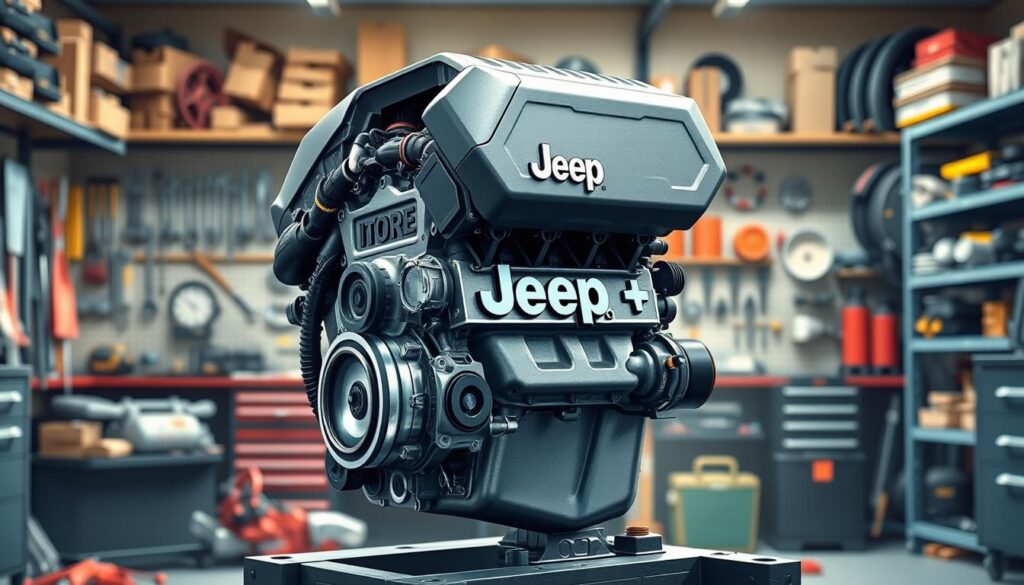
Core architecture and fuel system
DOHC with VVT and a 10.2:1 compression ratio combines with multi-port injection. Chrysler kept multi-port injection to control cost and simplify maintenance. That choice also lowers carbon build-up seen on some direct-injection designs.
Outputs and packaging notes
Power varies by model: sedans topped near 292 hp, while Wrangler trims land around 285 hp and roughly 260 lb-ft. Wrangler fitment needed a reworked intake manifold and moved accessory drive to clear a tighter bay. Careful calibration kept low-speed manners solid for traffic and trails.
- Serviceability: simpler fuel system and sturdy head/block layout ease repairs.
- Durability: proper coolant and oil care protects head seals and long-term performance.
- Where it fits: mainstream, versatile choice rather than niche high-efficiency or high-output unit.
| Spec | Typical Value | Why it matters |
|---|---|---|
| Compression | 10.2:1 | Balanced power and fuel tolerance |
| Fuel system | Multi-port injection | Simpler upkeep, fewer carbon issues |
| Output range | ~283–292 hp | Good for daily driving and towing duty |
| Packaging changes | Intake/manifold, accessory drive | Enables fitment in tighter off-road bays |
Click expand to view real-world performance and economy figures in the next section.
Performance Review in the Real World
Hands-on miles give clear clues about throttle feel, low-speed control, and midrange pull. That matters for both daily runs and trail days.
Wrangler drivability: trail-ready torque and daily smoothness
Linear throttle and steady torque delivery make slow rock crawling less fussy and city maneuvers predictable.
Modern calibrations help traction control and torque blend, so drivers feel confident off-road without abrupt surges.
How it stacked up versus premium rivals
Independent editors found it competitive with a higher-output Hyundai DI V6 when paired to an 8-speed automatic.
Despite lower peak numbers on paper, real-world miles showed similar on-road performance and better long-range mpg in mixed driving.
Transmission pairing impact on responsiveness
The 8-speed shift mapping keeps rpm in a sweet spot. That reduces gear hunting and sharpens throttle response for passing and hill work.
Result: a cohesive driving experience that feels noticeably more refined than older, less-optimized vehicles.
- Predictable power for city and trail use
- Sufficient passing punch on highways
- Oil and cooling stability matter under sustained load
- Click expand for the efficiency section and mpg details
| Area | On-road Impression | Why it matters |
|---|---|---|
| Throttle | Linear, smooth | Easier low-speed control, less driver fatigue |
| Torque delivery | Steady across band | Better rock crawling and passing confidence |
| Transmission | 8-speed tuned | Keeps rpm optimal, improves response |
Fuel Economy and Efficiency: Tested vs. Rated
Real-world mpg often differs from EPA numbers once you add tires, racks, and mixed driving. Expect highway runs to show the best numbers while urban loops and short trips pull the average down.
EPA-style expectations for Wrangler trims
MotorTrend-referenced estimates place city returns near 17–20 mpg and highway near 23–25 mpg for stock V6-equipped Wrangler models. Boxy aerodynamics and off-road tires explain much of the gap versus sedan results.
WardsAuto observed mpg and owner implications
WardsAuto editors logged better than 24 mpg over a 500-mile drive in a Chrysler 300S with the Pentastar and an 8-speed automatic. Translating that to a Wrangler means you should anticipate slightly lower miles per gallon due to shape and tire drag.
- Set expectations: lift kits, roof racks, and heavy accessories reduce mpg over time.
- Maintenance wins: fresh oil, filters, proper tire pressure, and alignment can add a point or two.
- Model trade-off: a 2.0L turbo may beat city mpg, but highway parity often narrows.
- Real-world report: many owners see highway mpg in the low-to-mid 20s when driven conservatively.
| Scenario | Typical mpg | Why it matters |
|---|---|---|
| Sedan highway (WardsAuto test) | 24+ mpg | Shows engine potential when aerodynamics help |
| Wrangler city | 17–20 mpg | Boxy shape and tire drag lower returns |
| Wrangler highway | 23–25 mpg | Highway gearing and steady speed improve averages |
Practical point: treat fuel economy as part of total cost of ownership. For more on how mpg ties to long-term durability and service time, click expand into our reliability and lifespan section.
Reliability Snapshot and Expected Lifespan in Miles
Across millions of miles logged by owners, patterns of dependability are clear. With regular service many can expect this engine family to pass 150,000–200,000 miles before major work. That range shifts with use, climate, and service habits.
Big-picture dependability trends in U.S. ownership
Repeat recognition on Ward’s lists and favorable dealer comparisons back solid engineering fundamentals. Over years of use, people see steady compression and low long-term oil consumption when service is timely.
Average miles before major repairs: what drivers report
Many owners report major interventions after crossing the 150k–200k mile band. Heavy towing, extreme heat, or skipped maintenance shorten that span.
- Common reports: steady compression, durable timing parts, occasional oil leak points or filter housing seepage.
- Preventive focus: vigilant oil and coolant care protects head gasket integrity over time.
- Market reality: failures happen in any engines population, but the overall rate here is favorable.
| Metric | Typical Value | Owner Impact |
|---|---|---|
| Average major service threshold | 150,000–200,000 miles | Plan for mid-life repairs or rebuilds |
| Common minor issues | Oil leaks, filter housing seep | Often repairable without engine removal |
| Key prevention | Regular oil & coolant care | Extends lifespan by years and many miles |
Practical note: service history adds resale value and correlates with longer average miles between repairs. For specific weak points and fixes, click expand into the issues section where symptoms and remedies are detailed.
Common Issues and Problems Owners Watch For
Early warning signs help owners stop small leaks from becoming costly failures. Regular checks catch drips, noises, or coolant loss before they escalate.
Oil filter housing and oil filter leaks: symptoms and fixes
Symptoms include oil smell, driveway spots, and oil seeping near the filter housing. Many cases come from gasket misalignment or loose bolts.
Fixes usually mean upgraded parts and correct torque. Using quality oil filter components and proper installation prevents repeat problems.
Top-end tick: rocker or cam follower wear
A persistent tapping often points to rocker or cam follower wear. Diagnosis requires valve cover removal and a quick valvetrain inspection.
Timely oil changes with correct spec oil keep the lubrication film strong and slow wear at the rocker interface.
Head gasket concern and cracked head signs
Sustained misfire, rapid coolant loss, or oil contamination can signal a head gasket breach. Catching this early avoids block or head damage.
Cracked head cases are rarer but serious. Watch for white exhaust or milky oil; those signs require prompt repair.
When a problem becomes a pattern
Differentiate isolated failures from real patterns by checking credible reports, TSBs, and forum consensus over many miles. Most faults stay serviceable if addressed early.
| Issue | Common symptom | Typical remedy |
|---|---|---|
| Oil filter housing leak | Oil spots, smell | Replace housing/gasket, proper torque |
| Top-end tick | Tapping noise at idle | Inspect rocker/follower, oil service |
| Head gasket breach | Coolant loss, milky oil | Pressure test, gasket repair |
Model Year Nuances: What Changed Over the Years
Initial model years revealed rapid refinement in hardware and calibration.
Early rollouts placed this power unit across multiple models, which sped learning and parts evolution. Shared components and software updates matured over years, improving durability and emissions control.
Engineering refinements through production
Design tweaks targeted drivability and heat resilience. Date-specific part updates reduced leaks and improved long-term performance.
Wrangler packaging and calibration updates
Wrangler fitment required reworked intake routing and accessory placement. That change affected service access and repair steps for some parts.
- Service advice: verify part numbers by model and build date before ordering.
- Preventive tip: monitor coolant and oil to lower head gasket or cracked head risk.
- Warranty years: keep intervals conservative to spot issues early.
| Change | Years affected | Owner impact |
|---|---|---|
| Intake/manifold redesign | Early to mid production years | Easier fitment, altered service steps |
| Accessory layout revision | Model-specific dates | Improved parts access for some repairs |
| Seal and gasket updates | Later production years | Fewer oil leaks, better longevity |
Practical point: documented updates bolster resale confidence and reduce surprise repairs. For maintenance priorities tailored to this motor, click expand.
Maintenance Priorities That Protect This Motor
Simple, steady service habits protect core components and keep performance steady over years.
Oil intervals, filter quality, and correct spec
Set oil change intervals by use. Dusty trails, short trips, or towing mean shorter miles between services. Use the correct spec oil and a high-quality oil filter to guard rocker and cam surfaces.
Inspect the oil filter housing area at every service. If seepage repeats, replace with upgraded parts and check filter housing bolts for correct torque.
Cooling system vigilance
Coolant discipline matters for block, heads, and head gasket health. Follow bleed procedures, use OEM-grade coolant, and change at recommended intervals.
- Check hoses, thermostat, and radiator fins after trail days.
- Keep dated service records by miles; this helps dealer goodwill or warranty claims.
- Listen for top-end noise after hot runs; early rocker attention avoids larger repairs like a cracked head.
| Priority | Action | Frequency |
|---|---|---|
| Oil & filter | Correct spec oil, quality oil filter, torque check | Every 5,000–7,500 miles (or shorter for severe duty) |
| Filter housing | Inspect for seepage, replace upgraded housing if needed | At each oil service |
| Cooling | Flush, bleed, inspect hoses and fins | Every 30,000–60,000 miles or per service schedule |
| Record keeping | Log date and miles; note repairs and noises | Continuous |
Preventive care over miles and years saves money. For cost breakdowns and labor time, click expand into ownership costs.
Ownership Costs: Parts, Service, and Time at the Dealer
Owning this powerplant means balancing scheduled care with occasional, model-specific labor that affects total cost. Routine oil and coolant work protects core parts and keeps value strong as miles rise.
Plan for regular items: quality oil, a good oil filter, and periodic coolant service. These are low-cost steps that limit larger repairs later.
- Average parts: oil filter housing and gasket kits run moderate prices but can add labor if access is tight.
- Labor time varies by vehicle layout and accessories; dealer work often costs more than independent shops.
- Warranty usually covers factory defects; keep clear records to support goodwill requests after warranty ends.
- Better mpg from the 8-speed pairing lowers cost per mile on long highway trips.
| Service | Typical Parts Cost | Estimated Labor Time |
|---|---|---|
| Oil change (oil + oil filter) | $40–$80 | 0.5–1 hour |
| Filter housing repair | $120–$300 | 1–3 hours |
| Coolant service | $80–$150 | 1–2 hours |
Practical tip: set aside a small annual budget for inspections to catch issues early. Attentive owners spend less time waiting and more miles driving. Click expand to view use-case costs in context.
Daily Driver to Weekend Trail: Use-Case Review
Everyday life and off-road afternoons show how well this setup serves mixed use.
Commuting, road trips, and highway manners
For daily commutes, expect smooth starts and predictable throttle that keeps routine miles comfortable.
Highway runs feel steady thanks to long gearing and enough passing power when loaded with passengers and gear.
Off-road capability with the Pentastar’s power band
On light to moderate trails the controlled torque delivery pairs well with low-range gearing for deliberate crawling.
People who split time between city work and weekend trips find this balance appealing over years of use.
Practical tips:
- Pre-trip checks: oil level, coolant, belts, and filters before long or remote runs.
- Maintain momentum off-road and keep revs in the sweet spot to protect temps and oil life.
- Heavy tires, armor, or racks add load and change acceleration and coolant behavior.
| Use | Strength | Note |
|---|---|---|
| Daily commute | Quiet, smooth | Easy to rack up miles |
| Highway travel | Steady, capable | Good for long day trips |
| Trail work | Controlled torque | Not as torquey as diesel, but very usable |
Click expand into the comparison section to match your ideal model and long-term experience.
How the 3.6L Pentastar Compares to Other Wrangler Engines
Different drivetrains shine in distinct roles, so pick based on miles, towing, and terrain.
2.0-liter turbo four-cylinder: this smaller turbo posts strong low-rpm torque on paper and usually returns better city mpg. In many tests it also offers brisk real-world acceleration thanks to higher torque at low revs.
3.0-liter EcoDiesel V6: final-year diesel delivers excellent highway miles and huge towing torque. Consider parts availability and emissions service when comparing long-term ownership.
Wrangler 4xe plug-in hybrid: combined output and up to 49 MPGe make short commutes mostly electric. Charging access and daily drive patterns determine how much fuel savings owners actually see.
HEMI 392 V8: this model is about pure performance. Expect rapid 0–60 times and trunk-shaking sound, plus much lower average mpg and higher service cost.
- Why choose 3.6 pentastar: balanced power, simpler design, broad parts availability, and predictable on-trail response.
- Reliability edge: fewer high-pressure fuel-system complexities than some turbo or hybrid setups, which helps owners who log many miles.
- Pick by use: daily city drivers may prefer 2.0T or 4xe; heavy towing or long highway miles favor EcoDiesel; performance fans want 392.
| Powertrain | Key numbers | Owner note |
|---|---|---|
| 3.6l pentastar | ~285 hp / 260 lb-ft | Balanced, service-friendly motor |
| 2.0T | ~270 hp / 295 lb-ft | Better city mpg, strong low-rpm torque |
| 3.0 EcoDiesel | ~422 lb-ft / 22–29 mpg | High torque, final-year availability caution |
| 4xe plug-in hybrid | ~375 hp / 470 lb-ft, up to 49 MPGe | Great for short EV commutes; charging matters |
| HEMI 392 | 470 hp / 470 lb-ft, 13/17 mpg | Top performance, high fuel cost |
Practical takeaway: this motor often wins for owners who want steady power, simple upkeep, and broad parts support. For purchase context, click expand into Wrangler vs. Bronco comparisons and model value discussion.
Wrangler vs. Bronco Context: Powertrains, Efficiency, and Value
When choosing between these off-road SUVs, fuel figures, towing limits, and dealer support matter most.
MPG expectations and drivetrain breadth
Fuel figures are close. The 2025 Wrangler 2.0T with 8AT posts about 20/23 mpg EPA. Bronco best in recent years sits near 20/21 mpg.
Wrangler adds a plug-in 4xe with strong MPGe, plus options spanning V6, turbo four, plug-in hybrid, and V8. Bronco lineup is narrower on that side.
Reliability ratings and towing considerations
Recent J.D. Power data shows Wrangler ahead by roughly three points for reliability. Properly equipped, Wrangler tows up to 500 lb more. That extra capacity matters for long weekend trips and gear-hauling miles.
- Value: dealer comparisons often favor Wrangler trims for features at similar MSRPs.
- Ownership: warranty terms and dealer service quality shape real cost over years.
- Care: regular oil checks and scheduled service narrow small mpg gaps.
- Advice: test drive both models over the same route and click expand into warranty and recall questions before signing.
| Area | Wrangler | Bronco |
|---|---|---|
| EPA mpg (noted) | 20/23 (2.0T) | 20/21 (best) |
| Powertrain breadth | V6 / 2.0T / 4xe / V8 | Turbo options, no V8 |
| Dealer reliability note | J.D. Power +3 pts | Close, verify current year |
Warranty, Recalls, and Dealer Support: What to Ask
Before you finalize a purchase, confirm powertrain warranty windows and any date-based campaigns that apply.
Ask the dealer for VIN-level recall checks and written proof of repairs. Request a full service history printout so you can spot recurring issues or unresolved problems.
Check forums and owner reports to learn common pain points, then ask how local service teams handle those concerns. Dealers often know this engine well, which speeds diagnosis and repair.
- Confirm warranty coverage by year and ask about any open campaigns tied to specific dates.
- Clarify what happens if a head gasket or oil leak appears during warranty.
- Ask the service advisor how they document repairs and handle failures while under coverage.
| Question | Why ask | Expected answer |
|---|---|---|
| Powertrain warranty dates | Limits repair responsibility | Exact start/end year and mileage |
| Open recalls by VIN | Safety and completed fixes | Printed report with dates |
| Service history availability | Spot recurring issues | Comprehensive records from prior owners |
Practical tip: align maintenance with warranty requirements and build rapport with a knowledgeable service advisor. Preparation smooths outcomes. Click expand into owner experiences to separate patterns from anecdotes.
Owner Experiences and Forums: Patterns vs. Anecdotes
Across multiple forums, recurring advice centers on routine checks rather than dramatic fixes. This view shows up in threads where people share mileage, symptoms, and simple remedies.
What experienced owners emphasize over years of use
Practical habits matter most. Regular oil and cooling maintenance tops lists as the best prevention for common issue reports.
- Many posts about a single issue are one-offs; look for repeats over time before assuming a widespread problem.
- Owners who keep meticulous records report fewer surprises and stronger resale outcomes.
- Valvetrain tick shows up often in discussion; most cases resolve after inspection or simple part updates.
- Consistent highway miles on warmed oil are kinder to internal parts than many short urban trips.
- After hard trail days, owners recommend listening for new noises and checking fluids the next morning.
- Use forums to find torque specs, vetted parts lists, and step-by-step service tips.
| Topic | Common thread | Owner action |
|---|---|---|
| Leaks & seepage | Repeat reports over years | Inspect, replace upgraded gaskets |
| Valvetrain noise | Often fixable | Inspect rocker/follower, update parts |
| Service routine | Consistent advice | Log oil/coolant work, follow schedule |
Rule of thumb: two to three credible sources agreeing on a fix beats a single loud anecdote. The engine’s wide use builds a deep knowledge base that helps new owners. For buying guidance, click expand into our recommendation section.
Would I Buy It? Who This Engine Suits Best
This option balances usable torque, parts access, and proven reliability for most owners. It serves well for daily driving and moderate trail work.
Buy if you want balance and long-term value
I would buy this engine for a daily-driven Wrangler that sees weekends on mild trails.
Why: broad parts availability, dealer familiarity, and steady reliability trends cut ownership cost over years.
Skip if your priorities demand a different powertrain profile
Consider other models when low-end torque, silent EV commuting, or heavy towing are must-haves.
Complex turbo or hybrid systems solve some problems better, though they bring different service needs and parts trade-offs.
- I would buy this unit for straightforward maintenance and few complex systems to troubleshoot.
- Typical issues are manageable when found early; they rarely disqualify ownership.
- Test drive hills and a highway merge to confirm real-world fit.
| Buyer Type | Strength | Consider Alternative |
|---|---|---|
| Daily driver | Comfort, mpg balance | No |
| Weekend trail | Controlled torque | No, unless extreme dunes |
| Heavy towing | Enough for light loads | Yes—diesel or larger V8 |
Point: for most Wrangler buyers, this setup remains the default best choice, thanks to community support and aftermarket depth.
Pros and Cons at a Glance
This quick summary lays out core strengths and likely weaknesses so you can judge fit fast.
Pros: Balanced engine performance, proven design, wide parts availability, and straightforward serviceability for most things. Good highway manners with an 8-speed transmission yield reasonable mpg for many owners. Extensive field data and Ward’s recognition reduce uncertainty; independent shops and dealers hold lots of service knowledge.
Cons: Some units show oil leak problems at the filter housing; upgraded parts and careful installation often fix this. A valvetrain tick can point to rocker or cam follower wear; prompt checks avoid downstream failures. Head gasket repairs are uncommon but serious; sustained overheating raises risk. Cracked head cases are rare but severe—catch early signs quickly.
- Balanced point: design favors durability over cutting-edge tech; rivals may post higher peak output on paper.
- Side note: heavy accessories or lifts widen the mpg gap regardless of powertrain choice.
- Bottom line: for a lot of owners, the pros outweigh the cons when maintenance is disciplined.
| Aspect | Strength | Concern |
|---|---|---|
| Serviceability | Wide parts, dealer familiarity | Filter housing access on some models |
| Durability | Proven long-term track record | Head gasket risk if cooling neglected |
| Real-world use | Good MPG with 8-speed | Added weight/accessories reduce economy |
Conclusion
Conclusion,
Overall, real-world miles and long-term reports show the 3.6 pentastar delivers a dependable mix of performance, fuel use, and durability for many years.
Disciplined oil and cooling care protect valvetrain parts, head gasket clips, and block life. Average ownership trends stay positive thanks to wide parts supply and familiar service networks.
Isolated faults such as oil filter housing leaks, rocker tick, or a cracked head occur but are not common. Check date-specific service records, read forums for pattern recognition, and budget for preventive care.
One point: run a full test drive and pre-purchase inspection to confirm fit. Keeping maintenance on schedule preserves reliability and value over time. click expand