Ensuring vehicle safety is paramount for drivers, and one crucial aspect often overlooked is the proper tightening of lug nuts. When installing new wheels or after a tire rotation, it’s essential to check and retighten lug nuts at the recommended interval.
Failing to do so can lead to loose lug nuts, potentially causing wheel loss or damage. The initial tightening of lug nuts is just the first step; a follow-up check after 50 miles is vital to guarantee they remain securely in place. This simple maintenance task is a critical component of overall wheel maintenance.
Key Takeaways
- Regular lug nut checks are vital for vehicle safety.
- Retorquing lug nuts after 50 miles ensures they remain tight.
- Proper wheel maintenance includes checking lug nuts.
- Loose lug nuts can cause wheel loss or damage.
- Initial tightening is just the first step; follow-up checks are necessary.
Why Retorquing Lug Nuts Is Critical for Vehicle Safety
Vehicle safety is significantly enhanced by the simple yet critical process of retorquing lug nuts. This maintenance task is fundamental in preventing potential hazards associated with loose lug nuts.
The Science Behind Lug Nut Settling
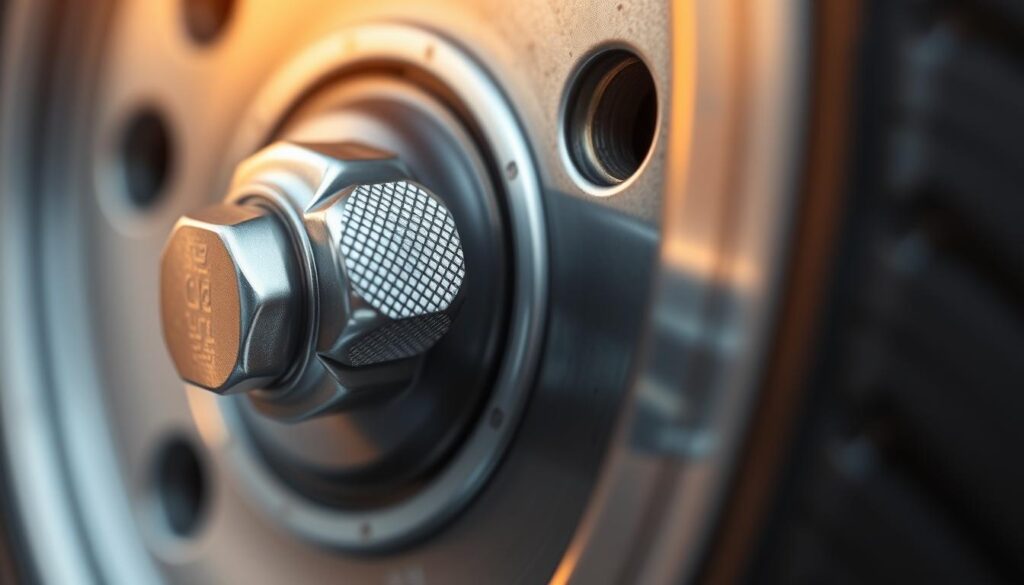
Lug nut settling occurs due to the thermal expansion and contraction of wheel components during operation. As the vehicle is driven, the lug nuts can loosen slightly, compromising wheel security. Proper retorquing ensures that lug nuts remain tight, maintaining wheel integrity.
Potential Consequences of Loose Lug Nuts
Loose lug nuts can lead to serious safety issues, including wheel vibration, uneven tire wear, and potentially catastrophic wheel separation. The table below outlines the potential consequences and their impacts on vehicle safety.
| Consequence | Impact on Vehicle Safety |
|---|---|
| Wheel Vibration | Increased risk of component failure |
| Uneven Tire Wear | Reduced tire lifespan and increased risk of tire failure |
| Wheel Separation | High risk of accident or loss of control |
Regular retorquing of lug nuts is a straightforward yet effective measure to mitigate these risks and ensure vehicle safety.
Lug Nuts Retorqued After 50 Miles: Understanding the Rule
Understanding the importance of retorquing lug nuts after 50 miles is essential for all vehicle owners. This practice is not arbitrary but based on the science behind how lug nuts settle over time.
Why Specifically 50 Miles?
The distance of 50 miles is significant because it allows for the initial settling of lug nuts. When new tires are installed or wheels are reattached, the lug nuts are tightened to a specific torque. However, as the vehicle is driven, the lug nuts can settle due to the heat generated by braking and the natural vibration of the vehicle. This settling can cause the lug nuts to loosen slightly.
Retorquing after 50 miles ensures that the lug nuts are still at the correct torque specification, maintaining the safety and integrity of the wheel.
Manufacturer Recommendations and Industry Standards
Most vehicle manufacturers recommend retorquing lug nuts after 50 to 100 miles. This recommendation is based on industry standards that consider the typical settling period for lug nuts.
| Vehicle Type | Recommended Retorque Mileage | Torque Specification |
|---|---|---|
| Passenger Cars | 50-100 miles | 80-100 ft-lbs |
| Trucks and SUVs | 50-100 miles | 100-140 ft-lbs |
It’s crucial to consult the vehicle’s owner’s manual for specific recommendations, as different manufacturers may have slightly different guidelines.
Essential Tools and Equipment for Proper Lug Nut Retorquing
The process of retorquing lug nuts requires specific tools to achieve the precise torque specifications. Properly tightened lug nuts are crucial for vehicle safety, and using the right equipment is essential to avoid potential hazards.
Selecting the Right Torque Wrench
A torque wrench is the most critical tool for lug nut retorquing. It’s used to apply a specific amount of torque to the lug nuts, ensuring they are tightened to the manufacturer’s specifications. When selecting a torque wrench, consider the type (click-style, digital, or hydraulic) and ensure it’s calibrated for accuracy. For more information on torque specifications for specific vehicles, you can visit this resource on lug nut torque for Jeep Wrangler models.
Additional Tools You’ll Need
In addition to a torque wrench, you’ll need a few other tools to complete the job. These include a lug wrench or impact wrench for initial loosening, a socket set that fits your vehicle’s lug nuts, and a breaker bar for added leverage if necessary. Ensuring you have the correct socket size is crucial for avoiding damage to the lug nuts.
Safety Equipment Recommendations
Safety should always be a top priority when working with vehicles. Recommended safety equipment includes gloves to protect your hands from cuts and abrasions, safety glasses to protect your eyes from debris, and a jack stand to securely support the vehicle while you work underneath it. Proper safety equipment can help prevent injuries during the retorquing process.
Preparation Steps Before Retorquing
Proper preparation is key to safely retorquing lug nuts, and it all begins with understanding your vehicle’s specific needs. Before you start the retorquing process, several steps must be taken to ensure that it’s done correctly and safely.
Finding Vehicle-Specific Torque Specifications
The first step in preparing to retorque your lug nuts is to find the correct torque specifications for your vehicle. This information can typically be found in your vehicle’s owner’s manual or on a placard on the driver’s side doorjamb or inside the fuel filler door. Torque specifications are crucial because they tell you exactly how tight the lug nuts should be. Using the wrong torque specification can lead to uneven tightening, which might result in wheel damage or even an accident.
| Vehicle Type | Torque Specification (ft-lbs) |
|---|---|
| Passenger Car | 80-100 |
| Light Truck | 100-120 |
| SUV | 90-110 |
Proper Vehicle Positioning and Securing
Before retorquing lug nuts, ensure your vehicle is on a flat, stable surface and apply the parking brake. For automatic transmissions, the vehicle should be in park, and for manual transmissions, it should be in first gear or reverse. If you’re working on a slope, consider using wheel chocks to prevent the vehicle from rolling. Proper securing is vital for your safety while working under the vehicle.
Inspecting Lug Nuts and Wheel Components
Inspect the lug nuts and wheel components for any signs of damage or wear. Check the lug nuts for any deformation or corrosion, and ensure the wheel studs are not damaged. The wheel itself should be inspected for any cracks or excessive wear. If you find any damage, it’s recommended to consult a professional mechanic before proceeding.
By following these preparation steps, you can ensure that the retorquing process is done safely and effectively, maintaining your vehicle’s safety and performance.
Step-by-Step Guide to Retorquing Lug Nuts
Retorquing lug nuts after 50 miles is a recommended practice that significantly enhances vehicle safety. This process ensures that the lug nuts are tightened to the correct specification, preventing potential wheel damage or detachment while driving.
Initial Lug Nut Loosening Technique
Before retorquing, it’s essential to loosen the lug nuts using the correct technique. First, ensure your vehicle is on a level surface and apply the parking brake. Then, using a lug wrench, loosen the lug nuts by turning them counterclockwise. It’s crucial not to remove them yet, just loosen them.
Tip: Loosen lug nuts in a star pattern to ensure even pressure distribution.
Proper Torque Wrench Usage
A torque wrench is a critical tool for retorquing lug nuts. To use it correctly, first, ensure you’ve selected the right torque specification for your vehicle, usually found in the owner’s manual or on the manufacturer’s placard on the driver’s side doorjamb.
Next, place the torque wrench on the lug nut and pull it in a clockwise direction until it clicks, indicating that the desired torque has been reached.
Correct Tightening Sequence and Pattern
The tightening sequence is crucial for evenly distributing the force across the wheel. Typically, a star or cross pattern is recommended. Start with one lug nut, tighten it to the specified torque, then move to the next one in the sequence.
| Tightening Pattern | Description |
|---|---|
| Star Pattern | Tighten lug nuts in a star or cross pattern to ensure even pressure. |
| Sequential Pattern | Some vehicles may require a sequential tightening pattern; refer to your owner’s manual. |
Verifying Proper Torque Application
After tightening the lug nuts, it’s essential to verify that the proper torque has been applied. Check each lug nut with your torque wrench to ensure they are all at the correct specification. This step is crucial for confirming that the lug nuts are not over or under-torqued.
Verification Tip: Re-check the torque after driving 50 miles and again after a few hundred miles to ensure lug nuts have settled properly.
Vehicle-Specific Considerations and Common Myths
The process of retorquing lug nuts is not one-size-fits-all; it varies significantly across different types of vehicles. Understanding these differences is crucial for ensuring vehicle safety and preventing potential damage to your vehicle.
Differences Between Car, Truck, and SUV Requirements
Cars, trucks, and SUVs have distinct lug nut retorquing requirements due to variations in their design, weight, and functionality. For instance, trucks and SUVs often have larger and heavier wheels, necessitating more stringent torque specifications compared to cars. It’s essential to consult your vehicle’s manual to determine the recommended torque values.
- Cars: Typically require lower torque values, often between 80-100 lb-ft.
- Trucks and SUVs: May require higher torque values, sometimes exceeding 150 lb-ft.
Aftermarket Wheels and Special Considerations
Vehicles equipped with aftermarket wheels may have different lug nut retorquing requirements. It’s crucial to follow the manufacturer’s guidelines for these wheels, as they may necessitate specific torque values or tightening sequences to ensure proper fitment and safety.
Debunking Common Misconceptions About Lug Nut Torquing
There are several myths surrounding lug nut torquing that need to be debunked. One common misconception is that over-torquing is better than under-torquing. However, over-torquing can lead to wheel damage or stripped threads, while under-torquing can result in loose lug nuts and potential wheel loss. The key is to follow the manufacturer’s recommended torque specifications.
By understanding the unique requirements of your vehicle and adhering to proper lug nut torquing practices, you can ensure a safe and smooth driving experience.
Conclusion
Retorquing lug nuts after 50 miles is a crucial step in maintaining vehicle safety and wheel maintenance. As discussed, lug nuts can loosen over time due to various factors, including heat, vibration, and wear.
By following the guidelines outlined in this article, vehicle owners can ensure their lug nuts are properly tightened, reducing the risk of wheel loss or other safety issues. Regular lug nut retorque checks are essential for maintaining vehicle safety and preventing potential accidents.
Proper wheel maintenance, including lug nut retorque, is vital for overall vehicle performance and safety. By prioritizing these checks, drivers can enjoy a safer and more reliable driving experience.
FAQ
What is the recommended distance for retorquing lug nuts?
The recommended distance for retorquing lug nuts is 50 miles, allowing for initial settling and ensuring proper tightening.
Why do lug nuts loosen over time?
Lug nuts loosen due to the settling of the wheel and lug nuts, as well as vibrations and other external factors, which can cause the initial tightening to relax.
What are the potential consequences of loose lug nuts?
Loose lug nuts can lead to wheel separation, loss of control, and potentially catastrophic accidents, emphasizing the importance of proper lug nut maintenance.
How do I find the correct torque specification for my vehicle?
To find the correct torque specification, consult your vehicle’s owner’s manual or the manufacturer’s website, as specifications vary between models and manufacturers.
What tools are necessary for retorquing lug nuts?
Essential tools include a torque wrench, lug wrench, and potentially a breaker bar, with the specific tools required depending on the vehicle and lug nut type.
Can I retorque lug nuts on any type of wheel?
While the process is generally similar, aftermarket wheels may have specific requirements, so it’s crucial to consult the manufacturer’s instructions for any special considerations.
Is it necessary to retorque lug nuts on all four wheels?
Yes, it’s recommended to retorque lug nuts on all four wheels (or all wheels, in the case of vehicles with more than four) to ensure even tightening and prevent uneven wear.
How often should I check my lug nuts after the initial 50-mile retorque?
It’s a good practice to check lug nuts periodically, such as during routine maintenance or when noticing any signs of looseness, like vibrations or unusual noises.