Few things are more frustrating than a car seat that won’t move back. Whether you’re a tall driver struggling with limited legroom or simply need to adjust your seating position for comfort, a stuck car seat can turn your driving experience into an uncomfortable ordeal. Beyond mere convenience, proper seat positioning is crucial for safe driving, affecting your visibility, reach to controls, and even your ability to respond in emergency situations.
This guide will walk you through practical troubleshooting steps to get your seat moving again, from simple DIY fixes to knowing when professional help is needed.
Common Causes of a Car Seat That Won’t Move Back
Before diving into solutions, understanding why your car seat won’t move back can help you target the right fix. Most seat mobility issues fall into one of these categories:
Physical Obstructions
- Foreign objects (coins, food, small toys) lodged in the seat rails
- Debris buildup in the track mechanisms
- Items wedged between the seat and center console
- Objects fallen underneath the seat blocking the movement mechanism
Electrical System Failures (Power Seats)
- Blown fuses interrupting power to the seat motors
- Faulty seat control switches not sending proper signals
- Damaged wiring between components
- Motor failure due to age or overuse
- Control module issues in vehicles with memory seating
Mechanical Failures
- Broken or stripped gear teeth in the seat track mechanism
- Damaged or bent seat rails preventing smooth movement
- Seized adjustment levers in manual seats
- Broken internal components in the seat adjustment assembly
- Disconnected linkage between the adjustment handle and locking mechanism
Safety Precautions Before You Start
Important Safety Warning: Modern car seats often contain airbag components and sensitive electronics. Always disconnect your car battery before working on power seats to prevent accidental deployment or electrical shorts. Wait at least 10 minutes after disconnection for any residual power to dissipate.
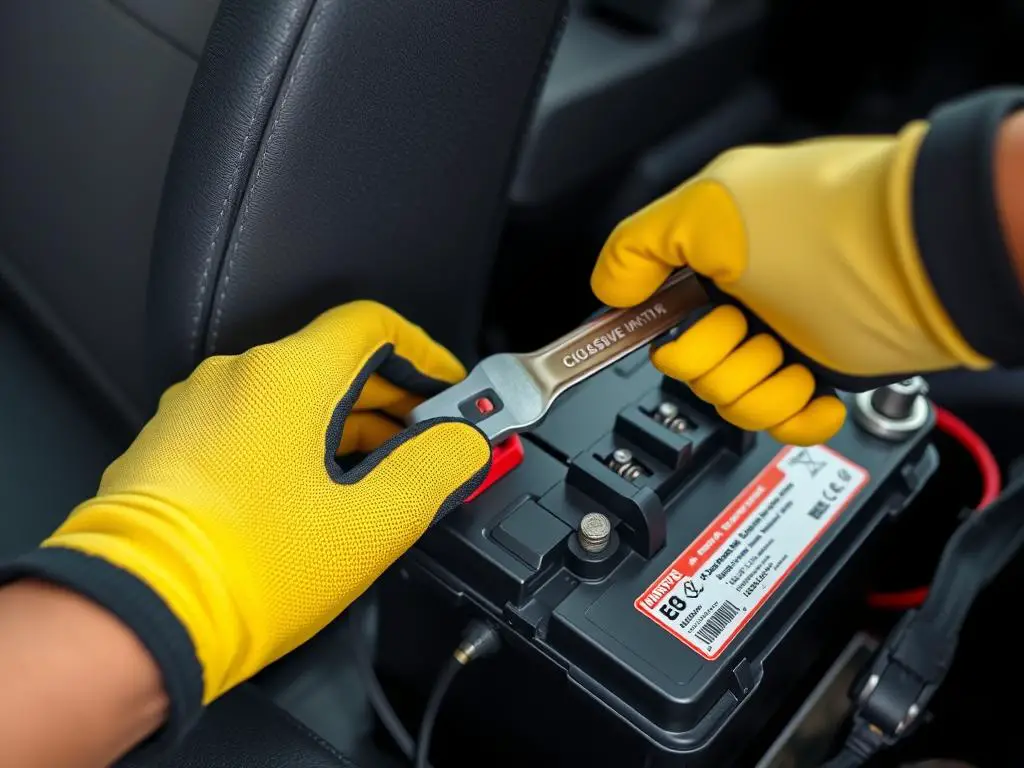
Before attempting any repairs on your car seat that won’t move back, take these safety measures:
- Park on level ground with the parking brake engaged
- For power seats, disconnect the negative battery terminal first
- Wear protective gloves to prevent cuts from sharp metal edges
- Keep track of any parts or fasteners you remove
- Consult your vehicle’s service manual for model-specific information
- Be cautious around side airbag modules that may be installed in the seat
Troubleshooting Manual Seat Adjustment Issues
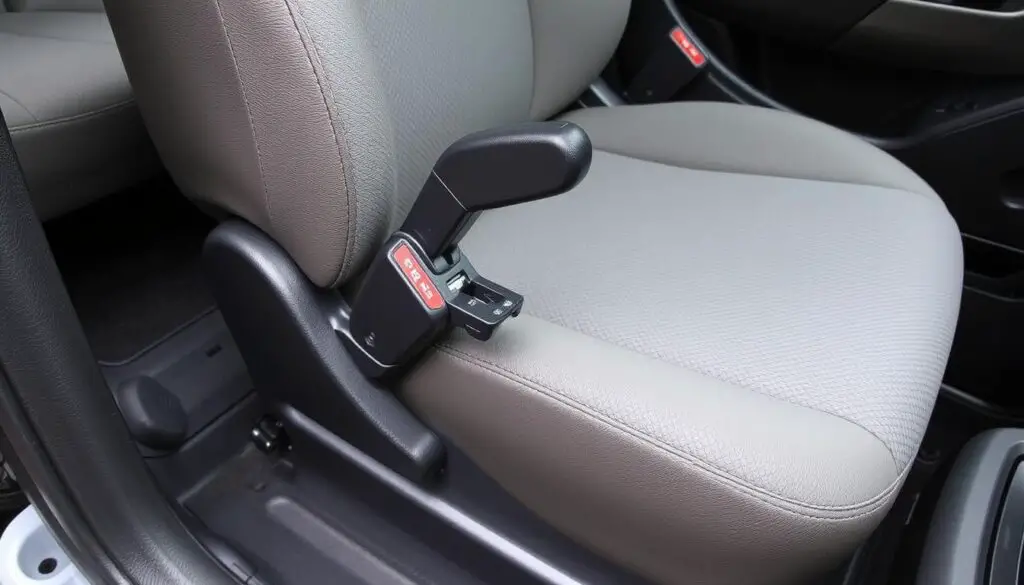
Check for Simple Obstructions
The most common reason a manual car seat won’t move back is something blocking the rails. Follow these steps:
- Pull the adjustment lever/bar and try to move the seat while applying gentle pressure
- Use a flashlight to inspect under the seat and along the rails for visible obstructions
- Check both sides of the seat for coins, toys, or other objects that might have fallen into the tracks
- Look for objects that might be wedged between the seat and the center console
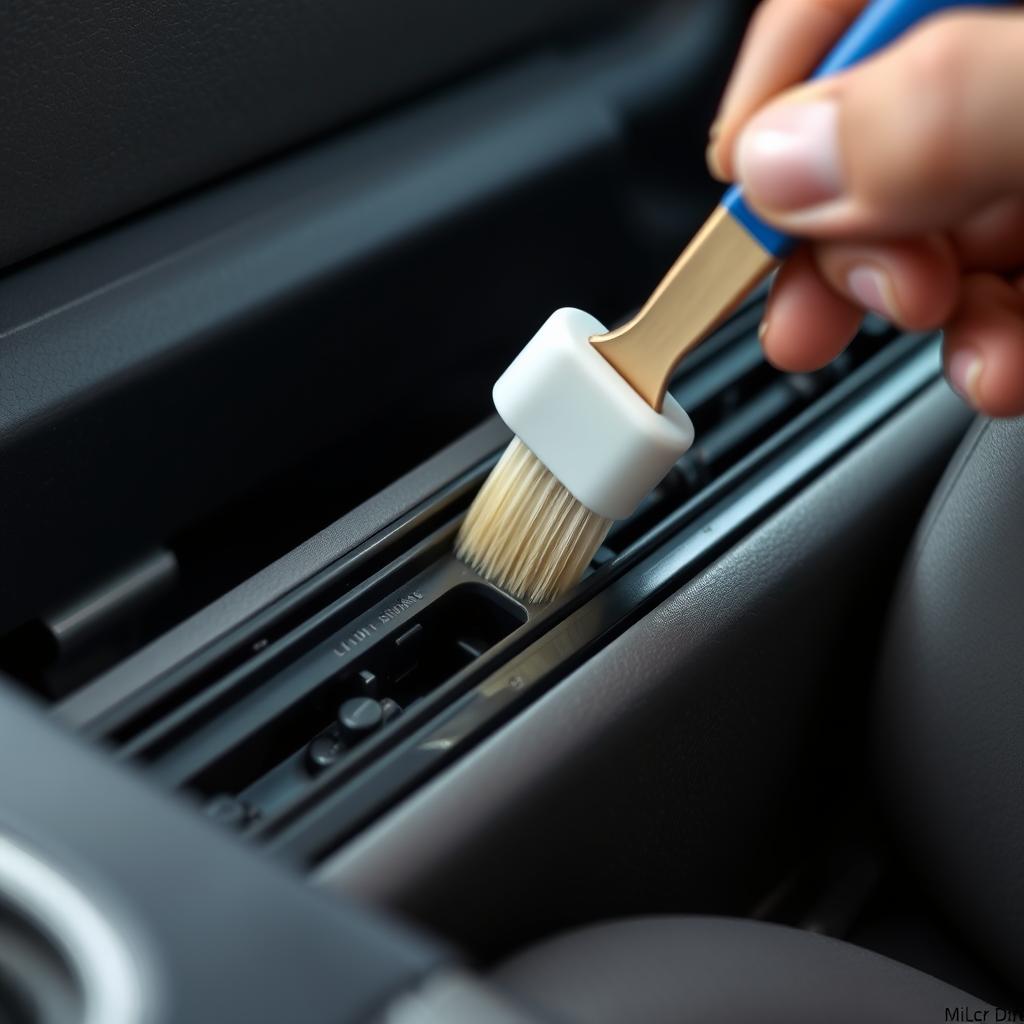
Clean and Lubricate the Tracks
Dirt and corrosion can prevent smooth movement of manual seat rails:
- Use compressed air or a vacuum to remove loose debris from the rails
- Wipe the exposed portions of the rails with a clean cloth
- Apply a small amount of white lithium grease or silicone lubricant to the rails
- Move the seat adjustment lever back and forth to work in the lubricant
Inspect the Locking Mechanism
If your manual seat moves but won’t lock in position or won’t release to allow movement:
- Examine the release lever for damage or disconnection
- Look for broken plastic components in the lever assembly
- Check if the locking pawls (the teeth that engage with the rail) are properly aligned
- Verify that the spring mechanism that keeps the pawls engaged is functioning
Need Professional Tools for DIY Repair?
For stubborn manual seat issues, having the right tools makes all the difference. A quality automotive tool kit can help you access hard-to-reach areas and properly lubricate seat mechanisms.
Fixing Power Seat Movement Problems
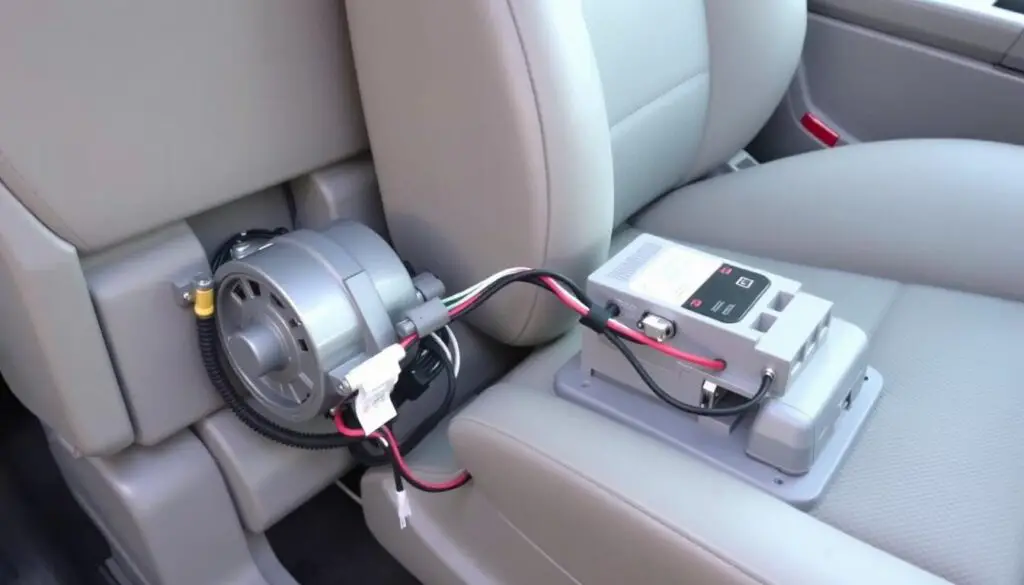
Check the Fuses First
When your power seat won’t move back, always start with the simplest potential cause:
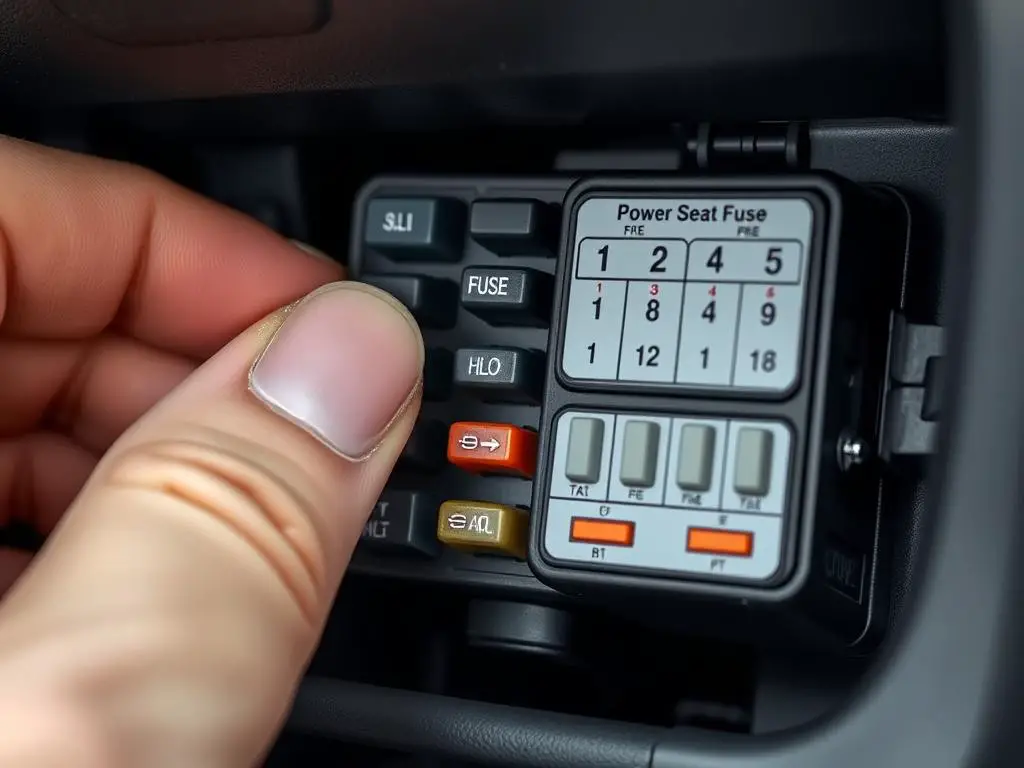
- Locate your vehicle’s fuse box (typically under the dashboard or in the engine compartment)
- Consult your owner’s manual to identify the specific fuse for the power seats
- Remove the fuse and inspect it for a broken filament or signs of burning
- Replace any blown fuse with one of identical amperage rating
- Test the seat functionality after replacing the fuse
Test the Seat Switch
If the fuse is good, the problem might be with the control switch:
- Turn the ignition to the “ON” position without starting the engine
- Press the seat control switch in all directions, listening for any motor sounds
- If you hear the motor running but the seat doesn’t move, the issue is mechanical
- If you hear nothing, the problem could be the switch, wiring, or motor
Inspect for Electrical Issues
For more advanced troubleshooting of power seats that won’t move back:
- Disconnect the car battery (negative terminal first)
- Locate the wiring harness under the seat
- Check for visible damage, loose connections, or pinched wires
- Reconnect any loose plugs securely
- For advanced testing, use a multimeter to check for continuity in the wiring and proper voltage at the motor
Motor and Mechanical Checks
If electrical components seem fine but your power seat still won’t move back:
- Check for obstructions in the seat rails as with manual seats
- Listen for grinding noises when operating the switch (indicates stripped gears)
- Look for foreign objects that might be jamming the motor or drive mechanism
- Inspect the drive cables or rods that connect the motor to the seat track
Electrical Issues Beyond Your Comfort Zone?
Power seat electrical problems can be complex. If basic troubleshooting hasn’t resolved your issue, connecting with a qualified automotive electrician can save you time and prevent further damage.
Advanced Solutions for Stubborn Seat Issues
Manual Override for Power Seats
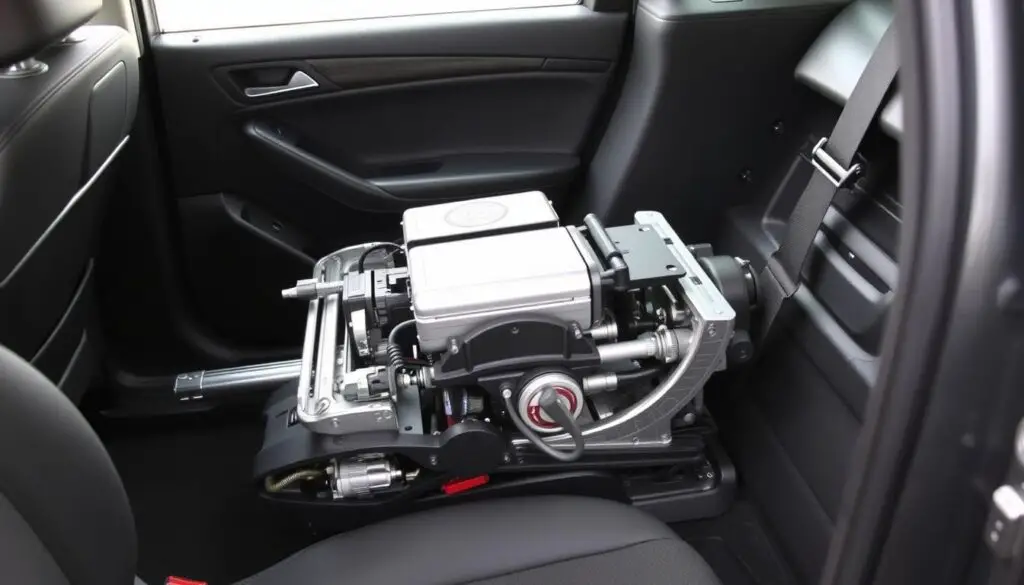
Some power seats have emergency manual override options when the electrical system fails:
- Check your owner’s manual for information about manual override procedures
- Look for access panels or covers that might conceal manual adjustment mechanisms
- Some vehicles have hex sockets that allow manual operation with an Allen wrench
- Be gentle when using manual overrides to avoid damaging the motor or gears
Accessing Hard-to-Reach Bolts
If your seat is stuck in a forward position and you can’t access the rear mounting bolts:
- Try adjusting the seat height up or down to create better access
- Use extension tools or flexible socket wrenches to reach difficult areas
- Consider temporarily removing door sill plates or center console components for better access
- In extreme cases, you may need to disconnect the seat from the floor to access components
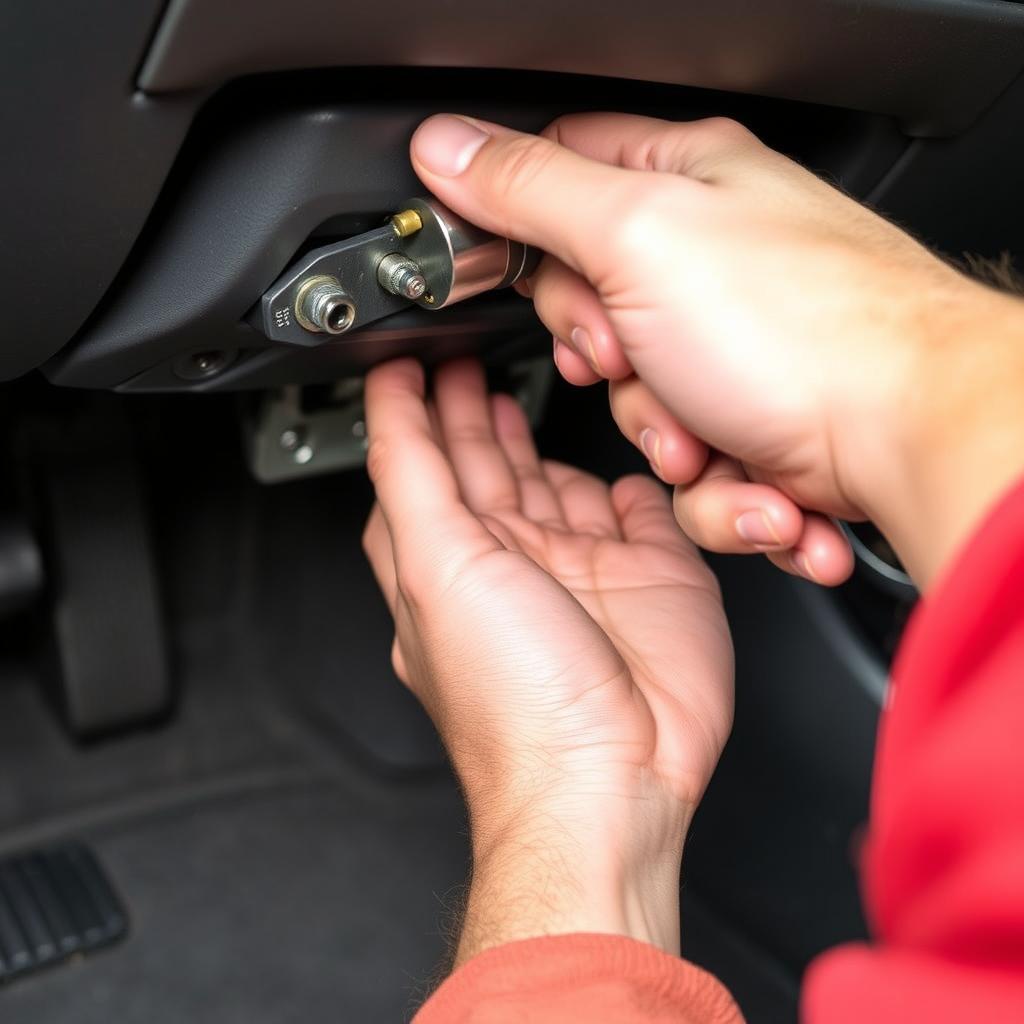
Dealing with Stripped Gears
A common cause of power seats that won’t move back is stripped plastic gears in the motor assembly:
- If you hear the motor running but the seat doesn’t move, suspect stripped gears
- This typically requires removing the seat and disassembling the motor assembly
- Replacement gear kits are available for some common vehicle models
- This repair requires moderate mechanical skills and specialized tools
Important Note: If your seat contains side airbags or seat belt pretensioners, professional service is strongly recommended. Improper handling of these safety systems can lead to accidental deployment or failure to function in an accident.
When to Seek Professional Help
While many seat issues can be resolved with DIY methods, some situations call for professional assistance. Consider seeking expert help if:
Technical Indicators
- You’ve verified electrical power but the motor doesn’t respond at all
- The seat makes grinding or unusual noises when adjustment is attempted
- You can see damaged components that require replacement
- The seat is completely stuck and basic troubleshooting hasn’t helped
- Your vehicle has memory seating with complex electronic controls
Safety Considerations
- Your seat contains side airbags or integrated seat belt systems
- The seat has heating, cooling, or massage functions
- You need to remove the entire seat but aren’t familiar with proper procedures
- The repair requires specialized tools you don’t have access to
- You’re uncomfortable working with vehicle electrical systems
Cost Expectations: Professional repair costs vary widely depending on the issue and vehicle model. Simple mechanical fixes might cost $100-200, while complete power seat motor replacement can range from $200-600 plus labor. Always request an estimate before authorizing repairs.
Preventive Maintenance to Avoid Future Issues
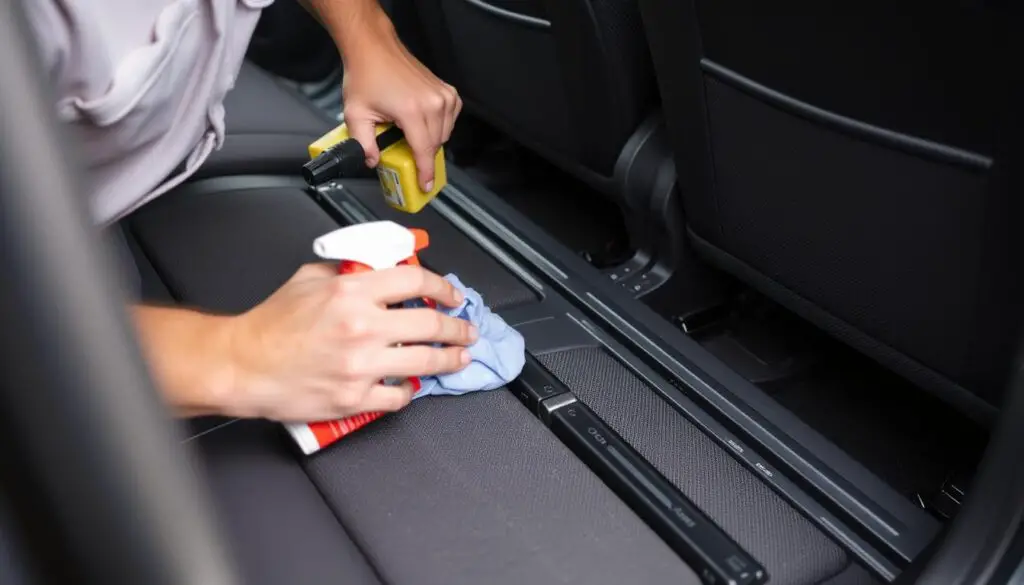
An ounce of prevention is worth a pound of cure, especially when it comes to car seat mechanisms. These maintenance tips can help prevent your car seat from getting stuck again:
Regular Cleaning
- Vacuum under and around seats monthly
- Remove debris from seat rails promptly
- Wipe down exposed metal components
- Keep food and small items away from seat mechanisms
Proper Lubrication
- Apply silicone or lithium grease to rails twice yearly
- Use only automotive-approved lubricants
- Avoid over-lubricating which attracts dirt
- Wipe away excess lubricant after application
Gentle Operation
- Avoid forcing seat adjustments
- Don’t stand or jump on seats
- Move seats occasionally to prevent seizing
- Address unusual noises promptly
Conclusion: Getting Back in the Driver’s Seat
A car seat that won’t move back can range from a minor inconvenience to a major comfort and safety issue. Fortunately, many seat adjustment problems can be resolved with basic troubleshooting and maintenance. Remember these key takeaways:
- Start with the simplest solutions first—checking for obstructions and cleaning the rails
- For power seats, electrical issues like blown fuses or faulty switches are common culprits
- Regular maintenance, including cleaning and lubrication, can prevent many seat problems
- Don’t hesitate to seek professional help for complex issues, especially those involving safety systems
- Proper seat positioning is crucial for both comfort and safety while driving
By following the troubleshooting steps in this guide, you should be able to diagnose and potentially fix your stuck car seat. Whether it’s a simple obstruction or a more complex mechanical issue, understanding the problem is the first step toward a solution. And remember—if you’re ever uncertain about a repair, especially one involving safety components, consulting with a professional mechanic is always the wisest choice.