Quick overview: Many owners see a nearly full charge drop much sooner than expected. This loss can appear over weeks or show up overnight. Noting patterns early helps avoid bigger problems and keeps day-to-day driving predictable.
What the traction pack does: It stores energy to power an electric vehicle and its systems. A sudden loss of range or percent charge is one of the most disruptive ownership issues for any car user.
Start by tracking when the drop happens — after a fast charge, during short trips, after parking, or in certain weather. That simple routine helps separate normal variation from repeated, abnormal drain.
What to expect here: This guide explains common causes and practical steps you can take now. It also notes when to monitor over time and when to seek qualified service for a thorough evaluation.
Key Takeaways
- Track patterns in charge loss to narrow down likely causes.
- Distinguish normal range swings (temp, speed, HVAC) from repeated drain.
- Check charging habits and recent driving style first.
- Safe owner actions can solve many issues before service is needed.
- Contact manufacturer guidance or a qualified shop for persistent faults.
- Goal: extend usable range while keeping comfort and convenience.
What “fast HV battery drain” looks like in an electric vehicle today
Many drivers first notice an issue when a recent full charge yields far fewer usable miles than usual. That sudden change stands out against a familiar daily range rhythm.
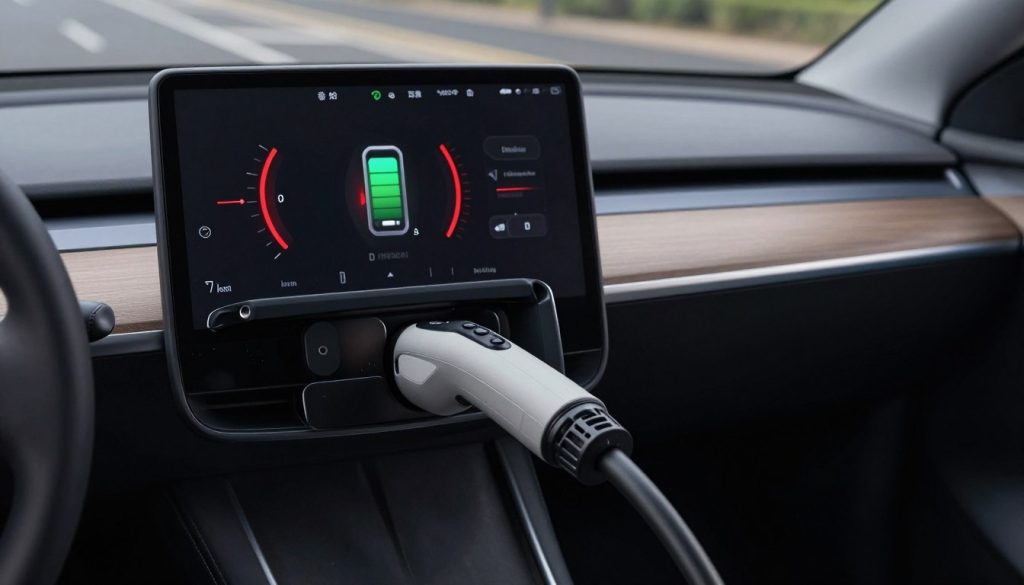
Common signs include a rapid drop in state-of-charge percentage, shorter trip range after a routine charge, or an unexpectedly low percent after parking for several hours.
- Quick checks: compare starting charge, ending charge, miles driven, average speed, and HVAC settings for a few days.
- Estimate vs true loss: the dash can recalibrate based on recent driving, weather, or accessory load — use consistent routes to compare.
- Typical scenarios: stop-and-go commutes, cold mornings with heat on, and high-speed driving with strong headwinds often make charge fall faster.
- Parked loss: a car left off can lose percent over hours or days from background systems; owners call this phantom or parasitic drain.
Document when it happens, amount lost, outside temp, whether the car was plugged in, and any recent software or setting changes. If loss is sudden, repeatable, and large or shows warnings, move from observation to diagnostics and consult a detailed battery discharge guide.
Why is the HV battery draining fast?
Driving that alternates hard acceleration with rapid stops forces the pack to deliver more energy per mile.
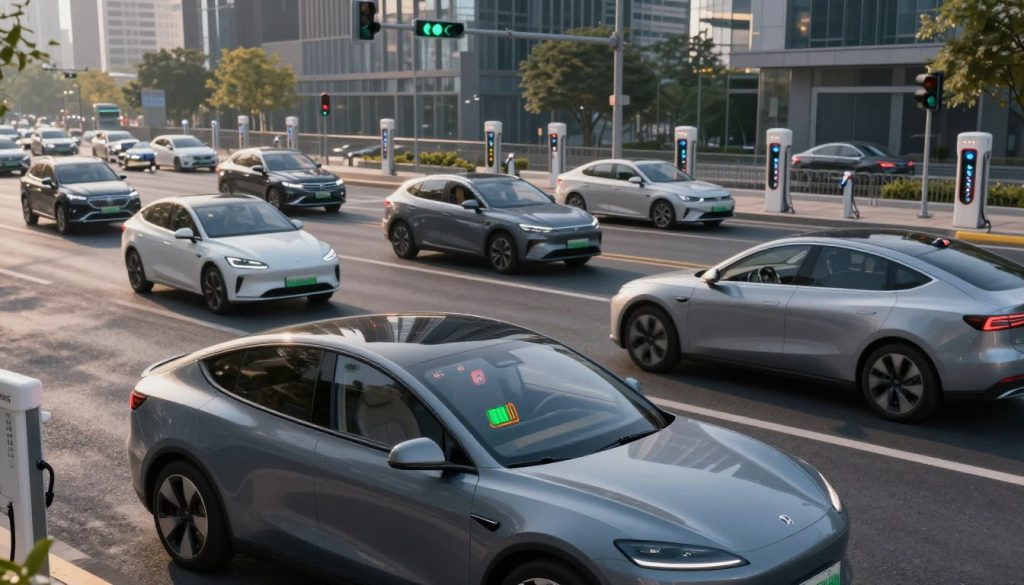
Driving habits that spike output
Hard launches demand big bursts of power. Quick acceleration eats charge far quicker than steady throttle.
Stop-and-go traffic raises rolling resistance and repeated acceleration events. Over several short trips, range drops noticeably.
High speed and wind resistance
Aerodynamic drag rises with the square of speed, so pushing past highway limits costs extra energy. Headwinds act like invisible resistance and make the same route feel tougher.
Short trips and inconsistent use
Brief errands can hurt real-world performance. Systems rarely reach optimal temperature, and cabin heating or cooling runs more per mile.
Sporadic driving patterns confuse range estimation. Consistent routes and smoother input help the vehicle manage resources better.
Quick self-check
- Does drain align with city errands or high-speed commutes?
- Do heavy braking events match days with larger range loss?
- Try gradual throttle, anticipate stops, and use regenerative modes when practical.
| Factor | Effect on range | Simple fix |
|---|---|---|
| Hard acceleration | High instant draw | Smoother throttle |
| Heavy braking | Wasted momentum | Use regenerative braking |
| High speed / wind | Increased drag | Reduce speed, plan passes |
| Short, cold trips | Poor efficiency | Combine errands, precondition when plugged in |
Weather, temperature, and HVAC loads that drain the battery faster
Frigid mornings and blazing afternoons both change how much energy your pack needs. Cold slows chemical reactions inside cells, so output drops and the car spends extra power warming cabin and pack before it performs normally.
Cold conditions and smart winter habits
Cold weather forces more heating cycles and higher power draw. Use seat heaters selectively and drop cabin temp a few degrees to save energy.
Tip: try eco climate settings and clear windows quickly to avoid long defrost runs.
Hot weather, cooling demand, and long-term effects
Heat raises immediate air conditioning load and, over years, can harm battery health if exposure repeats. Park in shade or a garage to cut initial cooling power needed at startup.
Comfort features that add load
Air conditioning, defrosters, and heated seats add noticeable drain when used together, especially on short trips. Treat them as combined systems that impact real-world performance.
Preconditioning while plugged in
Schedule preconditioning through the app so grid energy handles initial heating or cooling. That keeps pack charge for driving and reduces unexpected range loss.
| Condition | Effect on range | Practical fix |
|---|---|---|
| Cold weather | Lower output, more heater use | Precondition while plugged in; use seat heat |
| Hot weather | Higher AC load; long-term wear | Park shaded; cool before driving |
| Combined comfort features | Significant short-trip loss | Limit simultaneous features; use eco modes |
Expected outcome: in extreme temperatures some range drop is normal. Focus on steady routines that reduce unnecessary power use and protect long-term battery health.
Charging practices that can affect charge retention and battery health over time
Small choices at the charger add up. Routine charger selection, charge limits, and when you plug in shape both short-term range and long-term battery health.
Overusing high-power chargers
Using fast chargers often helps on long trips, but repeated high-current sessions raise cell temperature and stress chemistry. That stress can cut usable capacity over months.
Smart state-of-charge habits
Keep daily charge in a mid-range window—commonly about 20–80% or 30–80%—and save 100% for planned long drives. Avoid regular deep discharges; they increase wear and add variability to range.
Timing, heat management, and system stabilization
Charge during off-peak hours when possible to reduce cost and let cooling systems run less under load. In hot weather, charge in shade or a garage and allow a short idle period after charging so onboard systems stabilize.
- Rule of thumb: Level 2 for daily use; DC fast only when needed.
- Troubleshoot: If rapid range loss follows a change in charger habits, revert to steady charging and monitor for a week.
| Practice | Effect | Action |
|---|---|---|
| Daily Level 2 charging | Lower stress on cells | Use home or workplace chargers |
| Frequent DC fast charging | Higher heat, faster wear | Reserve for trips, not daily use |
| Charging to 100% regularly | Increased long-term capacity loss | Set charge limit for daily needs |
| Charging in heat | Stacked thermal stress | Charge in shade/garage; cool before driving |
Vehicle systems and “phantom drain” when the car is parked
A car left unplugged can slowly lose range over days because connected services and monitoring never fully sleep. This parked loss, often called phantom or parasitic drain, happens when background modules draw small, steady power.
Common parasitic contributors
Connectivity and security: telematics, remote monitoring, and alarm systems check in often and tap power.
Infotainment and sensors: standby screens, cameras, and active sensors can remain partially awake.
Electronics, accessories, and small loads
Aftermarket dash devices, phone chargers left plugged in, and repeated cabin wake events add steady draw. Over an overnight or a multi-day park, those amps become noticeable percent loss.
Software and system behavior
Keep software current. Delayed software updates may reduce management efficiency. Updated system software can improve charge holding without other changes.
- Disable unnecessary always-on features where allowed.
- Log out of unused apps and reduce frequent wake-ups.
- Test parked loss by comparing settings across identical parked intervals.
| Cause | Effect | Quick fix |
|---|---|---|
| Connectivity checks | Steady draw | Limit remote features |
| Aftermarket electronics | Added parasitic load | Unplug or fuse off |
| Outdated software | Poor management | Apply updates, then monitor |
If parked loss is sudden or growing, schedule diagnostics so a shop can identify a module that won’t sleep or a software issue that needs repair.
Conclusion
Small, repeatable checks often reveal if energy loss stems from driving style, climate loads, or electronics.
Fast range loss rarely has a single cause. Driving habits, weather and HVAC use, charger routines, and parked electronics usually act together. Track when charge falls, note conditions and alerts, and rule out simple fixes first.
Start by changing the highest-impact habits: ease acceleration, lower cruise speed, and trim cabin loads. Then refine charging limits and reduce frequent high-power sessions to help extend pack life.
Use seasonal tactics like preconditioning while plugged in and parking out of extreme heat or cold. If steps do not improve performance, check warnings and schedule a professional evaluation to confirm health or uncover system issues.
Practical reassurance: small habit changes and steady monitoring often protect range, reduce surprises, and keep your electric vehicle reliable for the long way ahead.
FAQ
Optimize HV Battery Life: Prevent Rapid Drain
To keep energy reserves healthy, adopt smooth acceleration, limit hard braking, and combine trips to reduce short-start patterns. Use scheduled charging and preconditioning while plugged in so cabin climate uses shore power instead of onboard reserves. Monitor tire pressure, reduce excess weight, and disable unused electrical accessories when parked to limit parasitic draw.
What “fast HV battery drain” looks like in an electric vehicle today
A sudden drop in available range during normal driving, rapid loss of charge when parked, or decreasing usable range over months are common red flags. Range estimates that swing widely with temperature or load, and a big gap between indicated and actual miles driven, indicate rapid energy loss or battery health decline.
Driving habits that spike energy use: hard acceleration, heavy braking, and stop-and-go traffic
Aggressive starts and frequent braking force the system to generate and absorb energy inefficiently. Stop-and-go city traffic increases accessory use and regenerative braking limits, which reduces efficiency. Smooth, steady driving conserves energy and extends usable range.
High speeds, wind resistance, and the hidden cost of rushing
Aerodynamic drag rises with speed, so highway cruising at high velocity consumes far more power than moderate-speed travel. Reducing speed by even 10–15 mph can yield noticeable range gains and lower energy consumption per mile.
Short trips and inconsistent use patterns that reduce real-world battery performance
Frequent short drives prevent the battery from reaching optimal temperature and charge cycles, reducing efficiency. Combining errands, using preconditioning while plugged in, and occasional longer trips help maintain better state-of-charge balance and thermal conditioning.
Cold weather: slower battery chemical reactions and more energy used for cabin heat
Low temperatures increase internal resistance and slow chemical reactions, cutting available power. Cabin heating draws significant energy; using seat heaters, preheating while charging, and garage parking mitigate loss during cold spells.
Hot weather: heat exposure, increased cooling demand, and long-term battery health impact
High temperatures force active cooling to run, which consumes power and, over time, stresses cells. Shade, thermal battery management, and avoiding prolonged high-state-of-charge in heat protect capacity and limit immediate range loss.
Air conditioning, defrosters, and heated seats: when comfort features become major power draw
HVAC systems are among the largest accessory loads. Using eco climate settings, seat heaters instead of full-cabin heat, and preconditioning while plugged in reduces reliance on onboard energy and preserves driving range.
Preconditioning while plugged in to reduce drain before you drive
Preconditioning uses external power to warm or cool the cabin and battery to optimal temperature. This reduces energy use during the initial miles and improves efficiency, especially in extreme temperatures.
Overusing fast chargers and why it can accelerate battery degradation
Frequent high-power DC fast charging raises cell temperature and can increase wear, gradually lowering capacity. Balance fast charging with regular Level 2 sessions and reserve rapid chargers for long trips to protect long-term health.
Best state-of-charge habits: avoiding long stays at very high or very low charge
Keeping a daily charge window around 20–80% reduces stress on cells. Avoid prolonged 100% or 0% states when not needed. Use full charge only for extended drives and store at moderate charge for long-term parking.
Smart charging timing: off-peak charging, heat management, and letting the system stabilize
Schedule charging during off-peak hours and to finish shortly before departure. This minimizes time at high state-of-charge and allows battery thermal systems to manage temperature, improving both efficiency and longevity.
Parasitic draw from connectivity, security, infotainment, sensors, and always-on features
Modern vehicles keep connectivity modules, telematics, and security systems in low-power standby. These can add up to noticeable drain when parked for days. Disable nonessential wake features, update sleep timers, and check for apps that maintain constant connections.
Electronics and accessories that quietly drain battery power
Aftermarket devices, dash cams, phone chargers, and poorly wired accessories can create continuous current draw. Isolate fused circuits, use switched outlets, or install a dedicated cutoff to prevent slow discharge when the vehicle sits.
Software update delays and battery management system performance
Outdated firmware can mismanage charging, thermal control, and sleep states, leading to excess drain. Keep vehicle software and battery management firmware current and perform diagnostic checks if you notice unexplained loss of range.