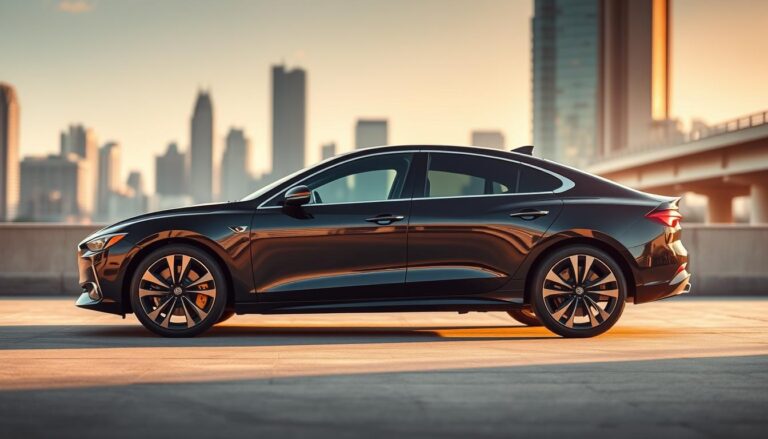
The world of passenger vehicles is diverse and complex, with various types and classifications that cater to different needs and preferences. From compact cars to luxury coaches, the range of passenger vehicles available in the market is vast.
Understanding the different types of passenger vehicles is essential for individuals and businesses looking to purchase or lease vehicles for personal or commercial use. For instance, passenger commercial vehicles are categorized into various types, including light vehicles, medium-passenger utility vehicles, and heavy commercial vehicles, each serving distinct purposes.
Key Takeaways
- Passenger vehicles come in various types and classifications.
- Understanding the different types is crucial for informed decision-making.
- Passenger commercial vehicles are categorized into light, medium, and heavy vehicles.
- Different types of passenger vehicles cater to specific needs and preferences.
- The range of passenger vehicles available in the market is vast and diverse.
What Is a Passenger Vehicle and What Are the Types?
In the automotive industry, passenger vehicles are defined by their primary use for transporting individuals. This definition encompasses a wide range of vehicles, from compact cars to larger SUVs and vans, all designed to carry people rather than goods.
Definition and Legal Classification
Passenger vehicles are legally classified based on their design, capacity, and intended use. Regulations vary by country, but in the United States, the classification is typically determined by the vehicle’s gross vehicle weight rating (GVWR) and the number of seats or passenger capacity. For instance, vehicles with a GVWR of less than 8,500 pounds are generally considered light-duty vehicles and are often used as passenger vehicles.
Distinguishing from Commercial Vehicles
The primary distinction between passenger and commercial vehicles lies in their intended use. Commercial vehicles are designed for transporting goods or providing services, whereas passenger vehicles are for personal transportation. This distinction affects how vehicles are regulated, taxed, and insured. For example, commercial vehicles often require special licenses and may be subject to stricter safety regulations.
Overview of Major Categories
Passenger vehicles can be broadly categorized into several types, including sedans, SUVs, vans, and specialty vehicles like electric and hybrid models. Each category serves different needs and preferences, from the practicality of minivans to the performance of sports cars. Understanding these categories is essential for navigating the automotive market effectively.
The automotive industry continues to evolve, with advancements in technology and changes in consumer preferences driving the development of new vehicle types and features. As such, staying informed about the different types of passenger vehicles and their characteristics is crucial for both consumers and industry professionals.
Sedans, Coupes, and Hatchbacks
Understanding the differences between sedans, coupes, and hatchbacks is crucial for making an informed decision when purchasing a passenger vehicle. Each of these categories offers unique benefits and caters to different lifestyles and preferences.
Sedans: The Traditional Family Car
Sedans are known for their comfort, spacious interiors, and traditional design. They are a popular choice for families and professionals alike.
Popular Models and Features
Some of the most popular sedan models include the Toyota Camry, Honda Accord, and Ford Fusion. These vehicles often come equipped with advanced safety features, comfortable seating, and robust engine options.
Key Features:
- Spacious interiors
- Advanced safety features
- Comfortable seating
Advantages and Limitations
Sedans offer a smooth ride and ample trunk space, making them ideal for daily commutes and family road trips. However, they may not be as sporty or stylish as coupes, and their larger size can be a drawback in tight city parking spots.
Coupe: Style and Performance
Coupe-style vehicles are designed for those who prioritize style and performance. They typically have a sleek, two-door design and are often associated with a sportier driving experience.
Design Characteristics
Coupe vehicles are characterized by their sloping roofline, which gives them a distinctive look. They often feature powerful engines and sport-tuned suspension.

Coupe vehicles tend to appeal to a younger demographic and driving enthusiasts who value performance and style over practicality.
Hatchbacks: Compact Versatility
Hatchbacks offer a unique blend of compact size and versatility, making them an attractive option for urban dwellers and those with active lifestyles.
Storage Benefits and Fuel Efficiency
One of the key advantages of hatchbacks is their spacious cargo area, which is accessible through a rear hatch. They are also generally more fuel-efficient than larger sedans and SUVs.
Comparative Analysis:
| Vehicle Type | Fuel Efficiency (mpg) | Cargo Space (cu.ft.) |
|---|---|---|
| Sedan | 28 | 15 |
| Coupe | 25 | 10 |
| Hatchback | 32 | 20 |
Popular American Models
Popular hatchback models in the American market include the Honda Civic Hatchback and the Ford Focus Hatch. These vehicles offer a fun driving experience, along with practicality and efficiency.
SUVs and Crossovers
From family-friendly vehicles to off-road adventurers, SUVs and crossovers cater to a wide range of lifestyles. Their versatility, combined with advanced features and capabilities, has made them a staple in the automotive market.
Full-Size SUVs: Power and Space
Full-size SUVs are known for their impressive towing capacity and generous passenger volume. They are ideal for large families or those who need to transport heavy loads.
Towing Capacity and Passenger Volume
These vehicles offer significant towing capacity, often exceeding 8,000 pounds, and can accommodate up to 8 passengers, making them perfect for big families or group outings.
Fuel Consumption Considerations
While full-size SUVs provide power and space, they typically consume more fuel. Potential buyers should consider their driving habits and needs when evaluating fuel efficiency.
| Model | Towing Capacity (lbs) | Passenger Volume (cu.ft) | Fuel Economy (mpg) |
|---|---|---|---|
| Chevrolet Tahoe | 8,400 | 150.5 | 16 |
| Ford Expedition | 9,300 | 172.3 | 17 |
| Toyota Sequoia | 7,400 | 168.3 | 15 |
Mid-Size SUVs: The Popular Middle Ground
Mid-size SUVs strike a balance between size, efficiency, and capability. They are popular among families and individuals seeking a versatile vehicle.
Family-Friendly Features
These SUVs often come equipped with advanced safety features, ample cargo space, and comfortable seating for passengers.
Off-Road Capabilities
Many mid-size SUVs offer four-wheel drive and robust suspension systems, enabling them to handle off-road terrain with ease.

Compact SUVs and Crossovers: Urban Utility
Compact SUVs and crossovers have gained popularity in urban environments due to their compact size and efficient performance.
Difference Between SUVs and Crossovers
While both offer versatility, SUVs tend to have a more rugged design and better off-road capability, whereas crossovers are generally more car-like in their handling and fuel efficiency.
Market Growth and Consumer Preferences
The market for compact SUVs and crossovers continues to grow, driven by consumer preferences for smaller, more fuel-efficient vehicles with advanced technology features.
Key Considerations when choosing an SUV or crossover include towing capacity, passenger volume, fuel efficiency, and off-road capabilities. Understanding these factors can help buyers make an informed decision.
Minivans, Vans, and Specialty Passenger Vehicles
For families and groups, minivans and vans provide practical solutions, while electric and hybrid vehicles offer eco-friendly alternatives. These categories of passenger vehicles are designed to meet specific needs, ranging from spacious interiors to reduced environmental impact.
Minivans: The Ultimate Family Haulers
Minivans are renowned for their versatility and practicality, making them an ideal choice for families. They offer generous interior space, comfortable seating, and innovative storage solutions.
Seating Configurations and Storage Solutions
One of the key features of minivans is their flexible seating arrangements. Many models offer configurable seating to accommodate different numbers of passengers and cargo. For instance, the minivan body type is designed to maximize interior space.
Storage solutions in minivans are also noteworthy, with features like hidden compartments, ample cup holders, and expansive cargo areas.
Modern Features and Technology
Modern minivans are equipped with advanced technology, including infotainment systems, safety features like rearview cameras, and driver assistance technologies. These features enhance the driving experience and provide added convenience.
Passenger Vans: Group Transportation
Passenger vans are designed to transport larger groups, making them suitable for both personal and commercial use. They offer a spacious interior and can be configured to meet various needs.
Commercial vs. Personal Use
While passenger vans are often used commercially, such as for shuttle services or by businesses, they are also used personally by large families or groups. The distinction between commercial and personal use can influence the choice of model and features.
Electric and Hybrid Passenger Vehicles
Electric and hybrid vehicles represent a significant shift towards more environmentally friendly transportation. These vehicles offer reduced emissions and, in the case of electric vehicles, zero tailpipe emissions.
Range and Charging Infrastructure
One of the considerations for electric vehicle owners is the range and charging infrastructure. Advances in battery technology have improved range, and the expansion of charging networks has made owning an electric vehicle more practical.
Environmental Benefits
The environmental benefits of electric and hybrid vehicles are substantial. By reducing reliance on fossil fuels, these vehicles contribute to cleaner air and a reduction in greenhouse gas emissions.
Luxury and Performance Passenger Vehicles
Luxury vehicles are characterized by their premium features, advanced technology, and high-performance capabilities. They offer a driving experience that is both comfortable and exhilarating.
Premium Features and Price Points
Luxury vehicles come with a range of premium features, including high-end interiors, advanced safety features, and powerful engines. The price points for these vehicles vary widely, reflecting the range of options and brands available.
Conclusion: Choosing the Right Passenger Vehicle
Selecting the ideal passenger vehicle can be a daunting task, given the numerous options available in the market. By understanding the different types of passenger vehicles, including sedans, SUVs, minivans, and specialty vehicles, you can make an informed decision that suits your needs and preferences.
When choosing a passenger vehicle, consider factors such as seating capacity, fuel efficiency, safety features, and budget. Whether you’re looking for a family car, a daily commuter, or a vehicle for group transportation, there’s a passenger vehicle designed to meet your requirements.
Effective vehicle selection involves weighing the pros and cons of each type and considering your specific needs. By doing so, you can find the perfect vehicle that aligns with your lifestyle and provides a comfortable, safe, and enjoyable driving experience.
FAQ
What is considered a passenger vehicle?
A passenger vehicle is a road vehicle designed for the transport of passengers, typically with a maximum of 8-9 seats, including the driver’s seat.
How do sedans differ from hatchbacks?
Sedans are characterized by a fixed roof and a separate trunk, while hatchbacks have a rear door that swings upwards to provide access to the cargo area.
What are the benefits of owning an SUV or crossover?
SUVs and crossovers offer higher ground clearance, more cargo space, and a more commanding view of the road, making them suitable for families, outdoor enthusiasts, and those living in areas with rough roads.
What is the difference between a minivan and a passenger van?
Minivans are designed for family use, with features like sliding doors and configurable seating, while passenger vans are often used for group transportation, such as shuttles or tour buses.
Are electric and hybrid vehicles considered passenger vehicles?
Yes, electric and hybrid vehicles can be classified as passenger vehicles if they meet the relevant criteria, such as having a maximum of 8-9 seats and being designed for personal transportation.
What are some key considerations when choosing a passenger vehicle?
When selecting a passenger vehicle, consider factors like seating capacity, cargo space, fuel efficiency, safety features, and budget to ensure the chosen vehicle meets your needs and preferences.
How do luxury passenger vehicles differ from standard models?
Luxury passenger vehicles typically offer premium features like advanced infotainment systems, premium materials, and enhanced performance capabilities, often at a higher price point.
Can I use a passenger vehicle for commercial purposes?
While passenger vehicles are designed for personal use, some models can be used for commercial purposes, such as ride-sharing or small deliveries, but may require special permits or licenses.