Modern vehicles, like those produced by Peugeot, are equipped with advanced emission control systems to minimize environmental impact. However, when a Peugeot anti-pollution fault occurs, it can lead to decreased performance, increased emissions, and potentially costly repairs if left unaddressed.
Recognizing the signs of an anti-pollution fault and taking prompt action is crucial. This issue can manifest through various symptoms, including dashboard warning lights, reduced engine performance, or unusual exhaust emissions. Understanding the causes and consequences of this fault is essential for effective resolution and prevention.
Key Takeaways
- Peugeot anti-pollution faults can lead to decreased vehicle performance and increased emissions.
- Prompt identification and resolution of the issue are crucial to avoid costly repairs.
- Understanding the causes and symptoms is key to effective troubleshooting.
- Regular maintenance can help prevent anti-pollution faults.
- Ignoring the issue can result in further damage and higher repair costs.
What is the Peugeot Anti-Pollution Fault?
The anti-pollution system in Peugeot vehicles plays a crucial role in reducing harmful emissions, and faults can have serious implications. The system is designed to minimize the vehicle’s environmental impact by controlling emissions.
How the Anti-Pollution System Works in Peugeot Vehicles
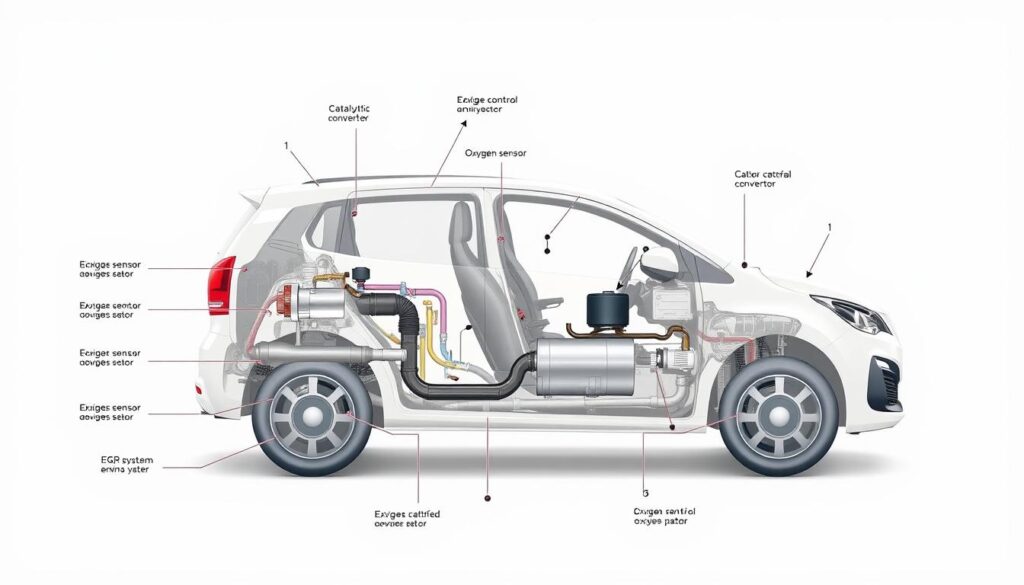
The anti-pollution system in Peugeot vehicles is a complex network of components working together to reduce emissions. It includes the exhaust gas recirculation (EGR) valve, catalytic converter, and oxygen sensors, all monitored by the engine management system. This system ensures that the vehicle meets emission standards and runs efficiently.
Common Warning Signs and Symptoms
When the anti-pollution system fails, it triggers warning signs on the dashboard. Common symptoms include the illumination of the “Check Engine” light, decreased engine performance, and in some cases, the vehicle may go into limp mode to prevent further damage. Identifying these symptoms early can help prevent more severe problems.
Drivers should be vigilant about these warning signs to address potential issues promptly. Regular maintenance and checks can help identify faults before they become major problems.
Understanding the Peugeot Anti-Pollution Fault: Causes, Solutions, and Prevention
Understanding the causes and solutions of the Peugeot anti-pollution fault is crucial for vehicle owners. The anti-pollution system in Peugeot vehicles is designed to reduce harmful emissions, and when it malfunctions, it can lead to decreased performance and potential damage to the vehicle.
The Role of the Emission Control System
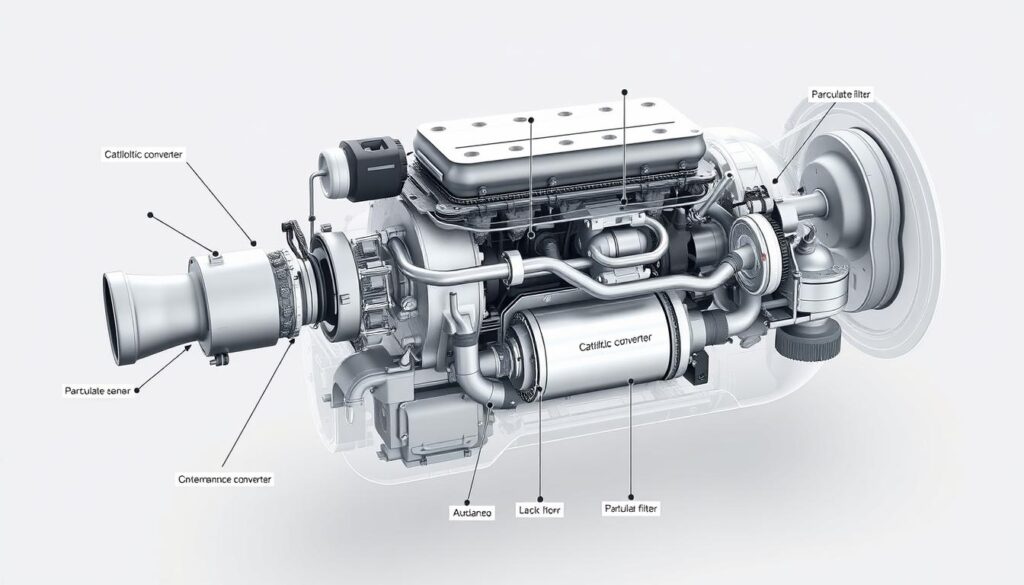
The emission control system in Peugeot vehicles plays a vital role in minimizing the environmental impact of the vehicle. It includes components such as the catalytic converter, oxygen sensors, and the Exhaust Gas Recirculation (EGR) valve. These components work together to reduce harmful emissions and ensure the vehicle runs efficiently. A well-functioning emission control system is essential for maintaining the vehicle’s performance and reducing its environmental footprint.
How the Fault Affects Vehicle Performance
When the anti-pollution fault occurs, it can significantly affect the vehicle’s performance. Symptoms may include reduced engine power, rough idling, and decreased fuel efficiency. In some cases, the vehicle may enter a “limp mode” to prevent further damage, which can be inconvenient for drivers. Addressing the anti-pollution fault promptly is essential to restore the vehicle’s performance and prevent potential long-term damage.
Long-Term Implications of Ignoring the Fault
Ignoring the anti-pollution fault can lead to severe long-term consequences, including increased emissions, further damage to the emission control system, and potentially costly repairs. Prolonged neglect can also result in the vehicle failing emissions tests, leading to fines and potential registration issues. Regular maintenance and prompt repairs are crucial in preventing these issues and ensuring the vehicle remains in good working condition.
By understanding the causes of the Peugeot anti-pollution fault and implementing solutions, vehicle owners can prevent future occurrences and maintain their vehicle’s performance. Regular checks and maintenance of the emission control system are key to avoiding the anti-pollution fault and its associated problems.
Common Causes of Anti-Pollution Faults in Peugeot Vehicles
The anti-pollution system in Peugeot vehicles is complex, and faults can arise from various sources, including sensor malfunctions and exhaust system issues. To effectively diagnose and repair these faults, it’s essential to understand the common causes.
Faulty Mass Airflow Sensor (MAF)
A faulty Mass Airflow Sensor (MAF) is a common cause of anti-pollution faults in Peugeot vehicles. The MAF sensor measures the amount of air entering the engine, and if it becomes dirty or fails, it can cause the engine to run rich or lean, triggering fault codes related to emissions.
Symptoms of a faulty MAF sensor include: decreased engine performance, poor fuel economy, and difficulty starting the engine.
Oxygen Sensor Failures
Oxygen sensors play a critical role in monitoring the exhaust gases and ensuring the engine operates within optimal parameters. When an oxygen sensor fails, it can cause the engine to run rich or lean, leading to increased emissions and potentially triggering an anti-pollution fault.
Common signs of oxygen sensor failure include: a noticeable decrease in fuel efficiency, engine hesitation, and the illumination of the ‘Check Engine’ light.
Catalytic Converter Issues
The catalytic converter is a crucial component of the exhaust system, responsible for reducing harmful emissions. Issues with the catalytic converter, such as clogging or failure, can lead to increased emissions and trigger anti-pollution faults.
EGR Valve Problems
The Exhaust Gas Recirculation (EGR) valve helps reduce emissions by recirculating a portion of the exhaust gas back into the engine. Problems with the EGR valve, such as clogging or failure, can cause issues with engine performance and lead to anti-pollution faults.
| Component | Common Issues | Symptoms |
|---|---|---|
| Mass Airflow Sensor (MAF) | Dirty or faulty sensor | Poor engine performance, decreased fuel economy |
| Oxygen Sensor | Sensor failure | Decreased fuel efficiency, engine hesitation |
| Catalytic Converter | Clogging or failure | Increased emissions, ‘Check Engine’ light |
| EGR Valve | Clogging or failure | Engine performance issues, increased emissions |
Step-by-Step Guide to Diagnosing the Anti-Pollution Fault
Diagnosing the anti-pollution fault in your Peugeot requires a systematic approach. This guide will walk you through the necessary steps to identify and potentially resolve the issue.
Using OBD Diagnostic Tools
The first step in diagnosing the anti-pollution fault is to use OBD (On-Board Diagnostics) diagnostic tools. These tools connect to your vehicle’s OBD port and retrieve fault codes stored in the engine control unit (ECU). For Peugeot vehicles, it’s essential to use a diagnostic tool that is compatible with their specific OBD protocols.
For more information on resolving specific faults, you can visit this page about the P2002 fault code related to diesel particulate filter efficiency.
Interpreting Fault Codes Specific to Peugeot Models
Once you have retrieved the fault codes, the next step is to interpret them. Peugeot models often have specific fault codes related to the anti-pollution system. For example, codes related to the EGR valve, catalytic converter, or oxygen sensor failures. Understanding these codes is crucial for pinpointing the exact cause of the fault.
| Fault Code | Description | Possible Cause |
|---|---|---|
| P0401 | EGR System Flow Insufficient Detected | Faulty EGR valve or clogged EGR system |
| P0420 | Catalyst System Efficiency Below Threshold | Catalytic converter failure or exhaust leak |
Performing a Thorough Visual Inspection
After interpreting the fault codes, perform a thorough visual inspection of the components related to the anti-pollution system. Check for any signs of wear, damage, or leaks. This includes inspecting the EGR valve, oxygen sensors, and catalytic converter. A visual inspection can often reveal issues that are not immediately apparent from fault codes alone.
DIY Solutions for Resolving the Anti-Pollution Fault
With the right tools and knowledge, Peugeot owners can implement DIY solutions to clear the anti-pollution fault. This section provides a comprehensive guide on how to address common issues causing the fault.
How to Clean or Replace the MAF Sensor
The Mass Airflow Sensor (MAF) is crucial for measuring the air entering your Peugeot’s engine. A dirty or faulty MAF sensor can trigger the anti-pollution fault. Cleaning the MAF sensor involves gently spraying a sensor cleaner onto the sensor’s wires, avoiding any harsh chemicals or direct contact that could damage the sensor. If cleaning doesn’t resolve the issue, consider replacing the MAF sensor with a new one compatible with your Peugeot model.
To replace the MAF sensor, locate it between the air filter and the engine, disconnect the electrical connector, and remove any screws holding it in place. Install the new sensor in reverse order, ensuring it’s securely fastened.
Step-by-Step Oxygen Sensor Replacement
The oxygen sensor monitors the exhaust gases and reports back to the engine management system. A faulty oxygen sensor can cause the anti-pollution fault. To replace it, first, locate the oxygen sensor near the catalytic converter or exhaust manifold. Use an OBD tool to confirm the faulty sensor by checking the fault codes.
Once identified, disconnect the electrical connector and use a sensor socket to remove the old sensor. Install the new oxygen sensor by threading it into place and reconnecting the electrical connector. Ensure it’s securely fastened to prevent damage from vibrations.
Cleaning and Maintaining Your EGR Valve
The Exhaust Gas Recirculation (EGR) valve helps reduce emissions by recirculating exhaust gases back into the engine. A clogged EGR valve can trigger the anti-pollution fault. To clean it, remove the EGR valve and soak it in a carburetor cleaner. Use a soft brush to gently remove any carbon deposits, then rinse and dry before reinstalling.
Regular maintenance involves checking the EGR valve for signs of clogging and cleaning it periodically to prevent issues.
Safely Resetting Your Engine Management System
After resolving the underlying issues, you may need to reset the engine management system to clear the anti-pollution fault. Use an OBD-II code reader to access the fault codes and clear them. Alternatively, disconnecting the battery for a few minutes can reset the system, but be cautious as this may also reset other vehicle settings.
It’s crucial to address the root cause before resetting the system to prevent the fault from recurring.
Preventive Maintenance to Avoid Future Anti-Pollution Faults
The key to preventing anti-pollution faults lies in understanding and adhering to a regular maintenance schedule. By doing so, you can significantly reduce the likelihood of encountering issues with your Peugeot’s emission control system. As Peugeot emphasizes, maintaining the vehicle’s emission control system is crucial for both environmental reasons and to ensure the longevity of your vehicle.
Regular Maintenance Schedule for Peugeot Emission Systems
Following the recommended maintenance schedule for your Peugeot is vital. This includes regular checks and replacements of components such as the oxygen sensor, mass airflow sensor, and catalytic converter. Regular maintenance not only helps in preventing anti-pollution faults but also ensures that your vehicle runs efficiently. As the experts say, “A well-maintained vehicle is not only environmentally friendly but also cost-effective in the long run.”
“Regular maintenance is the cornerstone of vehicle longevity and performance.”
Fuel Quality and Driving Habits That Protect Your System
Using high-quality fuel and adopting good driving habits can significantly impact the health of your Peugeot’s emission control system. High-quality fuel reduces the risk of contamination and ensures that the engine operates within optimal parameters. Additionally, driving habits such as avoiding extreme temperatures, not ignoring dashboard warning lights, and driving at moderate speeds can help protect your vehicle’s system.
By combining a regular maintenance schedule with good driving habits and high-quality fuel, you can effectively prevent anti-pollution faults and ensure your Peugeot runs smoothly for years to come.
Conclusion
Understanding the Peugeot anti-pollution fault is crucial for resolving and preventing issues with your vehicle’s emission control system. By recognizing the warning signs and symptoms, you can take prompt action to diagnose and repair the problem.
Solutions for Peugeot anti-pollution fault involve a combination of DIY repairs, regular maintenance, and professional assistance when needed. By following the steps outlined in this article, you can effectively resolve the issue and prevent future faults.
Regular maintenance, including a scheduled check of your Peugeot’s emission control system, is essential for maintaining a healthy engine and preventing costly repairs. By adopting good driving habits and using high-quality fuel, you can also help protect your vehicle’s emission control system.
By taking a proactive approach to understanding and resolving the Peugeot anti-pollution fault, you can ensure your vehicle runs efficiently, reduce harmful emissions, and maintain its overall performance.
FAQ
What does the Peugeot anti-pollution fault warning sign indicate?
The Peugeot anti-pollution fault warning sign typically indicates a problem with the vehicle’s emission control system, which could be caused by a faulty component or a malfunction in the system.
How does the anti-pollution system work in Peugeot vehicles?
The anti-pollution system in Peugeot vehicles is designed to reduce emissions and maintain air quality by controlling the release of pollutants into the atmosphere. It consists of various components, including the catalytic converter, oxygen sensor, and EGR valve, which work together to minimize emissions.
What are the common causes of anti-pollution faults in Peugeot vehicles?
Common causes of anti-pollution faults in Peugeot vehicles include issues with the MAF sensor, oxygen sensor, catalytic converter, and EGR valve. These components play a crucial role in maintaining emissions control, and faults in these areas can trigger the anti-pollution fault warning sign.
Can I drive my Peugeot vehicle with the anti-pollution fault warning sign on?
While it is possible to drive your Peugeot vehicle with the anti-pollution fault warning sign on, it is not recommended. Ignoring the fault can lead to decreased vehicle performance, reduced fuel efficiency, and potentially cause long-term damage to the emission control system.
How can I diagnose the anti-pollution fault in my Peugeot vehicle?
Diagnosing the anti-pollution fault in your Peugeot vehicle typically involves using OBD diagnostic tools to retrieve fault codes, interpreting the codes, and performing a visual inspection to identify the root cause of the problem.
What maintenance tasks can help prevent anti-pollution faults in Peugeot vehicles?
Regular maintenance tasks, such as cleaning or replacing the MAF sensor, replacing the oxygen sensor, and maintaining the EGR valve, can help prevent anti-pollution faults in Peugeot vehicles. Additionally, following a regular maintenance schedule and using high-quality fuel can also help protect the emission control system.
Can I reset the engine management system myself?
Yes, you can reset the engine management system yourself using an OBD diagnostic tool. However, it’s essential to follow the correct procedure and take necessary safety precautions to avoid causing further damage to the system.
How often should I check my Peugeot vehicle’s emission control system?
It’s recommended to check your Peugeot vehicle’s emission control system regularly, ideally during routine maintenance checks, to ensure it’s functioning correctly and to address any potential issues before they become major problems.