You have probably noticed that black plastic strip hanging below your car’s front bumper. Many drivers spot it dragging on the ground after hitting a speed bump or scraping a steep driveway. This automotive component often goes unnoticed until it gets damaged.
This plastic piece plays several important roles in your vehicle’s performance. Understanding what it does and how to care for it can save you money on repairs. It also helps protect other parts of your car from damage.
Whether yours is already damaged or you want to prevent problems, this guide covers everything you need to know. We will explore what this part is called, why it matters, and how to maintain it properly.
What Is This Plastic Piece Called?
This component goes by several names in the automotive world. The most common terms include front air dam, lower valance, front spoiler lip, and bumper splitter. Some people also call it an engine undercover or splash shield.
The specific name often depends on the vehicle type and design. Trucks and SUVs typically have what manufacturers call a front air dam. Sedans and sports cars often feature a lower valance or front lip spoiler. These terms all refer to similar plastic extensions beneath the front bumper.
Mechanics and body shops understand all these names. When ordering replacement parts, using your vehicle’s exact year, make, and model matters more than the specific term. Most auto parts stores can identify the correct piece from your car’s information.
Common Names by Vehicle Type
- Trucks: Front air dam or air deflector
- SUVs: Lower front valance or bumper extension
- Sedans: Front spoiler lip or lower valance
- Sports cars: Bumper splitter or front lip
- Universal: Engine splash shield or undertray
Primary Purpose and Functions

The plastic piece under your front bumper serves three main functions. Each one contributes to your vehicle’s overall performance and protection. Understanding these purposes helps explain why this seemingly simple component matters.
Aerodynamic Improvement
The primary job of this plastic strip is managing airflow beneath your car. It acts as an air dam that reduces the amount of turbulent air passing under the vehicle. This design feature improves fuel economy by decreasing aerodynamic drag.
At highway speeds, this small piece can make a measurable difference. The air deflector channels airflow over and around the car rather than underneath. This creates a smoother path through the air. Many modern vehicles have seen fuel efficiency gains of one to three percent from these components.
The strip also improves vehicle stability at higher speeds. By controlling underbody airflow, it helps reduce lift and keeps the car planted to the road. Sports cars and performance vehicles often have more aggressive front lips for this exact reason.
Engine and Component Protection
This plastic shield protects critical components from road debris. Small rocks, sticks, and other objects kicked up by your tires would otherwise strike the engine bay and undercarriage. The valance takes these impacts instead of more expensive parts.
Water and dirt protection is another key benefit. The splash shield prevents excessive moisture from reaching sensitive automotive parts. This becomes especially important during winter months when road salt can cause corrosion damage to metal components.
The barrier also helps contain minor fluid leaks. If a small oil or coolant drip occurs, the undertray can prevent it from spreading across other parts. This makes diagnosis easier for mechanics during routine maintenance.
Cooling System Assistance
Many front air dams help direct airflow toward the radiator. The design channels incoming air upward into the cooling system. This improves engine temperature management, particularly during hot weather or demanding driving conditions.
Some vehicles integrate air ducts within the valance. These openings guide air to brake cooling systems or intercoolers. Performance vehicles especially rely on these pathways to maintain optimal operating temperatures during spirited driving.
Aerodynamics
Reduces drag and improves fuel efficiency by controlling underbody airflow and creating smoother air passage.
Protection
Shields engine and components from road debris, water splash, and minor impact damage from everyday driving.
Cooling
Directs air toward radiator and brake systems, helping maintain proper operating temperatures.
Common Issues and Damage
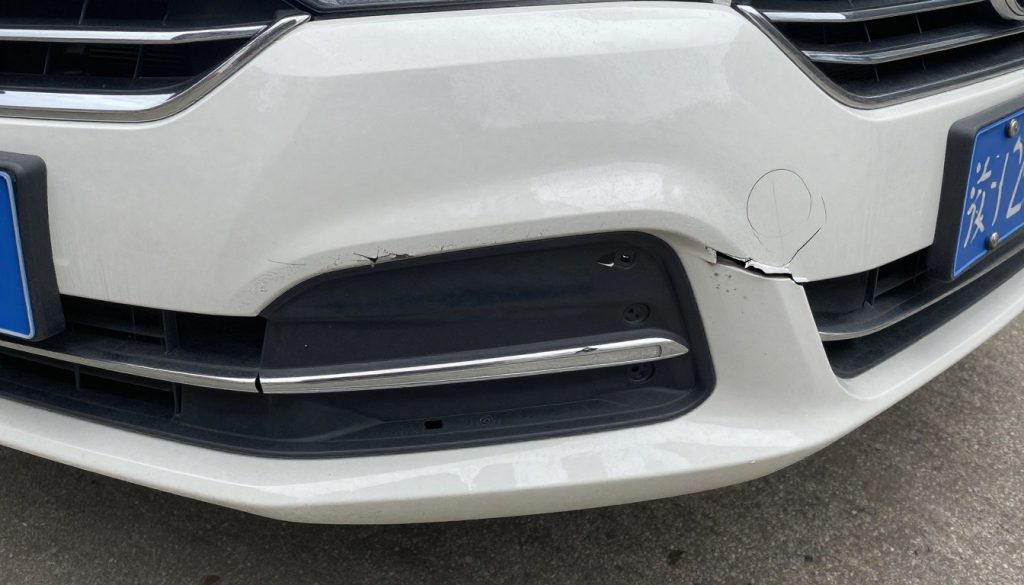
The bottom location of this plastic piece makes it vulnerable to various types of damage. Most car owners eventually deal with at least minor issues. Recognizing common problems helps you address them before they worsen.
Scraping on Driveways and Speed Bumps
The most frequent damage comes from scraping steep inclines. Parking garage ramps, driveway approaches, and tall speed bumps all pose risks. The front of your car dips as you drive over these obstacles, and the valance can drag on the ground.
Repeated scraping weakens the plastic over time. You might notice white stress marks or shallow grooves at first. Eventually, the material can crack or tear completely. Some vehicles sit lower than others, making this problem more common for sedan and sports car owners.
The mounting clips often fail from scraping stress. Even if the plastic itself looks fine, the attachment points can break. This causes the strip to hang lower, making future scraping even more likely. The problem compounds itself quickly.
Impact from Road Debris
Flying rocks and road debris cause sudden damage. A large stone kicked up by another vehicle can crack or puncture the thin plastic. Highway driving increases this risk, especially on rough or unpaved roads.
Winter conditions bring additional hazards. Ice chunks and frozen slush can strike the air dam with significant force. Many drivers notice new damage after winter storms or when driving through areas with poor road conditions.
Parking blocks and curbs also cause impact damage. Pulling too far forward into a parking space can crush the bottom edge. This type of damage often goes unnoticed until you inspect the area closely.
Weather and Age Deterioration
Extreme temperatures affect plastic durability. Hot summer sun makes the material brittle over time. Cold winter weather has a similar effect. Older vehicles often show cracks and stress fractures from years of temperature cycling.
UV exposure causes fading and weakening. The constant bombardment of sunlight breaks down the plastic’s molecular structure. You might notice the black plastic turning gray or developing a chalky appearance before cracks form.
Salt and chemical exposure accelerate deterioration. Road salt in winter and chemical cleaners used in car washes can degrade the plastic. This environmental stress combines with physical impacts to shorten the component’s lifespan.
Quick Damage Assessment: Inspect your front air dam regularly for white stress marks, visible cracks, hanging sections, or missing mounting clips. Catching problems early prevents minor issues from becoming expensive repairs.
Maintenance and Care Tips
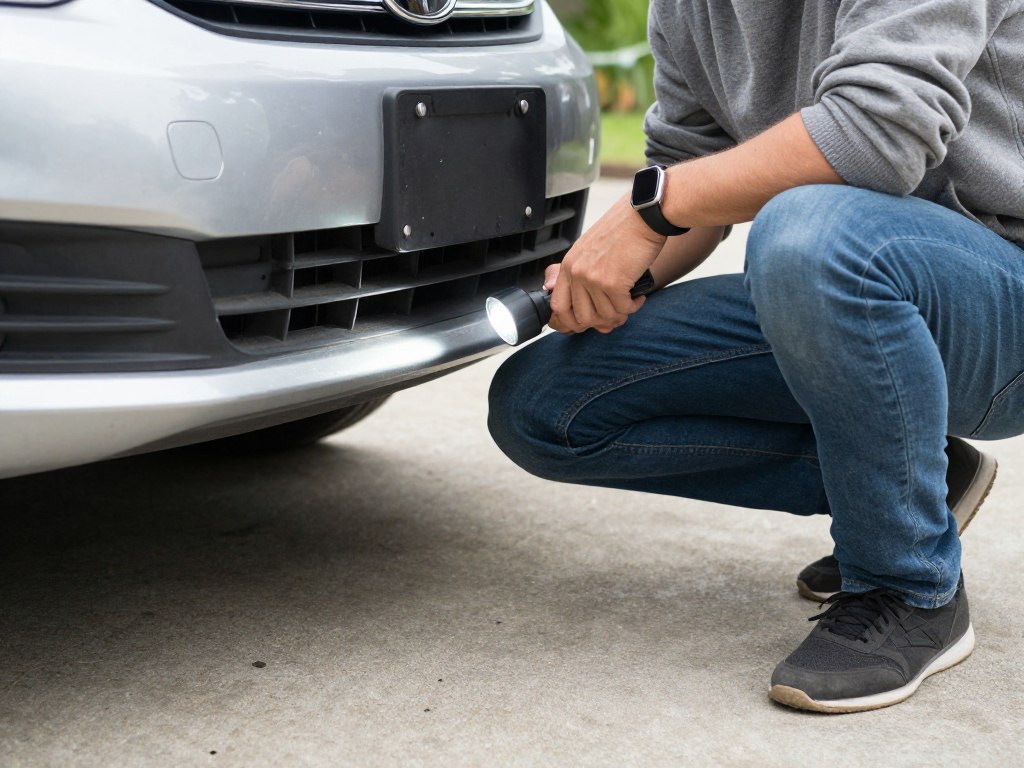
Proper maintenance extends the life of your front air dam. Simple precautions prevent most damage. Regular care also helps you catch small problems before they require expensive repairs.
Regular Visual Inspections
Check the plastic strip every time you wash your car. Look for new cracks, loose sections, or missing fasteners. Early detection allows for quick fixes using simple methods like replacing a single clip or tightening a screw.
Pay attention to unusual sounds while driving. Scraping, dragging, or flapping noises often indicate a problem. If you hear these sounds, inspect the area immediately. Driving with a partially detached valance can cause it to tear off completely.
Examine the mounting points closely. The clips and screws that hold the strip in place often fail before the plastic itself cracks. Push gently on different sections to verify everything is secure. Loose areas need attention even if they look undamaged.
Cleaning Techniques
Clean your front air dam regularly to remove corrosive substances. Road salt, bird droppings, and chemical residue can all damage the plastic over time. Use a gentle automotive soap and soft brush for best results.
Avoid high-pressure washers directly on this area. The intense water stream can force its way behind the valance and loosen mounting clips. It can also crack already-weakened plastic. Use moderate pressure and maintain a safe distance.
Apply a plastic protectant after cleaning. UV protection products help prevent sun damage and keep the material flexible. This simple step can significantly extend the component’s lifespan in harsh climates.
Driving Strategies to Prevent Damage
Approach steep driveways and speed bumps at an angle. This technique reduces the angle of approach and lifts the lowest point of your car slightly. The diagonal path often provides enough clearance to avoid scraping.
Slow down when crossing obstacles. Speed increases the force of impact and makes scraping more likely. Taking your time allows the suspension to compress gradually and can prevent damage to the air dam.
Learn your vehicle’s ground clearance. Understanding how low your car sits helps you judge which obstacles pose risks. Some parking spaces with high curbs or stops may be better avoided entirely.
Do These Things
- Inspect monthly for cracks or loose parts
- Clean gently with automotive soap
- Apply UV protectant regularly
- Approach obstacles at an angle
- Drive slowly over speed bumps
- Replace missing clips immediately
Avoid These Mistakes
- Ignoring scraping sounds
- Using high-pressure washers directly
- Driving fast over steep driveways
- Parking too far forward at curbs
- Delaying repairs for loose sections
- Using harsh chemical cleaners
Important Safety Note: Never drive with a significantly damaged or hanging air dam. The loose plastic can catch on road surfaces, get tangled in wheels, or detach suddenly and create hazards for other drivers. Address damage promptly or remove the damaged section entirely until proper repair.
Repair or Replacement Options
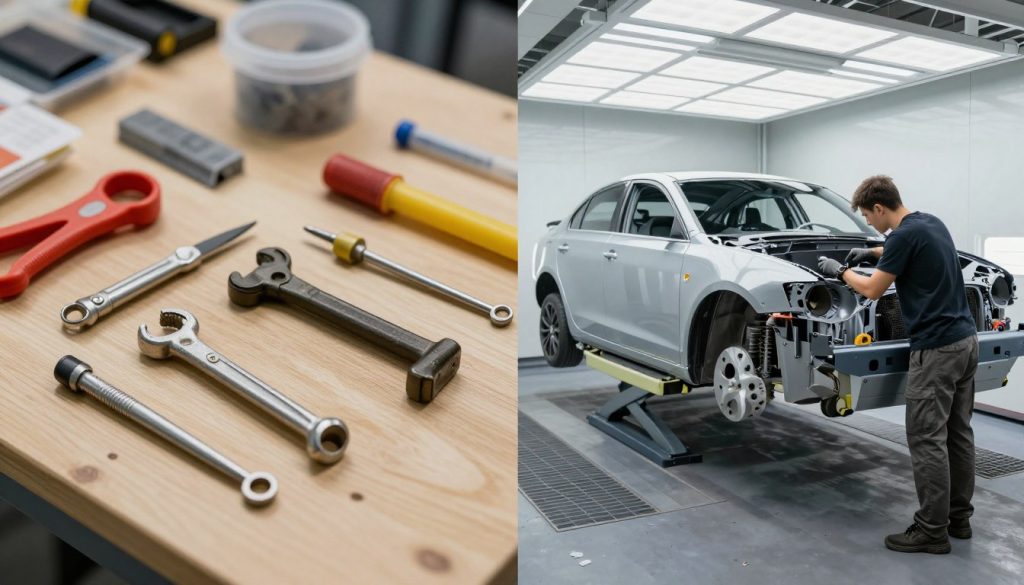
When damage occurs, you have several options. The best approach depends on the extent of the damage and your comfort level with automotive work. Both DIY repairs and professional replacement have their place.
Assessing the Damage Severity
Minor surface scratches and small scrapes usually do not require any action. These cosmetic blemishes do not affect function. You can live with them or touch them up with plastic paint if appearance matters to you.
Small cracks less than two inches long can often be repaired. These are good candidates for DIY fixes using plastic welding or strong adhesives. The repair restores structural integrity without replacing the entire component.
Large cracks, multiple break points, or completely detached sections typically need replacement. Attempting to repair severely damaged pieces rarely provides lasting results. The weakened plastic will likely fail again soon.
Missing chunks or shattered areas always require replacement. No repair method can restore plastic that is simply gone. In these cases, finding the right replacement part becomes your priority.
DIY Repair Methods
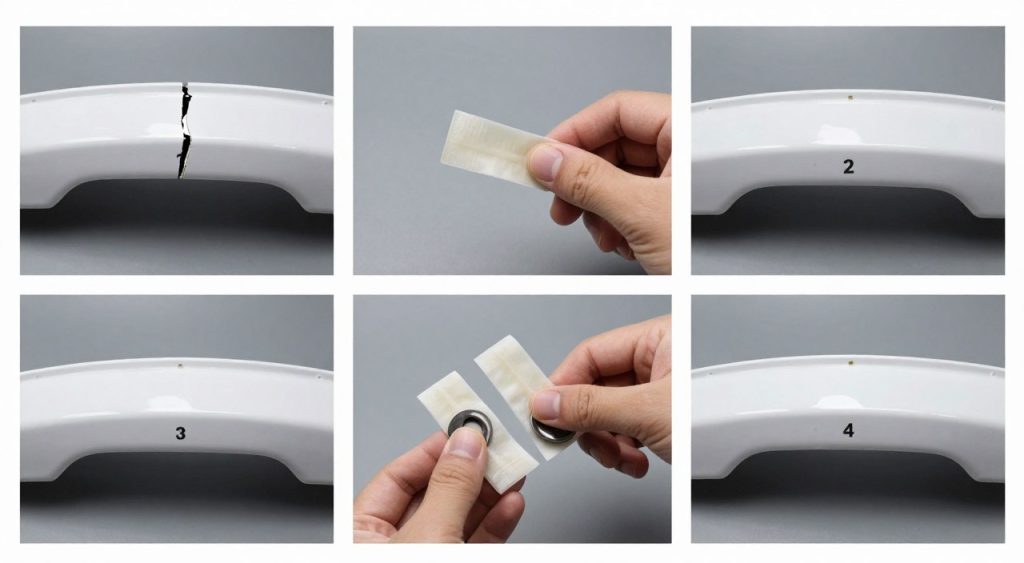
Plastic welding works well for clean crack repairs. This process uses heat to melt and fuse the plastic back together. You can purchase an inexpensive plastic welding kit at most auto parts stores. The technique requires practice but produces strong, permanent bonds.
Two-part epoxy adhesives offer an easier alternative. Products designed specifically for automotive plastics create durable repairs. Clean both surfaces thoroughly, mix the epoxy according to directions, and hold the pieces together until the adhesive sets. Reinforce the repair with a backing strip for extra strength.
For loose or detached sections with intact plastic, replacement clips often solve the problem. Auto parts stores sell universal bumper clip assortments. Match the clip style to your original fasteners and pop the new ones into place. This simple fix takes just minutes.
Zip ties provide a temporary solution when clips fail. Thread heavy-duty ties through existing holes to secure loose sections. While not pretty, this method gets you by until proper repair. Use UV-resistant ties for longer-lasting results.
Professional Replacement Services
Body shops can replace damaged air dams with OEM or aftermarket parts. Original equipment manufacturer parts match your vehicle exactly but cost more. Aftermarket options offer similar quality at lower prices. Most shops can order and install replacement valances within a few days.
Installation by professionals ensures proper fit and secure attachment. Technicians have the right tools and experience to align everything correctly. They also check for any underlying damage to the bumper or mounting points that you might miss.
Many shops offer upgraded replacement options. You can switch to a more durable rubber bumper lip instead of plastic. These aftermarket products resist scraping damage better than original plastic strips. They bend rather than crack when dragged over obstacles.
When to DIY
- Single small crack under 3 inches
- Loose section with good plastic
- Missing or broken clips only
- You have basic tools and time
- Comfortable with simple repairs
When to Get Professional Help
- Multiple cracks or shattered plastic
- Large sections missing entirely
- Damaged mounting points on bumper
- Want perfect cosmetic appearance
- Prefer guaranteed results
Replacement Part Options
OEM parts from your vehicle manufacturer guarantee perfect fit. Dealerships stock these or can order them. Expect to pay premium prices for original parts. The main advantage is knowing exactly what you are getting.
Aftermarket valances cost significantly less. Companies manufacture replacement parts that fit multiple vehicle models. Quality varies between manufacturers, so read reviews before purchasing. Many aftermarket parts match OEM quality at half the price.
Upgraded rubber alternatives provide better durability. These flexible bumper lips absorb impacts without cracking. They install the same way as plastic valances but last much longer. The investment pays off if you frequently scrape steep driveways.
Universal fit products work across many vehicles. These require some modification for proper installation. If you have fabrication skills, universal parts offer the lowest cost option. However, getting the right fit takes more effort than vehicle-specific parts.
Basic Plastic Replacement
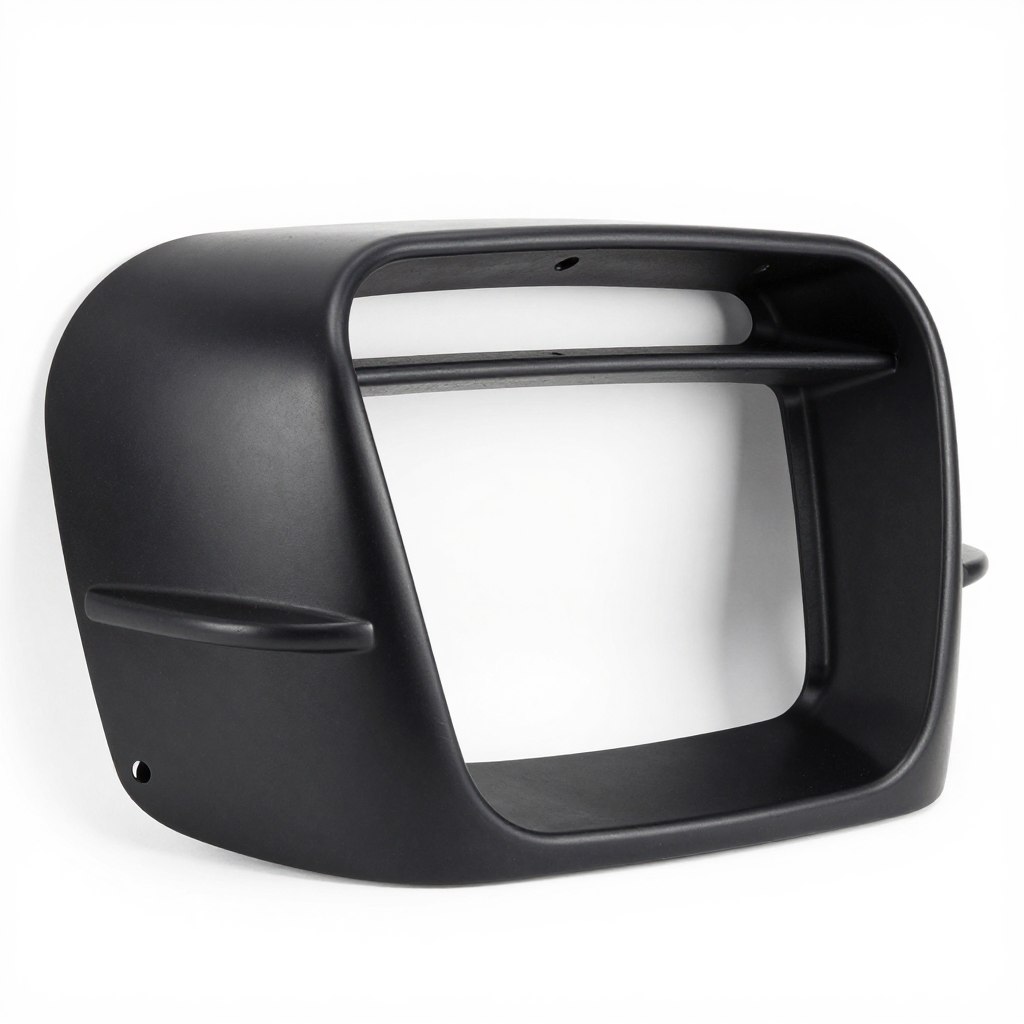
Standard OEM-style plastic valance that matches your vehicle’s original design. Affordable and direct replacement for most cars.
- Exact fit for specific models
- Factory appearance and finish
- Moderate durability
- Most economical option
Rubber Bumper Lip
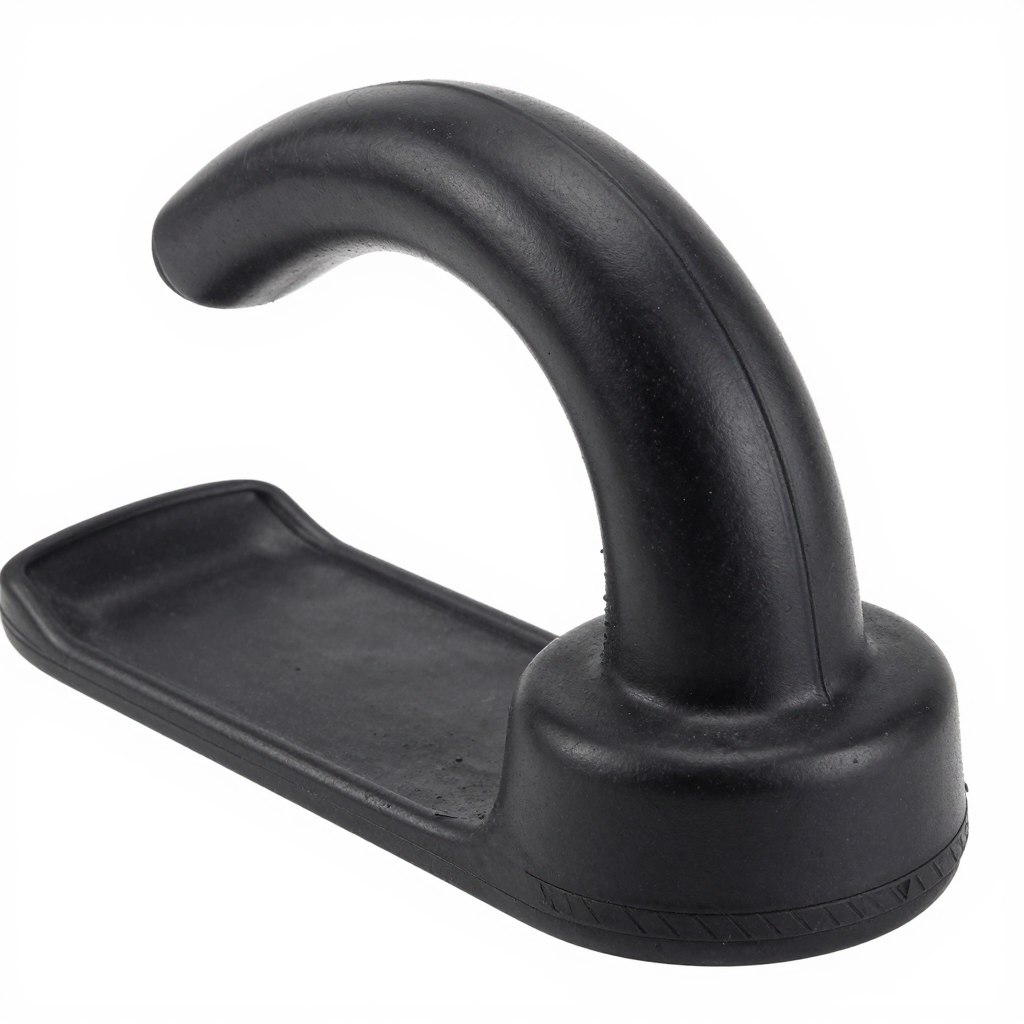
Flexible rubber alternative that resists scraping and impact damage. Bends instead of breaking when dragged over obstacles.
- Superior durability
- Flexible material
- Easy installation
- Long-lasting protection
Performance Splitter
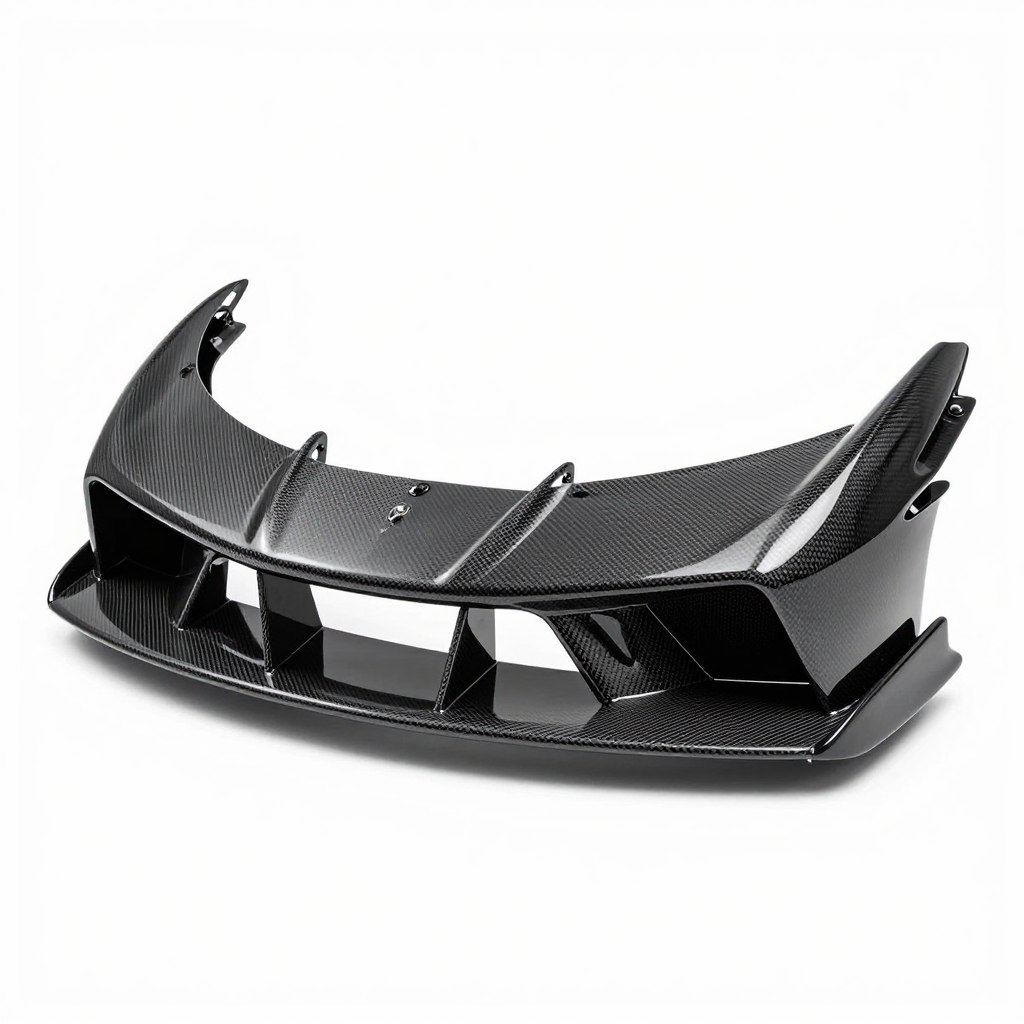
Upgraded aerodynamic splitter that improves appearance and downforce. Ideal for performance vehicles and enthusiasts.
- Enhanced aerodynamics
- Sporty appearance
- Reinforced construction
- Premium materials
Protecting Your Vehicle’s Underside
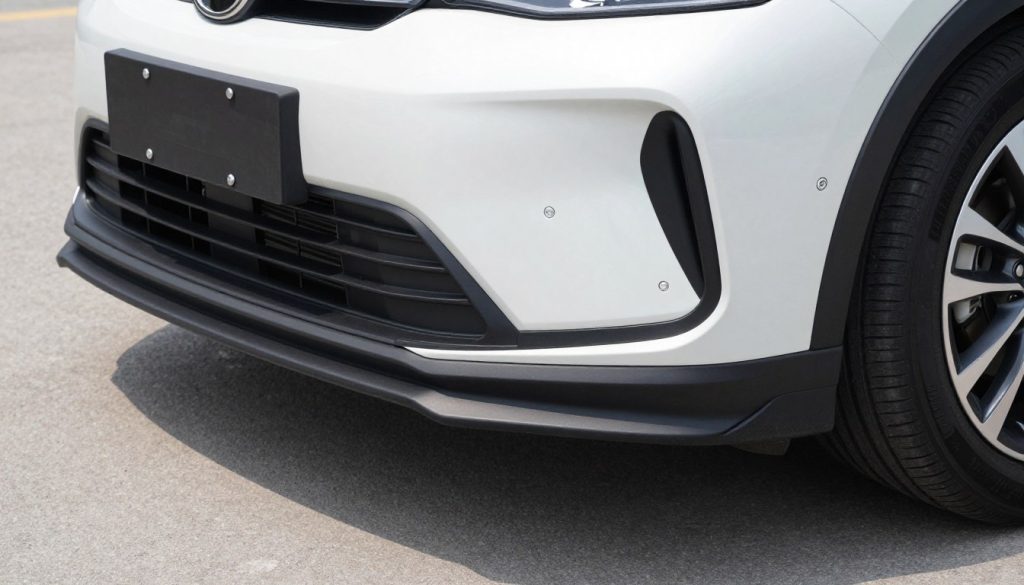
The plastic piece under your front bumper deserves more attention than most drivers give it. This simple component protects expensive parts, improves fuel economy, and helps your vehicle perform as designed. Regular maintenance prevents most problems.
Understanding what this air dam does helps you appreciate its value. The aerodynamic benefits might seem small, but they add up over thousands of miles. The protection it provides to your engine bay and undercarriage saves money on potential damage from road debris.
When damage occurs, you have options that fit different budgets and skill levels. Small issues respond well to DIY repairs using basic tools and materials. Larger problems benefit from professional replacement with quality parts. Either way, addressing damage promptly prevents it from worsening.
Take a moment today to inspect this often-overlooked component. A quick visual check takes less than a minute and might reveal issues you did not know existed. Catching problems early keeps your car looking good and running efficiently for years to come.